The best time to visit Romania is May to June and September to early October: in Transylvania, afternoons hover around 21 to 25 °C (70 to 77 °F), the mountains are accessible and the medieval towns can be visited without excessive heat. July and August suit the Black Sea and high mountain roads, but Bucharest then exceeds 30 °C (86 °F) in the afternoon. Bucharest, the Black Sea and the Carpathians can be seen at a glance on our map of Romania.
Romania has a continental climate: cold winters, hot and stormy summers, pleasant springs and autumns. The Carpathian arc separates regions with different profiles: Transylvania, on a plateau, is cooler; the southern plain around Bucharest is the hottest in summer; the Black Sea coast and the Danube Delta are the driest. Here is how to choose your month, based on official climate normals.

Our travel deals for Romania
Affiliate links: we earn a commission, at no extra cost to you.
 FlightsKiwi.comCompare flights and airline combinations to Romania.Compare flights

When to go to Romania at a glance
- Best times May–June and September–early October
- For Transylvania (Brașov, Sibiu, Sighișoara) May to October
- For hiking in the Carpathians June to September
- For the Danube Delta May–June for birds, and September
- For the Black Sea July–August
- For Christmas markets and skiing December to February
- Best value May and late September–October
When to go to Romania by priority
- Best weather: May–June and September–early October; July–August for the Black Sea and the mountains
- Cheapest: May and late September–October; March and November, outside holidays, for a small budget
- Fewest crowds: May, September and October; August is the busiest month
- Events: Mărțișor on March 1, Orthodox Easter (date varies), Sibiu theater festival in June, national day on December 1, Christmas markets from late November to December
Romania: the calendar at a glance
✅ Best months: may, June, September, October
❌ Period to avoid: January
Romania climate month by month
The table below gives the normals for Bucharest (Băneasa station, north of the city), where most international flights arrive. Other regions are compared below.
| Month | Avg. max | Avg. min | Rain | Crowds | Prices | Verdict |
|---|---|---|---|---|---|---|
| January | 3.0 °C (37 °F) | -5.0 °C (23 °F) | 40 mm (1.6 in) | Low | Low | Cold, frost at night (except for skiing) ❌ |
| February | 6.3 °C (43 °F) | -3.5 °C (26 °F) | 33 mm (1.3 in) | Low | Low | Still cold, quiet cities ⚠️ |
| March | 12.3 °C (54 °F) | 0.3 °C (33 °F) | 42 mm (1.7 in) | Low | Low | Mild afternoons, cold nights ⚠️ |
| April | 18.5 °C (65 °F) | 4.9 °C (41 °F) | 50 mm (2.0 in) | Moderate (Easter) | Moderate | Spring, mountains still snowy ⚠️ |
| May | 24.1 °C (75 °F) | 9.7 °C (49 °F) | 70 mm (2.8 in) | Moderate | Moderate | Ideal for cities and the delta ✅ |
| June | 28.1 °C (83 °F) | 13.9 °C (57 °F) | 83 mm (3.3 in) | High | Moderate to high | Hot, storms, festivals ✅ |
| July | 30.4 °C (87 °F) | 15.6 °C (60 °F) | 69 mm (2.7 in) | High | High | Hot on the plains, Black Sea, mountains ⚠️ |
| August | 30.6 °C (87 °F) | 15.2 °C (59 °F) | 49 mm (1.9 in) | Very high | High | Heat in Bucharest, peak season ⚠️ |
| September | 25.0 °C (77 °F) | 10.7 °C (51 °F) | 61 mm (2.4 in) | Moderate | Moderate | Mild, grape harvest, fewer crowds ✅ |
| October | 18.0 °C (64 °F) | 5.7 °C (42 °F) | 61 mm (2.4 in) | Low | Moderate → low | Autumn colors in the Carpathians ✅ |
| November | 10.5 °C (51 °F) | 1.4 °C (35 °F) | 44 mm (1.7 in) | Low | Low | Cool and gray ⚠️ |
| December | 4.2 °C (40 °F) | -3.3 °C (26 °F) | 47 mm (1.9 in) | Moderate (holidays) | Moderate | Cold, Christmas markets ⚠️ |
Worth remembering: rain falls mostly from May to July, often as thunderstorms, with a peak in June (83 mm (3.3 in) in Bucharest). Winter is cold: average lows stay below 0 °C (32 °F) from December to February.
Romania’s seasons: pros and cons
Spring (April to June): greenery and birds
Spring is an excellent season for the cities and the Danube Delta. In Bucharest, average highs rise from 18.5 °C (65 °F) in April to 28 °C (82 °F) in June. The hills of Transylvania and Maramureș are very green. The delta then hosts many migratory birds, including pelicans. In the mountains, snow persists on the peaks and high-altitude roads normally stay closed until early summer.
- Pros: green landscapes, pleasant temperatures, moderate prices, the Danube Delta at its best for birds
- Cons: frequent storms in May–June, high mountain roads still closed, busy Orthodox Easter weekend
- Our tip: late May–June to combine Bucharest, Transylvania and the delta
Summer (July–August): mountains and the Black Sea
Summer is hot on the plains: about 30 °C (86 °F) in the afternoon in Bucharest in July–August according to the normals, more during heat waves. It is the season of the Carpathians (hiking, scenic roads such as the Transfăgărășan) and of the Black Sea, around Constanța and Mamaia. Transylvania stays cooler: about 27 °C (81 °F) in the afternoon in Sibiu and Cluj-Napoca. Our guide to visiting Cluj introduces the city.
- Pros: accessible mountains, swimming in the Black Sea, festivals, long evenings
- Cons: heat in Bucharest, crowds and higher prices on the coast, thunderstorms in the mountains
- Who is it for? Hikers, families and road-trippers
Autumn (September–October): light and colorful forests
September stays mild (25 °C (77 °F) in the afternoon in Bucharest, 22 °C (72 °F) in Sibiu) and October is pleasant. The Carpathian forests take on autumn colors and the grape harvest takes place in the vineyards. Crowds drop noticeably once school starts again. In the high mountains, snow can return as early as October and close some roads.
- Pros: mild climate, colorful forests, fewer crowds, lower prices
- Cons: shorter days, cool nights in Transylvania, sea too cool for most swimmers
- Our tip: September for a full circuit of Transylvania
Winter (November to March): Christmas, skiing and cities
Winter is cold: about 3 °C (37 °F) in the afternoon in January in Bucharest and less than 1 °C (34 °F) in Cluj-Napoca, with nights below 0 °C (32 °F). Snow is frequent in Transylvania and the mountains. It is the season of Christmas markets (Sibiu, Bucharest, Brașov) and of skiing in the resorts of the Prahova Valley, such as Sinaia or Poiana Brașov. High-altitude roads and some trails are then closed.
- Pros: Christmas markets, skiing, low prices in January–February, snowy towns
- Cons: cold, short days, Black Sea and delta dormant
- Who is it for? An urban stay, a Christmas weekend in Transylvania or a ski trip
When to go to Romania by region
Comparison of the normals for four representative cities:
| Month | Bucharest | Cluj-Napoca | Sibiu | Constanța |
|---|---|---|---|---|
| January | 3.0 °C (37 °F) / 40 mm (1.6 in) | 0.9 °C (34 °F) / 27 mm (1.1 in) | 2.3 °C (36 °F) / 26 mm (1.0 in) | 4.7 °C (40 °F) / 36 mm (1.4 in) |
| February | 6.3 °C (43 °F) / 33 mm (1.3 in) | 4.1 °C (39 °F) / 25 mm (1.0 in) | 5.5 °C (42 °F) / 23 mm (0.9 in) | 6.5 °C (44 °F) / 26 mm (1.0 in) |
| March | 12.3 °C (54 °F) / 42 mm (1.7 in) | 10.2 °C (50 °F) / 35 mm (1.4 in) | 10.7 °C (51 °F) / 35 mm (1.4 in) | 10.1 °C (50 °F) / 37 mm (1.5 in) |
| April | 18.5 °C (65 °F) / 50 mm (2.0 in) | 16.6 °C (62 °F) / 51 mm (2.0 in) | 16.7 °C (62 °F) / 54 mm (2.1 in) | 14.7 °C (58 °F) / 32 mm (1.3 in) |
| May | 24.1 °C (75 °F) / 70 mm (2.8 in) | 21.4 °C (71 °F) / 71 mm (2.8 in) | 21.4 °C (71 °F) / 77 mm (3.0 in) | 20.6 °C (69 °F) / 45 mm (1.8 in) |
| June | 28.1 °C (83 °F) / 83 mm (3.3 in) | 25.0 °C (77 °F) / 91 mm (3.6 in) | 25.1 °C (77 °F) / 97 mm (3.8 in) | 25.5 °C (78 °F) / 42 mm (1.7 in) |
| July | 30.4 °C (87 °F) / 69 mm (2.7 in) | 26.7 °C (80 °F) / 87 mm (3.4 in) | 26.9 °C (80 °F) / 95 mm (3.7 in) | 27.9 °C (82 °F) / 42 mm (1.7 in) |
| August | 30.6 °C (87 °F) / 49 mm (1.9 in) | 27.0 °C (81 °F) / 65 mm (2.6 in) | 27.1 °C (81 °F) / 71 mm (2.8 in) | 27.9 °C (82 °F) / 36 mm (1.4 in) |
| September | 25.0 °C (77 °F) / 61 mm (2.4 in) | 21.5 °C (71 °F) / 56 mm (2.2 in) | 21.8 °C (71 °F) / 56 mm (2.2 in) | 23.3 °C (74 °F) / 44 mm (1.7 in) |
| October | 18.0 °C (64 °F) / 61 mm (2.4 in) | 15.6 °C (60 °F) / 45 mm (1.8 in) | 16.6 °C (62 °F) / 47 mm (1.9 in) | 17.6 °C (64 °F) / 44 mm (1.7 in) |
| November | 10.5 °C (51 °F) / 44 mm (1.7 in) | 8.4 °C (47 °F) / 34 mm (1.3 in) | 10.1 °C (50 °F) / 33 mm (1.3 in) | 11.9 °C (53 °F) / 42 mm (1.7 in) |
| December | 4.2 °C (40 °F) / 47 mm (1.9 in) | 1.9 °C (35 °F) / 34 mm (1.3 in) | 3.4 °C (38 °F) / 31 mm (1.2 in) | 6.6 °C (44 °F) / 41 mm (1.6 in) |
Bucharest and the southern plain
Bucharest is the hottest city in the table in summer (more than 30 °C (86 °F) in the afternoon in July–August). The best windows are April–June and September–October. In winter, the city remains visitable, with its museums and Christmas market.
Transylvania and the Carpathians
On the Transylvanian plateau, Sibiu and Cluj-Napoca are cooler than Bucharest: about 27 °C (81 °F) in the afternoon in summer and harsher winters (0.9 °C (34 °F) average high in January in Cluj). June and July are the wettest months there, with thunderstorms. For the medieval towns, aim for May to October; for high-altitude hiking, June to September. The Transfăgărășan road is open only part of the year, generally in summer and early autumn, depending on snow cover: check that it is open before you go.
The Black Sea and the Danube Delta
Constanța is the driest resort in the table, with less than 50 mm (2.0 in) of rain a month all year. The sea tempers extremes: summer is a little less hot than in Bucharest and winter milder. The beach season runs from late June to early September. The Danube Delta, further north, is explored by boat from May to September; spring is the best time for birds. Bring mosquito protection.
Maramureș and Bukovina
In the north, the villages of Maramureș, with their wooden churches, and the painted monasteries of Bukovina can be visited from May to October. We have not included normals for these regions, which are cooler than the plain and close to the Ukrainian border: the UK FCDO (GOV.UK, updated 18 September 2026) notes widespread military activity in neighboring Ukraine and refers readers to its Ukraine travel advice.
Region by region summary: the right month depending on the part of the country you are targeting.
| Month | Bucharest and the south | Transylvania and the Carpathians | Black Sea | Danube Delta |
|---|---|---|---|---|
| January | ❌ Cold, frost at night | ⚠️ Cold, skiing | ❌ Off season | ❌ Dormant |
| February | ⚠️ Cold | ⚠️ Cold, skiing | ❌ Off season | ❌ Dormant |
| March | ⚠️ Cold nights | ⚠️ End of winter, skiing | ❌ Off season | ❌ Dormant |
| April | ✅ Spring | ⚠️ Snowy mountains | ❌ Off season | ⚠️ Before the season |
| May | ✅ Ideal | ✅ Medieval towns | ⚠️ Before the beach season | ✅ Birds |
| June | ✅ Hot, storms | ✅ Towns, hiking | ⚠️ Season starts late June | ✅ Birds |
| July | ⚠️ Over 30 °C (86 °F) | ✅ Hiking | ✅ Beach | ✅ Boat trips |
| August | ⚠️ Over 30 °C (86 °F) | ✅ Hiking | ✅ Beach, peak season | ✅ Boat trips |
| September | ✅ Mild | ✅ Ideal circuit | ⚠️ End of season | ✅ Boat trips |
| October | ✅ Pleasant | ✅ Autumn colors | ❌ Off season | ⚠️ End of season |
| November | ⚠️ Cool and gray | ⚠️ High mountain roads closed | ❌ Off season | ❌ Dormant |
| December | ⚠️ Cold, Christmas market | ⚠️ Christmas markets, skiing | ❌ Off season | ❌ Dormant |
✅ favorable conditions, ⚠️ possible with reservations, ❌ best avoided. Summary based on the normals cited on this page and the regional advice above.
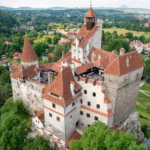
When to go to Romania by trip type
| Your trip | Best time | Where? |
|---|---|---|
| Transylvania circuit | May–June, September–early October | Brașov, Sibiu, Sighișoara, Bran |
| Hiking in the Carpathians | June to September | Bucegi, Făgăraș, Piatra Craiului mountains |
| Transfăgărășan road | Summer and early autumn, depending on opening | Făgăraș Mountains |
| Birdwatching | May–June | Danube Delta |
| Beach | July–August | Constanța, Mamaia, Vama Veche |
| Christmas markets | Late November to December | Sibiu, Bucharest, Brașov |
| Skiing | December to March | Sinaia, Poiana Brașov |
| Budget | March, November, outside holidays | Bucharest, Cluj-Napoca, Iași |
| Family trip | June, July–August | Transylvania, Black Sea |
Major events to plan your trip around
| Period | Event | Location |
|---|---|---|
| March 1 | Mărțișor, spring festival | Nationwide |
| Spring (date varies) | Orthodox Easter | Nationwide |
| June | Sibiu International Theatre Festival | Sibiu |
| Summer | Music festivals (including Untold in Cluj-Napoca) | Cluj-Napoca and other cities |
| December 1 | National Day | Bucharest and nationwide |
| Late November to December | Christmas markets | Sibiu, Bucharest, Brașov, Cluj-Napoca |
Romania month by month: what to expect
January: The coldest month: about 3 °C (37 °F) in the afternoon and -5 °C (23 °F) at night in Bucharest, even less in Transylvania. Skiing in the Carpathians, low prices in the cities.
February: Still cold, few visitors. A good month for skiing and for the museums of Bucharest.
March: Afternoons soften (12 °C (54 °F) in Bucharest), nights stay cold. People give the mărțișor on March 1.
April: Spring sets in (18.5 °C (65 °F) in Bucharest). Orthodox Easter often falls in April; the mountains remain snowy at altitude.
May: One of the best months: 24 °C (75 °F) in Bucharest, 21 °C (70 °F) in Transylvania, green landscapes and birds in the Danube Delta.
June: Hot (28 °C (82 °F) in Bucharest) and stormy: it is the wettest month. Theater festival in Sibiu, start of the mountain season.
July: The heart of summer: 30 °C (86 °F) in Bucharest, 27 °C (81 °F) in Sibiu. Mountains, scenic roads and the Black Sea.
August: Hot and drier. Peak season on the coast; book early in Constanța and Mamaia.
September: Excellent month: 25 °C (77 °F) in Bucharest, 22 °C (72 °F) in Sibiu, grape harvest and fewer crowds. To compare with other destinations, see our selection where to go in September.
October: Pleasant (18 °C (64 °F) in Bucharest), colorful forests in the Carpathians. High-altitude roads may close depending on snow.
November: Cool and often gray (10.5 °C (51 °F) in Bucharest). Christmas markets generally open at the end of the month.
December: Cold (4 °C (39 °F) in the afternoon in Bucharest). National Day on December 1 and Christmas markets, including the one in Sibiu.
Which times should you avoid when visiting Romania?
- January and February: cold (3 °C (37 °F) in the afternoon in Bucharest in January, frost at night), except for skiing
- July–August in Bucharest and on the plains: more than 30 °C (86 °F) in the afternoon; prefer the mountains or the Black Sea then
- November: cool and gray, high mountain roads closed
When to book your trip to Romania
For a circuit in May, June or September, book flights, rental car and accommodation 1 to 3 months ahead. For the Black Sea in July–August and for Christmas market weekends, allow 2 to 4 months. In winter, outside the holidays, you can book late. Bucharest is the main international gateway; other airports, such as Cluj-Napoca or Sibiu, can be more convenient for Transylvania.
Planning your trip to Romania
- Entry requirements: see our page with the entry requirements for Romania.
- Time difference: Romania is on Eastern European Time (UTC+2, UTC+3 in summer): 2 hours ahead of London and usually 7 hours ahead of New York.
- Currency: the Romanian leu (RON); Romania does not use the euro. Check the rate with our currency converter.
- Health: the UK FCDO (GOV.UK, updated 18 September 2026) says UK travelers need a GHIC or EHIC for medically necessary state healthcare, which is not an alternative to travel insurance, and advises insurance covering local treatment and medical evacuation. The U.S. State Department (travel.state.gov, last updated November 12, 2025) notes that U.S. Medicare/Medicaid does not apply overseas.
- Car: you must pay a road toll (rovinieta) to use the national roads; buy a vignette at border points and at most petrol stations (GOV.UK, updated 18 September 2026).
To plan your circuit, read our Romania travel guide. For a combined trip: when to go to Bulgaria and when to go to Hungary.
Frequently asked questions
What is the best month to visit Romania?
May, June and September are the most balanced months: about 21 to 25 °C (70 to 77 °F) in the afternoon in Transylvania according to official normals, accessible mountains and reasonable crowds.
When should you visit Transylvania?
From May to October. June and July are the wettest, with thunderstorms; September offers a good compromise between mild weather and fewer crowds.
When can you swim in the Black Sea in Romania?
From late June to early September. July and August are the hottest and busiest months on the coast.
Is Romania cold in winter?
Yes. In Bucharest, average highs are about 3 °C (37 °F) in January and average lows fall below 0 °C (32 °F) from December to February. Transylvania is even colder.
When can you see the birds of the Danube Delta?
In spring, in May and June, during the breeding season and migrations. September is also suitable for a boat visit.
When is the cheapest time to visit Romania?
January–February outside ski resorts, March and November. May and October offer the best compromise between price and weather.
Is Romania in October a good idea?
Yes: about 18 °C (64 °F) in the afternoon in Bucharest, low crowds and autumn colors in the Carpathians. Nights become cool (about 6 °C (43 °F)) and high mountain roads may close.
Is May a good time to visit Romania?
Yes: about 24 °C (75 °F) in the afternoon in Bucharest, green countryside and moderate crowds. It is also a good time for the towns of Transylvania and for the Danube Delta.
Our sources
- World Meteorological Organization: 1991–2020 normals for the Bucharest-Băneasa, Cluj-Napoca, Sibiu and Constanța stations, distributed by NOAA
- Information read on 26 October 2026: UK FCDO, foreign travel advice for Romania (GOV.UK, updated 18 September 2026), and U.S. Department of State, Romania country information (travel.state.gov, last updated November 12, 2025)
- Our methodology
Updated November 2026.