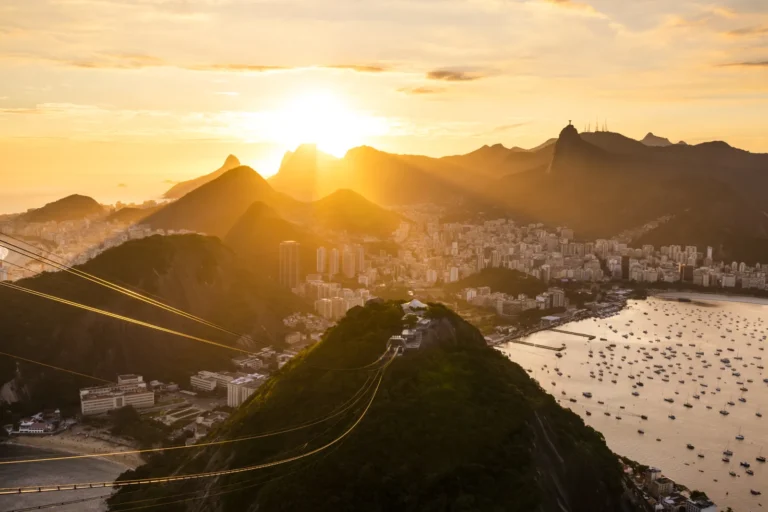
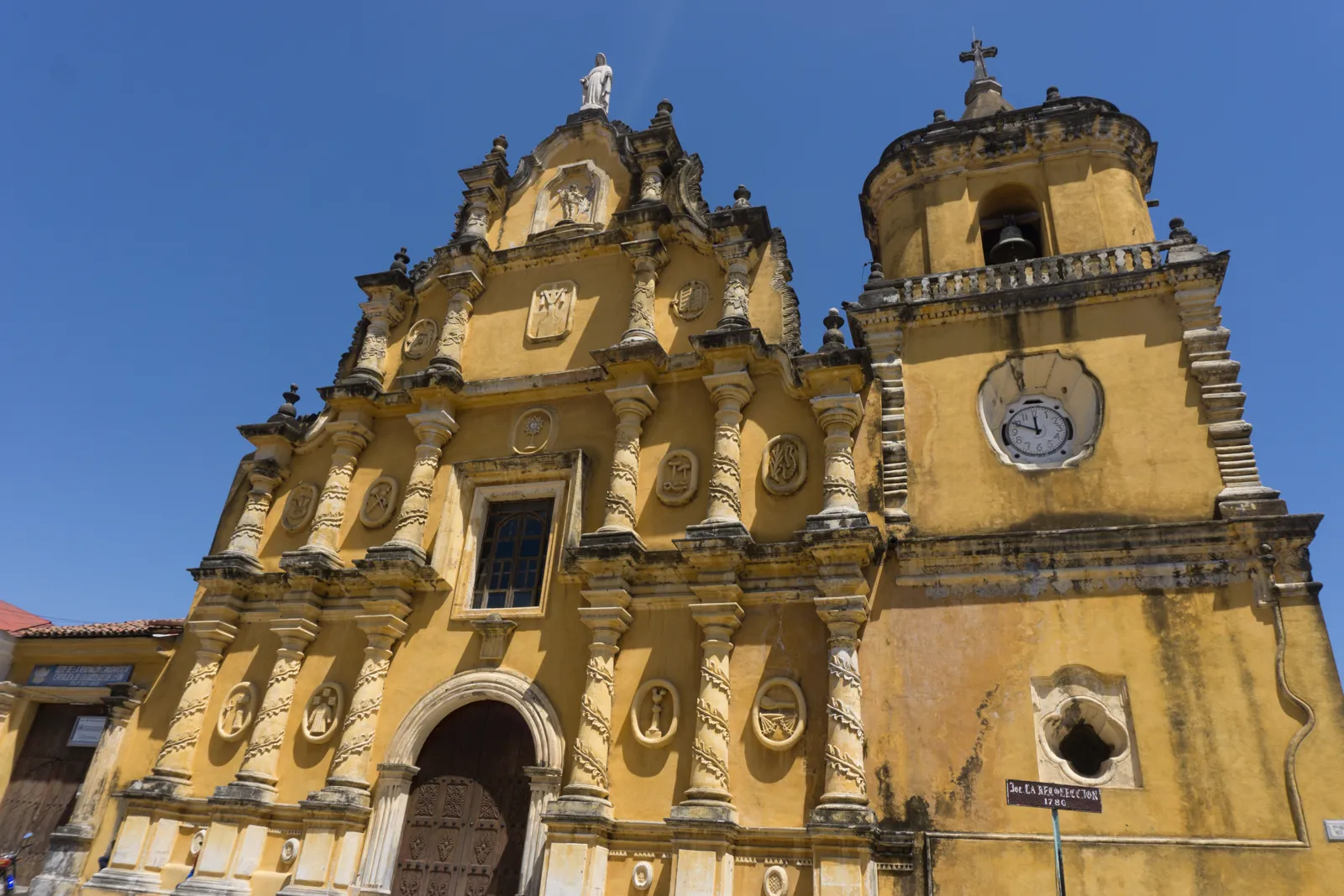
When is the best time to visit Nicaragua? The dry season, from December to April. On the Pacific coast, where Managua, Granada, León, Ometepe Island and the San Juan del Sur beaches are located, only a few millimeters of rain fall each month. December and January are the most pleasant months; March and April are dry but very hot, up to 35 °C (95 °F) in the afternoon in Managua and more than 36 °C (97 °F) in the León plain.

Our travel deals for Nicaragua
Affiliate links: we earn a commission, at no extra cost to you.
 FlightsKiwi.comCompare flights and airline combinations to Nicaragua.Compare flights
- eSIMSailyAnother eSIM plan to compare: data, validity, network.See Saily plans


Safety and hazards to know about
- According to the UK FCDO (GOV.UK, updated 5 November 2026), the hurricane season normally runs from June to November.
- According to the UK FCDO (GOV.UK), several volcanoes in Nicaragua are active, and you should not hike on volcanoes without an experienced guide.
- Check your own government’s current travel advice for regional warnings before you book, and read it again just before departure.
The rainy season runs from May to November. The country has two faces: a volcanic Pacific side with a real dry season, and a Caribbean coast that is very wet almost all year. This guide relies on climate normals published by official weather services (Deutscher Wetterdienst, NOAA, Hong Kong Observatory).
When to go to Nicaragua at a glance
- Best time December to April (dry season)
- Most balanced months December to February, dry and a little less hot (31 to 33 °C (88 to 91 °F) in the afternoon in Managua)
- Hottest months March to May, with 34 to 35 °C (93 to 95 °F) in Managua and more than 36 °C (97 °F) in Chinandega
- Rainy season May to November, with a peak in September–October (245 mm (9.6 in) and 282 mm (11.1 in) in Managua)
- Corn Islands and Caribbean coast rain almost all year; March and April are the driest months
- To plan for Holy Week (March or April), a national holiday period, and the year-end holidays
When to go to Nicaragua by priority
- Best weather: December to April on the Pacific, ideally mid-January to February; March–April for the Corn Islands
- Cheapest: May–June and November, in the rainy season
- Fewest crowds: May, June and November; September and October are quiet but the wettest, best avoided
- Events: Holy Week in March or April, Santo Domingo festivities in Managua in early August, Independence Day in September, La Purísima and the Gritería in early December
To compare with other destinations, see our picks for where to go in February.
Nicaragua: the calendar at a glance
✅ Best months: January, February, March, December
❌ Period to avoid: September, October
Climate and weather in Managua month by month
The table below gives the normals for Managua, representative of the Pacific lowlands where most itineraries are concentrated (Granada, Masaya, León, Lake Nicaragua). Other regions are detailed further down.
| Month | Avg. max | Avg. min | Rain | Crowds | Prices | Verdict |
|---|---|---|---|---|---|---|
| January | 31.8 °C (89 °F) | 21.2 °C (70 °F) | 1 mm (0.0 in) | High | High | ✅ Dry, clear skies, bearable heat |
| February | 32.9 °C (91 °F) | 21.5 °C (71 °F) | 2 mm (0.1 in) | High | High | ✅ Dry and sunny, ideal for volcanoes |
| March | 34.3 °C (94 °F) | 22.3 °C (72 °F) | 4 mm (0.2 in) | High (Holy Week in some years) | High | ✅ Dry but increasingly hot |
| April | 35.1 °C (95 °F) | 23.5 °C (74 °F) | 5 mm (0.2 in) | Moderate to high | Moderate to high | ⚠️ Hottest month, dry landscapes |
| May | 34.1 °C (93 °F) | 23.7 °C (75 °F) | 85 mm (3.3 in) | Low | Low | ⚠️ Rains arrive, heavy heat |
| June | 32.3 °C (90 °F) | 23.3 °C (74 °F) | 208 mm (8.2 in) | Low | Low | ⚠️ Frequent showers, green landscapes |
| July | 32.1 °C (90 °F) | 22.9 °C (73 °F) | 126 mm (5.0 in) | Moderate (summer holidays) | Moderate | ⚠️ Relative lull in the rains |
| August | 32.4 °C (90 °F) | 22.8 °C (73 °F) | 135 mm (5.3 in) | Moderate (summer holidays) | Moderate | ⚠️ Rainy, roads sometimes cut |
| September | 32.1 °C (90 °F) | 22.5 °C (73 °F) | 245 mm (9.6 in) | Low | Low | ❌ Very rainy, hurricane season |
| October | 31.6 °C (89 °F) | 22.2 °C (72 °F) | 282 mm (11.1 in) | Low | Low | ❌ Wettest month, landslides |
| November | 31.4 °C (89 °F) | 21.8 °C (71 °F) | 48 mm (1.9 in) | Moderate | Moderate | ⚠️ End of the rains, lush nature |
| December | 31.4 °C (89 °F) | 21.2 °C (70 °F) | 8 mm (0.3 in) | High (holidays) | High | ✅ Return of the dry season, Purísima festivities |
The contrast is very marked: from December to April, less than 10 mm (0.4 in) of rain falls a month in Managua, against nearly 250 to 280 mm (9.8 to 11.0 in) in September and October. Temperatures vary little: it is hot all year on the Pacific, and the heat peaks at the end of the dry season, just before the first rains.
The seasons in Nicaragua: pros and cons
Dry season (December to April): the best time
Locally called « verano » (summer), it is the ideal season for a first trip: clear skies over the volcanoes, roads in better condition, easier crossings to Ometepe Island. Landscapes turn yellow week by week and the heat rises: in Managua, the average high goes from 31.8 °C (89 °F) in January to 35.1 °C (95 °F) in April. Managua, Ometepe Island and the country’s volcanoes are shown on our map of Nicaragua.
- Pros: almost no rain on the Pacific, the best conditions for climbing volcanoes (Cerro Negro, Concepción, Mombacho), often calm seas
- Cons: strong heat in March–April, more visitors and higher prices at Christmas and Holy Week
- Our tip: from mid-January to February, the weather is dry, the heat stays bearable and the holiday crowds have gone
Rainy season (May to November): green and quiet
Called « invierno » (winter), it starts in May with afternoon or evening showers. Rains often ease in July–August, before peaking in September and October. Landscapes become very green and sites are less crowded. The country is also exposed to hurricanes during the Atlantic hurricane season, which according to the UK FCDO (GOV.UK) normally runs from June to November: follow the National Hurricane Center.
- Pros: lower prices, lush nature, often clear mornings, temperatures a little less crushing than in April
- Cons: floods and landslides, muddy tracks, more mosquitoes
- Who is it for? July–August travelers who keep a flexible itinerary; September and October are best avoided
When to go to Nicaragua by region
Comparison of the normals of five towns, from the Pacific to the Caribbean coast:
| Month | Managua | Chinandega (León plain) | Rivas (rain) | Bluefields | Puerto Cabezas |
|---|---|---|---|---|---|
| January | 31.8 °C (89 °F) / 1 mm (0.0 in) | 34.5 °C (94 °F) / 1 mm (0.0 in) | 8 mm (0.3 in) | 27.8 °C (82 °F) / 218 mm (8.6 in) | 29.7 °C (85 °F) / 148 mm (5.8 in) |
| February | 32.9 °C (91 °F) / 2 mm (0.1 in) | 35.4 °C (96 °F) / 0 mm (0.0 in) | 4 mm (0.2 in) | 28.4 °C (83 °F) / 114 mm (4.5 in) | 29.7 °C (85 °F) / 83 mm (3.3 in) |
| March | 34.3 °C (94 °F) / 4 mm (0.2 in) | 36.1 °C (97 °F) / 7 mm (0.3 in) | 3 mm (0.1 in) | 29.0 °C (84 °F) / 71 mm (2.8 in) | 30.5 °C (87 °F) / 48 mm (1.9 in) |
| April | 35.1 °C (95 °F) / 5 mm (0.2 in) | 36.4 °C (98 °F) / 14 mm (0.6 in) | 10 mm (0.4 in) | 29.8 °C (86 °F) / 101 mm (4.0 in) | 31.3 °C (88 °F) / 54 mm (2.1 in) |
| May | 34.1 °C (93 °F) / 85 mm (3.3 in) | 34.2 °C (94 °F) / 309 mm (12.2 in) | 172 mm (6.8 in) | 29.9 °C (86 °F) / 264 mm (10.4 in) | 31.8 °C (89 °F) / 183 mm (7.2 in) |
| June | 32.3 °C (90 °F) / 208 mm (8.2 in) | 32.6 °C (91 °F) / 313 mm (12.3 in) | 225 mm (8.9 in) | 28.9 °C (84 °F) / 581 mm (22.9 in) | 31.4 °C (89 °F) / 378 mm (14.9 in) |
| July | 32.1 °C (90 °F) / 126 mm (5.0 in) | 33.4 °C (92 °F) / 193 mm (7.6 in) | 151 mm (5.9 in) | 28.1 °C (83 °F) / 828 mm (32.6 in) | 30.8 °C (87 °F) / 414 mm (16.3 in) |
| August | 32.4 °C (90 °F) / 135 mm (5.3 in) | 33.2 °C (92 °F) / 271 mm (10.7 in) | 181 mm (7.1 in) | 28.5 °C (83 °F) / 638 mm (25.1 in) | 31.2 °C (88 °F) / 370 mm (14.6 in) |
| September | 32.1 °C (90 °F) / 245 mm (9.6 in) | 31.9 °C (89 °F) / 404 mm (15.9 in) | 265 mm (10.4 in) | 29.1 °C (84 °F) / 383 mm (15.1 in) | 31.2 °C (88 °F) / 303 mm (11.9 in) |
| October | 31.6 °C (89 °F) / 282 mm (11.1 in) | 31.9 °C (89 °F) / 330 mm (13.0 in) | 209 mm (8.2 in) | 28.8 °C (84 °F) / 418 mm (16.5 in) | 31.6 °C (89 °F) / 338 mm (13.3 in) |
| November | 31.4 °C (89 °F) / 48 mm (1.9 in) | 32.4 °C (90 °F) / 63 mm (2.5 in) | 87 mm (3.4 in) | 28.4 °C (83 °F) / 376 mm (14.8 in) | 30.8 °C (87 °F) / 278 mm (10.9 in) |
| December | 31.4 °C (89 °F) / 8 mm (0.3 in) | 33.4 °C (92 °F) / 84 mm (3.3 in) | 30 mm (1.2 in) | 28.0 °C (82 °F) / 328 mm (12.9 in) | 29.7 °C (85 °F) / 202 mm (8.0 in) |
Managua, Granada and Masaya
The country’s tourist heartland lies between Lake Managua and Lake Nicaragua, at low altitude. It is hot all year (31 to 35 °C (88 to 95 °F) in the afternoon) and the dry season is very clear: aim for December to April. In Granada, mornings and late afternoons are the best times to walk around the colonial center. Masaya Volcano and Mombacho are also easier to visit in dry weather.
León and the volcanic northwest
The León and Chinandega plain is the hottest part of the country: Chinandega’s normals exceed 36 °C (97 °F) in the afternoon in March and April, and rains are heavy from May to October (more than 400 mm (15.7 in) in September). The best months for Cerro Negro volcano and the Maribios range are December to February, when the heat is slightly more bearable. As noted above, do not hike on volcanoes without an experienced guide.
San Juan del Sur, Rivas and Ometepe Island
The southwest, between Lake Nicaragua and the Pacific Ocean, follows the same rhythm as Managua: almost dry from December to April (less than 10 mm (0.4 in) a month in Rivas from January to April), then rainy from May to October, with a peak in September (265 mm (10.4 in)). For the beach, hiking on Ometepe and the lake crossing, aim for December to April. Surfers often look for the rainy season, known for stronger swell on the Pacific.
The northern highlands (Matagalpa, Estelí)
Higher up, the coffee-growing region is cooler than the Pacific. Official weather services do not publish easily accessible normals for these towns: simply note that the dry season broadly follows the same calendar, from December to April, and that the coffee harvest takes place during this period.
Corn Islands, Bluefields and the Caribbean coast
The Caribbean coast is another climatic world: in Bluefields, more than 70 mm (2.8 in) falls even in the driest month, and more than 800 mm (31.5 in) in July. The least rainy months are March and April, which makes them the best period for the Corn Islands. Further north, Puerto Cabezas follows a similar rhythm, slightly less wet. The region is exposed to hurricanes during the hurricane season (normally June to November, according to the UK FCDO).
Region-by-region summary: the right month depending on the part of the country you are visiting.
| Month | Pacific (Managua, Granada, Ometepe) | León and the northwest | Caribbean coast (Corn Islands) |
|---|---|---|---|
| January | ✅ Dry | ✅ Dry | ⚠️ Rainy |
| February | ✅ Dry, ideal for volcanoes | ✅ Dry | ⚠️ Rainy |
| March | ✅ Dry, hotter | ⚠️ Very hot (36 °C (97 °F)) | ✅ Least rain |
| April | ⚠️ The hottest | ⚠️ Very hot (36 °C (97 °F)) | ✅ Least rain |
| May | ⚠️ Rains arrive | ⚠️ Heavy rain | ⚠️ Rains return |
| June | ⚠️ Frequent showers | ⚠️ Heavy rain | ❌ Very rainy |
| July | ⚠️ Relative lull | ⚠️ Rain | ❌ The wettest |
| August | ⚠️ Rainy | ⚠️ Rain | ❌ Very rainy |
| September | ❌ Very rainy | ❌ More than 400 mm (15.7 in) | ❌ Rain, hurricanes |
| October | ❌ The wettest | ❌ Very rainy | ❌ Rain, hurricanes |
| November | ⚠️ End of the rains | ⚠️ End of the rains | ⚠️ Rainy |
| December | ✅ Return of the dry season | ✅ Return of the dry season | ⚠️ Rainy |
✅ favorable conditions, ⚠️ possible with reservations, ❌ avoid. Summary based on the normals cited on this page and the regional advice above.
When to go to Nicaragua by trip type
| Your trip | Best time | Where? |
|---|---|---|
| First trip (Granada, León, Ometepe) | December to April, ideally January–February | Pacific and Lake Nicaragua |
| Climbing volcanoes | December to February (less hot) | Cerro Negro, Concepción, Telica, Mombacho |
| Pacific beaches | December to April | San Juan del Sur and surroundings |
| Surfing | April to October, depending on your level and the swell | Southwest Pacific coast |
| Corn Islands | March and April | Big Corn and Little Corn |
| Coffee and mountain hiking | December to April | Matagalpa, Jinotega, Estelí |
| Budget | May to June and November | Pacific |
| July–August trip | July–August, with a flexible itinerary | Granada, León, Ometepe |
Major events to plan your trip around
| Period | Event | Location |
|---|---|---|
| March or April (dates vary) | Holy Week: processions and mass departures for the beaches | Across the country |
| Early August | Santo Domingo patron saint festivities | Managua |
| September | Independence Day | Across the country |
| Early December | La Purísima and the « Gritería », in honor of the Virgin Mary | Across the country, particularly León |
| December | Year-end holidays | Across the country |
Nicaragua month by month
January: Full dry season: 1 mm (0.0 in) of rain on average in Managua, 31.8 °C (89 °F) in the afternoon. Clear skies for the volcanoes. A very good month, but crowded early in the month.
February: One of the best months: dry (2 mm (0.1 in)) and still bearable (32.9 °C (91 °F)). Ideal conditions for Ometepe and Cerro Negro.
March: Dry and hotter (34.3 °C (94 °F)). Holy Week in some years: beaches and accommodation in high demand.
April: The hottest month (35.1 °C (95 °F) in Managua, more than 36 °C (97 °F) in the León plain). Still dry. Along with March, the least rainy on the Caribbean coast.
May: Rains arrive (85 mm (3.3 in)), heavy heat. Prices falling and few visitors.
June: The rains settle in (208 mm (8.2 in)). Green landscapes; very heavy rain on the Caribbean coast.
July: A relative lull in the rains on the Pacific (126 mm (5.0 in)). It is, however, the wettest month in Bluefields (828 mm (32.6 in)).
August: Rainy (135 mm (5.3 in)) but often workable with a flexible itinerary. Santo Domingo festivities in Managua.
September: Very rainy (245 mm (9.6 in)) and the heart of the hurricane season. Independence Day in September.
October: The wettest month in Managua (282 mm (11.1 in)). Floods and landslides more frequent: best avoided.
November: End of the rains on the Pacific (48 mm (1.9 in)). Very green nature, few visitors: a good transition month.
December: Return of the dry season (8 mm (0.3 in)), Purísima and Gritería in early December. Crowds rising at Christmas.
When to book your trip to Nicaragua
For Christmas, New Year and Holy Week, book your accommodation 3 to 4 months ahead, especially in San Juan del Sur, Granada and on Ometepe. For the rest of the dry season, 2 to 3 months is generally enough. In the rainy season, you will often find space a few weeks before.
Planning your trip to Nicaragua
- Entry requirements: see our page with the entry requirements for Nicaragua, and check the current rules for your nationality before you book.
- Safety: check your government’s current travel advice for Nicaragua before you leave, and read the safety and hazard points at the top of this page.
- Currency: use our currency converter to estimate your budget.
To go further, see our complete Nicaragua travel guide. Combining with a neighboring country? See when to go to Costa Rica or when to go to Guatemala.
Also worth reading: when to go to Panama and when to go to Belize, to compare with other Central American countries.
Frequently asked questions
What is the best month to visit Nicaragua?
January and February are the most balanced months: dry (1 to 2 mm (0.0 to 0.1 in) of rain in Managua) and a little less hot than March–April. December, March and April are also in the dry season, with more heat at the end of the season and strong demand at Holy Week.
When is the rainy season in Nicaragua?
From May to November on the Pacific coast, with a peak in September and October (245 mm (9.6 in) and 282 mm (11.1 in) in Managua). On the Caribbean coast, it rains for much of the year.
Can you visit Nicaragua in July or August?
Yes, it is the rainy season, but there is often a relative lull in July–August on the Pacific (126 to 135 mm (5.0 to 5.3 in) a month in Managua). Keep a flexible itinerary and avoid remote areas in bad weather.
When should you go to the Corn Islands?
In March and April, the least rainy months on the Caribbean coast (71 mm (2.8 in) and 101 mm (4.0 in) in Bluefields, against more than 800 mm (31.5 in) in July). The region is exposed to hurricanes during the hurricane season.
Is Nicaragua very hot?
Yes on the Pacific coast: from 31 to 35 °C (88 to 95 °F) in the afternoon in Managua depending on the month, and more than 36 °C (97 °F) in March–April in the León plain. The northern highlands are cooler.
When should you not go to Nicaragua?
September and October are the rainiest months and the most exposed to bad weather and hurricanes. April is very hot, and Holy Week requires booking early.
What is the weather like in Nicaragua in August?
It is the rainy season: 135 mm (5.3 in) on average in Managua, with 32.4 °C (90 °F) in the afternoon and 22.8 °C (73 °F) at night. Travel is often workable with a flexible itinerary, but some roads may be cut. September and October are much wetter.
What is the climate of Nicaragua?
Tropical and hot all year: 31 to 35 °C (88 to 95 °F) in the afternoon in Managua. The dry season runs from December to April on the Pacific, the rainy season from May to November, with a peak in September–October. The Caribbean coast is much wetter.
Our sources
- 1991–2020 normals for Managua (Augusto C. Sandino airport) published by the Deutscher Wetterdienst (German Weather Service); 1971–1990 normals for Chinandega published by NOAA; normals for Rivas, Bluefields and Puerto Cabezas published by the Hong Kong Observatory
- Hurricane season and volcano safety information read on 11 November 2026: UK FCDO, foreign travel advice for Nicaragua (GOV.UK, updated 5 November 2026)
- Our methodology
Updated November 2026.