The best time to visit Patagonia runs from November to March, during the southern summer. Days are long, the trails around El Chaltén and Tierra del Fuego are open and boat excursions run. December to February is peak season; November and March offer a good compromise between weather, crowds and prices. From April to September it is cold and some services close, except for skiing and whale watching on the Atlantic coast.
The seasons are the reverse of those in the Northern Hemisphere. Argentine Patagonia stretches from the Bariloche lakes to Tierra del Fuego, and from the Andes to the Atlantic: the climate varies with latitude, altitude and exposure to the westerly wind. This guide relies on the official climate normals of the Servicio Meteorológico Nacional (SMN), the Argentine weather service.

Our travel deals for Patagonia
Affiliate links: we earn a commission, at no extra cost to you.
 FlightsKiwi.comCompare flights and airline combinations to Patagonia.Compare flights
- eSIMSailyAnother eSIM plan to compare: data, validity, network.See Saily plans


When to go to Patagonia at a glance
- Best time November to March, for hiking, glaciers and Tierra del Fuego
- Best compromise November and March (fewer people, gentler prices, days still long)
- Peak season late December to February (Argentine summer holidays): book early
- Wind strong in every season, often more pronounced in the southern spring and summer
- Winter (June to August) cold, frost at night in El Calafate, skiing at Bariloche and near Ushuaia
- Atlantic coast (Puerto Madryn, Valdés) its own calendar, tied to wildlife (whales, penguins)
When to go to Patagonia by priority
- Best weather: November to March, during the southern summer; December to February for El Chaltén and Tierra del Fuego
- Cheapest: May to September (low prices), but it is cold and many services close; November and March offer gentler in-season prices
- Fewest crowds: November and March; avoid late December to February (Argentine summer holidays) and Holy Week
- Events: Antarctic cruise season from Ushuaia (roughly November to March); skiing at Bariloche and near Ushuaia from July to September; southern right whales at Península Valdés in winter and southern spring (check dates)
Patagonia: the calendar at a glance
✅ Best months: January, February, March, November, December
❌ Period to avoid: may, June, July, August
Patagonia weather month by month
The table gives the normals for El Calafate, gateway to the Perito Moreno Glacier and El Chaltén. The town is dry, sheltered by the Andes: it rains very little, but the wind often blows hard. Closer to the glaciers and peaks, it rains and snows much more.
| Month | Avg. max | Avg. min | Rain | Crowds | Prices | Verdict |
|---|---|---|---|---|---|---|
| January | 19.1 °C (66 °F) | 7.2 °C (45 °F) | 7 mm (0.3 in) | Very high | Very high | ✅ Midsummer, very long days |
| February | 19.2 °C (67 °F) | 6.8 °C (44 °F) | 14 mm (0.6 in) | Very high | Very high | ✅ Midsummer, trails open |
| March | 16.6 °C (62 °F) | 4.7 °C (40 °F) | 17 mm (0.7 in) | Moderate | Moderate | ✅ Autumn colors, fewer people |
| April | 12.9 °C (55 °F) | 1.1 °C (34 °F) | 20 mm (0.8 in) | Low (Holy Week) | Moderate → low | ⚠️ Cool, closures begin |
| May | 8.7 °C (48 °F) | −1.7 °C (29 °F) | 20 mm (0.8 in) | Very low | Low | ❌ Cold, many services closed |
| June | 5.5 °C (42 °F) | −3.7 °C (25 °F) | 15 mm (0.6 in) | Very low | Low | ❌ Winter, night frost, short days |
| July | 5.2 °C (41 °F) | −4.4 °C (24 °F) | 14 mm (0.6 in) | Low (winter holidays) | Low to moderate | ❌ Coldest month, skiing only |
| August | 6.9 °C (44 °F) | −2.8 °C (27 °F) | 14 mm (0.6 in) | Very low | Low | ❌ Winter, snowy trails |
| September | 11.1 °C (52 °F) | −0.8 °C (31 °F) | 11 mm (0.4 in) | Low | Low | ⚠️ End of winter, gradual reopenings |
| October | 13.5 °C (56 °F) | 1.3 °C (34 °F) | 14 mm (0.6 in) | Low to moderate | Moderate | ⚠️ Spring, wind, cool nights |
| November | 15.8 °C (60 °F) | 4.0 °C (39 °F) | 7 mm (0.3 in) | Moderate | Moderate | ✅ Season under way, good compromise |
| December | 17.9 °C (64 °F) | 6.2 °C (43 °F) | 10 mm (0.4 in) | High (holidays) | High | ✅ Summer, high season |
These figures are averages: in Patagonia the weather changes fast, and it can be 5 °C (41 °F) in the rain on a January day. The very frequent wind accentuates the feeling of cold. Pack layers, a waterproof windbreaker and a hat in every season.
Patagonia’s seasons
Southern summer (December to February): peak season
This is the safest time for hiking: around 19 °C (66 °F) in the afternoon in El Calafate, about 13.6 °C (56 °F) in Ushuaia, and days that stretch late into the evening. Boats on Lake Argentino and the Beagle Channel run at full capacity, and Antarctic cruises leave from Ushuaia.
- Pros: trails and refuges open, glacier excursions, long days, all connections running
- Cons: prices at their highest, fully booked accommodation in El Chaltén and El Calafate, often very strong wind, busy trails
Southern autumn (March to May): the colors
In March, temperatures remain decent (16.6 °C (62 °F) average high in El Calafate) and crowds thin out. In April, the lenga forests turn red and orange around El Chaltén and Ushuaia, but nights approach 0 °C (32 °F). In May, winter sets in and many accommodations close.
- Pros: autumn landscapes, fewer people, falling prices
- Cons: days shortening quickly, reduced boat schedules, end-of-season closures
Southern winter (June to August): cold and skiing
Average minimums fall below 0 °C (32 °F) in El Calafate from May to September (−4.4 °C (24 °F) in July), and the maximum barely exceeds 5 °C (41 °F). The Perito Moreno Glacier remains open to visitors, but much of El Chaltén closes. It is ski season at Cerro Catedral (Bariloche) and near Ushuaia. Bariloche receives most of its precipitation in winter (168 mm (6.6 in) in June).
- Pros: snowy landscapes, skiing, very few visitors around the glaciers
- Cons: short days, sometimes icy roads, limited hikes, reduced services
Southern spring (September to November): the awakening
Services reopen gradually in October and the season is well under way in November. The wind is often strong at this time. On the Atlantic coast, spring is an interesting time for the wildlife of Península Valdés.
- Pros: moderate prices, trails still quiet in November, lengthening days
- Cons: unsettled weather, possible snow at altitude early in the season, not all services open in September–October
When to go to Patagonia by region
Comparison of the normals for five stations, from northern Patagonia to the Strait of Magellan (average maximum temperature / rainfall):
| Month | Bariloche (lakes) | Trelew (coast, near Puerto Madryn) | El Calafate (glaciers) | Ushuaia (Tierra del Fuego) | Punta Arenas (Chile) |
|---|---|---|---|---|---|
| January | 23.2 °C (74 °F) / 24 mm (0.9 in) | 29.3 °C (85 °F) / 12 mm (0.5 in) | 19.1 °C (66 °F) / 7 mm (0.3 in) | 13.6 °C (56 °F) / 45 mm (1.8 in) | 16.3 °C (61 °F) / 38 mm (1.5 in) |
| March | 20.1 °C (68 °F) / 29 mm (1.1 in) | 25.4 °C (78 °F) / 21 mm (0.8 in) | 16.6 °C (62 °F) / 17 mm (0.7 in) | 12.2 °C (54 °F) / 38 mm (1.5 in) | 15.4 °C (60 °F) / 43 mm (1.7 in) |
| May | 10.6 °C (51 °F) / 114 mm (4.5 in) | 16.1 °C (61 °F) / 23 mm (0.9 in) | 8.7 °C (48 °F) / 20 mm (0.8 in) | 6.9 °C (44 °F) / 35 mm (1.4 in) | 8.8 °C (48 °F) / 37 mm (1.5 in) |
| July | 6.7 °C (44 °F) / 126 mm (5.0 in) | 12.4 °C (54 °F) / 17 mm (0.7 in) | 5.2 °C (41 °F) / 14 mm (0.6 in) | 4.6 °C (40 °F) / 36 mm (1.4 in) | 4.9 °C (41 °F) / 31 mm (1.2 in) |
| September | 11.6 °C (53 °F) / 55 mm (2.2 in) | 17.6 °C (64 °F) / 15 mm (0.6 in) | 11.1 °C (52 °F) / 11 mm (0.4 in) | 7.6 °C (46 °F) / 31 mm (1.2 in) | 10.2 °C (50 °F) / 25 mm (1.0 in) |
| November | 17.9 °C (64 °F) / 30 mm (1.2 in) | 24.8 °C (77 °F) / 13 mm (0.5 in) | 15.8 °C (60 °F) / 7 mm (0.3 in) | 11.5 °C (53 °F) / 39 mm (1.5 in) | 14.2 °C (58 °F) / 23 mm (0.9 in) |
Bariloche and the Lake District
Northern Andean Patagonia is the mildest in summer (23 °C (73 °F) in the afternoon in January) and the wettest in winter, often as snow at altitude. December to March for hiking and the Seven Lakes road, July to September for skiing. The Argentine winter holidays, in July, draw many people there.
Atlantic coast: Puerto Madryn and Península Valdés
The coast is dry (less than 30 mm (1.2 in) per month at Trelew) and warmer in summer, with an average high of nearly 29 °C (84 °F) in January. The calendar is set mainly by wildlife: southern right whales in winter and southern spring, Magellanic penguins during the southern summer. Dates vary by year and species: check with the Chubut province tourism office or with operators before fixing your trip.
El Calafate and El Chaltén
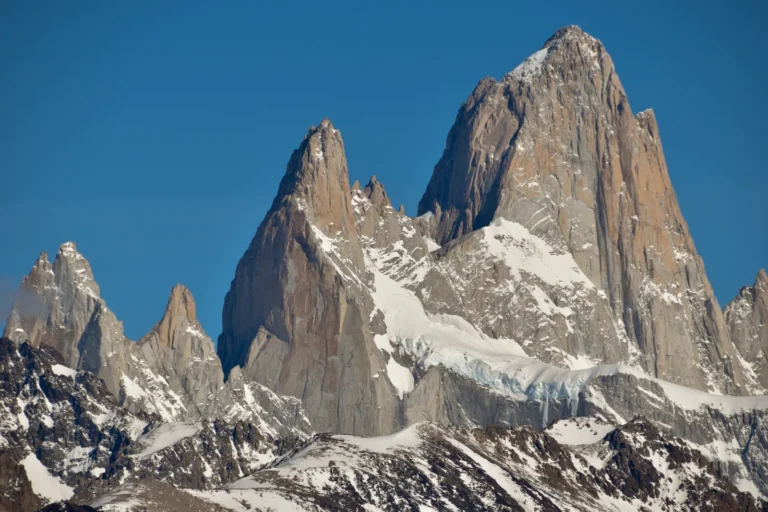
November to March. El Calafate is dry and windy; El Chaltén, at the foot of Fitz Roy, gets more rain and cloud. Allow spare days: the summit of Fitz Roy can stay hidden for several days in a row. In winter, most of El Chaltén closes.
Ushuaia and Tierra del Fuego
The climate there is cool and damp all year: the average high does not exceed 14 °C (57 °F), even in January, and it rains or snows a little every month (30 to 47 mm (1.2 to 1.9 in)). December to March for Tierra del Fuego National Park and the Beagle Channel; winter is for skiing and snow activities.
Chilean Patagonia
On the Chilean side, Punta Arenas has a climate close to Ushuaia’s (16.3 °C (61 °F) in January, 4.9 °C (41 °F) in July). Torres del Paine National Park, a few hours’ drive from El Calafate, follows the same rhythm: November to March. For this side of the border, see our page on when to go to Chile.
Region-by-region summary: the right month depending on the part of Patagonia you are targeting.
| Month | Bariloche and the lakes | El Calafate and El Chaltén | Ushuaia and Tierra del Fuego |
|---|---|---|---|
| January | ✅ Hiking | ✅ Midsummer | ✅ Southern summer |
| February | ✅ Hiking | ✅ Trails open | ✅ Southern summer |
| March | ✅ Hiking | ✅ Fewer people | ✅ End of season |
| April | ⚠️ Autumn, cool | ⚠️ Colors, first closures | ⚠️ Autumn, chilly |
| May | ⚠️ Wet, shoulder season | ❌ Cold, closures | ❌ Cold |
| June | ⚠️ Wet winter | ❌ Winter | ❌ Winter, short days |
| July | ✅ Skiing (winter holidays) | ❌ Coldest | ⚠️ Skiing |
| August | ✅ Skiing | ❌ Snowy trails | ⚠️ Skiing |
| September | ✅ Skiing | ⚠️ Gradual reopenings | ⚠️ Skiing, end of winter |
| October | ⚠️ Shoulder season | ⚠️ Windy spring | ⚠️ Cool spring |
| November | ⚠️ Spring | ✅ Good compromise | ⚠️ Start of the season |
| December | ✅ Hiking | ✅ High season | ✅ Southern summer |
✅ favorable conditions, ⚠️ possible with caveats, ❌ to avoid. Summary based on the normals cited on this page and the regional advice above.
When to go to Patagonia by trip type
| Trip | Best time | Where |
|---|---|---|
| Hiking (Fitz Roy, Cerro Torre) | December to March | El Chaltén |
| Perito Moreno Glacier | November to April (open year-round) | El Calafate |
| Torres del Paine (Chile) | November to March | Puerto Natales |
| Tierra del Fuego and the Beagle Channel | December to March | Ushuaia |
| Southern right whales | Winter and southern spring (check dates) | Península Valdés |
| Skiing | July to September | Bariloche, Ushuaia |
| Autumn colors | Late March–April | El Chaltén, Ushuaia, Bariloche |
| Fewer crowds, gentler prices | November and March | All of Andean Patagonia |
Events and periods to know
| Period | Event | Impact |
|---|---|---|
| Late December–February | Argentine summer holidays | Heavy crowds, high prices |
| March or April | Holy Week (movable date) | Booking peak over a few days |
| July | Argentine winter holidays | Crowds at ski areas, especially Bariloche |
| Roughly November to March | Antarctic cruise season | Ushuaia in high demand |
Patagonia month by month
January: Heart of summer: 19.1 °C (66 °F) in the afternoon in El Calafate, 13.6 °C (56 °F) in Ushuaia. Trails open, crowds and prices at their highest.
February: Still summer, with slightly fewer people at the end of the month. Excellent for El Chaltén and Tierra del Fuego.
March: One of the best months for the weather/crowds balance: 16.6 °C (62 °F) in El Calafate, first autumn colors.
April: Red and orange forests, but nights close to 0 °C (32 °F). Some services close at the end of the month. Beware of Holy Week.
May: Winter arrives: night frost in El Calafate (−1.7 °C (29 °F) average minimum), many closures.
June: Winter, short days. Perito Moreno Glacier open to visitors, El Chaltén largely closed.
July: The coldest month (−4.4 °C (24 °F) average minimum in El Calafate). Skiing at Bariloche and near Ushuaia, Argentine winter holidays.
August: Still winter, few visitors. A good time for skiing.
September: End of winter, gradual reopenings. Atlantic coast interesting for wildlife.
October: Windy, cool spring. The season restarts in El Calafate and El Chaltén.
November: Season under way, still few crowds: a very good month, with gentler prices than in January.
December: Start of high season and long days. Book early for the holidays.
When to book your trip to Patagonia
For December to February, book 4 to 6 months ahead: the accommodation in El Chaltén, El Calafate and Ushuaia is limited, and domestic flights from Buenos Aires fill up fast. For Torres del Paine, the park’s refuges and campsites often go several months ahead. In November or March, 2 to 3 months is usually enough.
Planning your trip to Patagonia
- Entry requirements: rules depend on your nationality; see the entry requirements for Argentina and the entry requirements for Chile before you travel.
- Time difference: see our time difference guide for Argentina to compare it with your home city.
- Currency: Argentine peso (ARS); Chilean peso (CLP) on the Chilean side. Prices change quickly in Argentina: our currency converter helps estimate your budget.
- Health and mountains: the U.S. Department of State (travel.state.gov, last updated July 16, 2026) strongly discourages hiking alone or separating from your group on a trail in Argentina, advises hiking in groups and following the advice of park rangers and search and rescue teams. See also our list of what to pack for clothing suited to wind and cold.
Frequently asked questions
What is the best month to visit Patagonia?
January and February offer the most favorable weather, but also the most people. November and March are the best compromises: trails open, long days, fewer crowds and gentler prices.
Can you visit Patagonia in winter?
Yes, for skiing at Bariloche or near Ushuaia, or to see the Perito Moreno Glacier without the crowds. However, it freezes at night in El Calafate, days are short and much of El Chaltén closes.
Is Patagonia cold in summer?
Cool rather than cold: about 19 °C (66 °F) in the afternoon in El Calafate in January and 13.6 °C (56 °F) in Ushuaia, with nights between 5 to 7 °C (41 to 45 °F). Wind and rain quickly lower the felt temperature.
When can you see whales in Patagonia?
Southern right whales visit Península Valdés during the southern winter and spring. Exact dates vary from year to year: check them with the Chubut tourism authorities or local operators.
When should you visit Chilean Patagonia?
As on the Argentine side, from November to March. Punta Arenas has normals close to Ushuaia’s, and Torres del Paine National Park is most accessible during the southern summer.
Is Patagonia windy all year?
Yes, the westerly wind blows frequently, with strong gusts especially in spring and summer. Pack a windbreaker and leave room in your itinerary for canceled excursions.
Our sources
- Servicio Meteorológico Nacional (SMN, Argentina): 1991–2020 normals for the El Calafate (airport), Ushuaia (airport), Trelew and San Carlos de Bariloche stations
- Dirección Meteorológica de Chile: 1991–2020 normals for Punta Arenas
- Safety information read on 26 October 2026: U.S. Department of State, Argentina country information (travel.state.gov, last updated July 16, 2026)
- Our methodology
Updated November 2026.
To plan your trip on the ground, read our Patagonia travel guide. For the rest of the country, see when to go to Argentina, and to compare, where to go in November or where to go in February.