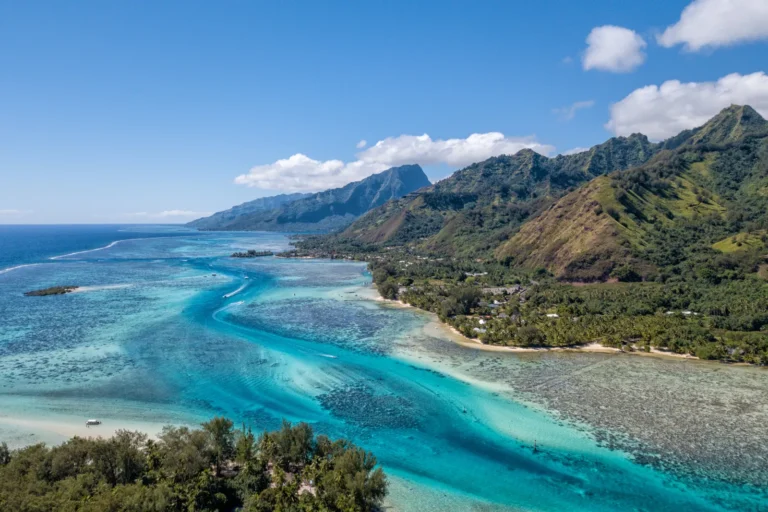
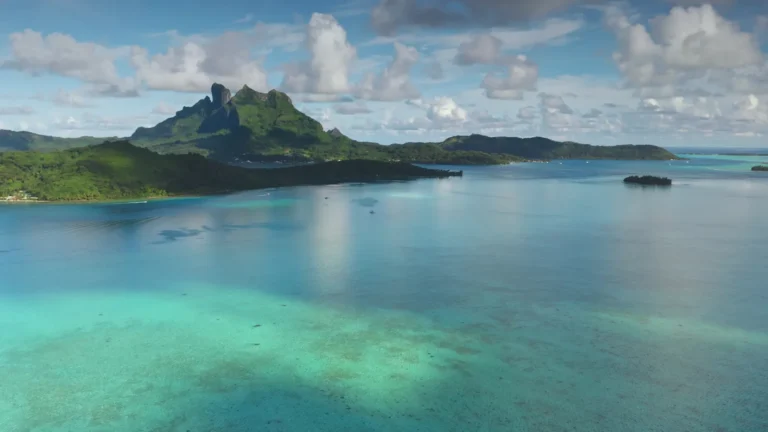
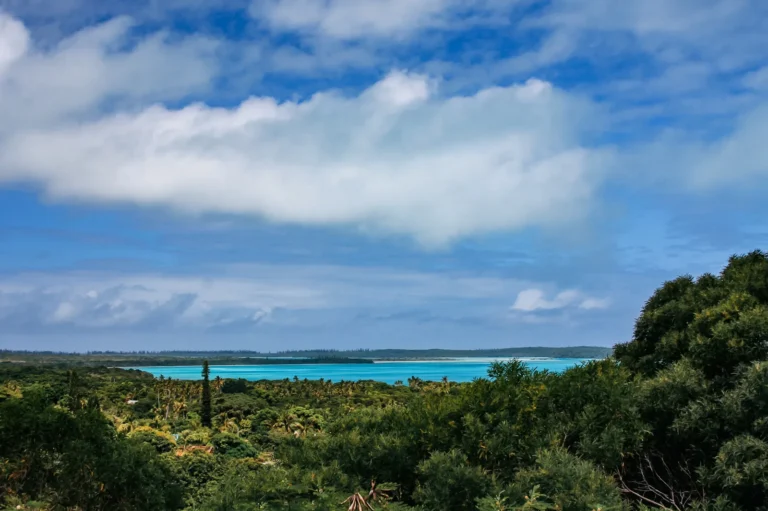
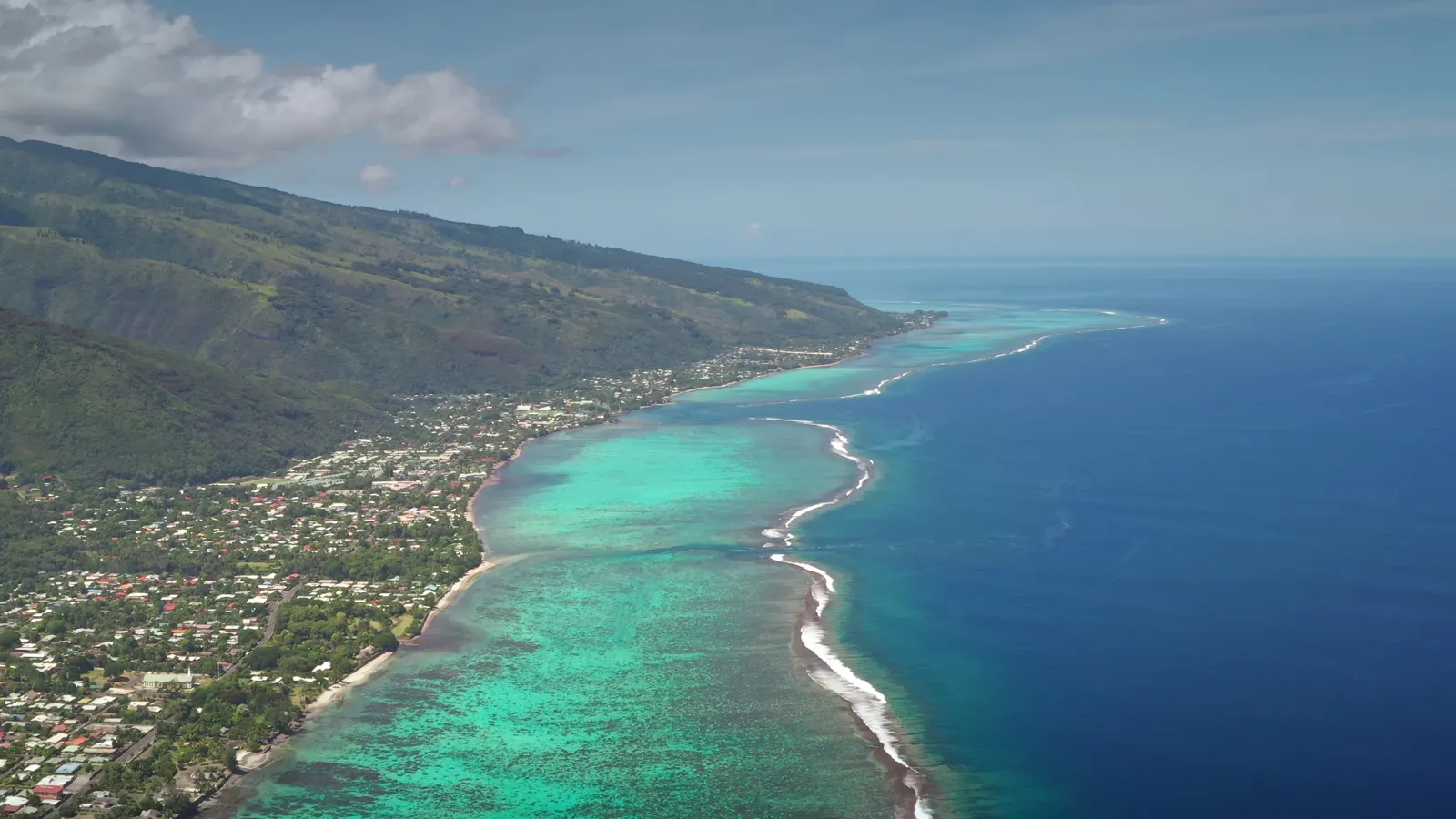
The best time to visit Tahiti is May to October, during the cooler, drier season; July, August and September are the least rainy months. It is warm all year (29 to 31 °C (84 to 88 °F) in the afternoon), but from November to April the warm season brings heavy showers and a risk of cyclones, higher in February. April, May, June and October offer a good compromise between weather, prices and crowds.
Tahiti is the largest island of French Polynesia and the gateway for all international flights, at Faa’a airport. Seasons are reversed compared with the Northern Hemisphere: the « austral winter », from May to October, is the best season. Here, it is not the temperature that changes from month to month, but the rain. Here is how to choose your month, based on the official Météo-France normals.

Our travel deals for Tahiti
Affiliate links: we earn a commission, at no extra cost to you.
 FlightsKiwi.comCompare flights and airline combinations to Tahiti.Compare flights
- eSIMSailyAnother eSIM plan to compare: data, validity, network.See Saily plans


When to go to Tahiti at a glance
- Best time May to October (cooler, drier season, no cyclones)
- Driest months July, August and September, about 41 mm (1.6 in) to 50 mm (2.0 in) of rain a month at Faa’a
- Wettest months December and January, about 270 mm (10.6 in) to 280 mm (11.0 in)
- Cyclones possible from November to April, highest risk in February according to Météo-France
- Humpback whales from July to about late October
- Heiva i Tahiti a major dance and singing festival, in July in Papeete
- Best value May, June, September and October, outside school holidays
When to go to Tahiti by priority
- Best weather: July to September, the driest months (41 mm (1.6 in) to 50 mm (2.0 in) at Faa’a); more broadly May to October
- Cheapest: February and March, accepting the rain and the cyclone risk, then May and November
- Fewest crowds: January to March; in the dry season, June and September
- Events: Heiva i Tahiti in July in Papeete, humpback whales from July to about late October, Hawaiki Nui Va’a in late October or November
- Other destinations: see our ideas for where to go in September
Tahiti: the calendar at a glance
✅ Best months: April, may, June, July, August, September, October
❌ Period to avoid: February

Climate in Tahiti month by month
| Month | Avg. max | Avg. min | Rain | Rainy days | Crowds | Prices | Verdict |
|---|---|---|---|---|---|---|---|
| January | 31.0 °C (88 °F) | 24.4 °C (76 °F) | 268 mm (10.6 in) | 13 | Moderate | Moderate | ⚠️ Very wet, cyclones possible |
| February | 31.1 °C (88 °F) | 24.5 °C (76 °F) | 244 mm (9.6 in) | 12 | Low | Low | ❌ Wet, highest cyclone risk |
| March | 31.5 °C (89 °F) | 24.7 °C (76 °F) | 166 mm (6.5 in) | 10 | Low | Low | ⚠️ Hot and humid, rain easing |
| April | 31.3 °C (88 °F) | 24.5 °C (76 °F) | 99 mm (3.9 in) | 8 | Moderate (Easter) | Moderate | ✅ Transition, rain clearly down |
| May | 30.4 °C (87 °F) | 23.6 °C (74 °F) | 104 mm (4.1 in) | 8 | Moderate | Moderate | ✅ Start of the cooler season |
| June | 29.6 °C (85 °F) | 22.6 °C (73 °F) | 74 mm (2.9 in) | 5 | Moderate | Moderate to high | ✅ Dry and sunny |
| July | 29.2 °C (85 °F) | 22.1 °C (72 °F) | 44 mm (1.7 in) | 4 | High (Heiva, holidays) | High | ✅ Very dry, Heiva, first whales |
| August | 29.0 °C (84 °F) | 21.9 °C (71 °F) | 41 mm (1.6 in) | 5 | High (holidays) | High | ✅ The driest month, whales |
| September | 29.3 °C (85 °F) | 22.3 °C (72 °F) | 50 mm (2.0 in) | 4 | Moderate | Moderate to high | ✅ Dry, whales, fewer people |
| October | 29.7 °C (85 °F) | 23.0 °C (73 °F) | 103 mm (4.1 in) | 7 | Moderate (holiday period) | Moderate to high | ✅ Pleasant, last whales |
| November | 30.4 °C (87 °F) | 23.9 °C (75 °F) | 105 mm (4.1 in) | 8 | Moderate | Moderate | ⚠️ Heat and showers return |
| December | 30.6 °C (87 °F) | 24.3 °C (76 °F) | 279 mm (11.0 in) | 14 | High (holidays) | High | ⚠️ The wettest month |
The temperature gap between the warmest month (March, 31.5 °C (89 °F) average maximum) and the coolest (August, 29 °C (84 °F)) is only 2.5 °C (37 °F). Rain, on the other hand, varies sixfold: 41 mm (1.6 in) in August against 279 mm (11.0 in) in December. Tropical showers are often short and followed by sunny spells, but they can be violent in the warm season.
These normals are measured at Faa’a, on the west coast, the most sheltered. Météo-France points out that high ground and coasts exposed to the trade wind receive markedly more rain: the east coast of Tahiti, the inland valleys and the Tahiti Iti peninsula are wetter. If you stay in Punaauia or Faa’a, you will generally get drier weather than on the Papenoo or Tiarei coast.
The seasons in Tahiti: pros and cons
Cool season (May to October): the best season
It is about 29 to 30 °C (84 to 86 °F) in the afternoon and 22 °C (72 °F) at night. The trade wind blows more steadily, the air is less heavy and it rains only 4 to 5 days a month from July to September at Faa’a. This is the season for hiking in the valleys, whale-watching outings and the Heiva festivities in July.
- Pros: dry weather, no cyclone risk, passable trails, whales from July to late October, Heiva
- Cons: high prices and crowds in July-August, stronger southern swell on the south coast, sometimes strong trade wind
- Our tip: June and September offer the best compromise between weather, prices and availability
Warm season (November to April): heat and showers
Highs reach 31 °C (88 °F), nights stay at 24 °C (75 °F) and humidity is high. It rains 12 to 14 days a month from December to February at Faa’a. This is also the period when tropical depressions and cyclones can affect French Polynesia, with maximum risk in February according to Météo-France. On the other hand, vegetation is lush, waterfalls are flowing and prices are softer, especially from February to March. The UK FCDO (GOV.UK, updated 10 December 2025) likewise says tropical storms including cyclones can happen from November to April.
- Pros: fewer people from January to March, lower prices, spectacular waterfalls, very warm sea
- Cons: heavy rain, slippery trails, cyclone risk, inter-island flights sometimes disrupted
- Who is it for? Flexible travelers; April is often a good transition month
When to go to Tahiti by area of the island
| Area | Highlights | Best time | Good to know |
|---|---|---|---|
| West coast (Faa’a, Punaauia, Paea) | Hotels, white-sand beaches, sunsets over Moorea | All year, ideally May to October | The driest coast |
| Papeete | Market, food trucks (roulottes), Heiva | July for the Heiva | Lively city, few beaches |
| East coast (Mahina, Papenoo, Tiarei) | Point Venus, waterfalls, blowhole | May to October | Wetter, sea often rough |
| Inland valleys (Papenoo, Fautaua) | Hiking, 4×4, waterfalls | June to September | Flash floods possible after heavy rain |
| Peninsula (Tahiti Iti, Teahupo’o) | Surfing, wild nature, Fenua Aihere | May to October | Southern swell from May to September, wetter |
The west coast and Papeete
This is the most sheltered part of the island, where the airport, most hotels and the white-sand beaches of Punaauia are concentrated. The weather here is the driest in Tahiti. Papeete can be visited all year; in July, the city lives to the rhythm of the Heiva.
The east coast and the valleys
Exposed to the trade wind, the east coast gets more rain, which explains its waterfalls and dense vegetation. For the Papenoo or Fautaua valleys, aim for June to September: after heavy rain, rivers rise quickly and ford crossings become dangerous.
The Tahiti Iti peninsula
Wilder and wetter, the peninsula is home to Teahupo’o, one of the most famous waves in the world, which hosted the surfing events of the Paris 2024 Olympic Games. The big southern swells arrive mostly during the austral winter: it is the season of competitions and spectacle, but not of easy swimming on this side.
When to go to Tahiti by trip type
| Your trip | Best time | Good to know |
|---|---|---|
| Beach and lagoon | May to October | West coast; combine with Moorea |
| Humpback whale watching | July to about late October | With an authorized operator, regulated distance |
| Polynesian culture | July (Heiva) | Shows in Papeete, book early |
| Surfing (spectator or experienced) | May to September for the big southern swells | Teahupo’o is reserved for very experienced surfers |
| Hiking and valleys | June to September | Guide advised, avoid after heavy rain |
| Honeymoon | May to June, September-October | Extend to Moorea and Bora Bora |
| Budget | February-March (risk of rain), May, November | Family guesthouses, food trucks |
Major events in Tahiti
| Period | Event | Good to know |
|---|---|---|
| July | Heiva i Tahiti | Dance and singing competitions, traditional sports, To’ata square in Papeete |
| July to about October | Humpback whale season | Boat outings governed by regulations |
| Austral winter (date varies) | Surfing competitions at Teahupo’o | Check dates every year |
| Late October or November (date varies) | Hawaiki Nui Va’a | Outrigger canoe race between the Leeward Islands, closely followed in Tahiti |
| Late December | Year-end holidays | Strong demand for flights and hotels |
Tahiti month by month: what to expect
Tahiti in January: Warm (31 °C (88 °F)) and very wet (268 mm (10.6 in), 13 rainy days at Faa’a), in the middle of cyclone season. Stay flexible.
Tahiti in February: The month when Météo-France observes the highest cyclone risk. Still 244 mm (9.6 in) of rain, but often the lowest prices.
Tahiti in March: The warmest month (31.5 °C (89 °F)). Rain eases (166 mm (6.5 in)), cyclones remain possible.
Tahiti in April: Transition: about 100 mm (3.9 in) of rain and 8 rainy days. End of the cyclone season, prices still moderate.
Tahiti in May: Start of the cooler season, 30 °C (86 °F) in the afternoon, skies more often clear. A very good month.
Tahiti in June: Dry (74 mm (2.9 in)) and sunny, with 5 rainy days. Crowds still reasonable before summer.
Tahiti in July: Very dry (44 mm (1.7 in)), 22 °C (72 °F) at night. Heiva in Papeete and first whales: book early.
Tahiti in August: The driest (41 mm (1.6 in)) and coolest (29 °C (84 °F)) month. School holiday period: prices at their highest.
Tahiti in September: Still very dry (50 mm (2.0 in)), whales well present, crowds falling. One of the best months.
Tahiti in October: Rain creeps up (103 mm (4.1 in)), but the weather stays pleasant. Last whales.
Tahiti in November: Start of the warm season: about 105 mm (4.1 in) and 8 rainy days. Cyclone risk stays low early in the season.
Tahiti in December: The wettest month (279 mm (11.0 in), 14 rainy days). Year-end holidays: expensive flights.
When to book your trip to Tahiti
For July-August and the year-end holidays, book your flights 6 months ahead or more: seats go quickly and the most in-demand guesthouses sell out. For the Heiva, also book show tickets as soon as they go on sale. Outside holidays, 3 to 4 months is generally enough. Tahiti is a long way from most origins, so allow for long travel times and a margin for connections. If you plan to continue to Moorea or Bora Bora, book ferries and inter-island flights at the same time. Inter-island flights to Bora Bora are best planned once you know the best time to visit Bora Bora, which is drier in some months.
Planning your trip to Tahiti
- Entry requirements: Tahiti is in French Polynesia, an overseas collectivity of France, and the local authorities set the entry rules, which depend on your nationality: see the entry requirements for French Polynesia in our country guide.
- Time difference: Tahiti is on UTC-10 and does not use daylight saving time: 10 hours behind London in winter and 11 in summer; 5 hours behind New York in winter and 6 in summer.
- Currency: the CFP franc (XPF), pegged to the euro at a fixed rate: 1,000 XPF is worth about 8.38 euros (roughly US$9.4 or £7.0 at the European Central Bank rates of 23 October 2026). Use our currency converter.
- Health: the UK FCDO (GOV.UK, updated 10 December 2025) lists dengue among the health risks in French Polynesia and says you need a yellow fever vaccination certificate if you are coming from a country listed as a transmission risk. Protect yourself from mosquitoes (repellent, long clothing in the evening). The sun is very strong all year.
To plan your stay, see our Tahiti guide. For the other islands and archipelagos (Bora Bora, Tuamotu, Marquesas), see when to go to French Polynesia and our French Polynesia guide.
Frequently asked questions
What is the best month to go to Tahiti?
June and September are excellent choices: dry weather, about 30 °C (86 °F) in the afternoon, moderate crowds, and whales in September. July and August are the driest, but also the most expensive.
What is the rainy season in Tahiti?
From November to April, during the warm season. December and January are the wettest, with about 270 mm (10.6 in) to 280 mm (11.0 in) of rain at Faa’a according to Météo-France normals.
Are there cyclones in Tahiti?
They are possible from November to April, with a higher risk in February. Tahiti is not among the most exposed areas of the Pacific, but follow Météo-France Polynésie bulletins if you travel in this season.
Is Tahiti hot in July?
Yes: about 29 °C (84 °F) in the afternoon and 22 °C (72 °F) at night at Faa’a. It is one of the driest months and the month of the Heiva, but also peak season.
When can you see whales in Tahiti?
From July to about late October, when humpback whales come to breed in Polynesian waters. Use an authorized operator who respects approach distances.
What is the cheapest time to go to Tahiti?
February and March, accepting the risk of rain and cyclones, then May and November. School holiday periods and the year-end holidays are the most expensive.
Our sources
- Météo-France: 1991-2020 normals for the Faa’a station (Tahiti airport); description of the seasons and cyclone risk (Météo-France Polynésie)
- Cyclone and health information read on 26 October 2026: UK FCDO, foreign travel advice for French Polynesia (GOV.UK, updated 10 December 2025)
- European Central Bank: euro foreign exchange reference rates of 23 October 2026 (US dollar and pound sterling)
- Our methodology
Updated November 2026.