Travel in Oceania covers Australia, New Zealand and the Pacific archipelagos: French Polynesia, New Caledonia, Fiji, Vanuatu and Samoa, among others. For travelers from Europe and North America, it is one of the most distant regions in the world: the journey often involves at least one connection, and the time difference is large. A short stay is not well suited; plan two weeks or more.
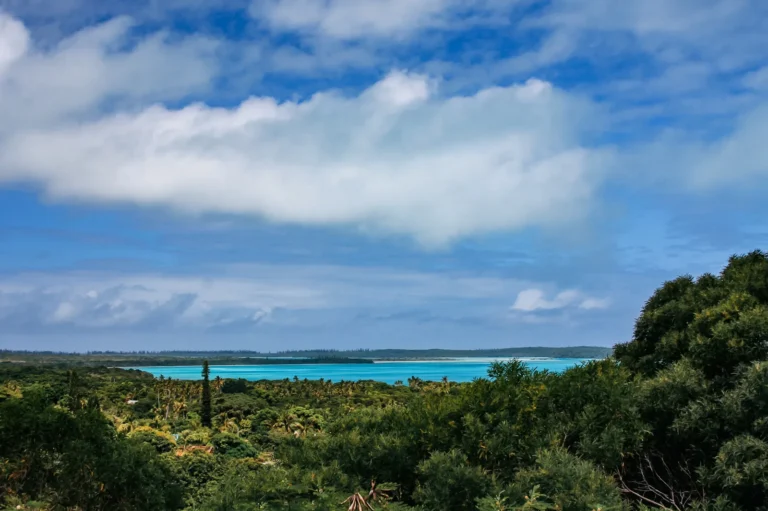
Most of Oceania lies in the southern hemisphere: the seasons are reversed compared with Europe and North America. Australia is so vast that it has several climates: tropical in the north, with a wet season during the southern summer, desert in the center, temperate in the south. New Zealand has a temperate, changeable climate, cooler on the South Island. The South Pacific islands have a tropical climate with a hotter, wetter season, which is also the cyclone season, and a drier, cooler season. French Polynesia and New Caledonia are French overseas territories, with their own entry rules to check. For that South Pacific archipelago, our guide to things to do in New Caledonia covers entry requirements, the lagoon and itineraries.
Which destination for which season?
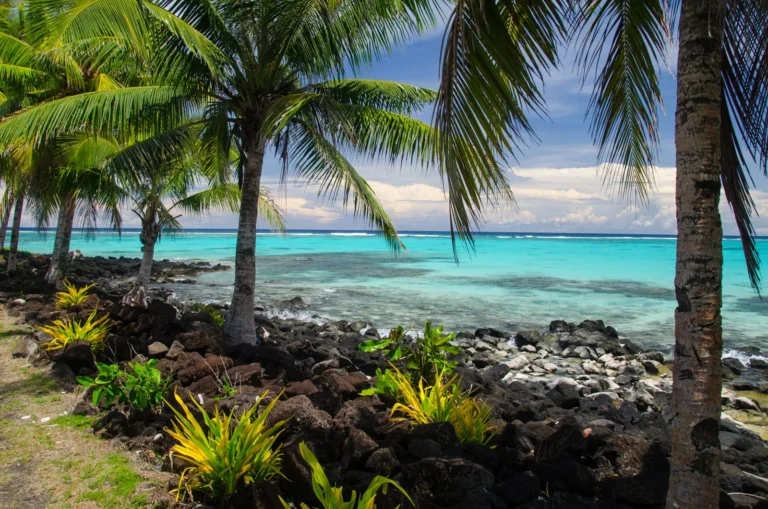
The broad trends below are general. The table of countries by month, above, and our « best time to visit » guides give the details destination by destination. Our guide to Samoa, between Upolu and Savai’i completes this overview.
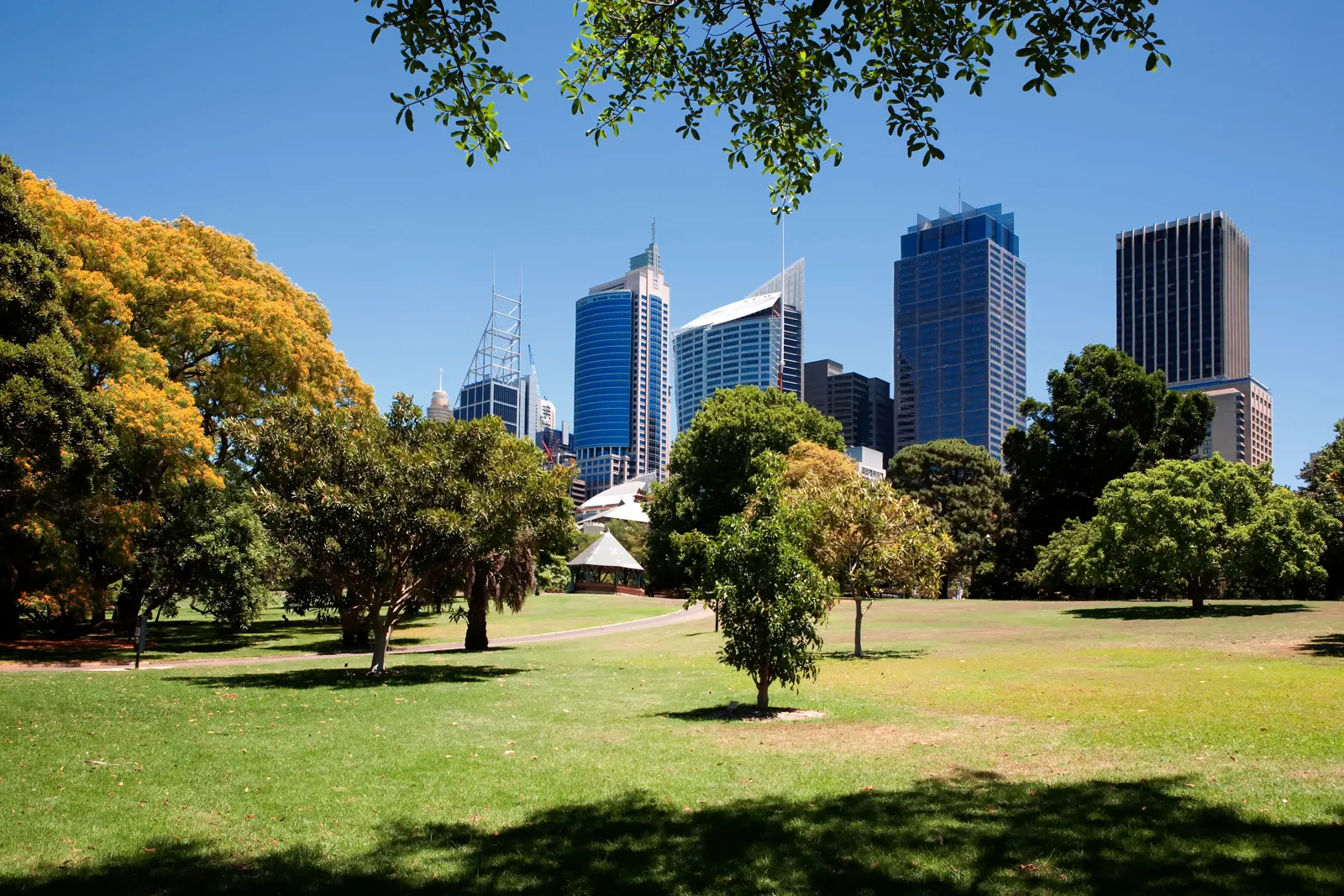
December to February (southern summer): a good time for New Zealand and southern Australia (Sydney, Melbourne, Tasmania). It is, however, the wet season in northern Australia and the cyclone season in the South Pacific.
March to May (southern autumn): milder temperatures in Australia and New Zealand, and fewer crowds.
June to August (southern winter): dry season in northern Australia and French Polynesia, skiing in New Zealand’s Southern Alps.
September to November (southern spring): a transition season, often pleasant across much of the region before the hot season arrives.
Which destination for your kind of trip?
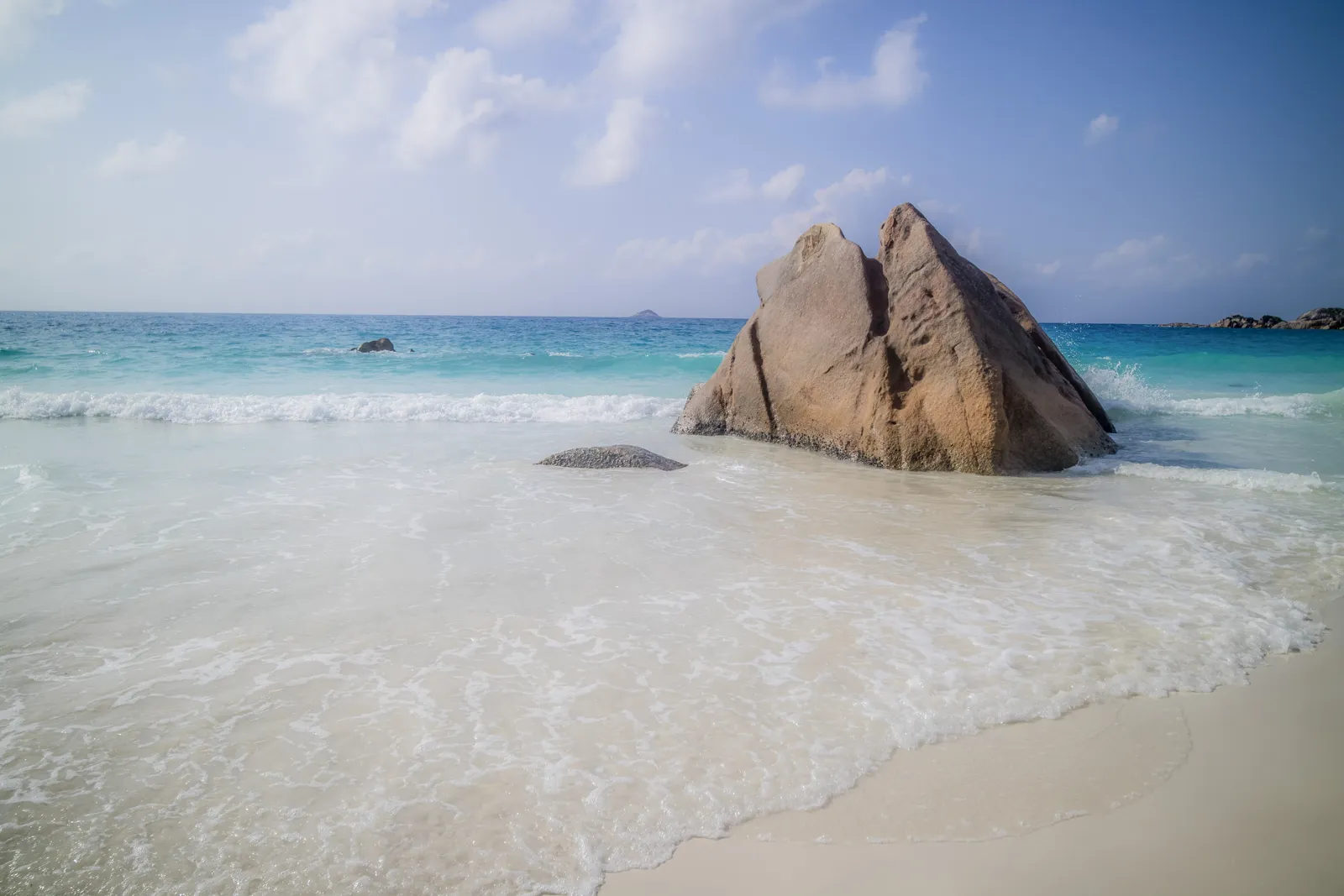
Beaches and lagoons: French Polynesia (Bora Bora, Moorea), New Caledonia, Fiji, the Queensland coast.
Culture: Maori culture in New Zealand, Aboriginal cultures in Australia, Kanak traditions in New Caledonia and Polynesian traditions in Tahiti.
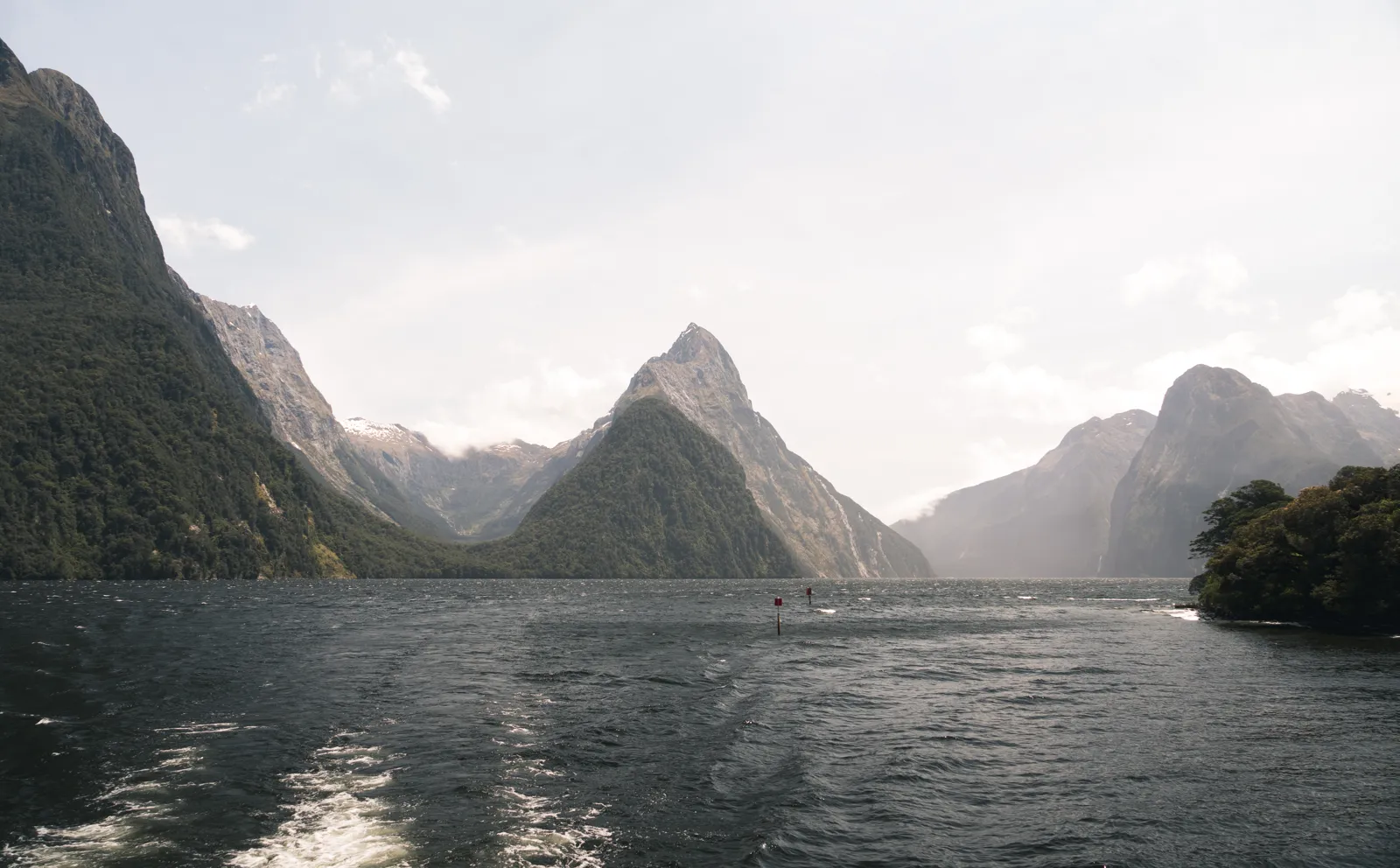
Hiking and nature: New Zealand (well-maintained trails and national parks), Tasmania, Australia’s Red Centre.
Tight budget: Oceania remains an expensive destination, flights included. A van or campervan in Australia and New Zealand helps keep accommodation costs down.
Families: Australia and New Zealand, for their infrastructure and the variety of outdoor activities.
Honeymoon: French Polynesia, Fiji, or a combination of New Zealand and the Pacific islands.
Planning your trip
Entry requirements: passport, visa, electronic authorization: rules differ by country and change over time. Check them for each country on your route on travel.state.gov (US) or GOV.UK foreign travel advice (UK) before booking, as well as the transit rules of your connecting country. For example, US and UK visitors to Australia need an Electronic Travel Authority (ETA) or another visa such as the UK eVisitor (travel.state.gov, last updated August 13, 2026; GOV.UK, updated 19 March 2026), and UK visitors to New Zealand need an NZeTA before they travel (GOV.UK, updated 19 March 2026).
Customs: Australia and New Zealand enforce strict biosecurity rules on food, plant and animal products and wooden items; declare anything concerned. In New Zealand, failing to declare risk goods such as honey or fresh fruit can lead to an instant fine of NZ$400 (U.S. Department of State, New Zealand page, last updated May 7, 2026).
Sun and health: pack sun protection, and in the tropical islands protect yourself against mosquitoes. See a doctor or travel clinic a few weeks before departure.
Cyclones: in the South Pacific and northern Australia, the hot season is also the cyclone season. Follow local weather services.
Our seasonal recommendations are based on climate normals published by national weather services. To see how we select and update them, read our methodology.

 AustraliaCountry guide
 FijiCountry guide
 French PolynesiaCountry guide
 New CaledoniaCountry guide
 New ZealandCountry guide
 SamoaCountry guideVanuatuCountry guide