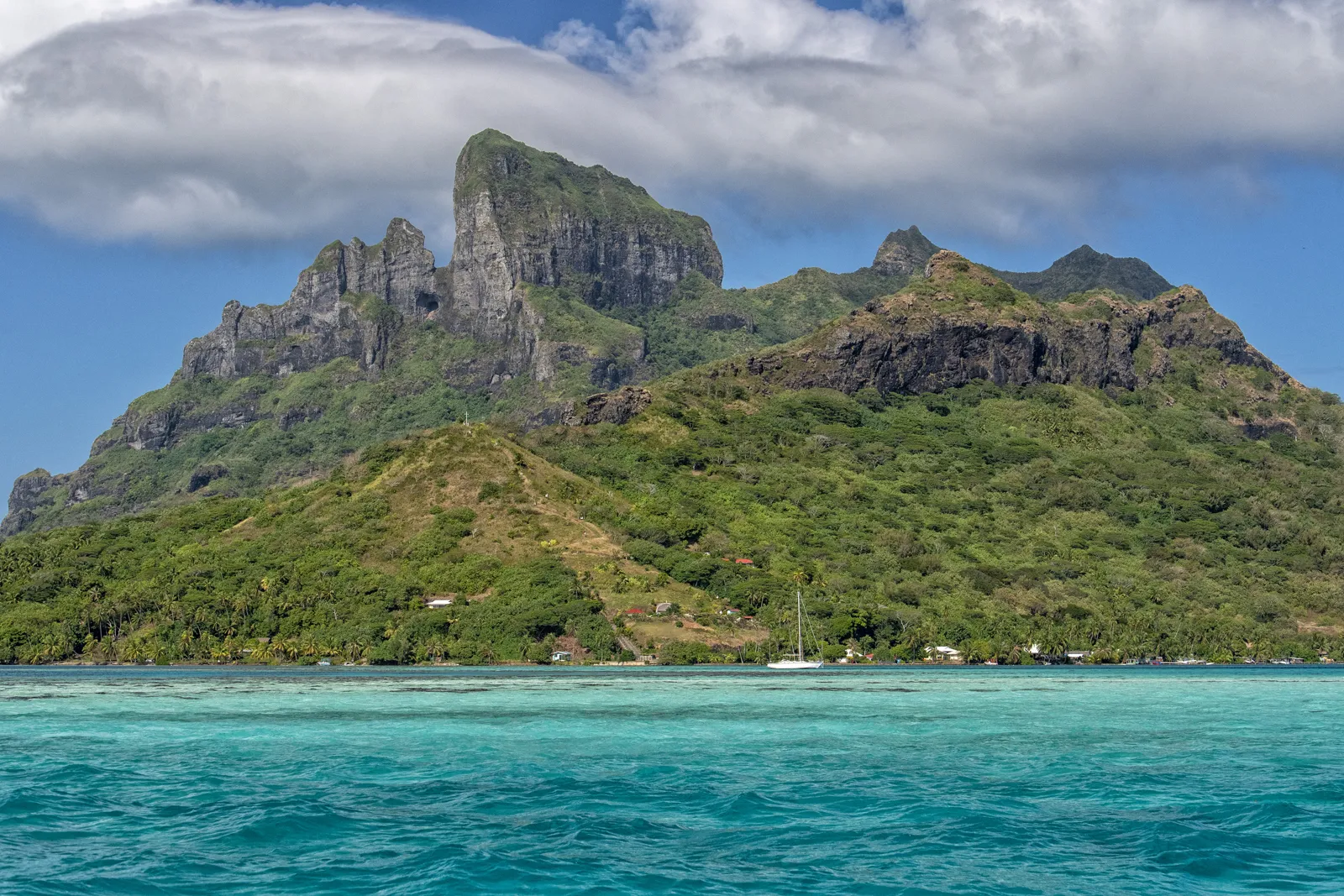
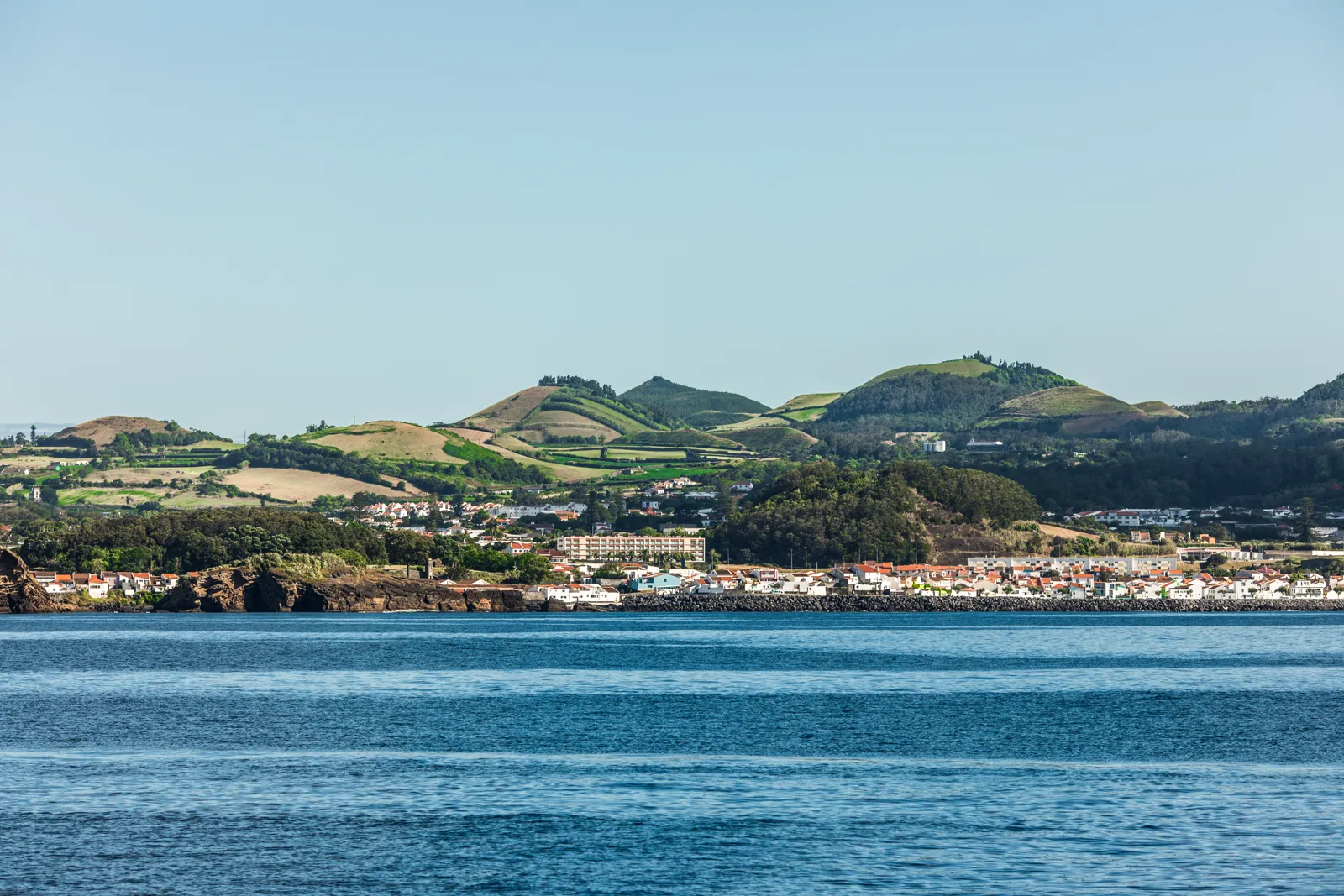
A good trip to Cape Verde starts with choosing the right islands. This Cape Verde travel guide covers an archipelago of ten volcanic islands off the coast of Senegal: sandy beaches and constant wind on Sal and Boa Vista, mountains and terraced valleys on Santo Antão, an active volcano on Fogo, and a Creole culture shaped by music. It gathers the essentials for planning your stay.
To locate towns, regions, terrain, national parks and airports, see our map of Cape Verde.
Cape Verde at a glance
CapitalPraia, on the island of Santiago
LanguagesPortuguese (official) and Cape Verdean CreoleEnglish is spoken in the tourist areas
Currencythe Cape Verdean escudo (CVE), pegged to the euro · currencies
Time zoneUTC−1, no daylight saving · details1 h behind London and 4 h ahead of New York in winter
Airportsfour international airports, including Sal (Amilcar Cabral) and Boa Vista (Aristides Pereira)Check current routes with the airlines
EntryUS and UK: no visa for tourist stays under 30 days; EASE pre-registration and airport security fee · travel.state.gov · GOV.UK
Electricitycheck voltage and plug types before you travel · plugs
The climate is dry and sunny almost all year. The best period runs from November to June: it hardly rains and highs are around 25 to 28 °C (77 to 82 °F). The trade winds blow hard from December to April, ideal for kitesurfing, and a dust haze from the Sahara can veil the sky in winter. The short rainy season, from August to October, brings heat, warm sea and some showers. All the details, island by island and with official climate normals, are in our article best time to visit Cape Verde. If you are aiming for the end of the rainy season, Cape Verde weather in November has its own page, with sea conditions and trade winds.
Things to do in Cape Verde: the highlights island by island
Each island has its own character. The eastern islands (Sal, Boa Vista, Maio) are flat, dry and lined with beaches. The northern and southern islands (Santo Antão, São Vicente, Santiago, Fogo, Brava) are mountainous. Inter-island connections take time: it is better to choose two or three.
Which Cape Verde island should you choose?
Island
Best for
Good to know
Sal
Beach, kitesurfing, all-inclusive stays
International airport, Santa Maria
Boa Vista
Huge empty beaches, dunes, turtles
Scattered resorts, 4×4 tracks
Santiago
Capital, history (Cidade Velha), mountains
Praia, the largest island
São Vicente
Culture, music, carnival
Mindelo, gateway to Santo Antão
Santo Antão
Hiking, terraced valleys
Ferry from Mindelo (about one hour)
Fogo
Volcano, climbing Pico do Fogo
Reached from Santiago
Maio, Brava
Quiet, off the beaten track
Less frequent connections
Indicative overview of the islands covered in this guide.
Sal
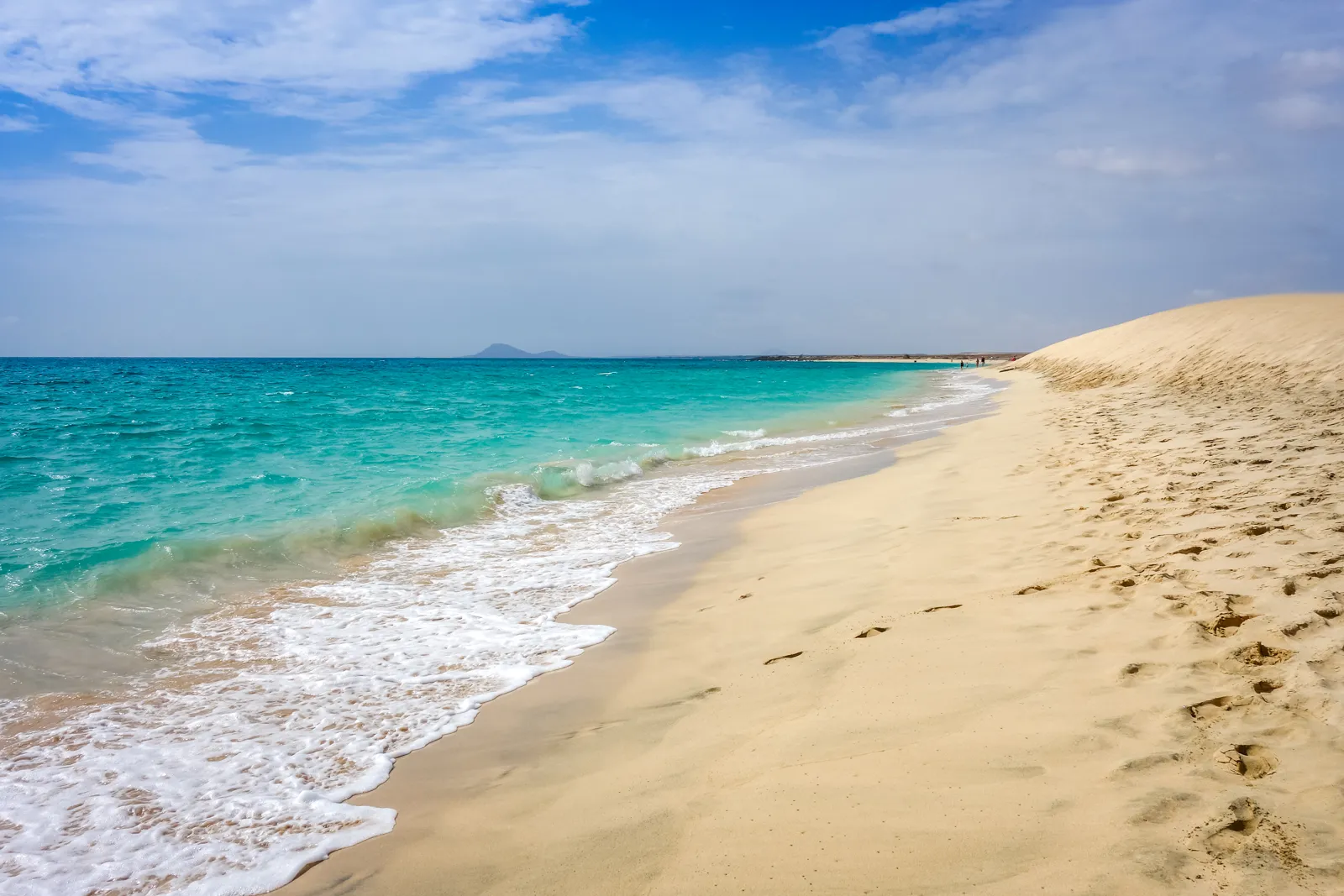
Beach and dune at Ponta Preta in Santa Maria, on the island of Sal, Cape Verde
Sal is the entry point for most travelers, with its international airport. Santa Maria, in the south, has most of the hotels, the long beach and the fishermen’s pier. The island is a major spot for kitesurfing and windsurfing. Also worth seeing: the Pedra de Lume salt pans, set in an old crater, where you float in very salty water, and the Buracona natural pool.
Boa Vista
Wilder than Sal, Boa Vista is the island of huge empty beaches and dunes, such as those of the Viana desert. Santa Mónica and Chaves beaches are among the largest in the country. The island is also a major nesting site for loggerhead turtles in summer and early autumn, and a place to watch humpback whales in spring (guided trips).
Santiago and Praia
The largest island is home to the capital, Praia, with its historic Plateau district and its market. About 15 km (9 mi) away, Cidade Velha, the first colonial town founded by Europeans in the tropics, is a UNESCO World Heritage Site. The mountainous interior (Serra Malagueta, Assomada) and Tarrafal beach in the north round off a visit.
São Vicente and Mindelo
Mindelo is the country’s cultural capital: colorful colonial houses, a lively port and bars where you can hear morna, the music made famous by Cesária Évora, who came from the town. Its carnival, in February or March, is the best known in the archipelago. Monte Verde offers a view over the bay, and Mindelo is the departure point for Santo Antão.
Santo Antão
Hiker facing the terraces and valleys of Corda, near Coculi, on the island of Santo Antão, Cape Verde
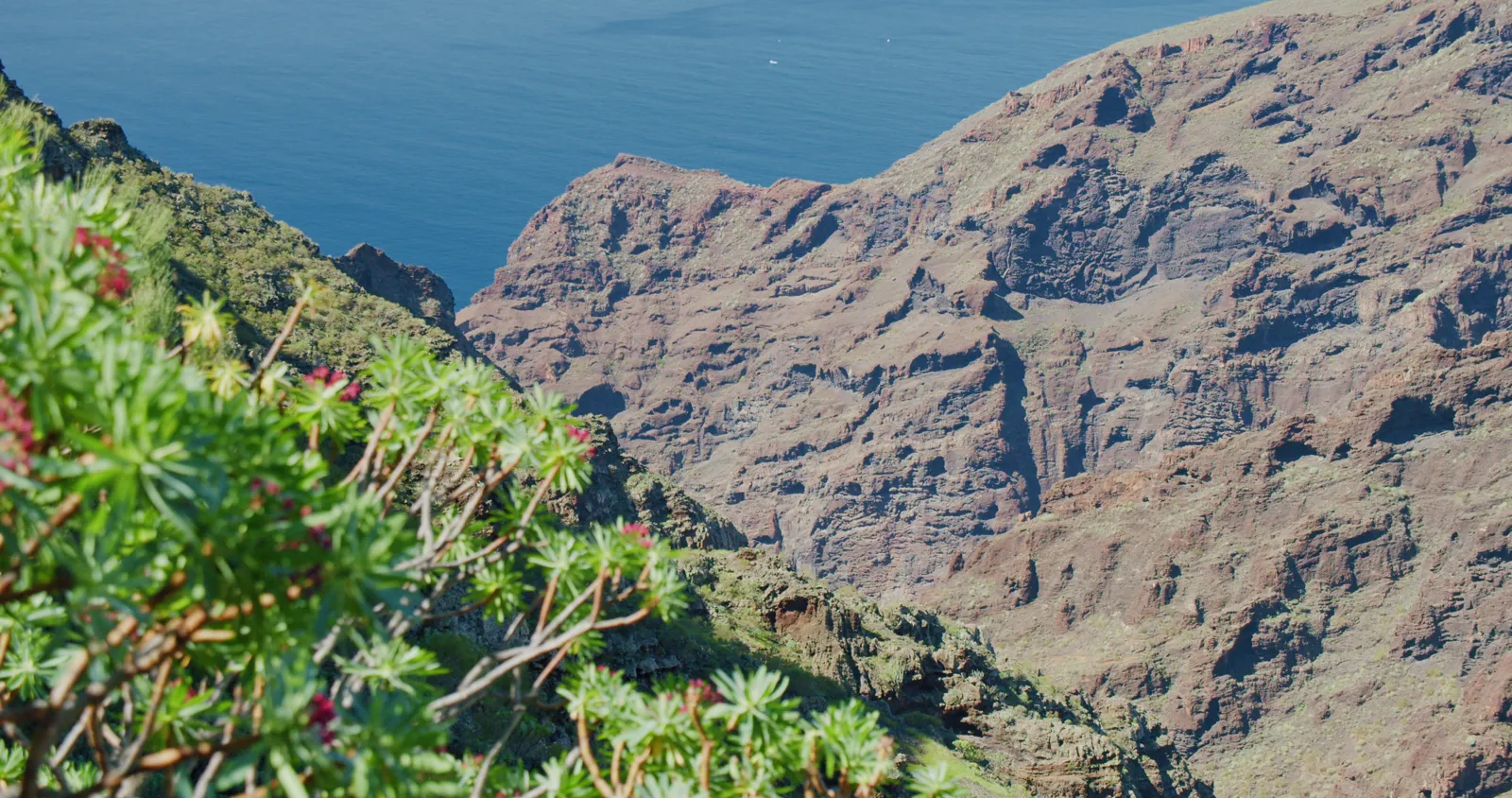
Reached by ferry from Mindelo (about an hour’s crossing), Santo Antão is the hiking island. Its deep valleys, such as Paul and Ribeira Grande, are covered with terraced fields, and its trails link villages and ridges. The Cova crater, the corniche road and the village of Ponta do Sol are classic stops. A local guide is recommended on poorly marked routes.
Fogo
The volcano island. Pico do Fogo (about 2,830 m / 9,285 ft) can be climbed in half a day from Chã das Caldeiras, a village set inside the caldera and partly destroyed by the 2014 eruption. Vines are grown on the lava. São Filipe, the small capital, has kept fine old houses (sobrados).
Maio and Brava
To get off the beaten track: flat and very quiet Maio has long, almost empty beaches; Brava, the smallest inhabited island, is green and steep. Both are less well served, so you need some flexibility in your plans.
Itinerary for Cape Verde: how many days do you need?
Allow at least a week for one island, 10 days to combine two, and two weeks for three or four islands: each change of island (domestic flight or ferry) often takes half a day, sometimes more in case of delays.
7 to 10 days: beach and hiking
Days 1 to 4: Sal (Santa Maria, Pedra de Lume, Buracona, kitesurfing or diving)
Day 5: flight to São Vicente, visit Mindelo
Days 6 to 8: ferry to Santo Antão, hikes in the Paul and Ribeira Grande valleys
Days 9 and 10: back to Mindelo, then fly to Sal for departure
2 weeks: four islands
Days 1 to 3: Santiago (Praia, Cidade Velha, Tarrafal)
Days 4 and 5: Fogo (Chã das Caldeiras, climbing Pico do Fogo)
Days 6 and 7: back via Santiago, then fly to São Vicente, Mindelo
Days 8 to 10: hiking on Santo Antão
Days 11 to 14: Sal or Boa Vista for the beach
Domestic flights and ferries often change schedules and are sometimes cancelled: keep a day’s margin before your flight home.
Budget for a trip to Cape Verde
Cape Verde is less cheap than many West African countries, because many goods are imported. Sal and Boa Vista, heavily geared toward resorts, are more expensive than Santiago, São Vicente or Santo Antão. Indicative amounts per person per day, excluding international flights (converted from our euro estimates at roughly €1 = US$1.12, ECB rate of 23 October 2026):
Item
Budget
Comfort
Accommodation (based on a shared double room)
roughly US$22–39 (guesthouse, B&B)
roughly US$67–168
Meals
roughly US$17–28
roughly US$39–67
Local transport
roughly US$6–11 (aluguers, buses)
roughly US$22–45 (taxis, rentals)
Activities and sightseeing
roughly US$11–17
roughly US$34–67
Total per day
roughly US$56–90
roughly US$134–280
Indicative estimates, varying by island and season. Domestic flights and kitesurfing lessons come on top of this budget.
The « all-inclusive » formula dominates on Sal and Boa Vista. It can make sense for a beach holiday, but limits contact with the country. For a trip across several islands, guesthouses and B&Bs offer better value for money.
Getting around Cape Verde
Plane: domestic flights link the main islands (Sal, Boa Vista, Santiago, São Vicente, Fogo). They are practical but infrequent and prone to schedule changes: book ahead and reconfirm. According to the U.S. Department of State (travel.state.gov, last updated December 18, 2025), Brava and Santo Antão have no operational airports.
Ferry: the Mindelo – Porto Novo (Santo Antão) route is the busiest and most regular. Other inter-island routes are less frequent. According to the UK FCDO (GOV.UK, updated 28 July 2026), sea conditions can be dangerous and crossings to Brava and Fogo in particular are often disrupted: follow local advice.
Aluguer: these shared minibuses or pick-ups are the most common and cheapest local transport. They leave when full. The UK FCDO (GOV.UK, updated 28 July 2026) warns that intercity buses can be dangerous because of poor driving, and the U.S. Department of State strongly discourages buses and commuter vans in Praia.
Taxi: available in towns and at airports; agree on the price before setting off. According to the UK FCDO (GOV.UK, updated 28 July 2026), only use authorized taxis from ranks or called by your hotel; on Sal and Boa Vista they are blue and yellow.
Car or quad rental: possible on Sal, Boa Vista and Santiago. On Boa Vista’s tracks, a 4×4 with driver is often the wiser choice. UK travelers can drive with a valid UK photocard licence for up to 6 months (a paper licence needs the 1968 IDP); helmets are compulsory on scooters and quads, and quad biking is unlikely to be covered by standard travel insurance (UK FCDO, GOV.UK, updated 28 July 2026). The U.S. Department of State notes that roads are often unlit, driving at night is hazardous and drunk driving is a serious problem.
Where to stay in Cape Verde
On Sal, most accommodation is in Santa Maria, from guesthouses in the center to large beachfront club hotels. On Boa Vista, resorts are scattered along the beaches, often far from Sal Rei, the small main town. In Praia, stay on the Plateau or near Quebra Canela and Prainha beaches. In Mindelo, the historic center lets you do everything on foot. On Santo Antão, choose a B&B in the Paul valley or in Ponta do Sol, convenient for hiking.
Outside Sal and Boa Vista, the choice is mostly small hotels and family guesthouses. During holiday periods and carnival, book early.
Entry requirements for Cape Verde
US citizens: according to the U.S. Department of State (travel.state.gov, last updated December 18, 2025), no tourist visa is needed for tourism stays of less than 30 days; longer stays require a visa (see the Embassy of Cabo Verde). Your passport must be valid for at least six months beyond your intended stay. All foreign visitors must complete pre-arrival registration and pay the Airport Security Fee (TSA) on the EASE platform at least five days before arrival. A yellow fever certificate (ICVP) is required if arriving on flights from Senegal or other West African countries.
UK citizens: according to the UK FCDO (GOV.UK foreign travel advice, updated 28 July 2026), you can visit for up to 30 days without a visa. Your passport must have an expiry date at least 6 months after the date you arrive. You must complete pre-registration and pay the airport security fee (TSA) on the official online platform at least 5 days before arrival, and bring proof of confirmation; since 1 July 2026, travelers without it pay double the TSA at border control. A yellow fever certificate is required if you come from a country with a risk of transmission.
Children: rules for minors not traveling with both parents differ between the two sources (a certified authorization letter in Portuguese according to GOV.UK; birth certificate and parental consent according to travel.state.gov): check with the Cape Verdean embassy or consulate. Entry requirements checked on 24 October 2026; check them again before you travel.
Health and safety
Health: according to the UK FCDO (GOV.UK, updated 28 July 2026), check vaccine recommendations at least 8 weeks before your trip; risks include shigella, salmonella and dengue, the government has raised the dengue warning level on Santiago, Fogo and Brava, and altitude sickness is a risk on Fogo. The World Health Organization certified Cape Verde malaria-free on 12 January 2024, but the U.S. Department of State still lists malaria among prevalent diseases and recommends chemoprophylaxis: ask a doctor or travel health clinic. Use mosquito repellent.
Medical care: facilities are basic and limited, the largest hospitals are in Praia and Mindelo, and Brava and Santo Antão have no working airports, making medical evacuation very difficult (UK FCDO, GOV.UK, updated 28 July 2026; U.S. Department of State). There is no decompression chamber for divers. Take insurance covering medical costs and evacuation; most providers require cash.
Safety: according to the UK FCDO (GOV.UK, updated 28 July 2026), crime is generally low but includes pickpocketing, bag snatching, burglary and muggings, particularly in Praia and on Sal and Boa Vista; avoid unlit, isolated areas after dark and beaches with limited visibility. The U.S. Department of State advises against using the hillside stairways between neighborhoods in Praia, even in daylight.
Sea and hiking: tides and currents are very strong (UK FCDO, U.S. Department of State): swim on beaches with a lifeguard and respect the flags. Take water, sun protection and, on lesser-known routes, a guide when hiking. The rainy season (mid-August to mid-October) can bring floods and landslides (GOV.UK).
Emergencies: ambulance 130, fire 131, police 132 (UK FCDO, GOV.UK, updated 28 July 2026).
Practical tips for Cape Verde
Money: ATMs are found in the main towns and in Santa Maria, more rarely on the small islands. Cards are accepted in hotels and larger restaurants. Keep escudos for aluguers, markets and small shops. Our currency converter helps you estimate your spending.
Internet: the mobile network covers towns and most tourist areas, less so the mountain valleys. A local SIM card or eSIM is useful for maps and contacting your accommodation.
Pace: the local motto « no stress » sums up the mood: schedules are flexible, especially for transport. Allow some margin.
Etiquette: a few words of Portuguese or Creole (« bom dia », « obrigado ») are appreciated. Ask before photographing someone.
Water: according to the U.S. Department of State, tap water is not drinkable in many areas; bottled drinks are generally safe, and ice may be made with tap water.
Food: try cachupa, the national dish of corn, beans and meat or fish, grilled fish and grogue, the sugarcane spirit from Santo Antão.
Music: morna, sung mostly in Creole and accompanied by guitar, violin or cavaquinho, has been on UNESCO’s list of the Intangible Cultural Heritage of Humanity since 2019. It accompanies the great moments of Cape Verdean life; Mindelo is the best place to hear it live.
Customs: according to GOV.UK, there are strict rules on goods brought in or out and you must declare anything that may be prohibited or taxable. For what you bring home, check your home country’s customs allowances (e.g. CBP in the US, HMRC in the UK).
Who is Cape Verde for?
Our verdicts by traveler profile, based on the information in this guide:
Profile
Our verdict
Beach and all-inclusive
Ideal: Sal and Boa Vista, with Santa Maria and the huge empty beaches.
Kitesurfing and windsurfing
Ideal: Sal is a major board-sports spot.
Hikers
Ideal: the terraced valleys of Santo Antão, the climb up Pico do Fogo.
Culture and music
Yes: Mindelo, morna and carnival, Cidade Velha on Santiago.
Budget travelers
Yes: roughly US$56–90 per person per day in guesthouses, especially away from Sal and Boa Vista.
Short multi-island trip
Not ideal: each change of island often takes half a day; limit yourself to two or three islands.
Not for a tourist stay of under 30 days if you are a US or British citizen (travel.state.gov; GOV.UK). You must, however, pre-register on the EASE platform at least 5 days before arrival and pay the airport security fee (TSA). Checked on 24 October 2026; check the latest rules before you leave. Our guide Cape Verde visa: EASE and fee explains the procedure.
Which island should you choose for a first trip to Cape Verde?
For beach and wind, Sal or Boa Vista. For culture and nature, combine São Vicente (Mindelo) with Santo Antão for hiking. With two weeks, add Santiago and Fogo.
How much does a week in Cape Verde cost?
Excluding international flights, allow roughly US$56–90 per person per day on a budget, and US$134–280 in comfort. All-inclusive packages on Sal and Boa Vista vary widely in price depending on the season.
What is the best time to visit Cape Verde?
From November to June, during the dry season. October and November combine warm sea and light rain; December to April is the best period for kitesurfing. Month-by-month details are in our page best time to visit Cape Verde.
How many days do you need in Cape Verde?
A week is enough for one island, such as Sal or Boa Vista. To combine Mindelo and hiking on Santo Antão, allow 10 days; for three or four islands, two weeks, with a day’s margin before your flight home.
Is Cape Verde worth visiting?
Yes, if you know what you are looking for: beach and wind on Sal and Boa Vista, hiking on Santo Antão, a volcano on Fogo, culture in Mindelo and Praia. The country is less cheap than other West African destinations, and inter-island travel requires flexibility.
Is Cape Verde safe?
According to the UK FCDO (GOV.UK, updated 28 July 2026), crime is generally low but includes pickpocketing and muggings, particularly in Praia and on Sal and Boa Vista. Avoid isolated areas after dark and swim only on lifeguarded beaches, as currents are very strong.
Where do you fly into Cape Verde?
The country has four international airports (U.S. Department of State): Amilcar Cabral (Sal), Aristides Pereira (Boa Vista), Nelson Mandela (Praia) and Cesária Évora (São Vicente). Most travelers arrive on Sal or Boa Vista. Check current routes with the airlines.
Which Cape Verde island is best for hiking?
Santo Antão, the island of terraced valleys (Paul, Ribeira Grande, Cova crater), reached by ferry from Mindelo in about an hour. For a summit, the climb up Pico do Fogo (about 2,830 m / 9,285 ft) takes half a day from Chã das Caldeiras.
Transparency: this page contains affiliate links, labelled as such. If you book through them we may earn a commission at no extra cost to you; it does not influence our content or recommendations. How we fund the site.