The best time to visit Rwanda is the long dry season, from June to September: it rains little (10 mm (0.4 in) in July in Kigali), the trails of the volcanoes and Nyungwe Forest are easier to walk and wildlife in Akagera gathers near water. December to February, the short dry season, is a good alternative.
Rwanda is close to the equator, but its altitude (more than 1,500 m (4,921 ft) in Kigali) gives it a mild climate all year: 26 to 28 °C (79 to 82 °F) in the afternoon, 15 to 17 °C (59 to 63 °F) at night in the capital. What changes from month to month is the rain: two wet seasons, March to May and October to November, frame two drier seasons. Here is how to choose, based on the official climate normals published by NOAA.

Our travel deals for Rwanda
Affiliate links: we earn a commission, at no extra cost to you.
 FlightsKiwi.comCompare flights and airline combinations to Rwanda.Compare flights
- eSIMAiraloData plan to install before you leave (eSIM-compatible phone).See plans


When to go to Rwanda at a glance
- Best overall period June to September, the long dry season
- Driest month July (10 mm (0.4 in) in Kigali, 21 mm (0.8 in) in Gisenyi)
- Alternative December to February, wetter but with moderate rain (76 to 84 mm (3.0 to 3.3 in) a month in Kigali)
- Wettest months March–April (129 mm (5.1 in) and 136 mm (5.4 in) in Kigali) and November
- Temperatures stable all year, about 26 to 28 °C (79 to 82 °F) by day and 15 to 17 °C (59 to 63 °F) at night in Kigali; much cooler on the volcanoes
- Gorillas can be seen all year; permits are limited, so book early for June to September
- Entry requirements see our page on the entry requirements for Rwanda before you travel
When to go to Rwanda by priority
- Best weather: June to September (July is the driest month), then December to February
- Cheapest: March to May, or November, when some lodges lower their rates
- Fewest crowds: March to May and November; December to February stays moderate outside the holidays
- Events: holidays on July 1 and 4, Kwita Izina (date varies, often late summer); Kwibuka, the commemoration period, from April 7
To plan your itinerary, see our Rwanda travel guide. July is the driest month: compare with our ideas for where to go in July.
Rwanda: the calendar at a glance
✅ Best months: January, February, June, July, August, September, December
❌ Period to avoid: April
Rwanda climate and weather month by month
The table below gives the normals for Kigali, the capital, in the center of the country, through which almost all travelers pass. Lake Kivu and the high-altitude regions are detailed below.
| Month | Avg. max | Avg. min | Rain | Crowds | Prices | Verdict |
|---|---|---|---|---|---|---|
| January | 27.5 °C (82 °F) | 16.2 °C (61 °F) | 84 mm (3.3 in) | Moderate | Moderate | Short dry season, moderate rain ✅ |
| February | 27.8 °C (82 °F) | 16.3 °C (61 °F) | 84 mm (3.3 in) | Moderate | Moderate | A good time, skies often clear between showers ✅ |
| March | 27.1 °C (81 °F) | 16.2 °C (61 °F) | 129 mm (5.1 in) | Low | Low | Start of the long rainy season ⚠️ |
| April | 26.4 °C (80 °F) | 16.5 °C (62 °F) | 136 mm (5.4 in) | Low | Low | The wettest month, slippery trails ❌ |
| May | 26.3 °C (79 °F) | 16.6 °C (62 °F) | 89 mm (3.5 in) | Low | Low | End of the rains, very green landscapes ⚠️ |
| June | 26.7 °C (80 °F) | 16.0 °C (61 °F) | 20 mm (0.8 in) | High | High | Start of the long dry season ✅ |
| July | 27.4 °C (81 °F) | 15.4 °C (60 °F) | 10 mm (0.4 in) | Very high | High | The driest month, ideal for gorillas ✅ |
| August | 28.2 °C (83 °F) | 16.4 °C (62 °F) | 30 mm (1.2 in) | Very high | High | Dry, very good for Akagera ✅ |
| September | 28.2 °C (83 °F) | 16.4 °C (62 °F) | 65 mm (2.6 in) | High | High | End of the dry season, first showers ✅ |
| October | 27.4 °C (81 °F) | 16.3 °C (61 °F) | 109 mm (4.3 in) | Moderate | Moderate | Short rainy season ⚠️ |
| November | 26.3 °C (79 °F) | 16.1 °C (61 °F) | 121 mm (4.8 in) | Low | Low | Frequent rain, few visitors ⚠️ |
| December | 26.8 °C (80 °F) | 16.2 °C (61 °F) | 76 mm (3.0 in) | Moderate (holidays) | Moderate | Drier weather returns ✅ |
Worth remembering: in Rwanda, the temperature gap between months does not exceed 2 °C (4 °F) in Kigali. Altitude matters a lot, however: on the slopes of the Virunga volcanoes, where the gorillas live, it is much cooler and wetter than in Kigali, and it can rain in any season. Always pack a waterproof jacket and warm layers.
Rwanda’s seasons: pros and cons
The Rwandan calendar follows the rhythm of East Africa: a long dry season (June to September), a short rainy season (October to November), a short dry season (December to February) and a long rainy season (March to May). These limits vary from year to year. The UK FCDO (GOV.UK, updated 4 September 2026) gives slightly wider rainy seasons, February to May and September to December, with April the height of the rainy season.
Long dry season (June to September): the most in demand
Rainfall is at its lowest: 20 mm (0.8 in) in June, 10 mm (0.4 in) in July and 30 mm (1.2 in) in August in Kigali. Hiking trails to the gorillas, the golden monkeys or Bisoke volcano are less muddy, visibility is better and, in Akagera National Park, lower vegetation makes it easier to spot animals. Nights are slightly cooler (15.4 °C (60 °F) average low in Kigali in July).
- Pros: easier hikes, good visibility, ideal conditions to combine gorillas, chimpanzees and safari
- Cons: strong demand for gorilla permits and lodges, rates at their highest, drier and sometimes hazy landscapes
- Our tip: book permits and accommodation several months ahead
Short dry season (December to February): a good compromise
Rainfall stays moderate (76 to 84 mm (3.0 to 3.3 in) a month in Kigali), often as short showers. Vegetation is green and visitors are fewer than in summer, outside the year-end holidays.
- Pros: green landscapes, moderate crowds, pleasant temperatures (27 to 28 °C (81 to 82 °F) in the afternoon)
- Cons: showers possible at any time, especially in the mountains
- Who is it for? Travelers who want to avoid the high season without facing the heavy rains
Rainy seasons (March to May, October to November): the green season
The long rainy season peaks in March and April (129 mm (5.1 in) and 136 mm (5.4 in) in Kigali, up to 140 mm (5.5 in) in Gisenyi). The short rainy season, in October and November, is also marked (109 mm (4.3 in) and 121 mm (4.8 in) in Kigali, 142 to 155 mm (5.6 to 6.1 in) in Gisenyi). Rain often falls as showers or thunderstorms, leaving sunny spells, but tracks and trails become slippery. The UK FCDO and the U.S. State Department (travel.state.gov, last updated May 14, 2026) both note that heavy rains can cause landslides and floods; monitor local media and follow the advice of local authorities.
- Pros: lower rates at some lodges, few visitors, very green forests and hills
- Cons: harder and muddier hikes, secondary roads sometimes damaged, higher malaria risk with the humidity
- Note: gorilla treks and treks in Nyungwe Forest remain possible, but call for good shoes, gaiters and a waterproof jacket
When to go to Rwanda by region
Rwanda is a small country of hills, about 26,000 km² (10,039 sq mi) in area. The climate depends mainly on altitude: the east (Akagera) is lower, hotter and drier; the west and northwest, higher, are cooler and wetter. Comparison of the normals of two official stations:
| Month | Kigali (center) | Gisenyi / Rubavu (Lake Kivu) |
|---|---|---|
| January | 27.5 °C (82 °F) / 84 mm (3.3 in) | 24.7 °C (76 °F) / 93 mm (3.7 in) |
| February | 27.8 °C (82 °F) / 84 mm (3.3 in) | 24.9 °C (77 °F) / 82 mm (3.2 in) |
| March | 27.1 °C (81 °F) / 129 mm (5.1 in) | 24.7 °C (76 °F) / 141 mm (5.6 in) |
| April | 26.4 °C (80 °F) / 136 mm (5.4 in) | 24.6 °C (76 °F) / 129 mm (5.1 in) |
| May | 26.3 °C (79 °F) / 89 mm (3.5 in) | 24.3 °C (76 °F) / 92 mm (3.6 in) |
| June | 26.7 °C (80 °F) / 20 mm (0.8 in) | 24.0 °C (75 °F) / 68 mm (2.7 in) |
| July | 27.4 °C (81 °F) / 10 mm (0.4 in) | 24.4 °C (76 °F) / 21 mm (0.8 in) |
| August | 28.2 °C (83 °F) / 30 mm (1.2 in) | 25.0 °C (77 °F) / 85 mm (3.3 in) |
| September | 28.2 °C (83 °F) / 65 mm (2.6 in) | 25.2 °C (77 °F) / 116 mm (4.6 in) |
| October | 27.4 °C (81 °F) / 109 mm (4.3 in) | 24.7 °C (76 °F) / 142 mm (5.6 in) |
| November | 26.3 °C (79 °F) / 121 mm (4.8 in) | 24.2 °C (76 °F) / 155 mm (6.1 in) |
| December | 26.8 °C (80 °F) / 76 mm (3.0 in) | 24.4 °C (76 °F) / 109 mm (4.3 in) |
As you can see, by Lake Kivu the dry season is shorter than in Kigali. Only July is really dry there; from August, 85 mm (3.3 in) falls, and September exceeds 100 mm (3.9 in). Official normals are not available for the high-altitude park stations: the indications below are qualitative.
Volcanoes National Park (northwest)
Base for treks to mountain gorillas and golden monkeys, starting from Kinigi, near Musanze. It is cool and wet there all year. The long dry season (June to September) and December–February offer the most walkable trails; gorillas can be seen in every season. The U.S. State Department (travel.state.gov, last updated May 14, 2026) says to obtain permits before entering Rwanda’s national parks, and notes elevated tensions on the Rwanda–DRC border, including parts of Volcanoes National Park: check current advice before you go.
Nyungwe Forest (southwest)
This montane forest is home to chimpanzees, many species of monkeys and a suspended walkway above the canopy. It is one of the wettest regions of the country: rain is possible in any season. The dry season, from June to September, remains the most comfortable.
Lake Kivu (west)
Rubavu (Gisenyi), Karongi (Kibuye) and Rusizi border this large lake on the DRC frontier. It is mild there (about 24 to 25 °C (75 to 77 °F) in the afternoon, 14 to 16 °C (57 to 61 °F) at night in Gisenyi) and the best time for relaxing by the water and for the Congo Nile Trail (a hiking and cycling trail along the lake) is June–July, then December to February. The UK FCDO (GOV.UK, updated 4 September 2026) advises against all but essential travel to the parts of Rusizi District within 10 km (6 mi) of the border with the Democratic Republic of Congo, including the Rwandan islands in Lake Kivu.
Akagera National Park (east)
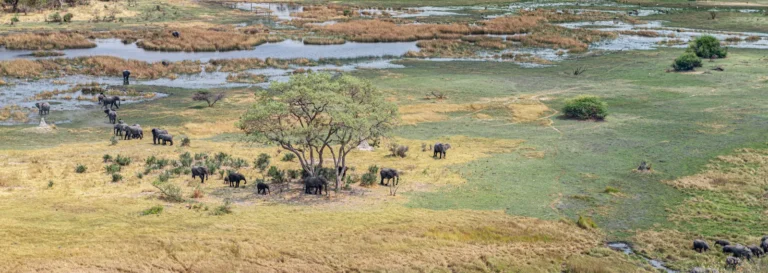
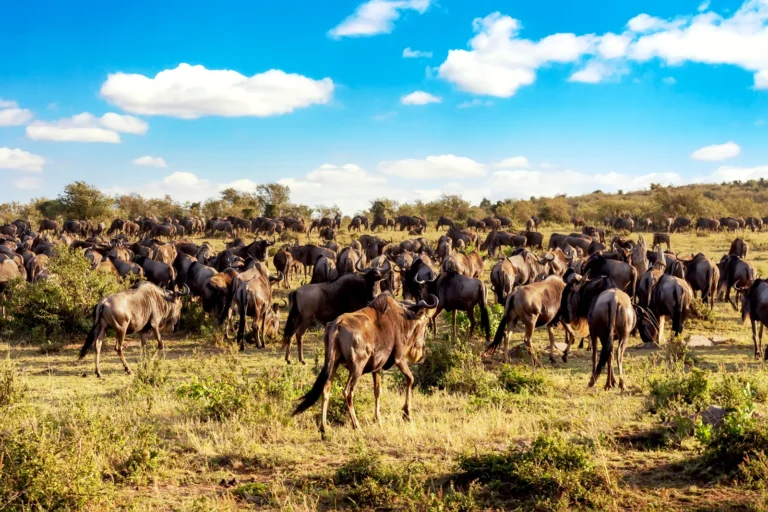
The country’s only savanna park, Akagera is home to lions, rhinos, elephants, buffalo, giraffes and zebras, with lakes suited to boat trips. The east is lower and drier than the rest of the country. The dry season, from June to September, is the best for wildlife viewing: animals move closer to water points and vegetation is less dense.
Which region for which month?
By Lake Kivu, the dry season is shorter than in Kigali; at altitude, rain remains possible in every season.
| Region | Jan | Feb | Mar | Apr | May | Jun | Jul | Aug | Sep | Oct | Nov | Dec |
|---|---|---|---|---|---|---|---|---|---|---|---|---|
| Kigali and the east (Akagera) | ✅ | ✅ | ⚠️ | ❌ | ⚠️ | ✅ | ✅ | ✅ | ✅ | ⚠️ | ⚠️ | ✅ |
| Volcanoes National Park and Nyungwe Forest | ✅ | ✅ | ⚠️ | ❌ | ⚠️ | ✅ | ✅ | ✅ | ✅ | ⚠️ | ⚠️ | ✅ |
| Lake Kivu (Rubavu, Karongi) | ✅ | ✅ | ⚠️ | ❌ | ⚠️ | ✅ | ✅ | ⚠️ | ⚠️ | ⚠️ | ❌ | ✅ |
✅ recommended period, ⚠️ possible with reservations, ❌ less favorable. Summary of the normals and the detailed recommendations on this page.
When to go to Rwanda by trip type
| Your trip | Best time | Where? |
|---|---|---|
| Mountain gorilla trek | June to September, then December to February (visible all year) | Volcanoes National Park |
| Chimpanzees and forest | June to September | Nyungwe, Gishwati-Mukura |
| Safari | June to September | Akagera National Park |
| Lake Kivu and Congo Nile Trail | June–July, December to February | Rubavu, Karongi, Rusizi |
| Climbing a volcano (Bisoke, Karisimbi) | June to August, with a guide | Volcanoes National Park |
| Birdwatching | Year-round; rainy seasons for some migratory species | Akagera, Nyungwe |
| Lowering your budget | March to May, or November | Nationwide, depending on lodge offers |
Thinking of combining Rwanda with another East African country? See the best time to visit Kenya and the one for Tanzania, which follow a similar seasonal calendar.
Major events to plan your trip around
| Period | Event | Location |
|---|---|---|
| Last Saturday of the month, in the morning | Umuganda, national community work: many activities and traffic are reduced for a few hours | Nationwide |
| April 7 and the following weeks | Kwibuka, commemoration of the 1994 genocide against the Tutsi; a period of remembrance | Nationwide, memorials |
| July 1 | Independence Day (public holiday) | Nationwide |
| July 4 | Kwibohora, Liberation Day (public holiday) | Nationwide |
| Varies (often late summer) | Kwita Izina, baby gorilla naming ceremony | Kinigi, Volcanoes National Park |
Rwanda month by month: what to expect
January: Short dry season: 84 mm (3.3 in) in Kigali, in short showers. 27.5 °C (82 °F) in the afternoon. A good month for gorillas and Lake Kivu, with moderate crowds.
February: Close to January (84 mm (3.3 in), 27.8 °C (82 °F)). One of the best alternatives to summer for treks, with green landscapes.
March: Start of the long rainy season (129 mm (5.1 in) in Kigali, 141 mm (5.6 in) in Gisenyi). Slipperier trails, few visitors.
April: The wettest month in Kigali (136 mm (5.4 in)). Start of the Kwibuka commemoration period on April 7. Rates often lower at some lodges.
May: The rains ease (89 mm (3.5 in)). Very green landscapes and low visitor numbers: an interesting month for tight budgets.
June: Dry weather returns (20 mm (0.8 in) in Kigali). Start of the high season: gorilla permits become very popular.
July: The driest month (10 mm (0.4 in) in Kigali, 21 mm (0.8 in) in Gisenyi). Ideal conditions for the volcanoes, Nyungwe, Akagera and Lake Kivu. Public holidays on July 1 and 4.
August: Still dry in Kigali (30 mm (1.2 in)), wetter by Lake Kivu (85 mm (3.3 in)). The hottest month, but only 28.2 °C (83 °F) in the afternoon.
September: End of the dry season, first showers return (65 mm (2.6 in) in Kigali, 116 mm (4.6 in) in Gisenyi). Still a good period for Akagera.
October: Short rainy season (109 mm (4.3 in) in Kigali, 142 mm (5.6 in) in Gisenyi). Treks remain possible, with suitable equipment.
November: The wettest month in Gisenyi (155 mm (6.1 in)) and very wet in Kigali (121 mm (4.8 in)). Few visitors.
December: The rains recede (76 mm (3.0 in) in Kigali). A good time for gorillas and Lake Kivu, with demand rising over the holidays.
When to book your trip to Rwanda
The number of mountain gorilla permits is limited each day: for a trek between June and September or over the year-end holidays, book your permit several months ahead, together with accommodation around Volcanoes National Park, which is limited. The permit is issued by the Rwanda Development Board, directly or through an agency; its price is high, so check it on the official site when you book. In the rainy season, availability is greater. Kigali International Airport is the main gateway; compare itineraries when you book. Kigali, Akagera and the mountainous northwest can be located on our map of Rwanda.
Planning your trip to Rwanda
- Entry requirements: see our page with the entry requirements for Rwanda.
- Time difference: Rwanda is on Central Africa Time (UTC+2) all year: 2 hours ahead of London in winter and 1 in summer; usually 7 hours ahead of New York.
- Currency: the Rwandan franc (RWF). Use our currency converter to estimate your budget.
- Health: the U.S. State Department (travel.state.gov, last updated May 14, 2026) lists malaria among the health risks and recommends CDC-approved mosquito repellents and insecticide-treated bed nets; the UK FCDO (GOV.UK, updated 4 September 2026) notes that altitude sickness is a risk in parts of Rwanda and that a yellow fever certificate is required if you arrive from a country listed as a transmission risk. See each country’s vaccine guidance (TravelHealthPro, CDC) before you go.
To go further, see our complete Rwanda travel guide.
Frequently asked questions
Can you visit Rwanda in August?
Yes. It is still dry in Kigali (30 mm (1.2 in)), wetter by Lake Kivu (85 mm (3.3 in)). It is the hottest month, but only 28.2 °C (83 °F) in the afternoon.
What is the best month to visit Rwanda?
July is the driest month (10 mm (0.4 in) of rain on average in Kigali). June and August are also very favorable. The whole long dry season, from June to September, suits treks and safari.
Can you see gorillas all year in Rwanda?
Yes. The mountain gorillas of Volcanoes National Park can be visited all year. The dry season simply makes trails less slippery. In the rainy season, you need more equipment but permits are easier to get.
When is the rainy season in Rwanda?
There are two: the long rainy season, from March to May, with a peak in April (136 mm (5.4 in) in Kigali), and the short rainy season, in October and November (109 mm (4.3 in) and 121 mm (4.8 in)).
Is Rwanda hot?
Not excessively: thanks to altitude, Kigali has about 26 to 28 °C (79 to 82 °F) in the afternoon and 15 to 17 °C (59 to 63 °F) at night all year. Around Lake Kivu it is a little cooler, and on the volcanoes it can be cold.
When is the cheapest time to visit Rwanda?
The rainy seasons, from March to May and in November, when some lodges lower their rates. The gorilla permit price, set by the authorities, does not in principle depend on the season.
When can you see the most animals in Akagera?
During the long dry season, from June to September, when vegetation is lower and animals gather around lakes and water points.
To combine the gorillas of both countries, see also when to go to Uganda.
Our sources
- NOAA (World Meteorological Organization climate normals, 1991–2020) for the Kigali (airport) and Gisenyi (airport, Lake Kivu) stations
- Information read on 26 October 2026: UK FCDO, foreign travel advice for Rwanda (GOV.UK, updated 4 September 2026), and U.S. Department of State, Rwanda country information (travel.state.gov, last updated May 14, 2026)
- Our methodology
Updated November 2026.