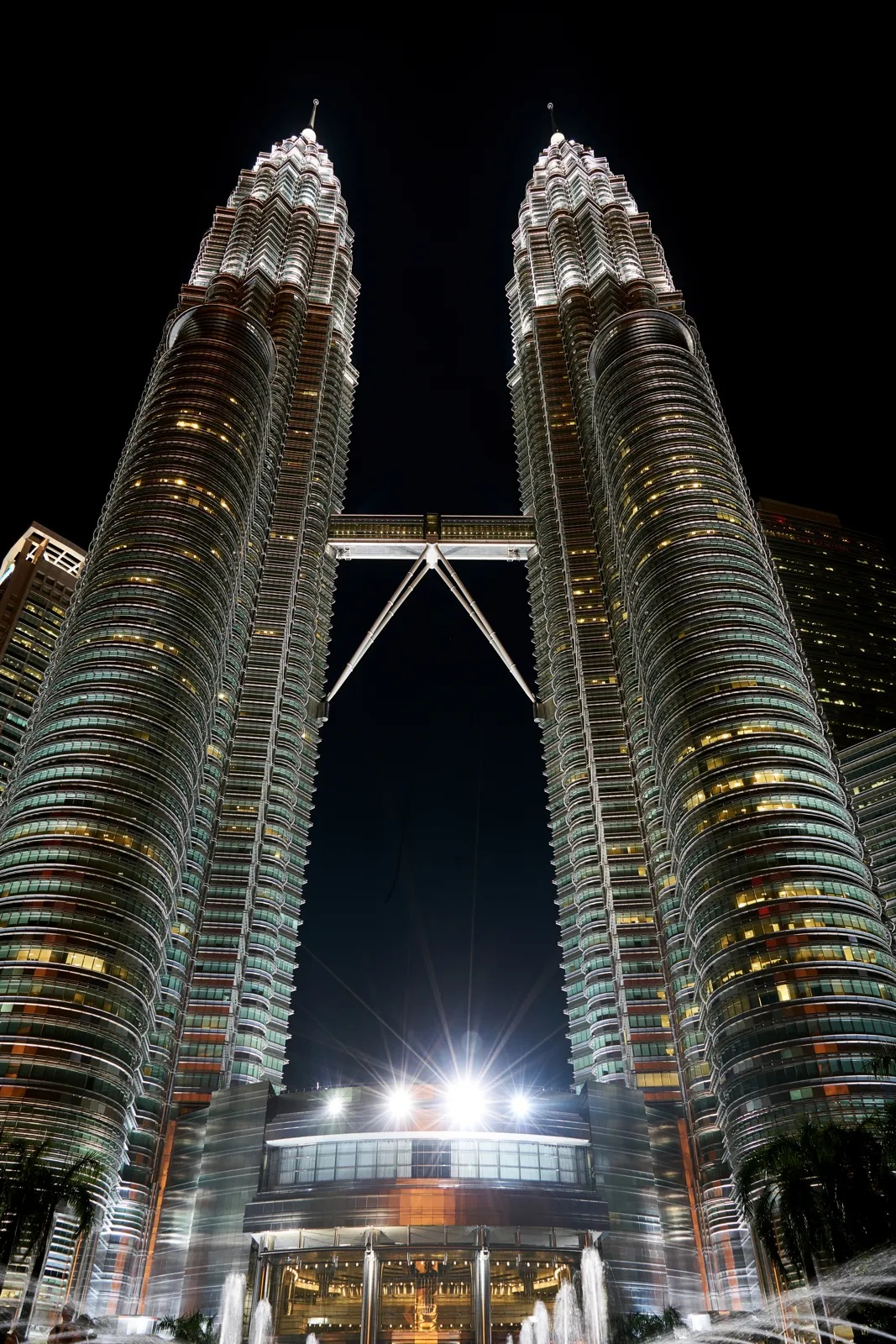
Kuala Lumpur can be visited year-round, but the best time to visit Kuala Lumpur is from June to August, along with February: these are the least rainy months, while the heat stays steady around 33 °C (91 °F) in the afternoon. April and especially October–November are the stormiest. The Malaysian capital has an equatorial climate: no cold season, high humidity and frequent thunderstorms, which break out mostly in the late afternoon and evening.
The choice of dates therefore depends less on the city’s weather than on your itinerary: the west coast (Penang, Langkawi) is drier from December to March, while the islands of the east coast (Perhentian, Redang, Tioman) only really open from April to September. This page details Kuala Lumpur’s climate month by month based on the official normals, then the best time depending on your project.

Our travel deals for Kuala Lumpur
Affiliate links: we earn a commission, at no extra cost to you.
 FlightsKiwi.comCompare flights and airline combinations to Kuala Lumpur.Compare flights
- eSIMAiraloData plan to install before you leave (eSIM-compatible phone).See plans


When to go to Kuala Lumpur at a glance
- Least rainy months June (146 mm, 5.7 in), July, August and February
- Wettest months November (356 mm, 14.0 in), April and October
- Temperatures 32 to 34 °C (90 to 93 °F) in the afternoon, about 24 °C (75 °F) at night, all year
- Watch for haze is possible, linked to forest fires in Indonesia, between June and October (UK FCDO, GOV.UK, updated 19 March 2026)
- Festivals Chinese New Year and Thaipusam (January–February), Hari Raya Aidilfitri (end of Ramadan, variable date), National Day on August 31, Deepavali (October–November)
- Our tip June to August to combine the capital with the east coast islands; December to March to pair it with Penang and Langkawi
Kuala Lumpur: the calendar at a glance
✅ Best months: January, February, may, June, July, August
❌ Period to avoid: November

Kuala Lumpur climate month by month
| Month | Avg. max | Avg. min | Rain | Crowds | Prices | Verdict |
|---|---|---|---|---|---|---|
| January | 32.6 °C (91 °F) | 23.8 °C (75 °F) | 227 mm (8.9 in) | Moderate (high at Chinese New Year) | Moderate | Moderate storms, festivals ✅ |
| February | 33.3 °C (92 °F) | 24.0 °C (75 °F) | 193 mm (7.6 in) | Moderate | Moderate | Little rain for the season ✅ |
| March | 33.7 °C (93 °F) | 24.5 °C (76 °F) | 270 mm (10.6 in) | Moderate | Moderate | Hot, storms increasing ⚠️ |
| April | 33.7 °C (93 °F) | 24.7 °C (76 °F) | 302 mm (11.9 in) | Moderate | Moderate | Frequent afternoon storms ⚠️ |
| May | 33.6 °C (92 °F) | 25.0 °C (77 °F) | 230 mm (9.1 in) | Moderate | Moderate | Good compromise ✅ |
| June | 33.3 °C (92 °F) | 24.8 °C (77 °F) | 146 mm (5.7 in) | Moderate | Moderate | Least rainy month ✅ |
| July | 32.8 °C (91 °F) | 24.4 °C (76 °F) | 165 mm (6.5 in) | High (school holidays in Europe and North America) | High | Little rain, risk of haze ✅ |
| August | 32.8 °C (91 °F) | 24.5 °C (76 °F) | 174 mm (6.9 in) | High (school holidays in Europe and North America) | High | Little rain, National Day on the 31st ✅ |
| September | 32.7 °C (91 °F) | 24.2 °C (76 °F) | 220 mm (8.7 in) | Moderate | Moderate | Rain increasing, haze possible ⚠️ |
| October | 32.6 °C (91 °F) | 24.2 °C (76 °F) | 284 mm (11.2 in) | Low | Low | Frequent storms ⚠️ |
| November | 32.3 °C (90 °F) | 24.1 °C (75 °F) | 356 mm (14.0 in) | Low | Low | Wettest month ❌ |
| December | 32.0 °C (90 °F) | 24.0 °C (75 °F) | 281 mm (11.1 in) | Moderate (high over the holidays) | Moderate → high | Rainy, holiday crowds ⚠️ |
According to the same normals, there are from 10 days of rain in June to 20 in November. Even in the wettest months, mornings are often dry: schedule outdoor visits (Batu Caves, Perdana Botanical Garden) early, and keep museums, shopping malls and tours for the afternoon.
Seasons in Kuala Lumpur
December to March: northeast monsoon
The northeast monsoon hits mainly the east coast of the peninsula. In Kuala Lumpur, sheltered by the Titiwangsa Range, it means still abundant rain in December and January, then a lull in February.
- Pros: dry west coast (Penang, Langkawi, Malacca), Chinese New Year and Thaipusam festivals
- Cons: east coast islands largely closed; crowds and prices rise around the festivals
- Who is it for? Travelers who go during the northern winter and combine Kuala Lumpur with Penang and Langkawi
April–May: inter-monsoon
Between the two monsoons, convective thunderstorms are frequent on the west coast: April is the capital’s second-wettest month (302 mm, 11.9 in). May improves.
- Pros: moderate prices, east coast islands reopening
- Cons: violent late-day storms, very humid heat
- Who is it for? Flexible travelers who sightsee in the morning
June to September: southwest monsoon
Sheltered by the island of Sumatra, the peninsula receives little rain from this monsoon: it is the driest period in Kuala Lumpur, from 146 mm (5.7 in) in June to 174 mm (6.9 in) in August.
- Pros: less rain, east coast islands in full season, National Day on August 31
- Cons: school holidays in Europe and North America (prices up), risk of haze from fires in Indonesia (the UK FCDO says haze can occur between June and October and can disrupt local travel and regional air travel; GOV.UK, updated 19 March 2026)
- Who is it for? Summer travelers combining the capital with the Perhentian, Redang or Tioman islands
October–November: autumn inter-monsoon
The rains clearly pick up, peaking at 356 mm (14.0 in) in November. Storms can cause sudden flooding in some streets. The UK FCDO notes that flooding and landslides are common during seasonal storms and can interrupt essential services (GOV.UK, updated 19 March 2026).
- Pros: low prices, few tourists, Deepavali in October or November
- Cons: near-daily rain, east coast closing
- Who is it for? Short city stays or stopovers
Kuala Lumpur and the rest of Malaysia
The capital’s climate does not sum up that of the country. Here is a comparison with three other regions often paired with a stay:
| Month | Kuala Lumpur | Penang (west coast) | Kota Bharu (east coast) | Kota Kinabalu (Borneo) |
|---|---|---|---|---|
| January | 32.6 °C (91 °F) / 227 mm (8.9 in) | 31.9 °C (89 °F) / 80 mm (3.1 in) | 29.5 °C (85 °F) / 150 mm (5.9 in) | 31.3 °C (88 °F) / 141 mm (5.6 in) |
| February | 33.3 °C (92 °F) / 193 mm (7.6 in) | 32.4 °C (90 °F) / 86 mm (3.4 in) | 30.4 °C (87 °F) / 69 mm (2.7 in) | 31.4 °C (89 °F) / 78 mm (3.1 in) |
| March | 33.7 °C (93 °F) / 270 mm (10.6 in) | 32.6 °C (91 °F) / 146 mm (5.7 in) | 31.4 °C (89 °F) / 140 mm (5.5 in) | 32.1 °C (90 °F) / 93 mm (3.7 in) |
| April | 33.7 °C (93 °F) / 302 mm (11.9 in) | 32.3 °C (90 °F) / 188 mm (7.4 in) | 32.6 °C (91 °F) / 93 mm (3.7 in) | 33.0 °C (91 °F) / 123 mm (4.8 in) |
| May | 33.6 °C (92 °F) / 230 mm (9.1 in) | 32.1 °C (90 °F) / 229 mm (9.0 in) | 33.0 °C (91 °F) / 116 mm (4.6 in) | 33.1 °C (92 °F) / 212 mm (8.3 in) |
| June | 33.3 °C (92 °F) / 146 mm (5.7 in) | 32.0 °C (90 °F) / 164 mm (6.5 in) | 32.7 °C (91 °F) / 138 mm (5.4 in) | 32.6 °C (91 °F) / 284 mm (11.2 in) |
| July | 32.8 °C (91 °F) / 165 mm (6.5 in) | 31.6 °C (89 °F) / 190 mm (7.5 in) | 32.3 °C (90 °F) / 155 mm (6.1 in) | 32.3 °C (90 °F) / 288 mm (11.3 in) |
| August | 32.8 °C (91 °F) / 174 mm (6.9 in) | 31.4 °C (89 °F) / 246 mm (9.7 in) | 32.2 °C (90 °F) / 158 mm (6.2 in) | 32.4 °C (90 °F) / 279 mm (11.0 in) |
| September | 32.7 °C (91 °F) / 220 mm (8.7 in) | 31.1 °C (88 °F) / 316 mm (12.4 in) | 31.9 °C (89 °F) / 163 mm (6.4 in) | 32.2 °C (90 °F) / 287 mm (11.3 in) |
| October | 32.6 °C (91 °F) / 284 mm (11.2 in) | 31.0 °C (88 °F) / 337 mm (13.3 in) | 31.1 °C (88 °F) / 267 mm (10.5 in) | 31.8 °C (89 °F) / 387 mm (15.2 in) |
| November | 32.3 °C (90 °F) / 356 mm (14.0 in) | 31.1 °C (88 °F) / 233 mm (9.2 in) | 29.8 °C (86 °F) / 677 mm (26.7 in) | 31.9 °C (89 °F) / 283 mm (11.1 in) |
| December | 32.0 °C (90 °F) / 281 mm (11.1 in) | 31.3 °C (88 °F) / 117 mm (4.6 in) | 29.2 °C (85 °F) / 572 mm (22.5 in) | 31.7 °C (89 °F) / 262 mm (10.3 in) |
- Penang and Langkawi (west coast): dry from December to February (less than 120 mm (4.7 in) a month in Penang), very wet in September–October.
- East coast (Perhentian, Redang, Tioman): best avoided from November to January (677 mm (26.7 in) in November in Kota Bharu); ideal from March–April to September.
- Malacca: a climate close to that of the capital.
- Borneo (Kota Kinabalu): driest from February to April. The UK FCDO advises against all but essential travel to all islands and dive sites off the coast of eastern Sabah, from Sandakan to Tawau, due to the threat of kidnapping; this does not apply to the mainland of Sabah (GOV.UK, updated 19 March 2026). The U.S. State Department also urges caution in eastern Sabah (travel.state.gov, last updated February 26, 2026).
For details on all regions, see our page on when to go to Malaysia.
When to go to Kuala Lumpur by trip type
| Trip | Best time | Tip |
|---|---|---|
| City break, stopover | Year-round | Sightsee in the morning, museums in the afternoon |
| Kuala Lumpur + east coast islands | June to August | Book the islands early in summer |
| Kuala Lumpur + Penang and Langkawi | December to March | Avoid September–October on the west coast |
| Festivals and cultures | January–February (Chinese New Year, Thaipusam) | Hotels full during the festivals |
| Budget | October–November | Plan indoor activities |
Festivals and events in Kuala Lumpur
| Period | Event | Where? |
|---|---|---|
| January or February (lunar calendar) | Chinese New Year | Chinatown, Thean Hou Temple |
| January or February (Tamil month of Thai) | Thaipusam, major Hindu festival | Batu Caves |
| Variable date (end of Ramadan) | Hari Raya Aidilfitri | Citywide, Kampung Baru |
| August 31 | National Day (Merdeka) | Merdeka Square |
| October or November | Deepavali, festival of lights | Little India, Brickfields |
Kuala Lumpur month by month
January: light rain (227 mm, 8.9 in), Chinese New Year or Thaipusam depending on the year; a good month to combine with Penang.
February: one of the least rainy months (193 mm, 7.6 in); festivals possible, dry west coast.
March: rising heat (33.7 °C, 93 °F) and more frequent storms; still a good month for the west coast and Borneo.
April: frequent afternoon storms (302 mm, 11.9 in); east coast islands reopen.
May: rain easing (230 mm, 9.1 in), a good compromise before summer.
June: the least rainy month (146 mm (5.7 in), about 10 days of rain); ideal with the east coast.
July: little rain (165 mm, 6.5 in), school holidays in Europe and North America; watch for haze.
August: still dry for the region (174 mm, 6.9 in), National Day on August 31.
September: rain increasing (220 mm, 8.7 in), haze possible, fewer people.
October: frequent storms (284 mm, 11.2 in), low prices; Deepavali possible.
November: the wettest month (356 mm (14.0 in), about 20 days of rain); city stays only.
December: still rainy (281 mm, 11.1 in); crowds and prices rise for the holidays.
When to book
Book flights two to four months ahead for July–August and the year-end holidays, and one to two months ahead for the rest of the year. Hotels are plentiful in Kuala Lumpur, but those in Bukit Bintang and KLCC fill up during the major festivals and local long weekends. For the Petronas Towers, see our guide to the Petronas Towers for tickets and opening hours.
Planning your trip
- Entry requirements: see our page on the entry requirements for Malaysia, with the rules for US and UK citizens, including the online Malaysia Digital Arrival Card (MDAC) required on arrival (travel.state.gov, last updated February 26, 2026).
- Time difference: Malaysia is on UTC+8 all year (no daylight saving time): 8 hours ahead of London in winter and 7 in summer; 13 hours ahead of New York in winter and 12 in summer.
- Currency: the ringgit (MYR); estimate your budget with our currency converter.
- Health: dengue is among the health risks listed by the UK FCDO (GOV.UK, updated 19 March 2026): protect yourself against mosquito bites and check the latest vaccine recommendations before you go. When there is haze, check air quality forecasts and limit exertion outdoors; the U.S. State Department notes that air quality is usually worst in the dry season from July to October because of large agricultural fires in the area (travel.state.gov, last updated February 26, 2026).
Frequently asked questions
What is the best month to go to Kuala Lumpur?
June is the least rainy month (146 mm (5.7 in) according to the 1991–2020 normals for the Subang station), followed by July, August and February. Temperatures vary little: about 33 °C (91 °F) in the afternoon all year.
When does it rain the most in Kuala Lumpur?
In November (356 mm (14.0 in) and about 20 days of rain), then in April and October. Storms break out mostly in the late afternoon.
Is Kuala Lumpur hot all year?
Yes: average highs range from 32 to 34 °C (90 to 93 °F) and lows stay around 24 °C (75 °F), with high humidity.
Can you go to Kuala Lumpur during the monsoon?
Yes. The capital is partly sheltered and storms are short; the northeast monsoon (November–March) mainly affects the east coast and its islands.
What is the best time to combine Kuala Lumpur and the islands?
June to August for the east coast islands (Perhentian, Redang, Tioman); December to March for Penang and Langkawi, on the west coast.
What is haze in Kuala Lumpur?
Air pollution linked to forest fires, notably in Indonesia, which can seriously degrade air quality. The UK FCDO says forest fires in Indonesia can cause haze between June and October, and that it can disrupt local travel and regional air travel (GOV.UK, updated 19 March 2026).
Our sources
- Climate: 1991–2020 normals for the Subang station (Kuala Lumpur), Malaysian Meteorological Department, published by the World Meteorological Organization (NOAA archive); Bayan Lepas, Kota Bharu and Kota Kinabalu stations, same sources
- Safety, health and entry information read on 24 October 2026: UK FCDO, foreign travel advice for Malaysia (GOV.UK, updated 19 March 2026), and U.S. Department of State, Malaysia country information (travel.state.gov, last updated February 26, 2026)
- Our methodology
Updated November 2026.
To plan your stay, see our Kuala Lumpur guide, our Malaysia travel guide, and compare with when to go to Singapore or our ideas for where to go in July and where to go in February.