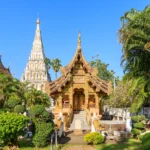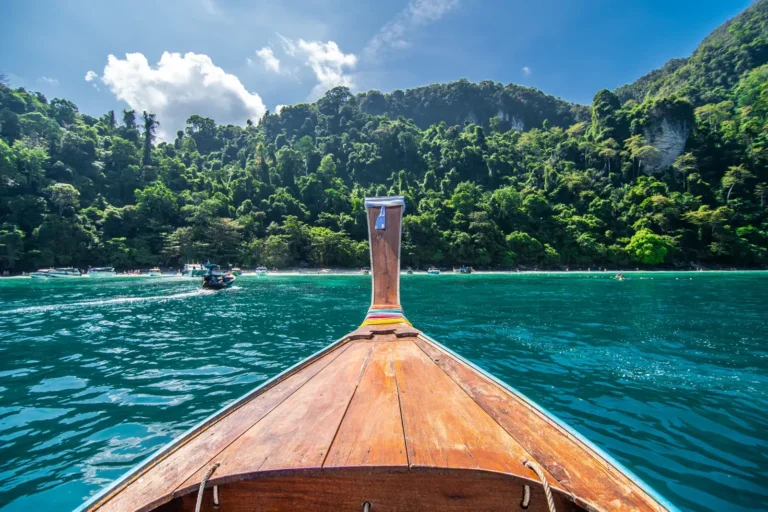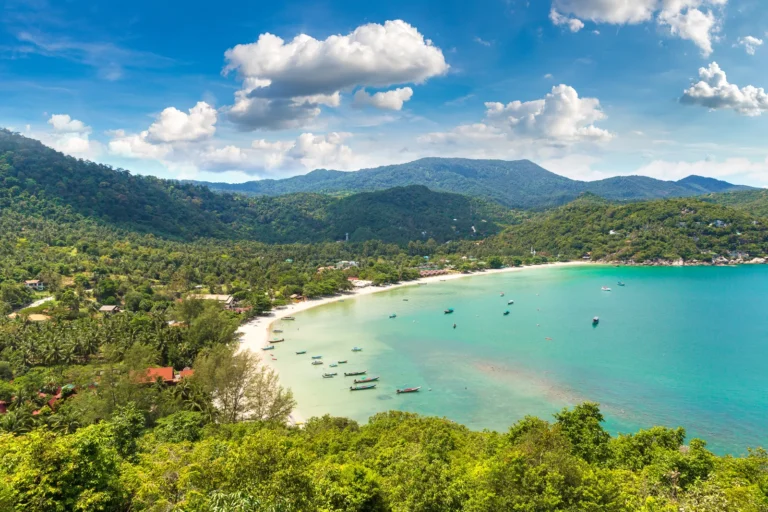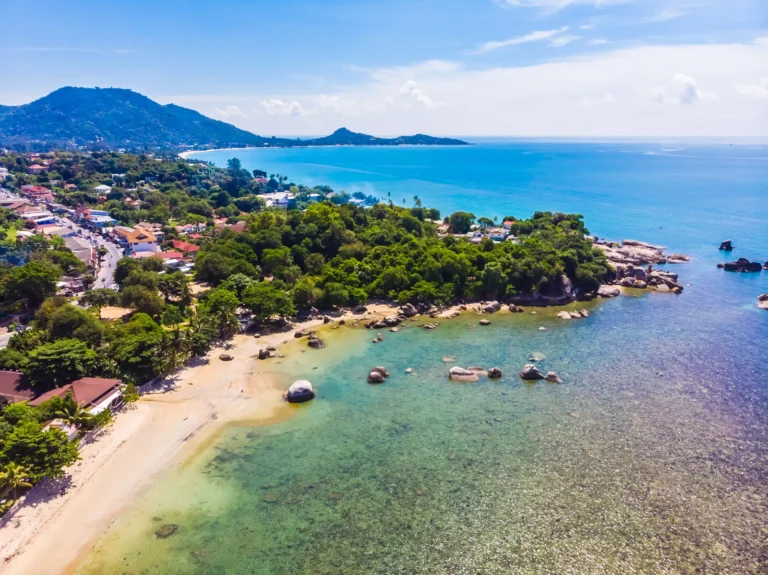
Chiang Mai, the main city of northern Thailand, was once the capital of the Lanna kingdom. Its square old city, ringed by a moat and remains of the walls, is home to dozens of temples. Around it, forested mountains offer hiking, waterfalls and the country’s highest peak. The city is also known for its night markets, northern cuisine and cooking classes. What to do in Chiang Mai? This Chiang Mai travel guide helps you choose your temples, day trips and neighbourhood for a 3- to 5-day stay.
Safety: the city of Chiang Mai is not in an area covered by a travel warning. However, the northern parts of Chiang Mai, Chiang Rai and Mae Hong Son provinces run along the Myanmar border, where, according to the UK FCDO (GOV.UK, updated 12 October 2026), the security situation is unpredictable and liable to change without notice. Before a trip north (Doi Ang Khang, Fang, Mae Sai, the Golden Triangle, Mae Hong Son), check the latest US and UK travel advice and stay away from the border.
Flights London → Chiang Mai
“From” fare provided by Kiwi.com (affiliate link), seen in recent searches; it varies with dates.

Our travel deals for Chiang Mai
Affiliate links: we earn a commission, at no extra cost to you.
 Learn the languageTargumiLearn a few words of Thai before you go — 30% off via our link.See the course
- Airport transferKiwitaxiPrivate driver booked in advance at a fixed price.Book a transfer
- Tickets and toursTiqetsEntry tickets and guided tours to book online; compare with the official price.See tickets
- eSIMSailyAnother eSIM plan to compare: data, validity, network.See Saily plans




Chiang Mai: key facts
- Airport: Chiang Mai International Airport, a few kilometres southwest of the old city
- Getting there: from outside Asia, usually with at least one connection (Bangkok or another hub); check the routing when you book
- From Bangkok: about an hour by plane, or one night by train
- Ideal length of stay: 3 to 5 days, plus extensions to Chiang Rai or the mountains
- Best time: November to January
- Time difference: Thailand is on UTC+7 with no daylight saving: 7 hours ahead of London in winter (GMT) and 6 hours in summer (BST); 12 hours ahead of New York in winter (EST) and 11 hours in summer (EDT). Details.
- Entry: US and UK citizens: visa-exempt entry of up to 30 days per entry, for tourism only, since 15 September 2026 (Tourism Authority of Thailand, 1 September 2026; GOV.UK, 12 October 2026); pre-arrival online registration for US citizens (travel.state.gov); passport valid 6 months, Thailand Digital Arrival Card (TDAC). Check tatnews.org, travel.state.gov and GOV.UK
- Currency: the Thai baht (THB)
- Typical budget: roughly ฿1,100–1,900 per person per day on a tight budget, ฿3,000–6,100 for a comfortable trip
Things to do in Chiang Mai: the highlights
The old city and its temples
Inside the moat, the main temples are easy to visit on foot: Wat Phra Singh, one of the most revered in the city, with its Lanna-style buildings; Wat Chedi Luang and the ruins of its huge chedi, partly collapsed in the 16th century; and Wat Chiang Man, considered the oldest temple in the city. Tha Phae Gate, on the east side, is the best-known landmark. Cover your shoulders and knees and take off your shoes before entering the buildings.
Wat Phra That Doi Suthep
Perched on the mountain that overlooks the city to the west, this temple is the symbol of Chiang Mai. You climb a staircase of more than 300 steps lined with nagas (there is also a funicular). The golden chedi and, on a clear day, the view over the valley make the trip worthwhile. Come early in the morning to avoid the crowds and the heat. The royal winter palace of Bhubing is a little higher up.
Night markets
The Night Bazaar, east of the old city, runs every evening. On Sundays, Ratchadamnoen Road and the streets around it become a large pedestrian market (Sunday Walking Street), and on Saturdays it is the turn of Wualai Road, to the south, known for its silversmiths. You will find handicrafts, clothes and plenty of food stalls.
Nimman and the university area
West of the old city, the Nimmanhaemin area is packed with cafés, restaurants, galleries and shops popular with students and expats. It is a good place for an evening out in a more modern setting.
Doi Inthanon National Park
About two hours’ drive southwest, Doi Inthanon is the highest mountain in Thailand. The park has waterfalls, hiking trails through high-altitude forest, two large chedis built in honour of the King and Queen, and hill villages. It is much cooler than in town: bring a jacket, especially from November to February.
Elephants: choosing an ethical sanctuary
Many camps and sanctuaries are set up in the valleys around Chiang Mai. Choose those that offer neither elephant rides nor shows, and where you observe the animals in as natural a setting as possible. Ask about visitor numbers and the animals’ living conditions before booking.
Cooking classes and crafts
Chiang Mai is one of the best-known places in the country for Thai cooking classes, often including a market visit. Try the northern specialities too, such as khao soi (curry noodle soup). East of the city, the San Kamphaeng road and the village of Bo Sang are known for their painted umbrellas, silk and ceramics.
Massage, Muay Thai and evenings out
Thai massage parlours are everywhere in the old city, at lower prices than in Bangkok. Several stadiums host Muay Thai fights in the evening, and training camps offer beginner classes. In the evening, life is split between the night markets, the bars of Nimman and the terraces around Tha Phae Gate.
Chiang Rai and the White Temple
About three hours’ drive north, Chiang Rai can be visited as a day trip or an overnight stop. Wat Rong Khun (the White Temple) and Wat Rong Suea Ten (the Blue Temple) are the best known. The Golden Triangle and the town of Mae Sai are on the Myanmar border: check the latest US and UK travel advice before going further north.
Itinerary: 3 to 5 days in Chiang Mai
- Day 1: the old city on foot (Wat Phra Singh, Wat Chedi Luang, Wat Chiang Man), then the Night Bazaar
- Day 2: Wat Phra That Doi Suthep in the morning, the Nimman area in the afternoon
- Day 3: an ethical elephant sanctuary or a cooking class
- Day 4: a day in Doi Inthanon National Park
- Day 5: a day trip to Chiang Rai (White Temple, Blue Temple), or crafts in San Kamphaeng and Bo Sang
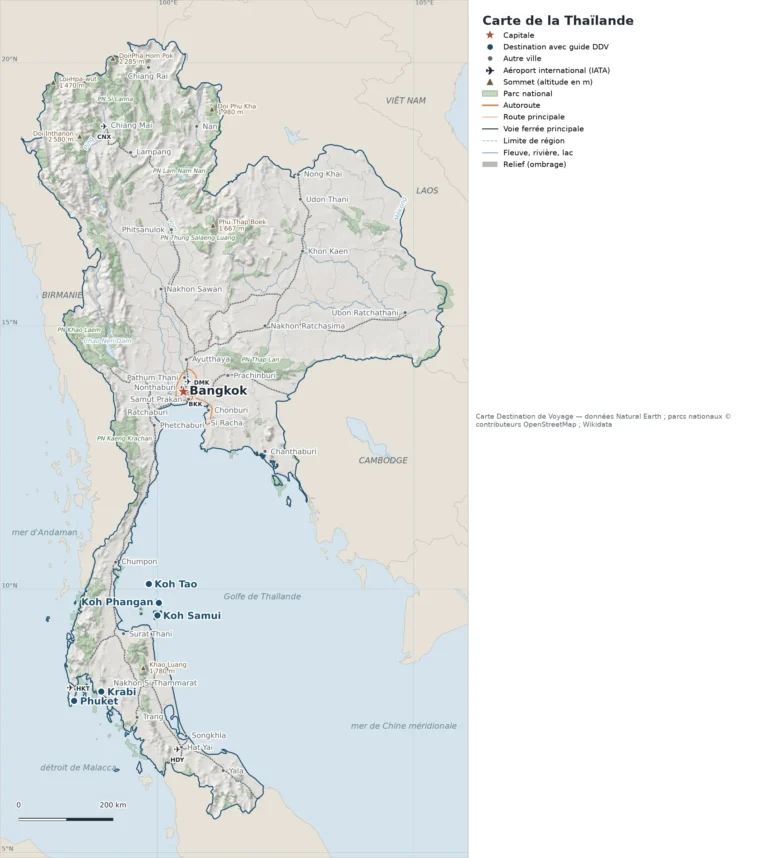
With two weeks in Thailand, allow 3 to 5 days in Chiang Mai, then Bangkok and a beach region: the Andaman coast from November to April, the Gulf islands from February to September.
Where to stay in Chiang Mai
- Old city: ideal for a first visit, with temples and the Sunday market within walking distance; plenty of guesthouses
- Tha Phae and Night Bazaar area: convenient and lively, between the old city and the river
- Ping River banks: quieter, boutique hotels
- Nimman: modern, cafés and restaurants, a few minutes by car from the old city
- Outside the city: lodges and resorts in the valleys (Mae Rim, Mae Taeng), for peace and nature
Options range from hostels to Lanna-style hotels. Air conditioning is useful from March to October; in December and January, nights are cool. For Yi Peng, Songkran and the year-end holidays, book several months ahead.
Getting around Chiang Mai
- On foot: the old city is easy to explore on foot.
- Red songthaews: shared pick-up trucks that circulate around town; give your destination and agree on the fare before getting in.
- Ride-hailing apps: Grab and Bolt work in town and to the airport.
- Tuk-tuks: handy for short rides; negotiate the fare.
- Day trips: for Doi Inthanon or Chiang Rai, a car with driver or an organised tour saves you driving on mountain roads.
- Scooters: very common but dangerous: the WHO ranks Thailand among the deadliest countries for motorcycle fatalities, and UK drivers need the 1968 International Driving Permit alongside their licence (UK FCDO, GOV.UK, updated 12 October 2026). Check that your travel insurance covers you.
- From Bangkok: domestic flights, the overnight train (book your berth in high season) or bus.
When to go to Chiang Mai
✅ Best months: January, February, November, December
❌ Period to avoid: March, August
The best time is November to January: dry weather, afternoons around 30 °C (86 °F) and cool nights (about 16 °C (61 °F)), according to the Thai Meteorological Department’s normals. February is still pleasant. March and April are very hot (average highs up to 36.7 °C (98 °F)) and often smoky from crop burning. From May to October, the rainy season peaks in August. Month-by-month weather and festivals: see our article on the best time to visit Chiang Mai.
Budget for a trip to Chiang Mai
Chiang Mai is one of the cheapest cities in Thailand for travellers. Typical amounts per person per day, excluding flights (converted at an indicative rate of 1 € ≈ 38 THB):
| Item | Tight budget | Comfortable |
|---|---|---|
| Accommodation (based on a shared double room) | roughly ฿400–750 | roughly ฿1,500–3,400 |
| Meals | roughly ฿300–550 | roughly ฿750–1,500 |
| Local transport | roughly ฿100–250 | roughly ฿400–750 |
| Activities and day trips | roughly ฿400–750 | roughly ฿750–1,900 |
| Total per day | roughly ฿1,100–1,900 | roughly ฿3,000–6,100 |
To cut costs: eat at markets and small khao soi restaurants, share a songthaew or a car with other travellers for day trips, and travel between May and October.
Who is Chiang Mai for?
Our verdicts by traveller type, based on the places, conditions and budget ranges in this guide:
- Culture lovers: ideal: dozens of temples in the old city, Wat Phra That Doi Suthep, the White Temple in Chiang Rai as a day trip.
- Foodies: an excellent choice: Thai cooking classes with a market visit, khao soi, night market stalls.
- Budget travellers: a great fit: roughly ฿1,100–1,900 a day, one of the cheapest cities in Thailand. Avoid Yi Peng, Songkran and the year-end holidays if you want low prices.
- Nature and hiking: a good choice: Doi Inthanon National Park, waterfalls and hill villages; a car with driver saves you driving on mountain roads.
- Families: yes: an ethical elephant sanctuary, weekend markets, the cool air of Doi Inthanon. Avoid March and April, which are very hot and smoky from crop burning.
- Couples: yes: boutique hotels on the Ping River, lodges in the Mae Rim and Mae Taeng valleys, massages and the cafés of Nimman.
- Beach lovers: no: Chiang Mai is in the northern mountains. Combine it with the Andaman coast from November to April or the Gulf islands from February to September.
Entry requirements, health and safety
- Entry: US citizens (U.S. Department of State, page updated August 20, 2026): pre-arrival online registration is required; a passport valid for at least six months beyond arrival is strongly recommended, and you may be asked for an onward or return ticket or proof of funds. UK citizens (GOV.UK, updated 12 October 2026): passport valid for at least 6 months after arrival, with 1 blank page; from 15 September 2026, visa-exempt entry is up to 30 days, for tourism only; you may need proof of funds (10,000 THB per person or 20,000 THB per family) and onward travel. The Thailand Digital Arrival Card (TDAC) has been mandatory for all foreign nationals since 1 May 2025 and can be completed within 3 days before arrival. The U.S. State Department page (last updated August 20, 2026) still mentions 60 days, but it predates the change: under the Thai rules in force since 15 September 2026, US citizens are also limited to 30 days (Tourism Authority of Thailand, 1 September 2026). Check with the Royal Thai Embassy in Washington before you travel. Details: travel.state.gov and GOV.UK. According to the UK FCDO, possessing or using vapes and e-cigarettes is illegal in Thailand, with fines typically of 5,000–30,000 THB.
- Myanmar border: the UK FCDO (GOV.UK, updated 12 October 2026) says the security situation in Myanmar is unpredictable and liable to change without notice; check the latest US and UK advice before heading north. The FCDO also warns of job offers that are too good to be true: people have been illegally transported to neighbouring countries for jobs that turned out to be scams.
- Health: according to the UK FCDO, a yellow fever certificate is required only if you arrive from a country with a risk of yellow fever transmission; check TravelHealthPro or the CDC for recommended vaccines; the UK FCDO lists malaria and dengue among the health risks in Thailand. Insurance covering medical costs and evacuation is essential.
- Air quality: during the smoky season (mainly February to April), limit outdoor exertion on heavily polluted days.
- Roads: take care on two-wheelers, at night and on mountain roads.
- Rainy season: the UK FCDO warns that caves, lakes and waterfalls are particularly at risk of flash flooding during this period.
- Emergencies: Tourist Police on 1155.
Practical tips for Chiang Mai
- Money: cards are accepted in hotels and some restaurants; markets, songthaews and small restaurants are cash only. Local banks charge a fee for withdrawals with a foreign card.
- Temples: cover up, take off your shoes, and women should avoid physical contact with monks.
- Trekking: use a reputable agency, ask for the exact route and make sure it stays well away from the Myanmar border.
- Internet: a local SIM card or eSIM is inexpensive; Wi-Fi is common in cafés and accommodation.
- Etiquette: the royal family and Buddhism are deeply respected; do not point your feet at a person or a Buddha statue.
- Language: Locals appreciate the effort: learn a few words of Thai before you go with Targumi, with 30% off via our link.
Read next
To set your dates, read the best time to visit Chiang Mai, including the burning season and festivals, then compare with the best time to visit Thailand to plan the beach part of your trip; our page on Thailand in November covers the best month for the north. Before you leave, check the time difference in Thailand. For your next stop, our Bangkok guide covers the capital, and our Thailand or Vietnam comparison helps you choose between the two countries.
Frequently asked questions
How many days do you need in Chiang Mai?
Three days are enough for the old city, Doi Suthep and a night market. Allow four to five days to add Doi Inthanon, an elephant sanctuary or Chiang Rai.
How do you get from Bangkok to Chiang Mai?
By plane (about an hour, many daily flights), by overnight train or by bus. The overnight train saves you a night in a hotel; book your berth in advance in high season.
Are there direct international flights to Chiang Mai?
Long-haul travellers usually connect: most fly via Bangkok or another Asian hub.
Is Chiang Mai safe?
The city is not in an area covered by a travel warning. The Myanmar border, in the north of the province, is a different matter: the UK FCDO (GOV.UK, updated 12 October 2026) describes the security situation in Myanmar as unpredictable and liable to change without notice, so check the latest advice and stay away from the border. The main risks in town are road traffic and petty theft.
Should you go to Pai or Chiang Rai from Chiang Mai?
Chiang Rai is easy to visit as a day trip. Pai and Mae Hong Son are in a province that runs along the Myanmar border: check the latest US and UK travel advice before going and stay away from the border.
What to do in Chiang Mai in 3 days?
Day 1: the old city temples (Wat Phra Singh, Wat Chedi Luang, Wat Chiang Man) and a night market. Day 2: Doi Suthep in the morning, Nimman in the afternoon, a cooking class in the evening. Day 3: Doi Inthanon National Park or a day at an ethical elephant sanctuary.
Chiang Mai or Bangkok: which should you choose?
The two complement each other. Bangkok is a huge capital, with major temples and nightlife; Chiang Mai is smaller and calmer, with Lanna culture, mountains and outdoor activities. A domestic flight or the overnight train links them.
Our sources
- Chiang Mai climate normals: 1991–2020 climate normals for the Chiang Mai station (WMO 48327), Thai Meteorological Department, published by the World Meteorological Organization (NOAA archive)
- Entry requirements, safety and health checked on 24 October 2026: Tourism Authority of Thailand, TAT Newsroom, 1 September 2026: new 30-day visa exemption rules from 15 September 2026; UK FCDO, GOV.UK foreign travel advice: Thailand (updated 12 October 2026); U.S. Department of State, travel.state.gov: Thailand (last updated August 20, 2026)
- Our methodology
Updated October 2026.
To combine Chiang Mai with Bangkok and the beaches, see our Thailand travel guide, the best time to visit Thailand and our other destinations in Asia, such as neighbouring Laos. For the next leg of your trip, see our guides to Bangkok and Phuket.