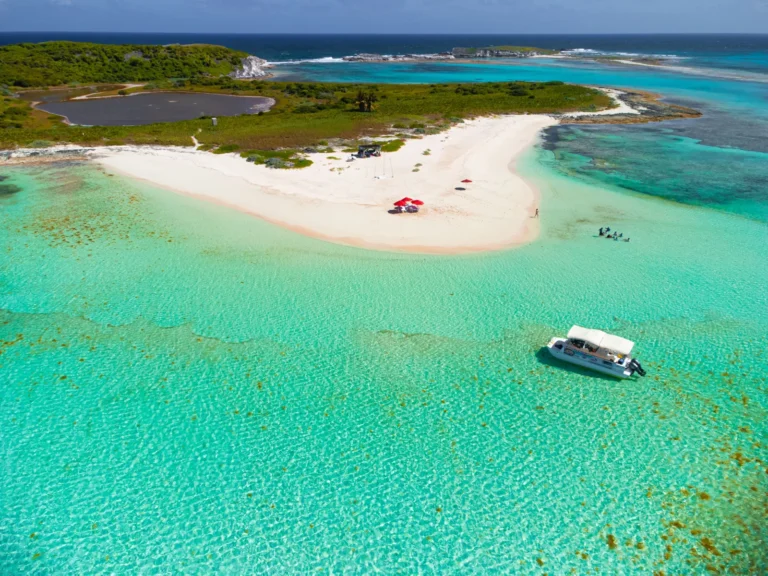
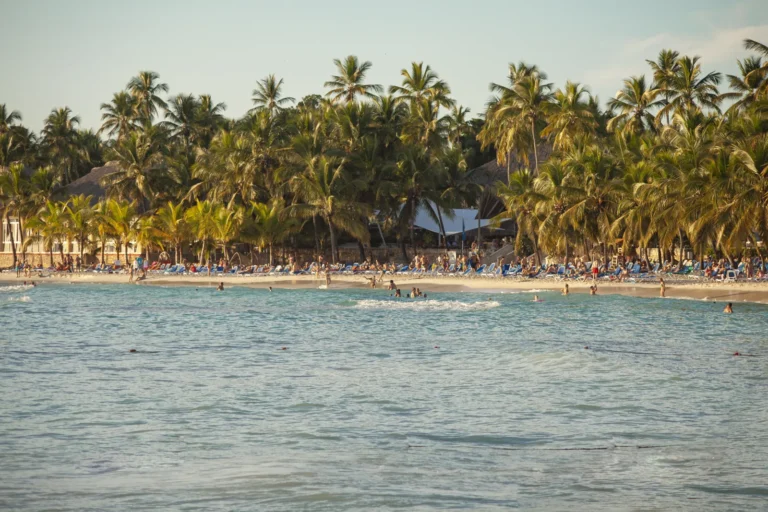
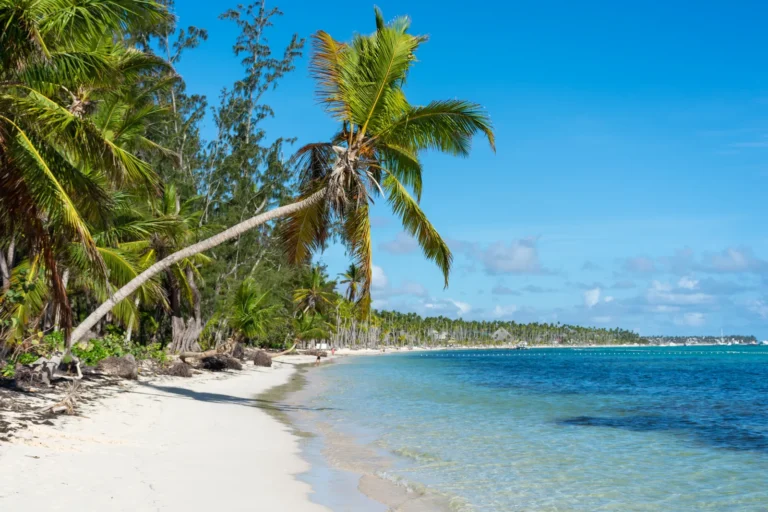
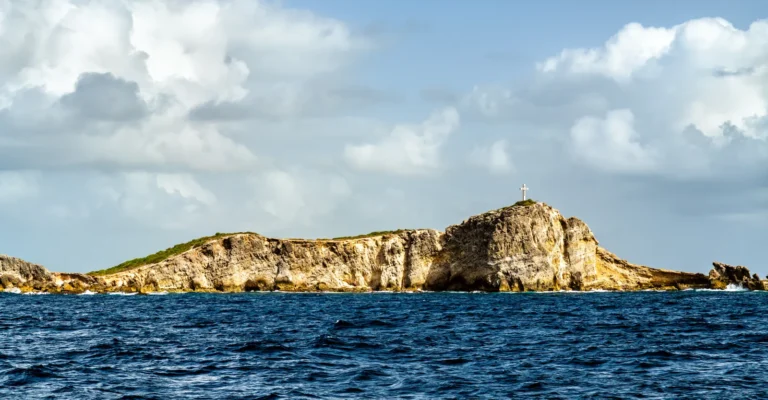
The best time to visit Cuba is the dry season, from December to April: little rain, about 26 to 29 °C (79 to 84 °F) in the afternoon in Havana and a pleasant sea. Conversely, from June to October, the heat turns humid, showers are frequent and it is hurricane season, with the highest risk from late August to October. Climate-wise, Cuba therefore has two clearly marked seasons. The hurricane season also affects the neighboring Greater Antilles: see when to go to Puerto Rico to compare months.

Our travel deals for Cuba
Affiliate links: we earn a commission, at no extra cost to you.
 FlightsKiwi.comCompare flights and airline combinations to Cuba.Compare flights
- eSIMSailyAnother eSIM plan to compare: data, validity, network.See Saily plans


⚠️ Warning: check the official travel advice for Cuba
The UK FCDO foreign travel advice for Cuba (GOV.UK, updated 25 September 2026, checked 11 November 2026) advises against all but essential travel to Cuba: the national grid has collapsed several times, fuel, water and electricity shortages are disrupting transport, medical care and communications, and some airlines have suspended flights. The U.S. State Department’s advisory for Cuba (dated May 6, 2025) is Level 2, Exercise increased caution, due to crime and unreliable electrical power, and notes that U.S. law and regulation prohibit travel to, from, or within Cuba for tourist activities (travel.state.gov).
Cuba is an island about 1200 km (746 mi) long: the west (Havana, Viñales, Varadero) and the east (Santiago de Cuba) do not have quite the same climate. Here is how to choose your month depending on the region and your trip, using the climate normals of Cuba’s Instituto de Meteorología published by the World Meteorological Organization (WMO). To compare with the other major beach destination of the Greater Antilles, see when to go to Punta Cana, with its own normals.
Before any plan: check the current advice from your government’s foreign ministry and the sources above right before booking and before departure.
When to go to Cuba at a glance
- Best period December to April (dry season), with an optimum from January to March
- Beaches (Varadero, the cays) December to May; the water is cooler and the wind sometimes strong in January–February
- Avoid September and October (peak of the rains and hurricanes)
- Hurricane season June to November
- High season and high prices year-end holidays, winter and Easter holiday periods, July–August
- Best value May and November, accepting a little more weather uncertainty
When to go to Cuba by priority
- Best weather: December to April (dry season), with an optimum from January to March
- Cheapest: May, June, September and October, accepting heat, thunderstorms and hurricane risk; May and November offer the best value
- Fewest crowds: May–June and November; in the dry season, the second half of January, March or April outside Easter
- Events: Festival del Caribe (early July) and Santiago de Cuba carnival (July), the New Latin American Cinema Festival in Havana (December); check dates, some events may be canceled
Cuba: the calendar at a glance
✅ Best months: January, February, March, April, November, December
❌ Period to avoid: September, October
Cuba weather month by month
The table below gives the normals for Havana, the arrival point for most travelers and representative of the west and center of the island (Viñales, Varadero, Cienfuegos, Trinidad). Regional differences are detailed below. Havana, Viñales, Varadero, Cienfuegos and Trinidad are shown on our map of Cuba.
| Month | Avg. max | Avg. min | Rain | Crowds | Prices | Verdict |
|---|---|---|---|---|---|---|
| January | 25.8 °C (78 °F) | 18.6 °C (65 °F) | 64.4 mm (2.5 in) | High | High | ✅ Dry, mild, ideal for sightseeing |
| February | 26.1 °C (79 °F) | 18.6 °C (65 °F) | 68.6 mm (2.7 in) | High | High | ✅ Dry and sunny |
| March | 27.6 °C (82 °F) | 19.7 °C (67 °F) | 46.2 mm (1.8 in) | High (winter holidays) | High | ✅ The driest month |
| April | 28.6 °C (83 °F) | 20.9 °C (70 °F) | 53.7 mm (2.1 in) | High (Easter), then moderate | High, then moderate | ✅ Hot and still dry |
| May | 29.8 °C (86 °F) | 22.4 °C (72 °F) | 98.0 mm (3.9 in) | Moderate | Moderate | ⚠️ Heat, rains return late in the month |
| June | 30.5 °C (87 °F) | 23.4 °C (74 °F) | 182.3 mm (7.2 in) | Low | Low | ⚠️ The wettest month in Havana |
| July | 31.3 °C (88 °F) | 23.8 °C (75 °F) | 105.6 mm (4.2 in) | High (holidays) | High | ⚠️ Very hot and humid, thunderstorms |
| August | 31.6 °C (89 °F) | 24.1 °C (75 °F) | 99.6 mm (3.9 in) | High (holidays) | High | ⚠️ The hottest month, hurricane risk |
| September | 31.0 °C (88 °F) | 23.8 °C (75 °F) | 144.4 mm (5.7 in) | Low | Low | ❌ Peak of the hurricane season |
| October | 29.2 °C (85 °F) | 23.0 °C (73 °F) | 180.5 mm (7.1 in) | Low | Low | ❌ Heavy rain, hurricanes still possible |
| November | 27.7 °C (82 °F) | 21.3 °C (70 °F) | 88.3 mm (3.5 in) | Moderate | Moderate | ✅ Gradual return of dry weather |
| December | 26.5 °C (80 °F) | 19.5 °C (67 °F) | 57.6 mm (2.3 in) | Moderate, then very high | Moderate, then very high | ✅ Dry and mild |
Note: from December to April, Havana averages less than 70 mm (2.8 in) of rain a month, often during brief passages of cold fronts from the north. June and October exceed 180 mm (7.1 in). In summer, rain falls mostly as afternoon thunderstorms: mornings often stay sunny.
Sea temperature month by month
In Havana, the sea drops to about 24 °C (75 °F) in February–March, its lowest level, and reaches 28 °C (82 °F) from July to October.
| Month | Havana |
|---|---|
| January | 25 °C (77 °F) |
| February | 24 °C (75 °F) |
| March | 24 °C (75 °F) |
| April | 26 °C (79 °F) |
| May | 27 °C (81 °F) |
| June | 27 °C (81 °F) |
| July | 28 °C (82 °F) |
| August | 28 °C (82 °F) |
| September | 28 °C (82 °F) |
| October | 28 °C (82 °F) |
| November | 27 °C (81 °F) |
| December | 27 °C (81 °F) |
Cuba’s seasons: pros and cons
Dry season (November to April): the ideal period
This is the peak tourist season. The weather is mostly dry and sunny, with highs of 26 to 29 °C (79 to 84 °F) in Havana and nights around 19 °C (66 °F). From December to February, nortes (cold fronts) can cool the air for a few days and stir up the sea on the north coast.
- Pros: pleasant temperatures for walking in the city, passable roads, comfortable hiking in Viñales or the Sierra Maestra
- Cons: prices and crowds at their highest during the year-end holidays and school-holiday periods, cool evenings when cold fronts pass
- Our tip: aim for the second half of January, March or April outside Easter
Wet season (May to October): heat, thunderstorms and hurricanes
The rains return in May and settle in June. It is hot and humid: over 31 °C (88 °F) average high in Havana in July and August. The hurricane season runs from June to November; the risk is highest from late August to October. A hurricane can mean flight cancellations, closures of seaside hotels and service cuts.
- Pros: low prices in May–June and September–October, very green countryside, July festivals in Santiago de Cuba
- Cons: muggy heat, frequent thunderstorms, hurricane risk, heavy crowds in July–August (holiday periods)
- Who is it for? Flexible travelers, with insurance covering weather-related cancellations and extended stays
When to go to Cuba by region
Only the Havana station has climate normals published by the WMO, so we give no figures for the other cities. The main regional trends:
| Region | Climate | Best period |
|---|---|---|
| Havana and Viñales (west) | Clear dry season, cold fronts possible in winter | December – April |
| Varadero and the northern cays | Hot beach climate, wind and rougher sea during cold fronts | December – May |
| Cienfuegos and Trinidad (south coast) | Coast sheltered from northerly winds in winter | November – April |
| Santiago de Cuba and the east | Generally the hottest part of the island | December – April |
Havana and the Viñales Valley
This is the part of the island described by the table above. The best window runs from December to April. In Viñales, the dry season is also the best for hiking around the mogotes and visiting the tobacco farms; in the wet season, trails can become muddy.
Varadero, Cayo Coco and Cayo Santa María
For a beach week, aim for December to May. In January–February, the passage of a cold front can bring wind, cooler water and a rough sea on this north coast for a few days. Like the rest of the island, this coast is exposed to hurricanes in late summer.
Cienfuegos and Trinidad
On the south coast, more sheltered from winter winds, November to April suits the colonial towns, the Valle de los Ingenios and the beaches of the Ancón Peninsula well.
Santiago de Cuba and the Oriente
The east of the island is generally hotter than the west. December to April is the most pleasant period for the city and the Sierra Maestra. Summer there is very hot, but it is the season of Santiago’s big July festivals.
The table below summarizes, month by month, the recommended period for each region.
| Month | Havana and Viñales | Varadero and the northern cays | Cienfuegos and Trinidad | Santiago de Cuba and the east |
|---|---|---|---|---|
| January | ✅ | ✅ | ✅ | ✅ |
| February | ✅ | ✅ | ✅ | ✅ |
| March | ✅ | ✅ | ✅ | ✅ |
| April | ✅ | ✅ | ✅ | ✅ |
| May | ⚠️ | ✅ | ⚠️ | ⚠️ |
| June | ⚠️ | ⚠️ | ⚠️ | ⚠️ |
| July | ⚠️ | ⚠️ | ⚠️ | ⚠️ |
| August | ⚠️ | ⚠️ | ⚠️ | ⚠️ |
| September | ❌ | ❌ | ❌ | ❌ |
| October | ❌ | ❌ | ❌ | ❌ |
| November | ⚠️ | ⚠️ | ✅ | ⚠️ |
| December | ✅ | ✅ | ✅ | ✅ |
When to go to Cuba by trip type
| Your trip | Best time | Where? |
|---|---|---|
| First cultural tour | December – April | Havana, Viñales, Cienfuegos, Trinidad |
| Beach and relaxation | December – May | Varadero, Cayo Coco, Cayo Santa María, Playa Ancón |
| Hiking | December – March | Viñales, Topes de Collantes, Sierra Maestra |
| Diving | December – May (calmer sea) | Bay of Pigs, María la Gorda |
| Music and festivals | July | Santiago de Cuba |
| Budget | May, June, November | Everywhere, accepting a little rain |
| Honeymoon | January – April | Havana, Trinidad, northern cays |
Major events to plan your trip around
| Period | Event | Location |
|---|---|---|
| Early January | Anniversary of the triumph of the Revolution (national holiday) | Nationwide |
| February – March (varies) | Habano (cigar) Festival | Havana |
| Early July | Festival del Caribe (Fiesta del Fuego) | Santiago de Cuba |
| July | Santiago de Cuba Carnival | Santiago de Cuba |
| December | International Festival of New Latin American Cinema | Havana |
Cuba month by month: what to expect
January: Dry and mild (25.8 °C (78 °F) average high in Havana, 18.6 °C (65 °F) at night). Cold fronts possible: bring a sweater. Heavy crowds in the first week.
February: Still dry and sunny, ideal for tours. The sea can be cool and rough on the north coast some days.
March: The driest month in Havana (46.2 mm (1.8 in)). Pleasant heat (27.6 °C (82 °F)), an excellent month to combine city and beach.
April: Hot and still dry (28.6 °C (83 °F)). High prices during the Easter holidays, gentler afterward. A very good month.
May: The rains return (98 mm (3.9 in)). Few people and moderate prices: a good compromise for tight budgets.
June: The wettest month in Havana (182.3 mm (7.2 in)) and the start of the hurricane season. Low prices.
July: Very hot and humid (31.3 °C (88 °F)), afternoon thunderstorms. Festivals and carnival in Santiago. Holiday period: busy beaches.
August: The hottest month (31.6 °C (89 °F) average high), hurricane risk rises. Crowds still heavy.
September: Peak of the hurricane season. Lowest prices, but a storm can block travel for several days.
October: Heavy rain (180.5 mm (7.1 in)) and hurricanes still possible. A month to avoid if you can shift your trip.
November: Gradual return of dry weather and pleasant temperatures (27.7 °C (82 °F)). End of the hurricane season late in the month. Prices still moderate.
December: Dry and mild (26.5 °C (80 °F)). Calm prices until mid-December, then very high during the holidays.
When to book your trip to Cuba
For the year-end holidays, winter and Easter holiday periods, book flights and accommodation 3 to 6 months ahead. Outside those periods, 2 to 3 months is generally enough. The UK FCDO notes that some airlines have suspended flights to Cuba (GOV.UK, updated 25 September 2026): favor changeable tickets and check your flight a few days before departure.
Planning your trip to Cuba
- Entry requirements: rules depend on your nationality and can change; see the entry requirements for Cuba in our country guide and check them with official sources before you leave. According to the U.S. State Department (travel.state.gov, last updated October 15, 2026), Cuba requires visitors to have non-U.S. medical insurance, which is usually included in the price of airline tickets on flights from the United States; check your coverage with your airline.
- Time difference: Cuba observes daylight saving time and is 5 hours behind London for most of the year and usually on the same time as New York; the changeover dates can differ, so the gap can briefly vary.
- Currency: the Cuban peso (CUP). Bank cards are not accepted everywhere: bring cash and find out before departure which payment methods are in use. Our currency converter helps you estimate your budget. For phone and data, our page on internet and eSIM in Cuba covers connectivity.
- Health: according to the U.S. State Department (travel.state.gov, last updated October 15, 2026), ambulance services are not present throughout the country and are unreliable where available, and most hospitals require payment up front; see also the CDC’s Traveler Advice for Cuba. The UK FCDO (GOV.UK, updated 25 September 2026) notes that fuel shortages are affecting medical care. Take out travel insurance covering medical costs.
- During hurricane season: follow the bulletins of the U.S. National Hurricane Center and the instructions of Cuban civil defense.
To go further, see our complete Cuba travel guide. If you are hesitating with another destination, compare with the best time to visit Guadeloupe or Mexico. Our approach to selecting data is explained in our methodology.
Also worth reading: our Cuba travel guide (what to see, itineraries, budget), when to go to Martinique to compare, and all our Caribbean destinations.
Frequently asked questions
What is the best month to visit Cuba?
January, February, March and April are the most favorable months: dry weather, about 26 to 29 °C (79 to 84 °F) in the afternoon in Havana and a pleasant sea. December is also a good choice, outside the year-end holidays when prices rise.
When is the hurricane season in Cuba?
The hurricane season runs from June to November. The risk is highest from late August to October. Follow the bulletins of the U.S. National Hurricane Center and local instructions if you travel in this period.
What is the wettest month in Cuba?
In Havana, June (182.3 mm (7.2 in)) and October (180.5 mm (7.1 in)), according to the normals published by the WMO. March is the driest month (46.2 mm (1.8 in)).
What is the cheapest time to go to Cuba?
May, June, September and October are generally the cheapest periods. In return, you must accept the heat, thunderstorms and, in September–October, hurricane risk.
Is it cold in Cuba in winter?
No, but evenings can be cool: the average low is 18.6 °C (65 °F) in Havana in January and February, and a passing cold front can lower the temperature for a few days. Bring a sweater.
Can you travel to Cuba right now?
As of 11 November 2026, the UK FCDO advises against all but essential travel to Cuba because of power, fuel and water shortages and disrupted flights (GOV.UK, updated 25 September 2026). Check your own government’s current advice before booking.
What is the rainy season in Cuba?
It runs from May to October. In Havana, June (182.3 mm (7.2 in)) and October (180.5 mm (7.1 in)) are the wettest months, compared with 46.2 mm (1.8 in) in March, according to the normals published by the WMO. Rain falls mostly as afternoon thunderstorms.
Is the weather good in Cuba in November and December?
Yes, most of the time: dry weather returns gradually in November (27.7 °C (82 °F) average high in Havana) and December is dry and mild (26.5 °C (80 °F)). The hurricane season ends in late November.
Our sources
- World Meteorological Organization, World Weather Information Service: 1961–1990 normals for Havana provided by Cuba’s Instituto de Meteorología
- Safety, health and travel information: UK FCDO, foreign travel advice for Cuba (GOV.UK, updated 25 September 2026, read on 11 November 2026), and U.S. Department of State, Cuba country information (travel.state.gov, last updated October 15, 2026) and Cuba travel advisory (dated May 6, 2025), read on 26 October 2026
- Deutscher Wetterdienst (DWD), Klimatafeln: average sea temperature in Havana
- U.S. National Hurricane Center (NOAA): hurricane season bulletins
- Our methodology
Updated November 2026.