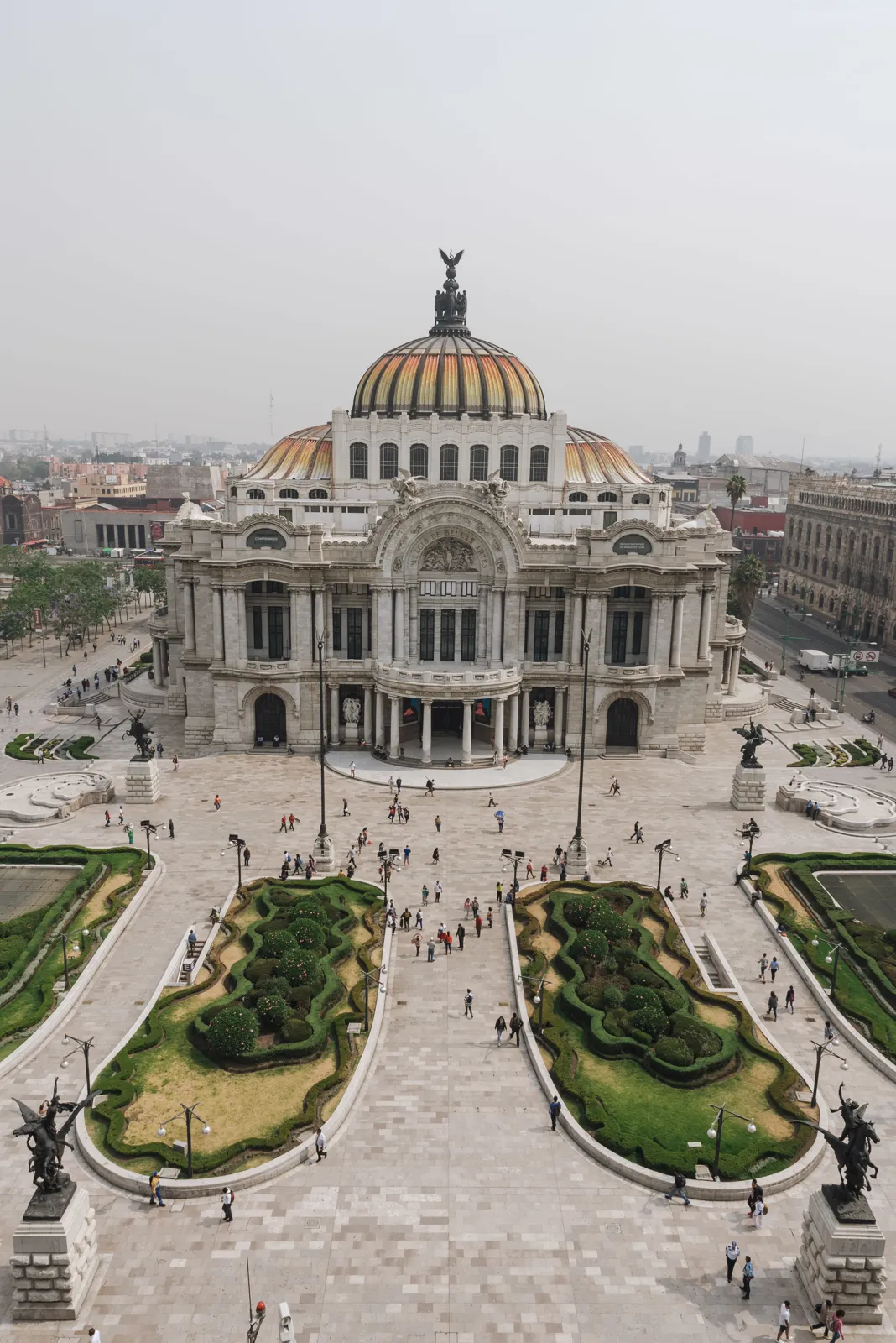
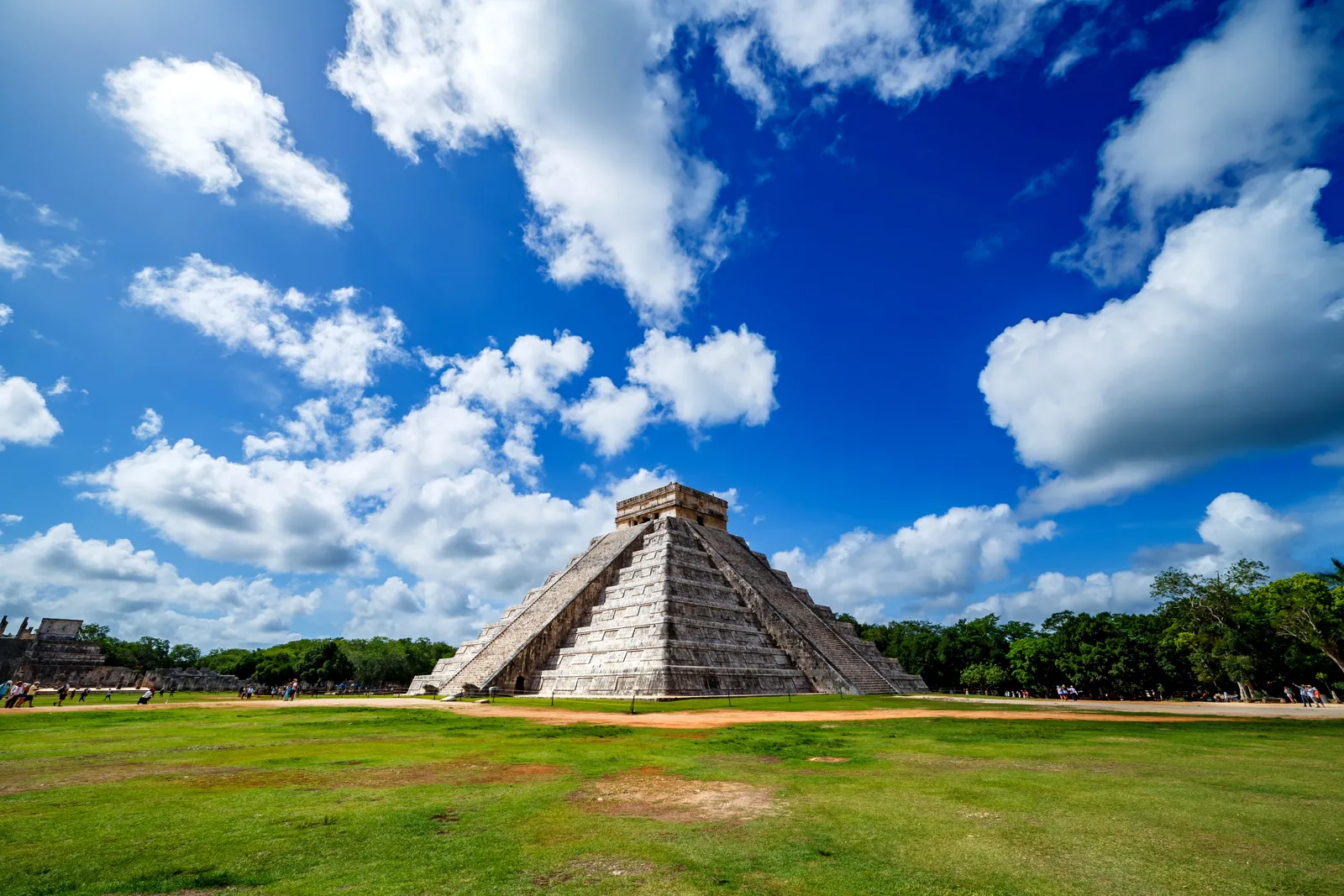
The best time to visit Mexico is the dry season, from November to April: clear skies, little rain across almost the whole country and bearable heat on both the Caribbean and Pacific coasts. Conversely, the rainy season (June to October) brings daily showers and a risk of hurricanes, especially in September and October. Mexico’s climate also varies with altitude: it is hot all year on the coasts, but nights are cool in Mexico City and Oaxaca in winter.
Mexico is huge, though: between the beaches of Cancún, the Mexico City plateau at more than 2,200 m (7,218 ft) and the valleys of Oaxaca, the « right » month is not quite the same everywhere. Here is how to choose by region and by type of trip, using the official climate normals of the Servicio Meteorológico Nacional (SMN), the Mexican weather service. Cancún, Mexico City and Oaxaca can be found on our map of Mexico.

Our travel deals for Mexico
Affiliate links: we earn a commission, at no extra cost to you.
 FlightsKiwi.comCompare flights and airline combinations to Mexico.Compare flights
- eSIMAiraloData plan to install before you leave (eSIM-compatible phone).See plans


When to go to Mexico at a glance
- Best time November to April (dry season), with an optimum from December to March
- Caribbean coast beaches (Cancún, Tulum) December to April; sargassum can appear from spring
- Mexico City and the center October to May, sunny days but cool nights at altitude
- Avoid September and October on the coasts (peak of rains and hurricanes)
- High season and high prices year-end holidays, Holy Week (Semana Santa), July–August
- Best value late April – May and November (outside long weekends and holidays)
When to go to Mexico by priority
- Best weather: December to March, in the heart of the dry season
- Cheapest: May and September to November (outside holidays); September is the cheapest month, but also the hurricane peak
- Fewest crowds: May, and outside Semana Santa, the Christmas holidays and July–August
- Events: equinox at Chichén Itzá around March 21, Guelaguetza in July, Day of the Dead from October 31 to November 2 (variable dates, check them)
Mexico: the calendar at a glance
🔎 Month by month: Mexico in August
✅ Best months: January, February, March, April, December
❌ Period to avoid: September, October
The climate in Mexico month by month
The table below gives the normals for Cancún, the gateway for most travelers and representative of the Yucatán Peninsula on the Caribbean side (Riviera Maya, Tulum, Bacalar). Mexico City, Oaxaca and the Pacific coast are detailed further down.
| Month | High (°C) | Low (°C) | Rainfall (mm) | Crowds | Prices | Verdict |
|---|---|---|---|---|---|---|
| January | 28.5 °C (83 °F) | 19.3 °C (67 °F) | 56.4 mm (2.2 in) | High (holidays until Jan 6) | High | ✅ Dry, pleasant sea |
| February | 29.3 °C (85 °F) | 19.6 °C (67 °F) | 42.7 mm (1.7 in) | High | High | ✅ The driest month |
| March | 30.6 °C (87 °F) | 20.8 °C (69 °F) | 45.4 mm (1.8 in) | High (Holy Week possible) | High | ✅ Hot and sunny |
| April | 32.1 °C (90 °F) | 22.4 °C (72 °F) | 37.1 mm (1.5 in) | High, then medium | High (Holy Week), then medium | ✅ Very hot, sargassum possible |
| May | 33.3 °C (92 °F) | 23.9 °C (75 °F) | 84.4 mm (3.3 in) | Low | Medium | ⚠️ Heat, first rains, sargassum |
| June | 33.6 °C (92 °F) | 24.6 °C (76 °F) | 145.6 mm (5.7 in) | Medium | Medium | ⚠️ Rainy season, sargassum |
| July | 34.0 °C (93 °F) | 24.5 °C (76 °F) | 111.4 mm (4.4 in) | High (holidays) | High | ⚠️ Hot and humid, sargassum |
| August | 34.2 °C (94 °F) | 24.5 °C (76 °F) | 115.1 mm (4.5 in) | High (holidays) | High | ⚠️ Hot, humid, hurricane risk |
| September | 33.3 °C (92 °F) | 24.1 °C (75 °F) | 223.1 mm (8.8 in) | Low | Low | ❌ Peak of rains and hurricanes |
| October | 31.6 °C (89 °F) | 23.1 °C (74 °F) | 242.1 mm (9.5 in) | Low | Low | ❌ Wettest month |
| November | 30.1 °C (86 °F) | 21.5 °C (71 °F) | 112.5 mm (4.4 in) | Medium | Medium | ⚠️ Gradual return of dry weather |
| December | 28.9 °C (84 °F) | 20.0 °C (68 °F) | 79.5 mm (3.1 in) | Very high in late Dec. | Medium, then very high | ✅ Dry and mild |
Worth knowing: in Cancún, even the dry season has a few showers (40 to 60 mm (1.6 to 2.4 in) a month from January to March), often brief. In September–October, rainfall exceeds 220 mm (8.7 in) a month and part of it comes from tropical disturbances that can last several days.
The seasons in Mexico: pros and cons
Dry season (November to April): the ideal period
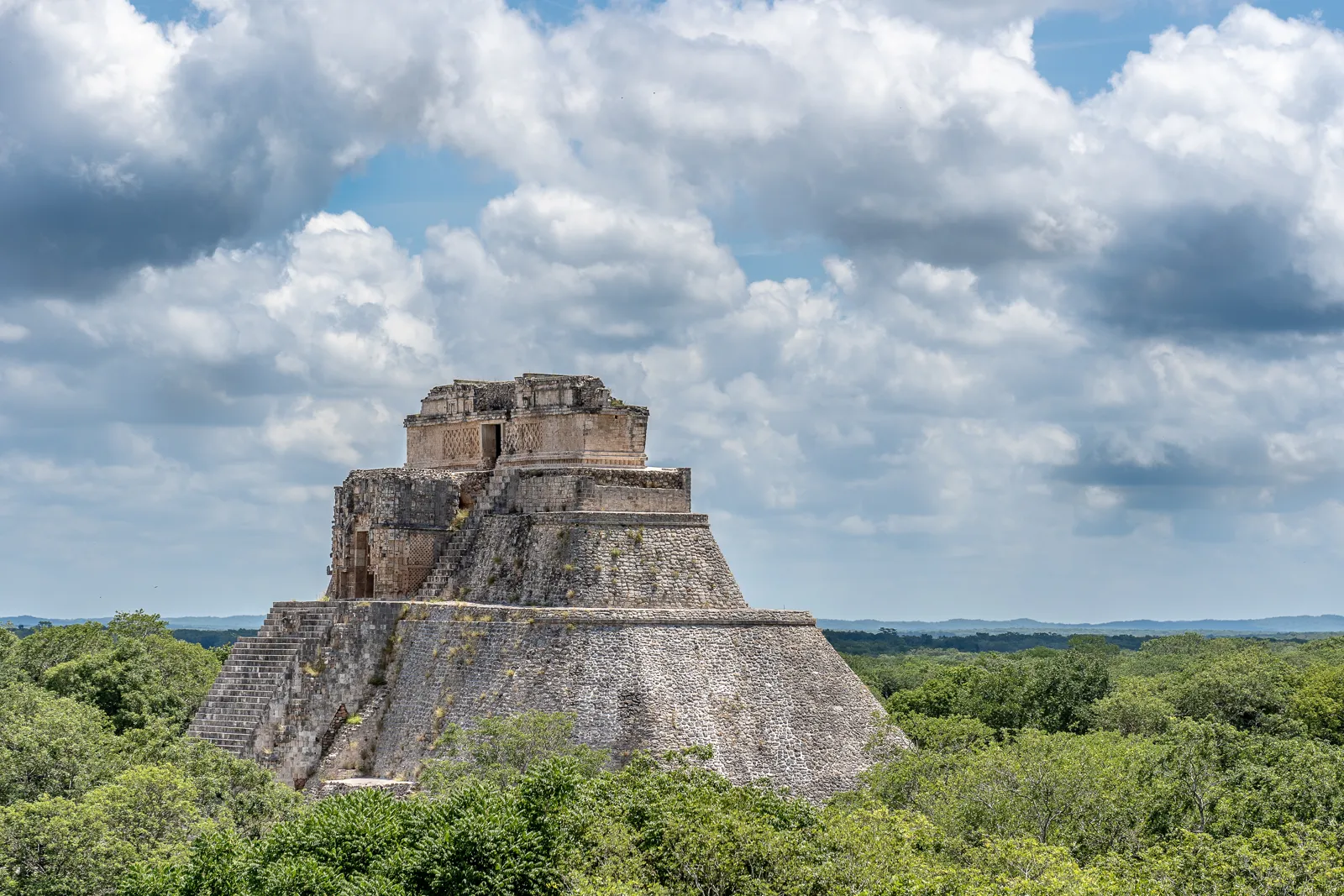
From November to April, rain is scarce across most of the country. In Mexico City, less than 25 mm (1.0 in) a month falls between November and April; in Oaxaca, less than 10 mm (0.4 in) from November to February. On the Caribbean coast, highs stay around 28 to 31 °C (82 to 88 °F): hot without being crushing. It is also the season of the big festivals: Day of the Dead in early November, Christmas, then Holy Week in March or April.
- Pros: blue skies, roads and sites accessible everywhere, calm sea on the Caribbean side, whale watching in Baja California (roughly January to March) and monarch butterflies in Michoacán (roughly November to March)
- Cons: prices and crowds at their highest over the year-end holidays and Semana Santa, cold nights at altitude (8 to 9 °C (46 to 48 °F) average low in Mexico City in December–January)
- Our tip: aim for January (after the 6th) to mid-March, or November outside the first days of the month
End of the dry season (April–May): heat and low prices
April and May are the hottest months inland: more than 36 °C (97 °F) average high in Mérida and nearly 35 °C (95 °F) in Oaxaca in April. Prices fall after Semana Santa and the sea is warm. This is also when sargassum arrivals become more likely on the Caribbean coast.
- Pros: moderate crowds in May, lower prices, weather still dry until about mid-May
- Cons: strong heat in the Yucatán for visiting Maya sites at midday, risk of sargassum
- Who is it for? Travelers who handle heat well and want better value
Rainy season (June to October): greenery, showers and hurricanes
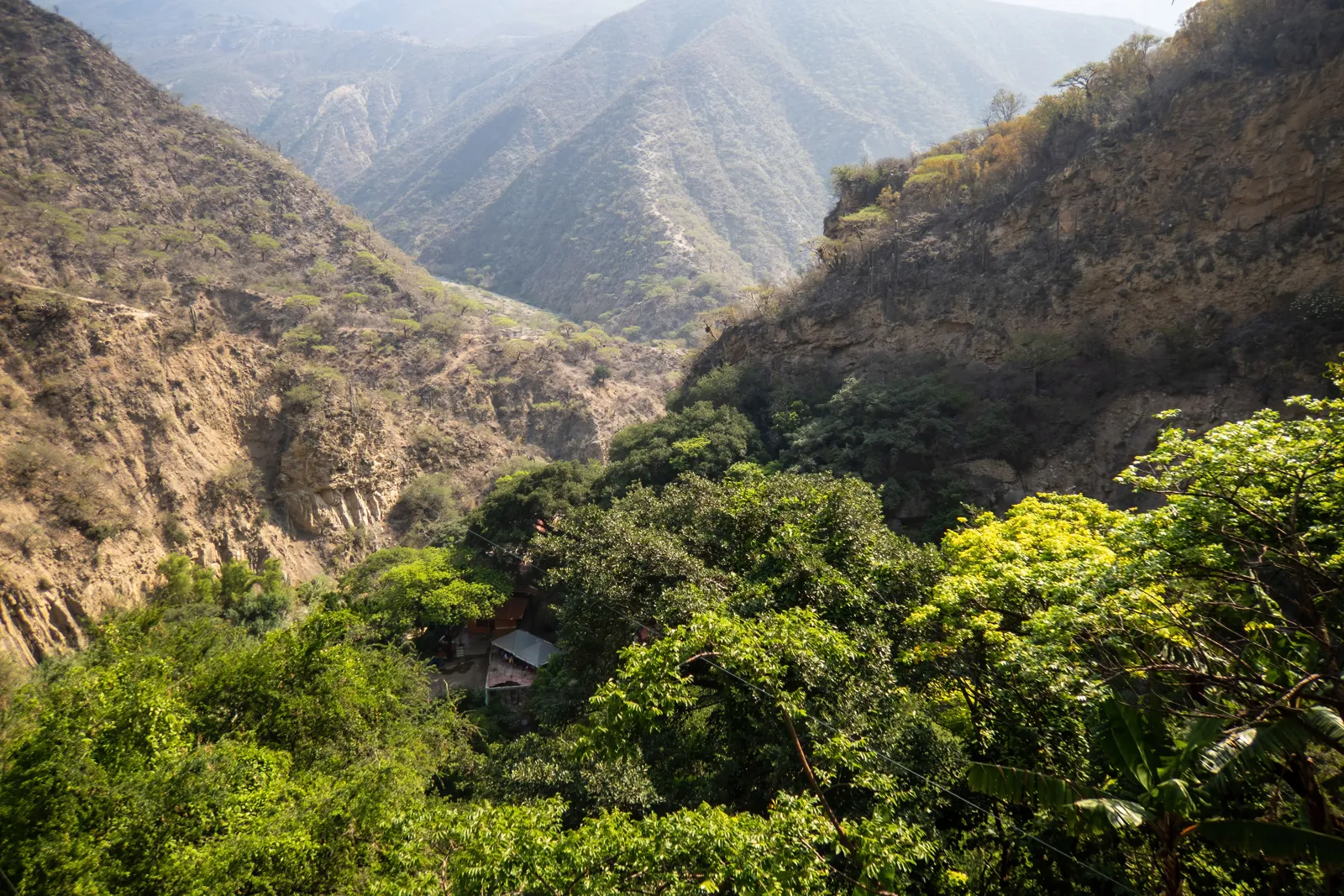
From June, the rains set in over almost the whole country. They fall mostly in the late afternoon or evening as thunderstorms: mornings often stay sunny. Landscapes turn very green. On the coasts, the period corresponds to the hurricane season (officially June 1 to November 30 in the Atlantic and May 15 to November 30 in the Eastern Pacific), with the highest risk in September and October.
- Pros: low prices in September–October, green countryside, Guelaguetza in Oaxaca in July, whale sharks off Holbox and Isla Mujeres (roughly June to September)
- Cons: daily showers, humid heat on the coasts, hurricane risk (flight cancellations, site closures), heavy crowds in July–August
- Who is it for? Flexible travelers, with insurance covering weather-related cancellations
Sargassum on the Caribbean coast
For about ten years, brown seaweed, sargassum, has washed up on some beaches of the Caribbean coast (Cancún, Playa del Carmen, Tulum). Intensity varies greatly from one year and one beach to another. As a rule, arrivals are more frequent from spring to late summer (roughly April to August), and rarer in winter. Before you go, check the « semáforo » published by the Quintana Roo sargassum monitoring network, which shows the level by stretch of coast. The Pacific coast is not affected, and the north beach of Isla Mujeres is often less affected.
When to go to Mexico by region
The country mixes tropical lowlands, high plateaus and two coastlines. Comparison of the normals for four representative cities:
| Month | Cancún (Caribbean) | Mexico City (2,240 m (7,349 ft)) | Oaxaca (1,550 m (5,085 ft)) | Acapulco (Pacific) |
|---|---|---|---|---|
| January | 28.5 °C (83 °F) / 19.3 °C (67 °F) – 56.4 mm (2.2 in) | 22.4 °C (72 °F) / 8.5 °C (47 °F) – 11.9 mm (0.5 in) | 28.9 °C (84 °F) / 10.3 °C (51 °F) – 2.4 mm (0.1 in) | 30.3 °C (87 °F) / 23.2 °C (74 °F) – 9.3 mm (0.4 in) |
| April | 32.1 °C (90 °F) / 22.4 °C (72 °F) – 37.1 mm (1.5 in) | 27.5 °C (82 °F) / 13.1 °C (56 °F) – 24.2 mm (1.0 in) | 34.9 °C (95 °F) / 15.8 °C (60 °F) – 47.3 mm (1.9 in) | 30.8 °C (87 °F) / 23.7 °C (75 °F) – 1.9 mm (0.1 in) |
| July | 34.0 °C (93 °F) / 24.5 °C (76 °F) – 111.4 mm (4.4 in) | 24.7 °C (76 °F) / 13.0 °C (55 °F) – 174.0 mm (6.9 in) | 30.1 °C (86 °F) / 15.9 °C (61 °F) – 118.6 mm (4.7 in) | 32.5 °C (91 °F) / 25.1 °C (77 °F) – 237.7 mm (9.4 in) |
| September | 33.3 °C (92 °F) / 24.1 °C (75 °F) – 223.1 mm (8.8 in) | 23.7 °C (75 °F) / 13.1 °C (56 °F) – 158.1 mm (6.2 in) | 29.1 °C (84 °F) / 16.1 °C (61 °F) – 163.6 mm (6.4 in) | 31.9 °C (89 °F) / 24.5 °C (76 °F) – 346.7 mm (13.6 in) |
| November | 30.1 °C (86 °F) / 21.5 °C (71 °F) – 112.5 mm (4.4 in) | 22.8 °C (73 °F) / 9.9 °C (50 °F) – 17.4 mm (0.7 in) | 29.0 °C (84 °F) / 12.3 °C (54 °F) – 9.1 mm (0.4 in) | 31.6 °C (89 °F) / 24.7 °C (76 °F) – 24.2 mm (1.0 in) |
In one table: the recommended period for each major region, month by month.
| Region | Jan | Feb | Mar | Apr | May | June | Jul | August | Sep | Oct | Nov | Dec |
|---|---|---|---|---|---|---|---|---|---|---|---|---|
| Cancún, Riviera Maya, Yucatán (Cancún) | ✅ | ✅ | ✅ | ✅ | ⚠️ | ⚠️ | ⚠️ | ⚠️ | ❌ | ❌ | ⚠️ | ✅ |
| Mexico City and the center | ✅ | ✅ | ✅ | ✅ | ✅ | ⚠️ | ⚠️ | ⚠️ | ⚠️ | ✅ | ✅ | ✅ |
| Oaxaca and Chiapas | ✅ | ✅ | ✅ | ⚠️ | ⚠️ | ⚠️ | ⚠️ | ⚠️ | ⚠️ | ✅ | ✅ | ✅ |
| Pacific coast (Acapulco, Puerto Vallarta) | ✅ | ✅ | ✅ | ✅ | ⚠️ | ⚠️ | ⚠️ | ❌ | ❌ | ⚠️ | ✅ | ✅ |
Cancún, Riviera Maya and the Yucatán (Mérida)
A hot tropical climate all year. The best window runs from December to April: dry weather and a pleasant sea. Mérida, inland, is hotter and drier than Cancún in spring (36.3 °C (97 °F) average high in April, 36.7 °C (98 °F) in May): to visit Chichén Itzá or Uxmal, prefer November to February and set out early in the morning. The rainfall peak falls in September–October on the coast. Hotter inland in spring, the Yucatán is best visited early in the morning; our Cancún travel guide details the coast.
Mexico City and the center (Puebla, Guanajuato, San Miguel de Allende)
Altitude changes everything: in Mexico City, highs do not exceed 28 °C (82 °F) even in April, and nights drop to about 8 °C (46 °F) in winter. The dry season, from October to May, is the most pleasant, with bright skies (pollution can, however, be noticeable at the end of the dry season). From June to September, more than 130 mm (5.1 in) of rain falls a month, generally in afternoon thunderstorms.
Oaxaca and Chiapas
Oaxaca enjoys a mild highland climate that is very dry in winter (less than 10 mm (0.4 in) of rain from November to February). Aim for October to March, with two highlights: Day of the Dead in early November and the Guelaguetza in July, in the middle of the rainy season. In the highlands of Chiapas (San Cristóbal de las Casas), nights are cool in winter: bring a jacket.
The Pacific coast (Acapulco, Puerto Vallarta, Puerto Escondido)
The contrast is even sharper than in the Yucatán: in Acapulco, less than 10 mm (0.4 in) a month falls from December to April, but more than 300 mm (11.8 in) in August and September. The ideal period runs from November to April, with a warm sea and an almost always clear sky. It is also humpback whale season in Banderas Bay, at Puerto Vallarta (roughly December to March). This ideal period excludes summer: for a summer trip anyway, our page Mexico in August explains what remains possible depending on the coast.
Baja California (Los Cabos, La Paz)
A desert climate, very dry. Winter is mild and it is the gray whale watching season in the lagoons of the Pacific coast (roughly January to March). Summer is very hot and the region can be hit by hurricanes in late summer.

When to go to Mexico by type of trip
| Trip | Best time | Where? |
|---|---|---|
| Beach and relaxation | December – April | Riviera Maya, Isla Mujeres, Pacific coast |
| Maya sites and cenotes | November – February | Chichén Itzá, Uxmal, Palenque, Tulum |
| First cultural tour | November – March | Mexico City, Puebla, Oaxaca, Yucatán |
| Day of the Dead | Late October – November 2 | Oaxaca, Mexico City, Pátzcuaro |
| Tight budget | May, September – November (outside holidays) | Everywhere, accepting the showers |
| Whale watching | January – March | Baja California, Puerto Vallarta |
| Swimming with whale sharks | Roughly June – September | Holbox, Isla Mujeres |
| Family trip | Christmas, February or Easter school holidays | Riviera Maya, Mexico City |
| Honeymoon | December – April | Tulum, Bacalar, Oaxaca |
Major events to plan your trip around
| Period | Event | Where |
|---|---|---|
| January 6 | Epiphany (Día de Reyes), end of the year-end holidays | The whole country |
| February or March (before Lent) | Carnival | Veracruz, Mazatlán, Mérida |
| Around March 21 and September 21 | Equinoxes: the « serpent » shadow effect on the Kukulcán pyramid | Chichén Itzá |
| March or April (variable dates) | Holy Week (Semana Santa), national holidays | The whole country |
| July (two consecutive Mondays) | Guelaguetza, festival of the peoples of Oaxaca | Oaxaca |
| September 15 – 16 | Independence Day (« Grito » on the evening of the 15th) | The whole country, especially Mexico City |
| October 31 – November 2 | Day of the Dead (Día de Muertos) | The whole country, especially Oaxaca and Mexico City |
| December 12 | Feast of the Virgin of Guadalupe | Mexico City (basilica), the whole country |
Semana Santa and the Christmas holidays are the two periods when Mexicans travel the most: beaches, buses and hotels are overrun and prices rise sharply.
Mexico month by month
January: Dry and sunny almost everywhere, cool nights in Mexico City (8.5 °C (47 °F) average low). Prices stay high until January 6, then ease a little. Start of the whale season.
February: The driest month in Cancún (42.7 mm (1.7 in)) and one of the driest in Mexico City (5.7 mm (0.2 in)). An excellent month to combine a cultural tour and beach. Carnival some years.
March: Dry and hot weather, 30.6 °C (87 °F) average high in Cancún. Equinox at Chichén Itzá around March 21. Watch out if Semana Santa falls this month.
April: Strong heat in the Yucatán (36 °C (97 °F) in Mérida). Very good beach weather but first sargassum possible. High prices during Semana Santa, softer afterward.
May: The hottest month in Mérida, first rains at the end of the month. Few people and moderate prices: a good month for tight budgets.
June: Start of the rainy season (145 mm (5.7 in) in Cancún, more than 260 mm (10.2 in) in Acapulco). Opening of the Atlantic hurricane season. Start of the whale shark season.
July: Hot and humid, afternoon thunderstorms. Mexican and North American school holidays: crowded beaches. Guelaguetza in Oaxaca.
August: Regular rain (175 mm (6.9 in) in Mexico City, 300 mm (11.8 in) in Acapulco) and growing hurricane risk. Crowds still heavy.
September: Peak of the hurricane season and of the rains on the coasts (347 mm (13.7 in) in Acapulco). Lowest prices. Independence celebrations on the 15th and 16th.
October: The wettest month in Cancún (242 mm (9.5 in)), hurricane risk remains high. The center of the country begins to dry out. Preparations for Day of the Dead at the end of the month.
November: Return of dry weather, Day of the Dead on November 1 and 2, prices still moderate. A very good compromise.
December: Dry and mild on the coasts (28.9 °C (84 °F) average high in Cancún), cool at altitude. Quiet prices until mid-December, then very high over the holidays.
When to book your trip to Mexico
For the year-end holidays, Semana Santa and Day of the Dead in Oaxaca, book flights and accommodation 4 to 6 months ahead: hotels in Oaxaca’s historic center and in Tulum fill up quickly. For the rest of the dry season, 2 to 3 months is generally enough.
Planning your trip to Mexico
- Entry requirements: see the entry requirements for Mexico on our country page, and check the official sources there before you travel. According to the UK FCDO (GOV.UK, updated 20 October 2026), you must pay an entry tax to visit the state of Quintana Roo (Cancún, Tulum); it can be paid online before or during your stay.
- Time difference: see our page on the time difference between Mexico and your home country.
- Currency: the Mexican peso (MXN). Use our currency converter to estimate your budget.
- Health: the UK FCDO (GOV.UK, updated 20 October 2026) lists Zika virus, chikungunya, dengue and air pollution among the health risks in Mexico, and notes that altitude sickness is a risk in parts of the country: protect yourself against mosquitoes. According to the U.S. State Department (travel.state.gov, last updated August 11, 2025), tap water in many areas is not safe to drink. Consider travel insurance.
- Safety: the situation varies greatly by state. The UK FCDO (GOV.UK, updated 20 October 2026) advises against all but essential travel to several areas, including Tijuana and the states of Chihuahua, Sinaloa, Tamaulipas, Zacatecas, Michoacán, Colima and Guerrero, with some exceptions. Check the current list before settling on your itinerary, and follow the authorities’ instructions in case of a hurricane alert.
For more details, see our complete travel guide to Mexico. If you are hesitating between several destinations, compare with the best time to visit Japan. How we select our data is explained in our methodology.
Also worth reading: our Mexico travel guide and our guide to Mexican food. To compare with other destinations: when to go to Costa Rica, when to go to Cuba and when to go to Peru.
Frequently asked questions
What is the best month to visit Mexico?
The most pleasant months are January, February and March: the weather is dry almost everywhere, temperatures are hot on the coasts and mild at altitude. November is also an excellent choice, with Day of the Dead and still moderate prices.
When is the hurricane season in Mexico?
The official season runs from June 1 to November 30 on the Atlantic side (Gulf of Mexico and Caribbean Sea) and from May 15 to November 30 on the Pacific side. The risk is highest in September and October.
When is there sargassum in Cancún?
Sargassum arrivals are more frequent roughly from April to August, but their intensity varies greatly by year and beach. They are rarer in winter. Check the semáforo of the Quintana Roo sargassum monitoring network before you go.
What is the cheapest time to go to Mexico?
May, then September to mid-November (outside long weekends and Day of the Dead in Oaxaca), are generally the periods when flights and hotels are cheapest. In return, you have to accept the heat or the showers.
Is Mexico City cold in winter?
Days are mild and sunny (22 to 24 °C (72 to 75 °F) average high from December to February), but nights are cool, around 8 to 9 °C (46 to 48 °F), because of the altitude. Bring a sweater and a jacket.
Can you go to Mexico in summer?
Yes, if you accept the heat, late-day thunderstorms and a hurricane risk on the coasts. It is the season of whale sharks and the Guelaguetza. Choose insurance that covers weather-related cancellations.
Which months should you avoid for traveling in Mexico?
On the Caribbean coast, September and October are the least favorable months: they are the wettest in Cancún (223 mm (8.8 in) and 242 mm (9.5 in) on average according to the SMN’s 1991–2020 normals) and the peak of the hurricane season. July and August are still possible, but hot, humid and pricier because of the holidays.
Which are the rainy months in Mexico?
Across most of the country, the rainy season runs from June to October, with showers often concentrated in the afternoon. The rains are heaviest in September and October on the Caribbean coast.
Our sources
- Servicio Meteorológico Nacional (SMN, Mexico): 1991–2020 climate normals for the stations at Cancún, Mérida, Mexico City (Tacubaya), Oaxaca and Acapulco
- National Hurricane Center (NOAA, United States): official dates of the Atlantic and Eastern Pacific hurricane seasons
- Entry, safety and health information read on 26 October 2026: UK FCDO, foreign travel advice for Mexico (GOV.UK, updated 20 October 2026), and U.S. Department of State, Mexico country information (travel.state.gov, last updated August 11, 2025)
Updated November 2026.