The best time to visit Saint Barthélemy is the dry season, known locally as carême, from December to April: in Gustavia, about 40 to 55 mm (1.6 to 2.2 in) of rain falls a month from January to April, the trade winds cool the air and there is no hurricane risk. It is also the very high season, with record prices at Christmas and New Year. May and June offer a good compromise, before the hurricane season, whose risk peaks from August to October.
Saint Barth, a small volcanic island of 21 km² (8 sq mi), is one of the driest of the Lesser Antilles: even in the wettest month, October, Météo-France records about 136 mm (5.4 in) in Gustavia, half as much as in Guadeloupe at the same time of year. Temperatures vary little: 28 to 32 °C (82 to 90 °F) in the afternoon all year. The choice of month therefore depends mainly on hurricane risk, crowds and budget. Here is how to choose, based on the official normals of Météo-France.

Our travel deals for Saint-Barthélemy
Affiliate links: we earn a commission, at no extra cost to you.
 FlightsKiwi.comCompare flights and airline combinations to Saint-Barthélemy.Compare flights
- eSIMSailyAnother eSIM plan to compare: data, validity, network.See Saily plans


When to go to Saint Barthélemy at a glance
- Best time mid-December to April (dry season)
- Driest month February (about 38 mm (1.5 in) in Gustavia)
- Good compromise May and June, little rain, falling prices, hurricane risk still low
- Hurricane season June 1 to November 30, with the highest risk from August to October
- Closures many hotels and restaurants close for several weeks between late August and October
- Avoid for your budget Christmas and New Year, the most expensive period of the year
- Entry requirements see our page on the entry requirements for Saint Barthélemy before you travel
When to go to Saint Barthélemy by priority
- Best weather: mid-December to April (dry season); February is the driest month (38 mm (1.5 in) in Gustavia)
- Cheapest: May, June and November; September and October are the cheapest, but many venues close
- Fewest crowds: May and June, before the period most exposed to hurricanes (August to October)
- Events: carnival in February or March, Saint-Barth Bucket in March, Les Voiles de Saint-Barth in April, Saint Bartholomew’s Day on August 24; check regatta dates every year
Saint-Barthélemy: the calendar at a glance
✅ Best months: January, February, March, April, may, June, December
❌ Period to avoid: September, October
Saint Barthélemy climate and weather month by month
The table below gives the normals for the Gustavia station, the main town, on the west coast. Differences are small from one point of the island to another, which is only about 10 km (6 mi) long. Gustavia and the main coves appear on our map of Saint Barthélemy.
| Month | Avg. max | Avg. min | Rain | Crowds | Prices | Verdict |
|---|---|---|---|---|---|---|
| January | 28.5 °C (83 °F) | 23.5 °C (74 °F) | 53 mm (2.1 in) | Very high (early January), then high | Very high, then high | Dry, trade winds, sea sometimes rough ✅ |
| February | 28.6 °C (83 °F) | 23.3 °C (74 °F) | 38 mm (1.5 in) | High (winter holidays) | Very high | The driest month ✅ |
| March | 29.0 °C (84 °F) | 23.5 °C (74 °F) | 41 mm (1.6 in) | High | High | Dry and sunny, regattas ✅ |
| April | 29.8 °C (86 °F) | 24.2 °C (76 °F) | 51 mm (2.0 in) | High (Easter, regattas) | High | End of Lent season, still dry ✅ |
| May | 30.7 °C (87 °F) | 25.1 °C (77 °F) | 62 mm (2.4 in) | Moderate | Moderate | Good compromise, prices falling ✅ |
| June | 31.2 °C (88 °F) | 25.9 °C (79 °F) | 56 mm (2.2 in) | Low | Moderate | Little rain, start of hurricane season ✅ |
| July | 31.2 °C (88 °F) | 26.0 °C (79 °F) | 80 mm (3.1 in) | Moderate (holidays) | Moderate to high | Hot, hurricane risk ⚠️ |
| August | 31.6 °C (89 °F) | 26.3 °C (79 °F) | 80 mm (3.1 in) | Moderate, then low | Moderate | Entering the period most exposed to hurricanes ⚠️ |
| September | 31.7 °C (89 °F) | 26.2 °C (79 °F) | 97 mm (3.8 in) | Very low | Low | Peak of hurricane season, many closures ❌ |
| October | 31.4 °C (89 °F) | 25.8 °C (78 °F) | 136 mm (5.4 in) | Very low | Low | The wettest month, venues closed ❌ |
| November | 29.9 °C (86 °F) | 25.0 °C (77 °F) | 119 mm (4.7 in) | Low, then moderate | Moderate | Reopenings, end of hurricane season ⚠️ |
| December | 28.9 °C (84 °F) | 24.1 °C (75 °F) | 79 mm (3.1 in) | Moderate, then very high (holidays) | High, then record | Dry season returns, very expensive holidays ✅ |
Note: rain falls mostly as brief showers, often at night or late in the day. The sea temperature stays pleasant all year. The gap between day and night is small: average lows do not drop below 23 °C (73 °F), even in February.
Saint Barthélemy’s seasons: pros and cons
As in the rest of the Caribbean, there is a distinction between the carême, the dry season, and the hivernage, the wetter and hotter season. In Saint Barth, the difference in rainfall between the two is less marked than elsewhere, but the hurricane season weighs heavily on the tourist calendar.
The dry season (December to April): the high season
This is the driest and breeziest season: between 38 to 53 mm (1.5 to 2.1 in) of rain a month from January to April in Gustavia, and nights around 23 °C (73 °F). The trade winds blow steadily from the east. Gustavia harbor then welcomes many sailboats and yachts, particularly over the year-end holidays and during the spring regattas.
- Pros: the driest weather, no hurricane risk, all venues open, major sailing events
- Cons: very high prices, especially from mid-December to early January, villas and hotels booked long in advance, sea sometimes rough on the east coast when the trade winds strengthen
- Our tip: the second half of January, March and April outside school holidays offer the same weather at slightly lower rates than the holidays
The shoulder season (May to July): the good compromise
Rainfall stays low (56 to 80 mm (2.2 to 3.1 in) a month), the heat increases slightly and visitor numbers drop after Easter. The hurricane season officially begins on June 1, but the risk generally remains limited early in the season.
- Pros: falling rates, calmer beaches, sea often calmer for snorkeling
- Cons: heavier air
- Who is it for? Couples and travelers who want calm without paying winter prices
The wet season (August to November): hurricanes and closures
This is the hottest and wettest period, and above all the heart of the Atlantic hurricane season. According to the US National Hurricane Center (NOAA, checked 11 November 2026), the Atlantic hurricane season officially runs from June 1 to November 30; the peak is around September 10, with most activity between mid-August and mid-October. Many hotels, restaurants and shops close for several weeks, generally between late August and late October, for vacations and renovations.
- Pros: the lowest prices, a very quiet island
- Cons: maximum hurricane risk from August to October, reduced choice of accommodation and restaurants, more frequent rain in October and November
- Good to know: if a storm threatens, follow the US National Hurricane Center bulletins and the instructions of the local authorities
When to go to Saint Barthélemy by location
The island is small, but its relief and exposure to the trade winds create noticeable differences in wind and sea conditions.
Gustavia and the west coast
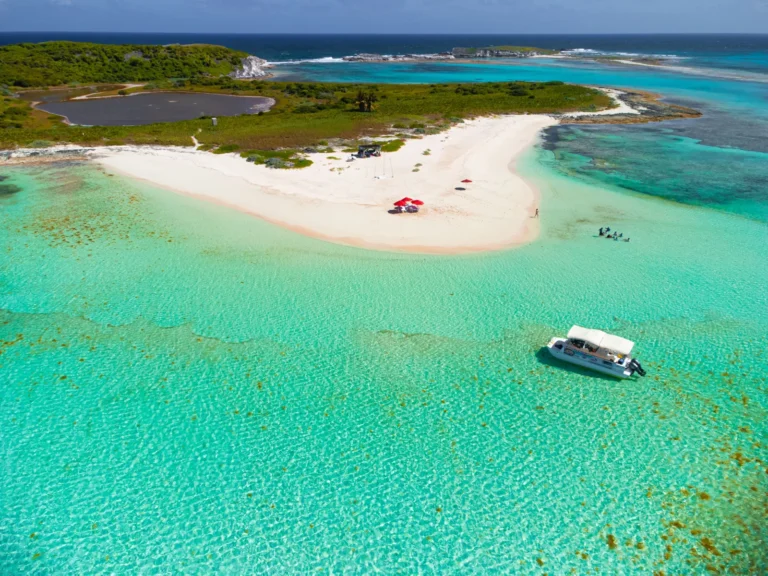
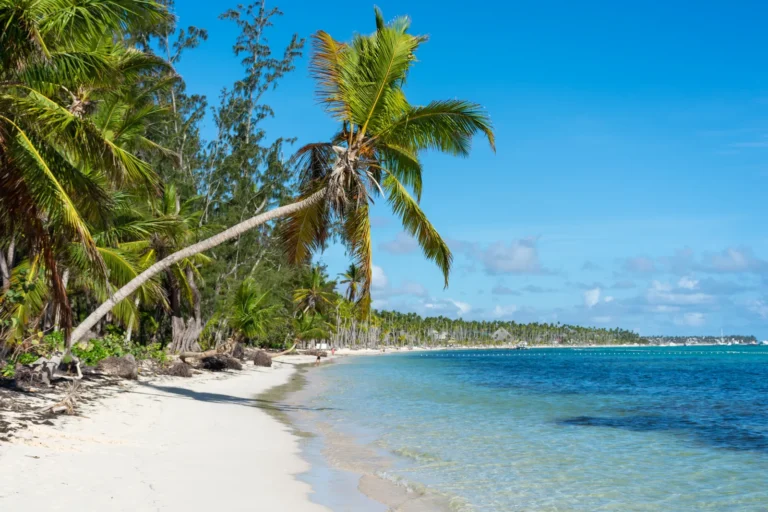
The main town and the beaches of Shell Beach, Corossol and Colombier are sheltered from the trade winds. The sea is generally calm there all year, which makes them the best swimming areas in the middle of the dry season, when the wind blows hard on the other side.
Saint-Jean and the center of the island
Saint-Jean Bay, next to the airport, is protected by a reef barrier and suits families. It is the liveliest area, with shops and restaurants, pleasant from December to July.
The east and south coast (Lorient, Grand Cul-de-Sac, Toiny, Gouverneur, Saline)
Exposed to the trade winds, the east coast suits wind sports, notably at Grand Cul-de-Sac, whose lagoon is protected. Toiny and some coves in the south can have a strong sea: swimming there is sometimes dangerous. The big beaches of Saline and Gouverneur, with no buildings along the shore, are more pleasant early in the morning, before the heat.

When to go to Saint Barthélemy by trip type
| Your trip | Best time | Where? |
|---|---|---|
| Beach and relaxation | December to June | Saline, Gouverneur, Saint-Jean, Shell Beach |
| Snorkeling | May to July (sea often calmer) | Colombier, Petite Anse, nature reserve |
| Kitesurfing and windsurfing | December to April (steady trade winds) | Grand Cul-de-Sac |
| Regattas and sailing | March and April | Gustavia harbor |
| Budget (relatively speaking) | May, June, November | The whole island |
| Honeymoon | Late April to June | Colombier, Gouverneur, Toiny |
| Combined with Saint Martin | December to June | Ferry or air links from Saint Martin |
Major events to plan your trip around
| Period | Event | Location |
|---|---|---|
| December 31 | New Year’s Eve: fireworks and Gustavia harbor full of yachts | Gustavia |
| February or March, depending on the year | Carnival and Mardi Gras | Gustavia |
| March | Saint-Barth Bucket: tall-ship regatta | Gustavia |
| April | Les Voiles de Saint-Barth: international regatta | Gustavia |
| August 24 | Saint Bartholomew’s Day, the island’s patron saint | Gustavia |
Saint Barthélemy month by month: what to expect
January: Mid-dry season: 28.5 °C (83 °F) in the afternoon, 53 mm (2.1 in) of rain. The first week is still very expensive, then prices ease slightly.
February: The driest month (38 mm (1.5 in)). Winter school holidays: book long in advance. Carnival depending on the date of Easter.
March: Dry and sunny (41 mm (1.6 in)), steady trade winds. Saint-Barth Bucket regatta, generally in the second half of the month.
April: End of the dry season, still dry (51 mm (2.0 in)). Les Voiles de Saint-Barth and the Easter holidays push up visitor numbers.
May: Excellent compromise: 62 mm (2.4 in) of rain, 30.7 °C (87 °F), falling prices and a calmer island.
June: Little rain (56 mm (2.2 in)), official start of hurricane season but the risk is still low. One of the best-value months.
July: Hot (31.2 °C (88 °F)) and a little more humid. Summer holidays: family clientele, intermediate rates.
August: Hot and humid, entering the period most exposed to hurricanes. Saint Bartholomew’s Day on August 24. First closures at the end of the month.
September: Peak of hurricane season. Many hotels and restaurants are closed: not recommended.
October: The wettest month (136 mm (5.4 in)) and still hurricane season. Very reduced choice, gradual reopenings at the end of the month.
November: Wet (119 mm (4.7 in)), official end of hurricane season on the 30th. Venues reopen, prices still moderate.
December: The dry season returns. Reasonable prices until mid-December, then the highest of the year for Christmas and New Year.
When to book your trip to Saint Barthélemy
For Christmas, New Year, February and the March–April regattas, book accommodation and travel 6 months to a year ahead: the supply of villas and rooms is limited. Saint-Jean airport’s runway is very short and takes only small aircraft, so most visitors connect through a nearby island or arrive by ferry from Saint Martin; allow a margin between your long-haul flight and the connection, and check current schedules with the operators. In May, June and November, 2 to 3 months is generally enough. Since the connection often goes through the neighboring island, our Saint Martin travel guide helps you plan a stop before the crossing.
Planning your trip to Saint Barthélemy
- Entry requirements: see our page with the entry requirements for Saint Barthélemy.
- Time difference: Saint Barthélemy is on UTC-4 all year (no daylight saving time): 4 hours behind London in winter and 5 in summer; 1 hour ahead of New York in winter and the same time in summer.
- Currency: the euro. The US dollar is often accepted, but paying in euros avoids unfavorable exchange rates.
- Health: the U.S. State Department’s page for the French West Indies (travel.state.gov, last updated September 9, 2026) lists dengue and chikungunya among the health risks and strongly recommends supplemental insurance to cover medical evacuation. Protect yourself from mosquitoes and the sun.
To plan your stay, see our complete Saint Barthélemy travel guide. To compare with a larger, cheaper neighboring island, see when to go to Guadeloupe or when to go to Martinique.
Frequently asked questions
What is the best month to visit Saint Barthélemy?
February, March and April are the best months: the heart of the dry season, with 38 to 51 mm (1.5 to 2.0 in) of rain a month in Gustavia and no hurricane risk. For better value, May and June are an excellent compromise.
When is hurricane season in Saint Barthélemy?
Officially from June 1 to November 30, according to the US National Hurricane Center, with most activity between mid-August and mid-October. Follow the bulletins of the National Hurricane Center and the local authorities if a storm threatens.
When is the island cheapest?
From late August to November, but many hotels and restaurants close between late August and October. May, June and November offer the best compromise between price, weather and open venues.
Is it hot all year in Saint Barth?
Yes: average highs range from 28.5 °C (83 °F) in January to 31.7 °C (89 °F) in September, and average lows do not drop below 23 °C (73 °F).
What is the weather like in Saint Barth in February?
It is the driest month: in Gustavia, about 28.6 °C (83 °F) in the afternoon, 23.3 °C (74 °F) at night and 38 mm (1.5 in) of rain on average, with the trade winds. It is also the winter school holiday period, which is very expensive. More ideas: where to go in February.
What is the weather like in Saint Barth in October?
It is the wettest month, with about 136 mm (5.4 in) in Gustavia, with 31.4 °C (89 °F) in the afternoon and 25.8 °C (78 °F) at night. Hurricane season is not over and many venues close: aim for November or December instead. To compare: where to go in October.
Our sources
- Météo-France: 1991–2020 normals for the Gustavia station (via published records)
- National Hurricane Center (NOAA), Tropical cyclone climatology, checked 11 November 2026
- U.S. Department of State, French West Indies country information (travel.state.gov, last updated September 9, 2026), read on 26 October 2026
- Our methodology
Updated November 2026.