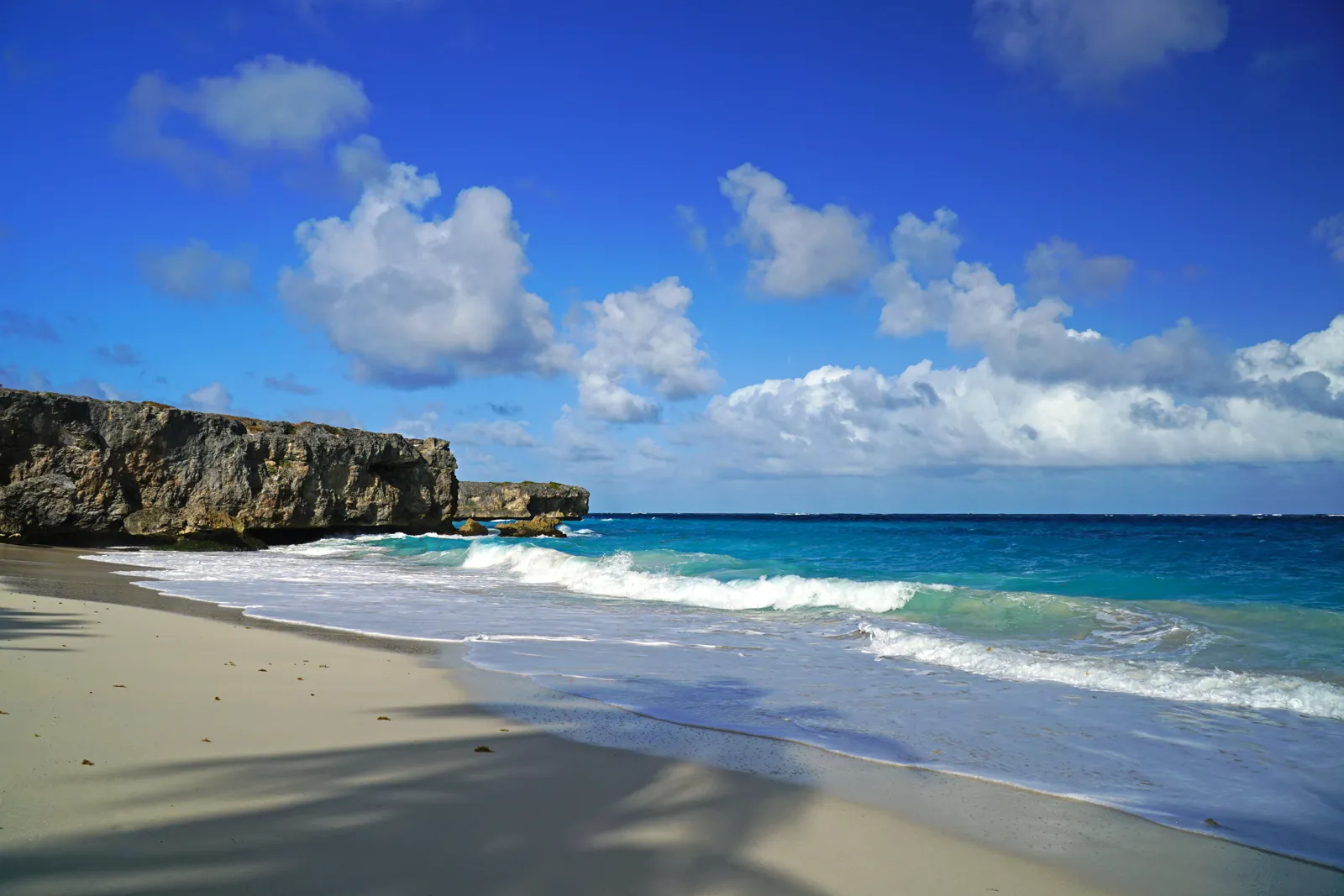
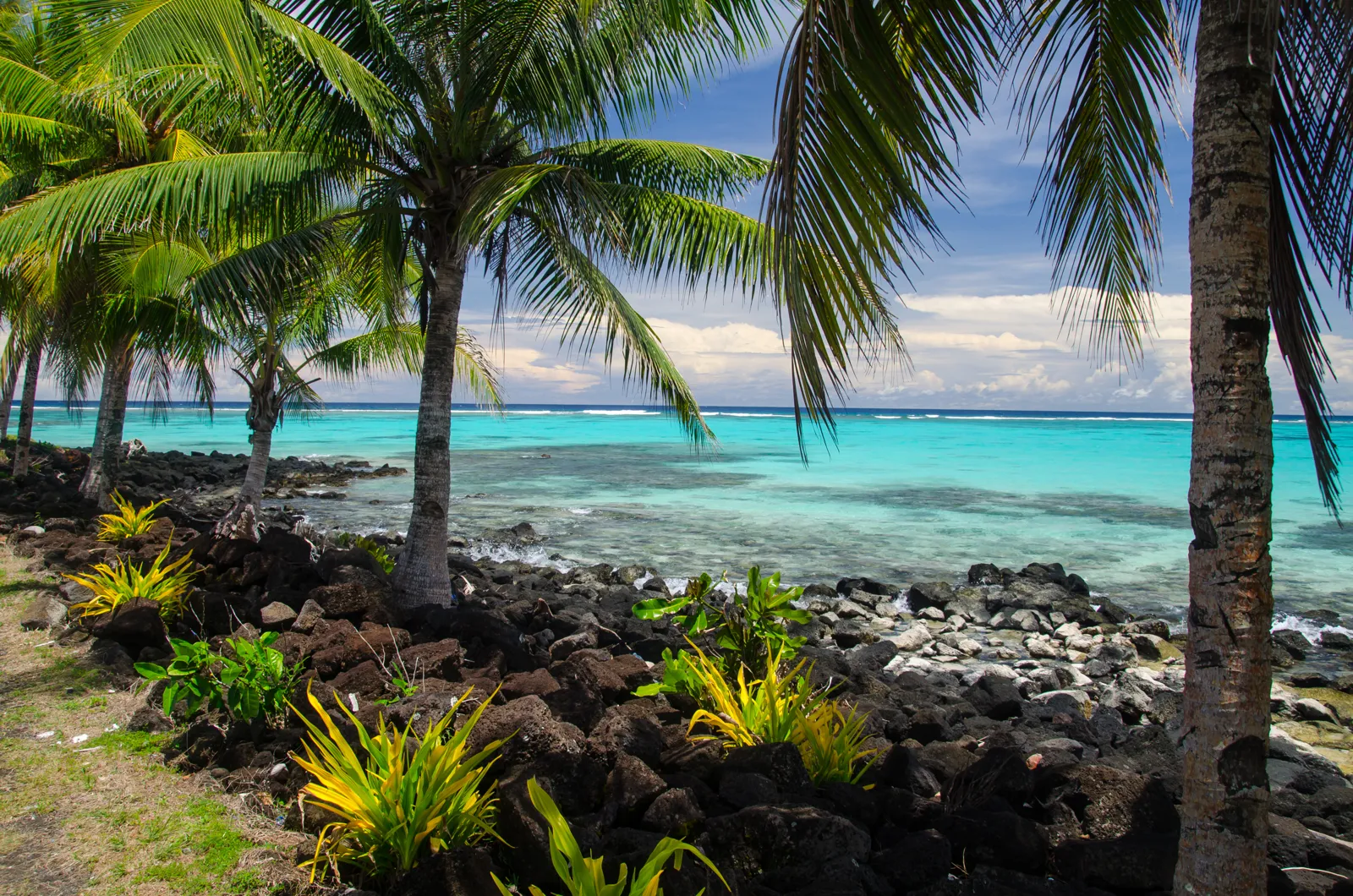
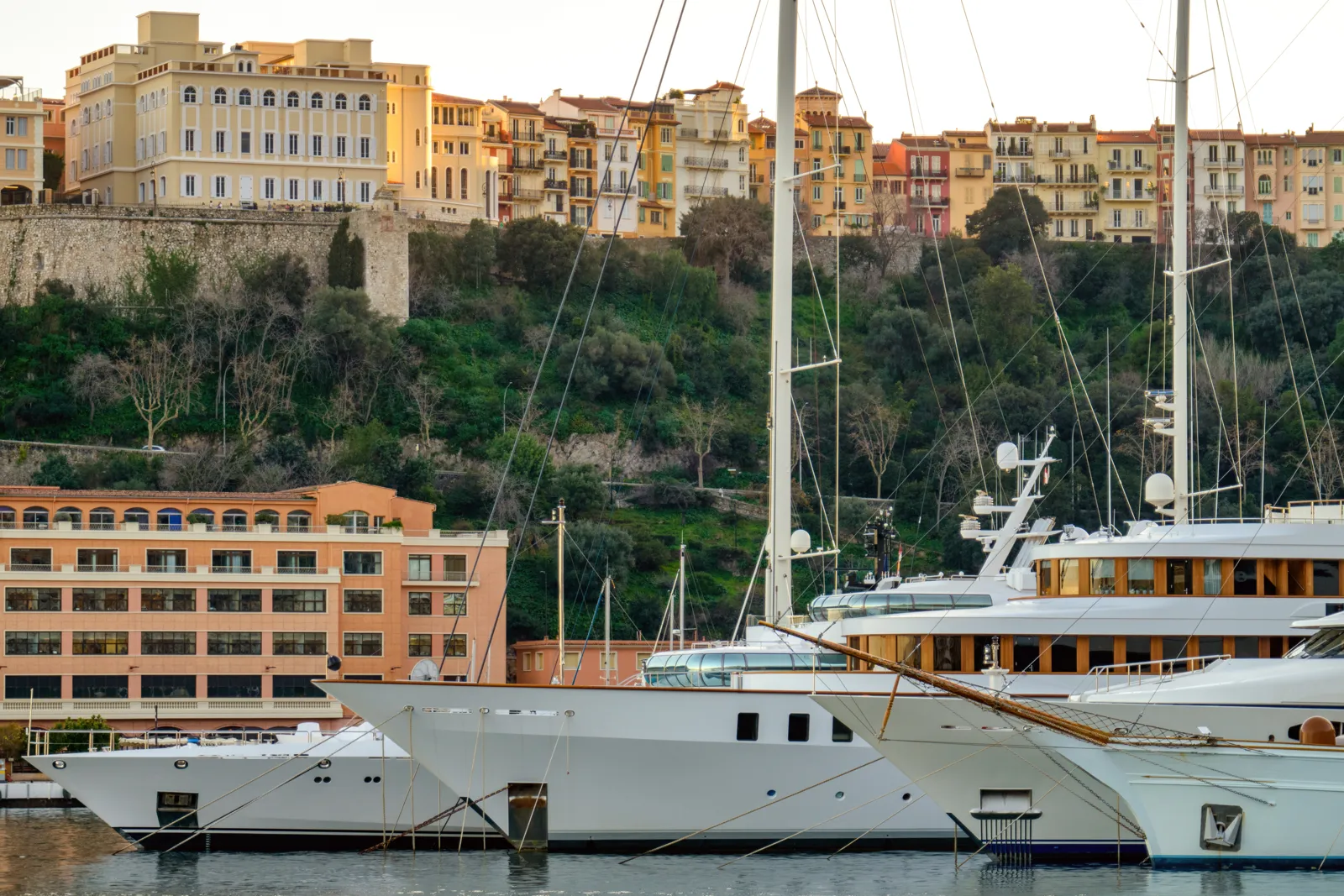
This Saint Martin travel guide covers an island of under 100 km² (39 sq mi) shared by two countries: in the north, the French collectivity of Saint-Martin, with Grand-Case, Orient Bay and Marigot; in the south, Sint Maarten, a constituent country of the Kingdom of the Netherlands, with Philipsburg, the international airport and Maho Beach, where planes pass just above the beach. You can move freely from one side to the other. Here is what to do, when to go, which documents to bring, how to get around and where to stay, on the French side as well as the Dutch side.
To locate the towns, beaches, relief, nature reserve and airports, see our map of Saint Martin.
Saint Martin at a glance
Statusin the north, a French overseas collectivity (capital: Marigot)In the south, Sint Maarten, a constituent country of the Kingdom of the Netherlands (capital: Philipsburg)
LanguageFrench in the north, Dutch and English in the southEnglish is spoken everywhere
Currencythe euro on the French side · currenciesThe Caribbean guilder on the Dutch side, where the US dollar dominates; dollars are accepted almost everywhere
Time zoneUTC−4
AirportsPrincess Juliana International (SXM), on the Dutch sideGrand-Case L’Espérance (SFG), on the French side, handles regional flights only
Entrypassport needed; French side: US no visa up to 90 days, UK no visa up to 3 months · details · travel.state.gov · GOV.UK
Electricityvoltage and plugs differ between the French and Dutch sides: check before you travel · plugs
The border, drawn in 1648, is crossed almost without noticing, apart from a monument and a sign. But the atmosphere changes: the north is quieter, focused on beaches, food and small hotels; the south has the airport, the cruise port, the large resorts, the casinos and the nightlife.
French side (Saint-Martin)
Dutch side (Sint Maarten)
Status
French overseas collectivity
Country within the Kingdom of the Netherlands, outside the European Union
Towns
Marigot, Grand-Case
Philipsburg, Simpson Bay
Currency
Euro
Caribbean guilder, US dollar widely used
Atmosphere
Quiet beaches, restaurants, villas
Duty-free shopping, casinos, bars, cruise ships
Top beaches
Orient Bay, Baie Rouge, Anse Marcel, Grand-Case
Maho Beach, Mullet Bay, Dawn Beach
Airport
Grand-Case L’Espérance (regional flights)
Princess Juliana (international flights)
US dollars are accepted almost everywhere on the island, including on the French side; check the exchange rate applied.
Things to do in Saint Martin: the highlights
Orient Bay
The big beach on the east coast, on the French side, has white sand, turquoise water and beach clubs renting loungers and parasols. The trade winds make it a windsurfing and kitesurfing spot. Part of the beach is clothing-optional. Offshore, Pinel islet and Tintamarre are part of the Saint-Martin national nature reserve.
Pinel islet and the nature reserve
A shuttle boat links Cul-de-Sac to Pinel islet in a few minutes. The small island has a calm beach, two restaurants right on the sand and a marked snorkelling trail on its sheltered side. Further out, the uninhabited Tintamarre islet is visited on a boat or catamaran trip, with sea turtles in its seagrass beds.
Grand-Case, the food capital
This fishing village on the north-west coast is known for its restaurants, from fine dining to lolos, open-air barbecues serving lobster, pork ribs and grilled fish at low prices. On Tuesday evenings in season, a street party livens up the main street. Grand-Case beach, long and calm, is lined with small hotels.
Marigot and Fort Louis
The capital of the French side is built around its harbour, marina and market, busy on Wednesday and Saturday mornings (fruit, spices, crafts). A short climb leads to Fort Louis, built at the end of the 18th century, for a view over the bay, Simpson Bay lagoon and Anguilla.
Western beaches: Baie Rouge, Baie aux Prunes, Terres Basses
On the west of the French side, Baie Rouge, Baie aux Prunes and Baie Longue are wilder, known for snorkelling near the rocks and for sunsets. They border the residential Terres Basses area and its luxury villas. Waves can be strong in winter during northerly swells.
Anse Marcel and Pic Paradis
Anse Marcel is a sheltered bay in the north, surrounded by hills, with a calm beach and a marina; you can also walk there from Cul-de-Sac on a coastal trail via Petite Cayes. Inland, Pic Paradis (424 m / 1,391 ft), the highest point, is climbed on trails through dry forest; on the way, Loterie Farm offers zip lines and treetop courses.
Maho Beach and the Dutch side
At the end of the Princess Juliana runway, Maho Beach is famous for airliners passing a few dozen metres above the swimmers. The spectacle draws crowds, but jet blast on take-off is genuinely dangerous: stay behind the fence and follow the signs. Next door, Mullet Bay is quieter. Philipsburg, the capital, lines Front Street with duty-free shops and a beachfront boardwalk, very busy on cruise-ship days. On the east coast, Dawn Beach is a good snorkelling beach at sunrise.
Trips to St Barts, Anguilla and Saba
Saint Martin is a good starting point for the neighbouring islands: Saint-Barthélemy, about 45 minutes by ferry or a few minutes by plane, Anguilla, 20 to 25 minutes by boat from Marigot, or Saba and St Eustatius, further away. Each island has its own entry rules: check them before you go. For a trip to St Barts, also see the best time to visit Saint-Barthélemy, which shares the same dry season.
Itinerary ideas for Saint Martin
One week: day 1, settle in and Grand-Case beach; day 2, Orient Bay and Pinel islet; day 3, Marigot, Fort Louis and the western beaches; day 4, hike up Pic Paradis and Loterie Farm; day 5, the Dutch side: Maho Beach, Philipsburg, Dawn Beach; day 6, trip to St Barts or Anguilla; day 7, catamaran to Tintamarre.
10 to 15 days: the same programme at a slower pace, with a night on St Barts, or combined with Guadeloupe or Martinique, linked by regional flights.
On a cruise: Philipsburg is a frequent port of call on Caribbean cruises; see our ideas for a Caribbean cruise.
When to go to Saint Martin
The best time to visit Saint Martin is from December to April, during the dry season (carême): around 29 °C (84 °F) in the afternoon, steady trade winds and the driest months, February and March (under 51 mm / 2.0 in). It is also the high season, the most expensive. June to November is the Atlantic hurricane season, with the highest risk from August to October; September to November are the wettest months. Hurricane Irma devastated the island in September 2017; it has since been largely rebuilt. May and June are a good compromise between weather and prices.
Month
High
Low
Rain
Rainy days
Crowds
Prices
Verdict
January
28.6 °C (83 °F)
23.2 °C (74 °F)
66 mm (2.6 in)
11.9
Very high
Very high
✅ Dry and breezy, high season
February
28.7 °C (84 °F)
23.1 °C (74 °F)
51 mm (2.0 in)
9.3
High (carnival)
Very high
✅ Little rain, carnival
March
29.2 °C (85 °F)
23.5 °C (74 °F)
45 mm (1.8 in)
9.0
High
High
✅ The driest
April
29.8 °C (86 °F)
24.1 °C (75 °F)
64 mm (2.5 in)
11.8
High (Easter)
High
✅ Dry, Easter
May
30.4 °C (87 °F)
25.1 °C (77 °F)
93 mm (3.7 in)
10.3
Medium
Medium
✅ Good compromise, falling prices
June
31.3 °C (88 °F)
25.2 °C (77 °F)
62 mm (2.4 in)
8.4
Low
Low
✅ Hot, start of the hurricane season
July
31.6 °C (89 °F)
26.1 °C (79 °F)
72 mm (2.8 in)
12.2
Medium (holidays)
Medium
⚠️ Hot, hurricane risk
August
31.7 °C (89 °F)
26.2 °C (79 °F)
99 mm (3.9 in)
13.9
Medium (holidays)
Medium
⚠️ Rising hurricane risk
September
31.6 °C (89 °F)
26.0 °C (79 °F)
140 mm (5.5 in)
13.5
Very low
Low
❌ Peak hurricane risk
October
31.2 °C (88 °F)
25.7 °C (78 °F)
113 mm (4.4 in)
13.8
Low
Low
❌ Rainy, hurricane risk
November
30.2 °C (86 °F)
24.9 °C (77 °F)
149 mm (5.9 in)
14.8
Medium
Medium
⚠️ The wettest, end of the season
December
29.2 °C (85 °F)
23.9 °C (75 °F)
94 mm (3.7 in)
13.3
Very high (holidays)
Very high
✅ Dry again, expensive holidays
Temperatures, rainfall and rainy days: 1971-2000 normals from the Meteorological Department Curaçao, Princess Juliana airport station. Crowds and prices: our estimate based on tourist seasons.
When to go to Saint Martin: key points
Best time: December to April, the dry and breezy season
Driest months: March (45 mm / 1.8 in) and February (51 mm / 2.0 in)
Wettest months: November (149 mm / 5.9 in) and September (140 mm / 5.5 in)
Hottest month: August (average high of 31.7 °C / 89 °F)
Hurricane season: 1 June to 30 November, peaking from August to October
Good compromise: May and June, cheaper and still fairly dry
Even in the rainy season, tropical showers are often short and followed by sunny spells. If you travel between August and October, follow the weather bulletins, take out insurance covering cancellation for weather events and book flexible services. For this cancellation risk in hurricane season, our page on cancellation insurance explains what policies really cover.
Plan
Best time
Beach and relaxing
December to May
Kitesurfing and windsurfing at Orient Bay
December to June (stronger trade winds)
Snorkelling and diving
April to June, calm sea and good visibility
Carnival
February-March on the French side; April-May on the Dutch side, depending on the year
Low prices
May-June, November (with a risk of rain)
Carnival dates vary each year: check with the island’s tourist offices.
Saint Martin is an expensive destination, especially in high season. The lolos of Grand-Case, supermarkets and rentals with a kitchen help keep costs down. Indicative amounts per person per day, excluding flights:
Item
Budget
Comfort
Accommodation (based on a shared double room)
roughly €50–90 (studio, small hotel)
roughly €150–300 (beachfront hotel, villa)
Meals
roughly €30–45 (lolos, supermarket)
roughly €60–100
Transport (shared car hire)
roughly €15–25
roughly €30–50
Activities
roughly €15–25
roughly €40–80 (catamaran, diving)
Total per day
roughly €110–170
roughly €250–450
Indicative estimates, varying with the season and the dollar exchange rate. Prices drop noticeably from May to November.
Plane: international flights land at Princess Juliana airport (SXM), on the Dutch side. Grand-Case L’Espérance airport, on the French side, only handles regional flights (Guadeloupe, St Barts and others).
Car hire: the most practical option; traffic drives on the right. Traffic jams are frequent at rush hour around Marigot, Simpson Bay and Philipsburg. On the French side, according to the UK FCDO (GOV.UK, updated 10 December 2025), French driving rules apply and you can drive with your UK licence; the U.S. Department of State (travel.state.gov, French West Indies page, last updated September 9, 2026) notes that seatbelt laws are strictly enforced and children under 12 may not sit in the front seat.
Minibuses: private buses link Marigot, Grand-Case, Philipsburg and Simpson Bay cheaply, with no fixed timetable.
Taxis: fares are fixed per journey; ask the price before getting in. They are expensive for daily use.
Boats: shuttles to Pinel islet from Cul-de-Sac, ferries to St Barts (from Marigot or Philipsburg) and to Anguilla (from Marigot).
Where to stay in Saint Martin
Grand-Case: small hotels and apartments, within walking distance of the restaurants; ideal for a stay on the French side.
Orient Bay: apartments and hotels facing the big beach, a holiday atmosphere and water sports.
Anse Marcel and Cul-de-Sac: calm, sheltered bays, for resting.
Terres Basses: upmarket villas on the western beaches.
Simpson Bay and Maho: on the Dutch side, large hotels and resorts, close to the airport, restaurants and nightlife.
Philipsburg: convenient for stopovers and shopping, less so for a long stay.
Entry requirements for Saint Martin
Two jurisdictions: most visitors arrive at Princess Juliana airport, on the Dutch side (Sint Maarten), which sets its own entry rules, while the French side follows French rules. According to the UK FCDO (GOV.UK, updated 10 December 2025), there is no physical border between the two sides and people and goods move freely between them. Check Sint Maarten’s arrival formalities with your airline before you fly.
US citizens (French side): according to the U.S. Department of State (travel.state.gov, French West Indies page, last updated September 9, 2026), you need a U.S. passport with at least 6 months’ validity. No visa is required for stays of up to 90 days if you have an onward or return ticket, confirmation of accommodation and evidence that you can support yourself.
UK citizens (French side): according to the UK FCDO (GOV.UK, St Martin and St Barthélemy page, updated 10 December 2025), you can visit without a visa for up to 3 months. Your passport must have an expiry date at least 3 months after the date you plan to leave. A yellow fever vaccination certificate is required only if you arrive from a country listed as a transmission risk. You must be able to prove your identity when asked, or within 4 hours at a police station.
The two sources differ on passport validity (6 months on the US page, 3 months after departure on GOV.UK): if in doubt, check with the French embassy or consulate and your airline. Anguilla and the other neighbouring islands have their own rules.
Customs: for what you can bring home, check your home country’s customs allowances (e.g. CBP in the US, HMRC in the UK).
Health and safety
Health: healthcare systems differ on each side of the border; insurance covering medical costs and repatriation is strongly recommended. According to GOV.UK (updated 10 December 2025), the French side is an outermost region of the EU, where a UK GHIC or EHIC gives access to medically necessary state healthcare, but it does not replace travel insurance; some specialist treatment is only available in Guadeloupe or Martinique. The U.S. Department of State reminds US travellers that Medicare and Medicaid do not apply overseas and strongly recommends medical evacuation insurance. Protect yourself from mosquitoes: GOV.UK lists Zika and dengue, the U.S. page chikungunya and dengue.
Safety: according to GOV.UK, crime levels are low, but avoid isolated areas, including beaches, after dark; the U.S. Department of State advises not leaving valuables visible in vehicles. Theft from hire cars and on beaches is the main problem.
Hurricanes: the season normally runs from June to November (GOV.UK): follow Météo-France Antilles-Guyane bulletins and the authorities’ instructions. Emergency number on the French side (GOV.UK): 112.
Money: bank cards are accepted almost everywhere. On the Dutch side, ATMs often dispense dollars; on the French side, euros. Check the rate applied when paying in dollars on the French side.
Phone: the network sometimes switches from one side to the other, which can affect roaming charges: check your carrier’s terms or get an eSIM.
Adapter: sockets are not the same on the French and Dutch sides: check what your devices need before you leave.
Environment: do not touch corals or turtles, and follow the nature reserve rules.
Packing: swimsuit, UV-protective T-shirt, water shoes for rocky beaches, a light windbreaker; see our list of what to pack.
Frequently asked questions
Do I need a passport for Saint Martin?
Yes. International flights land at Princess Juliana airport, on the Dutch side, which has its own entry rules. For the French side, the U.S. Department of State (last updated September 9, 2026) requires a U.S. passport valid for at least 6 months, and the UK FCDO (updated 10 December 2025) a UK passport valid at least 3 months after departure; neither requires a visa for a short tourist stay.
When is the best time to visit Saint Martin?
From December to April, during the dry season: February and March are the driest months. May and June offer the best balance between weather and prices. The hurricane season runs from June to November.
What is the difference between Saint-Martin and Sint Maarten?
It is the same island, divided since 1648. Saint-Martin, in the north, is a French collectivity that uses the euro; Sint Maarten, in the south, is a country within the Kingdom of the Netherlands, where people mostly pay in dollars. You can move freely between the two.
Which airport should I fly into?
Princess Juliana International Airport (SXM), on the Dutch side, handles international flights. Grand-Case L’Espérance, on the French side, only has regional flights, for example to Guadeloupe or St Barts.
Which currency should I use in Saint Martin?
The euro on the French side and the Caribbean guilder on the Dutch side, where the US dollar is the most used currency. Dollars are accepted almost everywhere on the island and bank cards are very widely used.
Can you go to St Barts from Saint Martin?
Yes, by ferry from Marigot or Philipsburg (about 45 minutes) or by plane from Princess Juliana or Grand-Case, in a few minutes. It is a classic day trip.
Our sources
Climate data: 1971-2000 normals from the Meteorological Department Curaçao, Princess Juliana airport station, as reproduced in the climate box of the Wikipedia article « Sint Maarten », consulted on 14 October 2026
Wikipedia, article « Princess Juliana International Airport » (airlines and destinations), consulted on 14 October 2026
Transparency: this page contains affiliate links, labelled as such. If you book through them we may earn a commission at no extra cost to you; it does not influence our content or recommendations. How we fund the site.