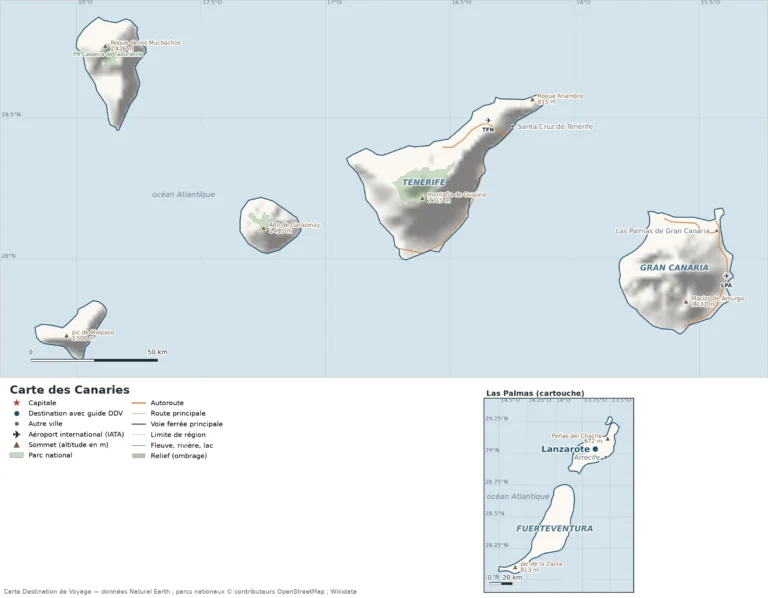
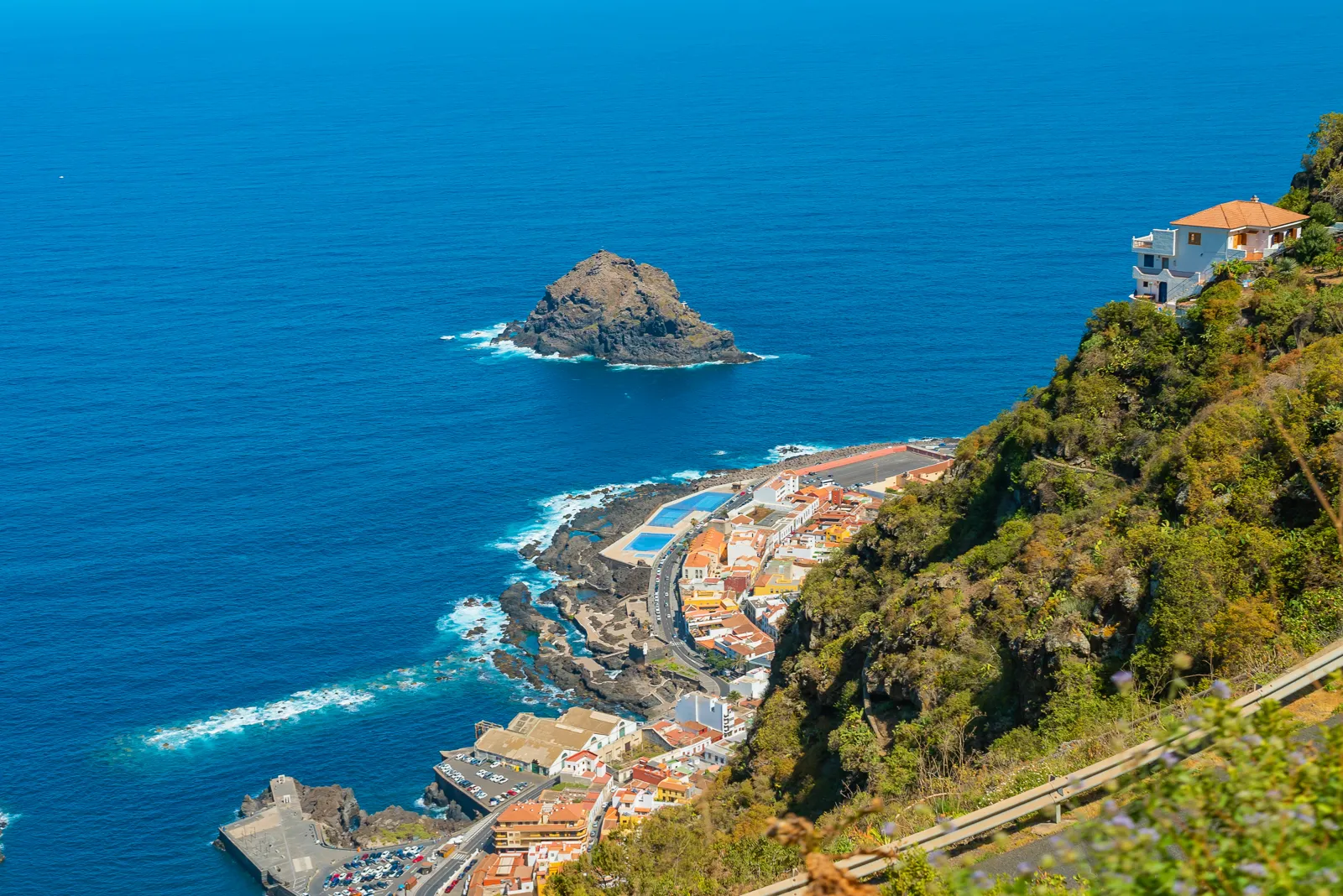
Looking for things to do in Gran Canaria? In the center of the Canary Islands, this island about 50 km (31 mi) across combines sand dunes, a lively big city, volcanic mountains and white villages. Las Palmas, its capital, is the largest city in the Canaries. This guide helps you choose your base, your stops and your season.

Our travel deals for Gran Canaria
Affiliate links: we earn a commission, at no extra cost to you.
 FlightsKiwi.comCompare flights and airline combinations to Gran Canaria.Compare flights
- Airport transferKiwitaxiPrivate driver booked in advance at a fixed price.Book a transfer


Gran Canaria at a glance
- Main city Las Palmas de Gran Canaria
- Language SpanishEnglish and German are common in the southern resorts
- Currency euro · currencies
- Time zone UTC+0 (Western European Time), one hour behind mainland SpainSame time as London and 5 h ahead of New YorkLocal time now: –:–
- Airports Gran Canaria Airport (LPA), on the east coastCheck current routes with the airlines
- Entry US and UK: visa-free up to 90 days in any 180 (Spain, Schengen) · travel.state.gov · GOV.UK
- Budget see our budget section
When to go to Gran Canaria
✅ Best months: January, February, March, April, may, June, September, October, November
Gran Canaria can be visited all year: AEMET’s 1991-2020 normals give 21 °C (70 °F) in the afternoon in January and 28 °C (82 °F) in August at the airport, with only 134 mm (5.3 in) of rain a year. The best times are April to June and September-October, when it is dry, warm without excess and prices fall. Winter is high season for sun-seekers, especially in the south; the rare rains fall mostly from October to February. All the details, month by month: the best time to visit Gran Canaria. If Tenerife also tempts you for winter, our comparison to choose between Tenerife and Gran Canaria sets landscapes, beaches and budget side by side.
Things to do in Gran Canaria: the must-sees
The Maspalomas dunes
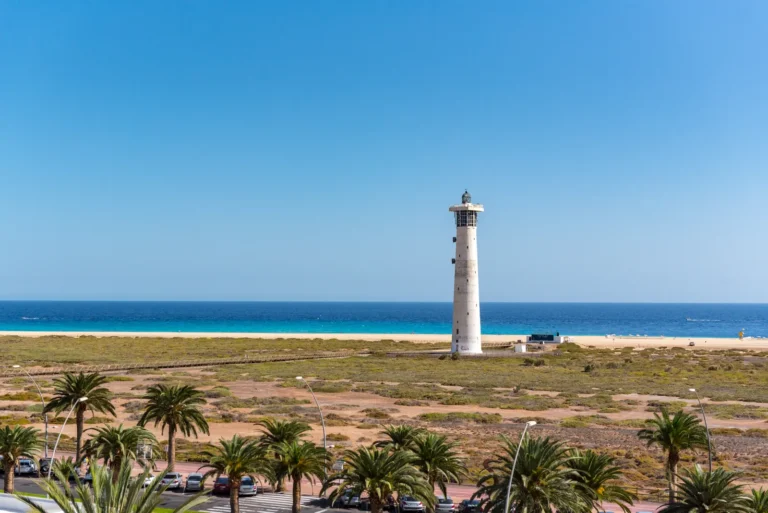
At the southern tip of the island, the Maspalomas dunes form a nature reserve of several hundred hectares, between Playa del Inglés and the Maspalomas lighthouse. You cross them on foot, staying on the marked routes: the vegetation is fragile and part of the area is protected. Go early in the morning or late in the day, as the sand gets scorching and the glare is strong. La Charca lagoon, at the foot of the lighthouse, attracts migratory birds.
Vegueta and Triana, the old town of Las Palmas
Vegueta is the historic heart of Las Palmas, founded at the end of the 15th century. Around Santa Ana Cathedral, its cobbled streets are lined with houses with wooden balconies and patios. The Casa de Colón, linked to Christopher Columbus’s stopovers, houses a museum devoted to the voyages to the Americas. Right next door, the Triana shopping district continues the walk, with its pedestrian street and old façades.
Las Canteras beach
Several kilometers long, Las Canteras is the big city beach of Las Palmas. A natural rock reef, a few dozen meters offshore, calms the sea in part of the bay, making it good for swimming and snorkeling. A promenade runs its full length, with cafés and restaurants. At the western end, the more exposed section attracts surfers.
Roque Nublo and Tejeda
In the heart of the island, Roque Nublo is a volcanic rock monolith towering over the mountains. A short, fairly easy trail leads to it from a parking area that gets very busy in high season: arrive early. The village of Tejeda, below, is known for its almond pastries and its view over the caldera. Pico de las Nieves, the island’s highest point, is accessible by car and on clear days offers a view of Mount Teide on Tenerife. If that view makes you want to cross over, see the best time to visit Tenerife, Gran Canaria’s neighbor.
Risco Caído and Artenara
The Risco Caído and the Sacred Mountains of Gran Canaria Cultural Landscape is a UNESCO World Heritage Site. It brings together cave dwellings and sites linked to the island’s ancient inhabitants. Artenara, the island’s highest village, has houses carved into the rock, some still inhabited. The Risco Caído site itself can only be visited under supervised conditions: check before you go.
Puerto de Mogán
In the southwest, Puerto de Mogán is a small marina with low, flower-covered houses and canals. It is one of the island’s most pleasant resorts, away from the large hotel complexes. A small sheltered beach borders the harbor, and boats follow the coast to Puerto Rico and Arguineguín. The village is lively by day and quieter in the evening.
The north: Arucas, Teror, Gáldar and Agaete
The north takes one or two days by car. Arucas is known for its imposing neo-Gothic church in volcanic stone and its rum distillery. Teror, a village of wooden balconies, has the basilica of the Virgin of the Pine, the island’s patron saint. In Gáldar, the Cueva Pintada museum and archaeological park shows a cave decorated with geometric patterns and a pre-Hispanic village. Agaete and its harbor, Puerto de las Nieves, have natural pools carved into the lava; it is also the departure point for ferries to Tenerife.
The eastern ravines: Guayadeque and Agüimes
The Guayadeque ravine, between Agüimes and Ingenio, is a deep gorge where houses, a chapel and restaurants have been set up in caves. Agüimes has a well-kept historic center, with its squares and church. These two stops combine easily from the south or the airport.
Itinerary suggestions for Gran Canaria
7 days: the island’s highlights
- Day 1: arrival, settle in the south or in Las Palmas
- Day 2: the Maspalomas dunes and Playa del Inglés
- Day 3: Puerto de Mogán and the southwest coast
- Day 4: the center of the island: Roque Nublo, Pico de las Nieves, Tejeda
- Day 5: Artenara, Agaete and Puerto de las Nieves
- Day 6: Arucas, Teror, Gáldar (Cueva Pintada)
- Day 7: Las Palmas (Vegueta, Triana, Las Canteras), departure
10 days to 2 weeks: Gran Canaria and Tenerife
- Days 1-3: Las Palmas, Vegueta and the north of the island
- Days 4-5: the central mountains, with a night in Tejeda or Artenara
- Days 6-8: the south: Maspalomas, Mogán, the Guayadeque ravine
- Days 9-12: ferry from Agaete or Las Palmas to Tenerife (Teide, La Laguna, Anaga)
- Days 13-14: return or depart from Tenerife, depending on your tickets
For the rest of your trip, see our Tenerife guide and our Canary Islands guide.
Budget for a trip to Gran Canaria
Indicative amounts per person per day, excluding flights:
| Item | Budget | Comfort |
|---|---|---|
| Accommodation (sharing a double room) | about €25 to 45 | about €60 to 130 |
| Meals | about €20 to 30 | about €40 to 70 |
| Transport (shared rental car, fuel, bus) | about €10 to 20 | about €20 to 40 |
| Sightseeing and activities | about €5 to 15 | about €15 to 50 |
| Total per day | roughly €60 to 110 | roughly €135 to 290 |
All-inclusive deals in the southern resorts can be worthwhile outside school holidays. In Las Palmas and the northern villages, bars and restaurants used by locals are much cheaper than the tourist areas.
Getting around Gran Canaria
- Car: the most practical way to explore the island. A highway runs along the east coast from north to south, but the mountain roads to Tejeda, Artenara or Mogán are narrow and winding: allow more time than planned. US drivers must obtain an International Driving Permit before arriving and need one to rent a car (U.S. Department of State); UK photocard licences can be used in Spain (GOV.UK).
- Bus (Global and Guaguas Municipales): the Global intercity network links the airport, Las Palmas, the southern resorts and many villages; Guaguas Municipales serves the city of Las Palmas. A reasonable option without a car, but services to the mountains are infrequent.
- Ferry: boats link Gran Canaria with Tenerife (from Agaete and Las Palmas) and with Fuerteventura and Lanzarote.
- Taxi: useful for the airport or the start of a one-way hike.
Where to stay in Gran Canaria
| Base | Best for | Good to know |
|---|---|---|
| Maspalomas and Meloneras | Beach, families, upscale hotels | The sunniest, very touristy |
| Playa del Inglés and San Agustín | Beach, mid-range budget, nightlife | Large complexes, lively atmosphere |
| Puerto Rico and Puerto de Mogán | Quiet, sheltered coves | Smaller beaches, hilly terrain |
| Las Palmas (Las Canteras, Vegueta) | City, culture, local life | Mornings more often gray in summer |
| Rural houses in the center and north | Hiking, nature, quiet | Car essential, cool nights |
For a stay of a week or more, two bases (one in the south, one in Las Palmas or the interior) avoid long daily drives. During school holidays and Carnival, book several months ahead.
Entry requirements, health and safety
- US citizens: the Canary Islands are part of Spain. According to the U.S. Department of State (travel.state.gov, last updated August 11, 2025), your passport should be valid for at least 3 months beyond your stay (6 months recommended); you need sufficient proof of funds and a return ticket.
- UK citizens: according to the UK FCDO (GOV.UK, updated 12 August 2026), you can travel to the Schengen area, including Spain, without a visa for up to 90 days in any 180-day period. Your passport must have been issued less than 10 years before you arrive and be valid for at least 3 months after you leave. You may be asked for proof of travel insurance, funds, a return ticket and accommodation, and may have to register under the EU Entry/Exit System (EES).
- Health: UK travelers need a GHIC or EHIC for medically necessary state healthcare, which is not an alternative to travel insurance (GOV.UK).
- Safety: thieves use distraction techniques, especially at airports and when collecting a hire car (GOV.UK): watch your belongings and leave nothing visible in the car. Wildfires happen often in summer, including on the islands; causing one, even unintentionally, is a criminal offense (GOV.UK). Check weather and fire alerts with AEMET.
- Sea: some beaches, especially around the islands, have strong undercurrents (GOV.UK), particularly on the north coast. Swim on supervised beaches and follow the flags.
- Emergencies: 112.
Practical tips
- Money: cards are widely accepted; you may be asked for ID when paying by card (GOV.UK). Keep a little cash for buses, markets and small village shops.
- Internet: check your provider’s roaming rates for Spain before you leave; an eSIM can be a cheaper option.
- Sun and heat: UV is strong all year, especially in the dunes and at altitude: sunscreen, a hat and water are essential.
- Mountains: temperatures drop markedly with altitude; bring a jacket, even in summer, for Roque Nublo and Pico de las Nieves.
- Meal times: lunch and dinner are late, as in the rest of Spain.
- Tipping: not compulsory; round up if you enjoyed the service.
Who is Gran Canaria for?
Our verdict by profile, based on the information in this guide:
- Couples: yes: Puerto de Mogán, mountain villages such as Tejeda or Artenara, rural houses in the center.
- Families: yes: Maspalomas and Meloneras beaches, Las Canteras sheltered by its reef; book early for school holidays.
- Budget travelers: mostly yes: roughly €60 to 110 per person per day; bars and restaurants used by locals are much cheaper than the tourist areas.
- Hiking: yes: Roque Nublo, Pico de las Nieves, the Guayadeque ravine.
- Winter sun: yes: about 21 °C (70 °F) in the afternoon in January according to AEMET, especially in the south.
- Culture: yes: Vegueta and the Casa de Colón, Gáldar’s Cueva Pintada, UNESCO-listed Risco Caído.
Read more
The month-by-month climate and seasonal prices are detailed on our page on the best time to visit Gran Canaria. To compare with the other islands, read the best time to visit the Canary Islands, then our articles on the Canary Islands in February and the Canary Islands in November, two popular winter-sun months.
Frequently asked questions
How many days do you need in Gran Canaria?
A week covers the essentials: the Maspalomas dunes, Puerto de Mogán, Roque Nublo, Tejeda, Artenara, the northern villages and Las Palmas. With ten days to two weeks, you can add more hiking or a crossing to Tenerife.
Is it better to stay in the north or the south of Gran Canaria?
The south is sunnier and drier, with most of the beaches and hotels. Las Palmas, in the northeast, is a real city, livelier and often cheaper, but cloudier in the morning. For a tour, combine the two.
Do you need a car in Gran Canaria?
It is recommended for exploring the interior and the north: Global buses serve the coast well, but mountain villages are poorly served. US drivers need an International Driving Permit (travel.state.gov).
How do you get to Gran Canaria?
By air to Gran Canaria Airport (LPA), on the east coast; check current routes with the airlines. Ferries also link the island with Tenerife, Fuerteventura and Lanzarote.
What can you do in Gran Canaria in 7 days?
The Maspalomas dunes, Puerto de Mogán, the center of the island (Roque Nublo, Pico de las Nieves, Tejeda), Artenara and Agaete, the north (Arucas, Teror, Gáldar), then Las Palmas with Vegueta, Triana and Las Canteras beach.
What should you see first in Gran Canaria?
The Maspalomas dunes, Roque Nublo and the village of Tejeda, the old town of Vegueta in Las Palmas and Las Canteras beach make up the essentials of a first visit.
Is Gran Canaria safe?
Yes, with usual precautions. The main risks are thefts in tourist areas, especially distraction thefts at airports and car rental desks (GOV.UK), and sea conditions.
Our sources
- U.S. Department of State, Spain country information (travel.state.gov, last updated August 11, 2025), read on 26 October 2026
- UK FCDO, foreign travel advice for Spain (GOV.UK, updated 12 August 2026), read on 26 October 2026
- Climate data: 1991-2020 normals (provisional) for the Gran Canaria Airport station published by Spain’s State Meteorological Agency (AEMET)
- Our methodology
Updated October 2026.
To discover the other islands, see our Canary Islands guide, our Spain travel guide and our other destinations in Europe.