When to go to Gran Canaria? Gran Canaria can be visited all year: on the east coast, it averages 21 °C (70 °F) in the afternoon in January and 28 °C (82 °F) in August, with very little rain. For the best balance of warmth, prices and crowds, aim for April to June and September–October. From November to March, the island is a sought-after winter-sun destination: it is the high season, and the time when the year’s rare rains fall. This is the best time to visit Gran Canaria depending on what you want.
Gran Canaria, the third-largest of the Canary Islands by area, is nicknamed a « miniature continent » for the variety of its landscapes. The climate is subtropical, softened by the ocean and the trade winds, with small differences between seasons on the coast. The center of the island is mountainous: Pico de las Nieves exceeds 1,900 m (6,234 ft) and nights there are cool, even cold in winter. The north, exposed to the trade winds, is cloudier and greener; the south, around Maspalomas, is drier and sunnier. Here is how to choose your month, based on the official normals.

Our travel deals for Gran Canaria
Affiliate links: we earn a commission, at no extra cost to you.
 FlightsKiwi.comCompare flights and airline combinations to Gran Canaria.Compare flights

When to go to Gran Canaria at a glance
- Best times April to June, September–October
- Winter sun December to March, about 21 to 22 °C (70 to 72 °F) in the afternoon on the coast
- Hottest August, about 28 °C (82 °F) average high
- Wettest December (about 29 mm (1.1 in)), which is still very little
- For hiking February to May and October–November
- Plan ahead for Carnival, the Christmas and Easter holidays, and July–August
When to go to Gran Canaria by priority
- Best weather: April to June and September–October; December to March for winter sun (21 to 22 °C (70 to 72 °F) in the afternoon)
- Cheapest: May, June, September and October, outside peak holiday periods
- Fewest crowds: May, the month with the lowest attendance, then June, September and October
- Events: Las Palmas Carnival in February or March, Canary Islands Day on May 30, the Fiesta de la Rama in Agaete in early August, the Fiesta of the Virgen del Pino in Teror in early September; check dates
- To compare with other destinations, see our picks for where to go in May.
Gran Canaria: the calendar at a glance
✅ Best months: January, February, March, April, may, June, September, October, November
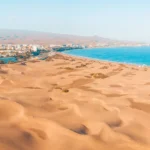
Weather in Gran Canaria: climate month by month
| Month | Avg. max | Avg. min | Rain | Crowds | Prices | Verdict |
|---|---|---|---|---|---|---|
| January | 21.1 °C (70 °F) | 15.2 °C (59 °F) | 23 mm (0.9 in) | High | High | ✅ Mild and sunny, winter high season |
| February | 21.3 °C (70 °F) | 15.3 °C (60 °F) | 20 mm (0.8 in) | High (Carnival) | High | ✅ Mild, Carnival season |
| March | 22.2 °C (72 °F) | 15.7 °C (60 °F) | 12 mm (0.5 in) | High | High | ✅ Mild, ideal for hiking |
| April | 22.9 °C (73 °F) | 16.6 °C (62 °F) | 5 mm (0.2 in) | Moderate (Easter) | Moderate | ✅ Dry and mild, mountains still green |
| May | 24.0 °C (75 °F) | 17.8 °C (64 °F) | 1 mm (0.04 in) | Low | Low | ✅ One of the best values |
| June | 25.6 °C (78 °F) | 19.5 °C (67 °F) | 0 mm (0.00 in) | Moderate | Moderate | ✅ Warm and dry, before the summer holidays |
| July | 27.2 °C (81 °F) | 21.0 °C (70 °F) | 0 mm (0.00 in) | High | High | ⚠️ Warm, families, high prices |
| August | 27.8 °C (82 °F) | 21.9 °C (71 °F) | 1 mm (0.04 in) | Very high | Very high | ⚠️ Peak crowds and prices |
| September | 27.2 °C (81 °F) | 21.6 °C (71 °F) | 5 mm (0.2 in) | Moderate | Moderate | ✅ Warmest sea, crowds falling |
| October | 26.3 °C (79 °F) | 20.3 °C (69 °F) | 21 mm (0.8 in) | Moderate | Moderate | ✅ Still warm, first rains |
| November | 24.3 °C (76 °F) | 18.4 °C (65 °F) | 17 mm (0.7 in) | Moderate | Moderate | ✅ Mild, winter visitors return |
| December | 22.3 °C (72 °F) | 16.5 °C (62 °F) | 29 mm (1.1 in) | High (Christmas) | High | ⚠️ Mild but the wettest month |
These normals are for the airport station, on the east coast, between Las Palmas and the south. It receives about 134 mm (5.3 in) of rain a year. Conditions do change with the terrain, however: Las Palmas, in the northeast, often has morning cloud cover, especially in summer; the south (Maspalomas, Playa del Inglés, Puerto de Mogán) is the sunniest area; the villages of the center, such as Tejeda or Artenara, are noticeably cooler, and the summits can see frost in winter. The figures in the table therefore do not apply to the highlands.
North or south: two atmospheres on one island
Gran Canaria is a round island, but its climate is not uniform. The trade winds, steady northeasterlies, push moisture against the northern slopes. A sea of clouds often forms there, especially from May to September, which Las Palmas residents call the « panza de burro » (donkey’s belly). Meanwhile the south stays clear, sheltered by the mountains. AEMET does not publish normals for Maspalomas in the sources consulted: simply remember that the south is on average drier and sunnier than the north.
- If you come for the beach and sun, especially in winter: stay in the south (Maspalomas, Playa del Inglés, San Agustín, Puerto Rico, Mogán).
- If you prefer the city, culture and local life: Las Palmas, with Las Canteras beach, is pleasant all year, despite grayer mornings in summer.
- If you come to walk: the central mountains are best explored in spring and fall; in winter, pack warm clothes.
Gran Canaria’s seasons: pros and cons
Winter (December to March): winter sun
It is 21 to 22 °C (70 to 72 °F) in the afternoon on the coast and about 15 °C (59 °F) at night. This is the wettest season, with 12 to 29 mm (0.5 to 1.1 in) a month at the airport, which is still low. The sea is cool for many swimmers. In the mountains, nights are cold and Pico de las Nieves can exceptionally turn white. It is the high season, especially over the year-end holidays and Carnival.
- Pros: a mildness rare in Europe in winter, lots of sun in the south, good conditions for walking
- Cons: high prices over school holidays, cool sea, more frequent clouds in the north, cold at altitude
- Who is it for? A sun or hiking break to escape the northern winter
Spring (April to June): the best season for many
Rain almost disappears (5 mm (0.2 in) in April, less than 1 mm (0.04 in) in June) and highs rise from 23 to 26 °C (73 to 79 °F). After Easter, crowds fall markedly, especially in May. The mountains are still green after winter, and the almond trees bloom around Tejeda in late winter. The sea warms slowly.
- Pros: dry, mild weather, lower prices, ideal for combining beach and hiking
- Cons: sea still cool in April–May, skies often gray in the morning in Las Palmas
- Our tip: May and June are among the best months of the year
Summer (July–August): hot and busy
It is about 27 to 28 °C (81 to 82 °F) in the afternoon at the airport, with no rain and nights at 21 to 22 °C (70 to 72 °F). Heat stays moderate on the coast, but the interior and the south of the island are hotter, and spells of hot wind from the Sahara (the calima) can push temperatures up and fill the air with dust. The southern resorts host many families and prices are at their highest. GOV.UK notes that wildfires happen often in Spain, including on the islands, during the summer months.
- Pros: warmer sea, long days, all activities open
- Cons: crowds and high prices, heat spells and wildfire risk in the mountains
- Who is it for? Families tied to school holidays; book early
Fall (September to November): the late season
September is still as warm as July (27 °C (81 °F)) with the sea at its warmest, but far fewer people. October is still warm (26 °C (79 °F)) and sees the first rains return (21 mm (0.8 in) on average). November is mild (24 °C (75 °F)) and marks the return of the northern European visitors who spend the winter on the island.
- Pros: warm sea, falling prices and crowds, good hiking conditions late in the season
- Cons: first showers in October–November, shorter days
- Our tip: September and October are an excellent compromise
When to go to Gran Canaria by region
| Area | Highlights | Best time | Good to know |
|---|---|---|---|
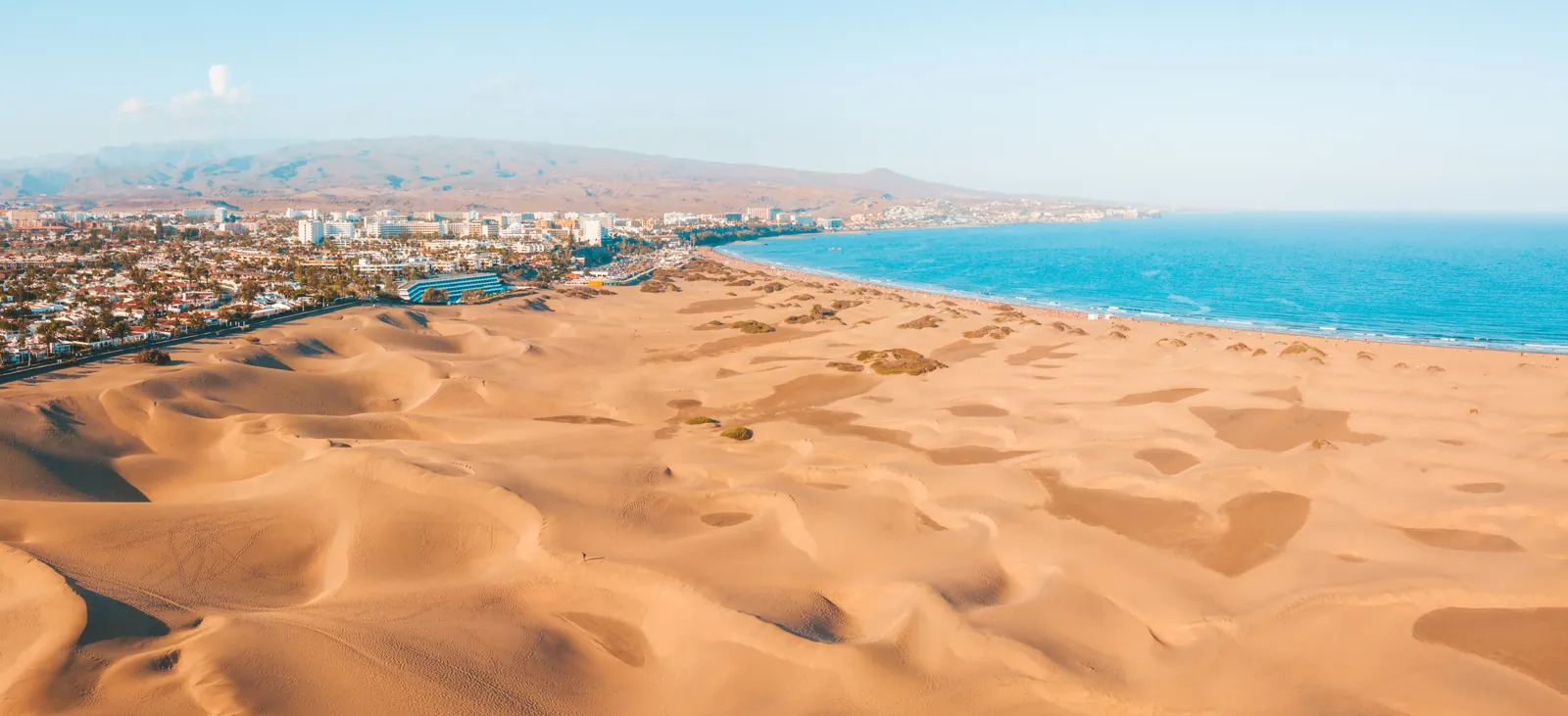
| South (Maspalomas, Playa del Inglés, San Agustín) | Dunes, beaches, hotels | All year | The driest and sunniest area |
| Southwest (Puerto Rico, Puerto de Mogán) | Sheltered coves, harbor, calm | All year | Very sheltered from the wind |
| Las Palmas (northeast) | City, Vegueta, Las Canteras beach | All year | Mornings often cloudy in summer |
| Center (Tejeda, Roque Nublo, Pico de las Nieves) | Hiking, villages, viewpoints | February–June, October–November | Cool, even cold in winter |
| North and northwest (Agaete, Gáldar, Teror) | Villages, green valleys, ancient sites | April–October | Wetter, sea often rough |
The south
The south concentrates most of the hotels, developed beaches and leisure parks. The weather is good most of the time, in winter as in summer. West of Maspalomas, Puerto Rico and Puerto de Mogán sit at the end of sheltered valleys, with smaller beaches and often calmer seas.
Las Palmas and the north
Las Palmas can be visited all year: the urban beach of Las Canteras, protected by a rocky barrier, allows swimming even in winter when the sea is calm. The north of the island (Arucas, Teror, Gáldar, Agaete) is greener and cooler. Trade-wind clouds are frequent there in summer, but rarely bring rain.
The central mountains
The center of the island peaks at Pico de las Nieves, above 1,900 m (6,234 ft), next to Roque Nublo, a volcanic monolith. It often rises above the sea of clouds, offering clear views of Mount Teide on Tenerife in clear weather. Winter there is cool and windy; in summer, set out early because of the heat and sun. Spring and fall are the best seasons for walking there. GOV.UK notes that temperatures in some parts of Spain can change very quickly: check local weather reports before a hike.
When to go to Gran Canaria by trip type
| Your trip | Best time | Good to know |
|---|---|---|
| Beach and winter sun | December to March | Stay in the south; cool sea |
| Swimming in a warmer sea | July to October | September is cheaper than August |
| Hiking (Roque Nublo, Tejeda, Tamadaba) | February to May, October–November | Set out early, pack for heat at altitude |
| Carnival | February or March, depending on the calendar | Variable dates, accommodation in high demand |
| Windsurfing and kitesurfing | Summer for steady wind | The trade winds blow hard in the southeast (Pozo Izquierdo) |
| Stargazing | All year, in clear weather | The summits are above the coastal clouds |
| Budget | May, June, September–October | Outside peak holiday periods |
Major events in Gran Canaria
| Period | Event | Good to know |
|---|---|---|
| February or March (date varies) | Carnival of Las Palmas de Gran Canaria | Parades and contests; the Maspalomas carnival generally follows |
| March–April (date varies) | Holy Week | Processions, notably in the Vegueta district |
| May 30 | Canary Islands Day | Public holiday in the archipelago |
| Early August | Fiesta de la Rama in Agaete | Procession with branches down to the sea |
| Early September | Fiesta of the Virgen del Pino in Teror | The island’s most important pilgrimage |
Gran Canaria month by month: what to expect
Gran Canaria in January: Mild (21 °C (70 °F)), about 23 mm (0.9 in) of rain at the airport. Winter high season, especially in the south; cold nights in the mountains. These mild winters also make the neighboring island famous: our comparison to choose between Tenerife and Gran Canaria details the differences.
Gran Canaria in February: Close to January. Often the month of the Las Palmas Carnival (the date varies): book early. Almond trees bloom in the center.
Gran Canaria in March: 22 °C (72 °F) in the afternoon and only 12 mm (0.5 in) of rain. Excellent for hiking before the heat.
Gran Canaria in April: Mild (23 °C (73 °F)) and very dry. Holy Week draws crowds; afterward, attendance falls.
Gran Canaria in May: 24 °C (75 °F), almost no more rain, prices falling. One of the best months of the year.
Gran Canaria in June: 26 °C (79 °F), dry, long days. Quiet before the summer holidays, but skies often gray in the morning in Las Palmas.
Gran Canaria in July: 27 °C (81 °F) on the east coast, no rain, hotter in the south and the interior. Resorts fill up.
Gran Canaria in August: The hottest (28 °C (82 °F)) and most expensive month. Book several months ahead; Fiesta de la Rama in Agaete.
Gran Canaria in September: Still 27 °C (81 °F), sea at its warmest, crowds falling. An excellent month.
Gran Canaria in October: 26 °C (79 °F), first rains (21 mm (0.8 in)). A good balance of warmth, prices and hiking.
Gran Canaria in November: Mild (24 °C (75 °F)), 17 mm (0.7 in) of rain. Winter visitors return.
Gran Canaria in December: 22 °C (72 °F) in the afternoon, the wettest month (29 mm (1.1 in)), which is still little. Year-end holidays in high demand.
When to book your trip to Gran Canaria
For Christmas, Easter and July–August, book flights and accommodation 3 to 6 months ahead, especially in the south and during Carnival. In May, June, September and October, 1 to 2 months is generally enough. Gran Canaria Airport is on the east coast of the island, on the same side as Las Palmas and the south.
Planning your trip to Gran Canaria
- Entry requirements: passport and entry rules depend on your nationality: see the entry requirements for the Canary Islands.
- Time difference: the Canary Islands are on the same time as London all year (UTC+0 in winter, UTC+1 in summer), and usually 5 hours ahead of New York; they are one hour behind mainland Spain.
- Currency: the euro.
- Health: protect yourself from the sun, strong even in winter, and take out travel insurance that covers medical costs.
- Safety: GOV.UK (updated 12 August 2026) notes that some beaches, especially around Spanish islands, may have strong undercurrents, and that wildfires happen often in Spain, including on the islands, during the summer months.
To plan your stay, see our Gran Canaria travel guide. To compare with the other islands, see when to go to the Canary Islands and when to go to Tenerife.
Frequently asked questions
What is the best month to visit Gran Canaria?
May, June, September and October offer the best balance: dry weather, 24 to 27 °C (75 to 81 °F) in the afternoon, moderate prices and crowds. To escape the northern winter, December to March remain very pleasant, especially in the south of the island.
Is Gran Canaria warm in winter?
Yes, for a winter month: the AEMET 1991–2020 normals give about 21 °C (70 °F) average high and 15 °C (59 °F) average low in January at the airport. The sea is cool and the mountains are cold at night.
Can you swim in Gran Canaria in winter?
It is possible for many swimmers, but the Atlantic is cool in winter. The sheltered beaches of the south and Las Canteras in Las Palmas, as well as hotels’ heated pools, are the most pleasant at this time of year. GOV.UK notes that some beaches around Spanish islands may have strong undercurrents, so take care when swimming in the sea.
Where is the weather best in Gran Canaria?
In the south, around Maspalomas, Playa del Inglés and Mogán, sheltered from the trade-wind clouds. The north, with Las Palmas, is more often overcast in the morning, especially in summer.
When does it rain in Gran Canaria?
Very little: about 134 mm (5.3 in) a year at the airport. Rain falls mostly from October to February, peaking in December (about 29 mm (1.1 in)). From May to August, it almost never rains.
What is the coldest month in Gran Canaria?
January: about 21 °C (70 °F) in the afternoon and 15 °C (59 °F) at night on average at Gran Canaria airport, according to AEMET’s 1991–2020 (provisional) normals. It is cooler in the central mountains.
What is the cheapest month to go to Gran Canaria?
May is generally the best value: low attendance, low prices and 24 °C (75 °F) in the afternoon. June, September and October remain months of average prices.
When is the Gran Canaria Carnival?
The Las Palmas Carnival generally takes place in February or early March, and the Maspalomas one a little later: dates change every year. Check the official calendar before booking.
Our sources
- Spain’s national meteorological agency (AEMET): 1991–2020 normals (provisional), Gran Canaria airport station
- Safety information read on 26 October 2026: UK FCDO, foreign travel advice for Spain (GOV.UK, updated 12 August 2026)
- Our methodology
Updated November 2026.