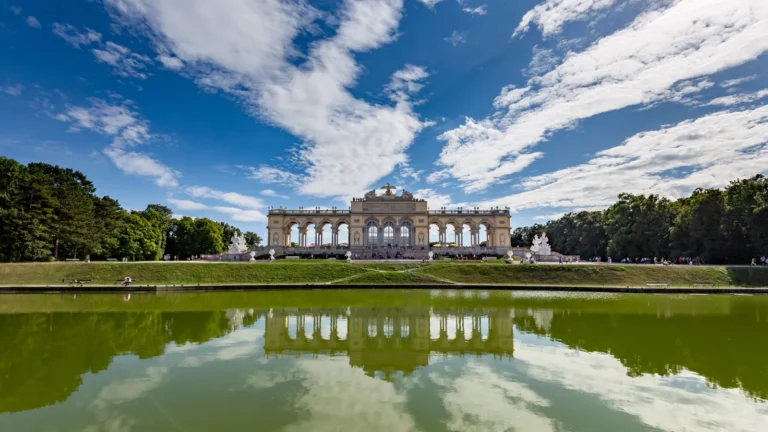
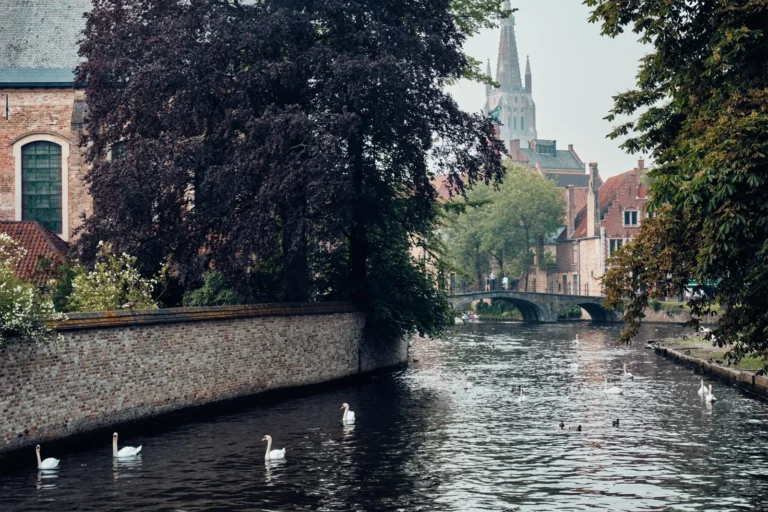
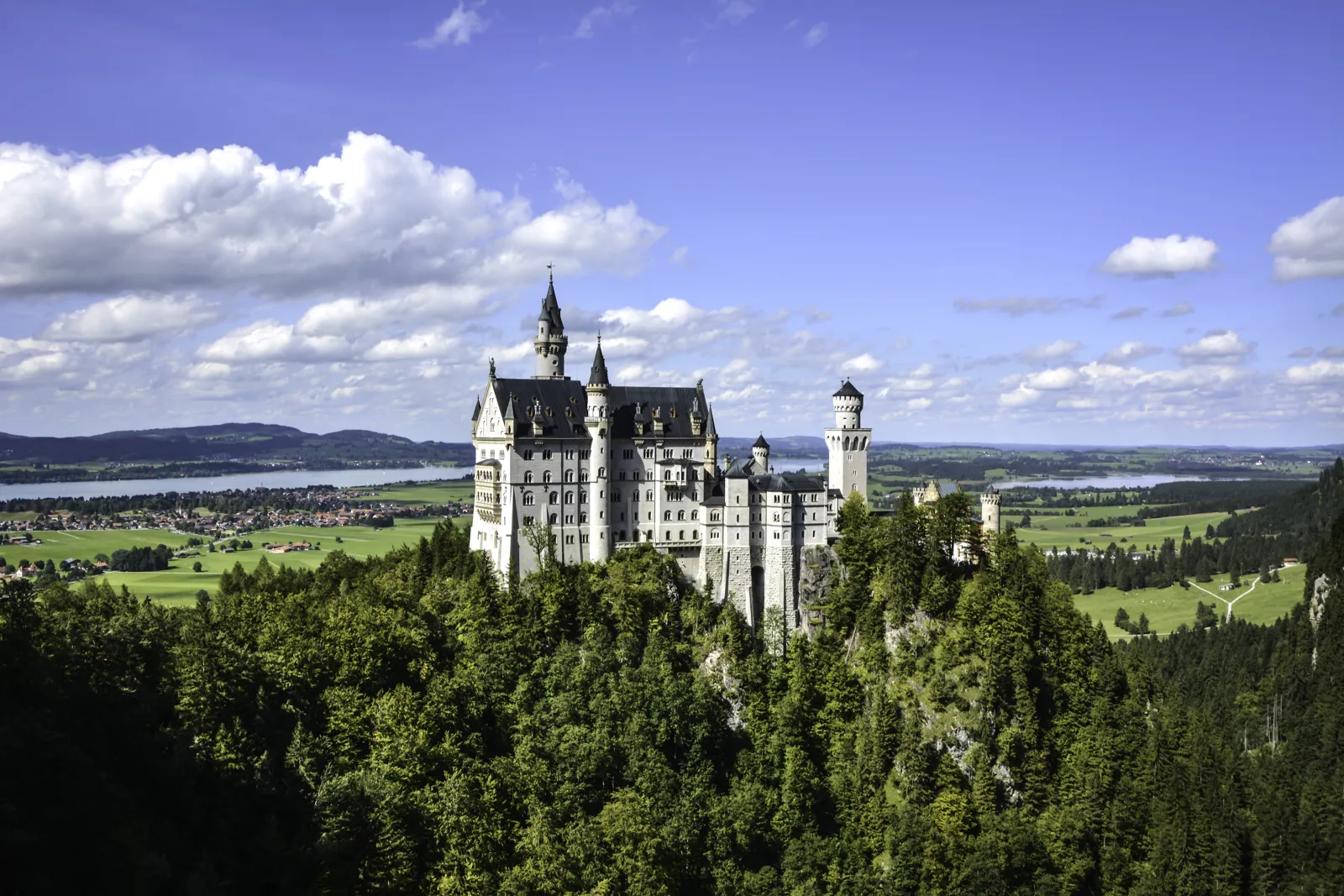
When is the best time to visit Germany? From May to September, with June, July and August the warmest months (23 to 25 °C (73 to 77 °F) in the afternoon in Berlin and Munich). May, June and September offer the best compromise between weather, crowds and prices. Late November and December have their fans too, for the Christmas markets, despite the cold and short days. Below: the climate in Germany month by month and the best time by region and type of trip. The regions compared here can all be found on the map of Germany.
Germany has a temperate climate, oceanic in the northwest and increasingly continental toward the east and south. Hamburg and the North Sea coasts have cool summers and mild but wet winters. Berlin has hot summers and cold winters, around 0 °C (32 °F). Munich and Bavaria, at the foot of the Alps, have hot but stormy summers, with the heaviest rainfall in the country from May to August. Here is how to choose your time, based on the normals of the German weather service.

Our travel deals for Germany
Affiliate links: we earn a commission, at no extra cost to you.
 FlightsKiwi.comCompare flights and airline combinations to Germany.Compare flights

When to go to Germany at a glance
- Best times May–June and September; July–August for heat and lakes
- Warmest July, about 25 °C (77 °F) in the afternoon in Berlin and Munich
- Coldest January, about 3 °C (37 °F) in the afternoon and −2 °C (28 °F) at night in Berlin
- Driest February and April in Berlin (about 30 mm (1.2 in) and 28 mm (1.1 in))
- Wettest summer in Bavaria: more than 100 mm (3.9 in) per month in Munich from May to August, often as thunderstorms
- Highlights carnival in February, Oktoberfest from late September to early October, Christmas markets
- Avoid if possible January to March and November if you want good weather
When to go to Germany by priority
- Best weather: May to September; July is the warmest (about 25 °C (77 °F) in the afternoon in Berlin and Munich)
- Cheapest: January to March and November, before the Christmas markets open
- Fewest crowds: May, June and September (except Oktoberfest in Munich); January to March for museums
- Events: Berlinale and the Rhineland carnival in February, Oktoberfest from late September to early October, German Unity Day on October 3, Christmas markets from late November to December
Germany: the calendar at a glance
✅ Best months: may, June, July, August, September
❌ Period to avoid: January, November
Germany weather month by month
The table below gives the normals for the Berlin-Brandenburg station, since the capital is the arrival point for many travelers. Berlin’s climate is representative of the east and center of the country; the northwest is milder in winter and cooler in summer, and Bavaria is wetter.
| Month | Avg. max | Avg. min | Rain | Crowds | Prices | Verdict |
|---|---|---|---|---|---|---|
| January | 3.2 °C (38 °F) | −2.2 °C (28 °F) | 42 mm (1.7 in) | Low | Low | ❌ Cold, gray, short days |
| February | 4.9 °C (41 °F) | −1.8 °C (29 °F) | 30 mm (1.2 in) | Low (carnival) | Low | ⚠️ Cold; carnival in the Rhineland |
| March | 9.0 °C (48 °F) | 0.4 °C (33 °F) | 36 mm (1.4 in) | Low | Low | ⚠️ End of winter, still cool |
| April | 15.1 °C (59 °F) | 4.0 °C (39 °F) | 28 mm (1.1 in) | Moderate (Easter) | Moderate | ⚠️ Mild spring, changeable weather |
| May | 19.6 °C (67 °F) | 8.2 °C (47 °F) | 53 mm (2.1 in) | Moderate | Moderate | ✅ Mild, terraces and gardens in bloom |
| June | 22.9 °C (73 °F) | 11.7 °C (53 °F) | 60 mm (2.4 in) | High | Moderate to high | ✅ Long days, festivals |
| July | 25.0 °C (77 °F) | 14.0 °C (57 °F) | 70 mm (2.8 in) | High | High | ✅ Warmest, lakes and Biergärten |
| August | 24.8 °C (77 °F) | 13.5 °C (56 °F) | 52 mm (2.0 in) | High | High | ✅ Still warm, school holidays |
| September | 19.8 °C (68 °F) | 9.8 °C (50 °F) | 44 mm (1.7 in) | Moderate | Moderate | ✅ Mild, grape harvest, Oktoberfest at the end of the month |
| October | 13.9 °C (57 °F) | 5.6 °C (42 °F) | 40 mm (1.6 in) | Moderate | Moderate | ⚠️ Autumn colors, cooler |
| November | 7.7 °C (46 °F) | 1.9 °C (35 °F) | 39 mm (1.5 in) | Low | Low | ❌ Gray and damp, Christmas markets at the end of the month |
| December | 4.1 °C (39 °F) | −0.9 °C (30 °F) | 39 mm (1.5 in) | High (Christmas markets) | Moderate to high | ⚠️ Cold, but Christmas markets everywhere |
Note: year-to-year variation is large. Summer can bring heat waves above 30 °C (86 °F), particularly in the southwest and along the Rhine, as well as cool, rainy weeks. In winter, freezing spells alternate with damp thaws. Snow is frequent in the Bavarian Alps and the low mountain ranges (Black Forest, Harz), much less regular on the plains.
Germany’s seasons: pros and cons
Spring (April–May): garden season
Spring is mild and often pleasant: about 15 °C (59 °F) in the afternoon in April and nearly 20 °C (68 °F) in May in Berlin. Fruit trees blossom in the wine valleys, the Biergärten reopen and castle gardens regain their color. The weather stays changeable, with sleet showers in April. Easter and the long weekends in May and June (Ascension, Pentecost) bring a few crowds.
- Pros: pleasant temperatures for visiting cities, prices still moderate, April often dry
- Cons: cool nights, unsettled weather, some mountain sites not yet open
- Our tip: May is an excellent month for Berlin, Munich, the Rhine valley and the Romantic Road
Summer (June to August): high season
Summer is the warmest and liveliest season: an average of 23 to 25 °C (73 to 77 °F) in the afternoon in Berlin and Munich, long evenings, full terraces and Biergärten, and swimming in the lakes of Bavaria and Brandenburg or on the Baltic beaches. It is also the wettest season: in Bavaria and near the Alps, afternoon thunderstorms are frequent. German school holidays are staggered by state over the summer, which spreads out the crowds.
- Pros: warmth, long days, all sites open, mountain hiking, open-air festivals
- Cons: higher prices, crowds at Neuschwanstein and in tourist cities, possible thunderstorms and heat waves
- Who is it for? Families, hikers, and fans of river cycling and swimming
Autumn (September–October): grape harvest and Oktoberfest
September stays mild (about 20 °C (68 °F) in the afternoon in Berlin and Munich) and often drier than summer. It is the season of the grape harvest and wine festivals in the Rhine, Moselle and Neckar valleys, and of Oktoberfest in Munich, which starts in September and ends in early October. In October the forests take on their autumn colors, but temperatures drop noticeably and days shorten.
- Pros: temperatures still pleasant in September, autumn colors, new wines, crowds falling outside Oktoberfest
- Cons: very expensive, fully booked accommodation in Munich during Oktoberfest, grayer weather in October
- Who is it for? Wine lovers, hikers and fans of quiet cities
Winter (November to March): Christmas markets and snow
Winter is cold and often gray: about 3 to 5 °C (37 to 41 °F) in the afternoon from December to February in Berlin, nights slightly below 0 °C (32 °F) and little sun. But from late November to Christmas, almost every town sets up its Christmas market, a very old tradition in Germany, with mulled wine, gingerbread and crafts. Nuremberg, Dresden, Cologne and Munich have the best known. The Bavarian Alps, the Black Forest and the Harz welcome skiers at this time. January and March are quiet, inexpensive months for museums.
- Pros: Christmas markets, cozy atmosphere, skiing in the south, low prices in January–March
- Cons: cold, little light, gray weather; many Christmas markets close around December 23 or 24
- Good to know: in February, carnival enlivens mainly the Rhineland (Cologne, Düsseldorf, Mainz); its date depends on the date of Easter
When to go to Germany by region
From the North Sea and Baltic coasts to the Bavarian Alps, Germany has clear climate differences. Comparison of the normals for three major cities:
| Month | Hamburg (airport) | Berlin | Munich |
|---|---|---|---|
| January | 4.2 °C (40 °F) / 67 mm (2.6 in) | 3.2 °C (38 °F) / 42 mm (1.7 in) | 4.0 °C (39 °F) / 52 mm (2.0 in) |
| February | 5.2 °C (41 °F) / 55 mm (2.2 in) | 4.9 °C (41 °F) / 30 mm (1.2 in) | 5.6 °C (42 °F) / 46 mm (1.8 in) |
| March | 8.7 °C (48 °F) / 57 mm (2.2 in) | 9.0 °C (48 °F) / 36 mm (1.4 in) | 10.1 °C (50 °F) / 61 mm (2.4 in) |
| April | 13.9 °C (57 °F) / 39 mm (1.5 in) | 15.1 °C (59 °F) / 28 mm (1.1 in) | 15.2 °C (59 °F) / 56 mm (2.2 in) |
| May | 18.0 °C (64 °F) / 58 mm (2.3 in) | 19.6 °C (67 °F) / 53 mm (2.1 in) | 19.4 °C (67 °F) / 107 mm (4.2 in) |
| June | 20.9 °C (70 °F) / 74 mm (2.9 in) | 22.9 °C (73 °F) / 60 mm (2.4 in) | 22.9 °C (73 °F) / 121 mm (4.8 in) |
| July | 23.2 °C (74 °F) / 82 mm (3.2 in) | 25.0 °C (77 °F) / 70 mm (2.8 in) | 24.9 °C (77 °F) / 119 mm (4.7 in) |
| August | 23.0 °C (73 °F) / 78 mm (3.1 in) | 24.8 °C (77 °F) / 52 mm (2.0 in) | 24.7 °C (76 °F) / 117 mm (4.6 in) |
| September | 18.8 °C (66 °F) / 65 mm (2.6 in) | 19.8 °C (68 °F) / 44 mm (1.7 in) | 19.6 °C (67 °F) / 78 mm (3.1 in) |
| October | 13.6 °C (56 °F) / 63 mm (2.5 in) | 13.9 °C (57 °F) / 40 mm (1.6 in) | 14.5 °C (58 °F) / 67 mm (2.6 in) |
| November | 8.2 °C (47 °F) / 61 mm (2.4 in) | 7.7 °C (46 °F) / 39 mm (1.5 in) | 8.2 °C (47 °F) / 58 mm (2.3 in) |
| December | 5.0 °C (41 °F) / 73 mm (2.9 in) | 4.1 °C (39 °F) / 39 mm (1.5 in) | 4.8 °C (41 °F) / 59 mm (2.3 in) |
Berlin and the east (Dresden, Leipzig, Potsdam)
The east of the country has the most continental climate: hot, fairly dry summers and cold winters. Berlin can be visited year-round thanks to its museums, but from May to September the city lives outdoors, between terraces, parks, the banks of the Spree and the lakes nearby. Dresden, on the Elbe, and Saxon Switzerland are ideally explored from May to October; Dresden’s Christmas market, the Striezelmarkt, is one of the oldest in the country. Those lakes and Spree banks give the good season its charm, ideal for a stay in Berlin combined with Dresden or Potsdam.
Munich and Bavaria
Bavaria has the hottest but also the stormiest summers: Munich receives more than 100 mm (3.9 in) of rain per month from May to August. Aim for June to September for hiking in the Bavarian Alps and the lakes, May and September for cities and the Romantic Road with fewer people, and December to March for skiing. Oktoberfest pushes up hotel prices in Munich from late September to early October.
Hamburg, the north and the coasts
The north has an oceanic climate: cool summers (about 23 °C (73 °F) in the afternoon in July in Hamburg), mild but damp and windy winters. The beaches of the Baltic (Rügen island, Usedom) and the North Sea (Frisian islands, Sylt) are used mainly from June to August, as the water stays cool. Hamburg, Bremen and Lübeck can be visited from May to September, with more changeable weather than in the south.
The Rhine valley, Cologne and the west
The Middle Rhine valley, between Mainz and Koblenz, and the Moselle valley enjoy a mild climate suited to vines. May to October is the best period for river cruises, castles and vineyards; September and October add the grape harvest. Cologne and Düsseldorf have some of the mildest winters in the country; the February carnival is a highlight there.
The Black Forest and the southwest
The southwest, around Freiburg im Breisgau and Heidelberg, is among the warmest and sunniest regions in Germany. The Black Forest suits hiking from May to October and cross-country skiing in winter on its summits. Lake Constance is best explored from May to September.
Region-by-region summary: the right month depending on the part of the country you are targeting.
| Month | Berlin and the east | Munich and Bavaria | Hamburg and the coasts | Rhine and Moselle valleys |
|---|---|---|---|---|
| January | ❌ Cold, gray | ✅ Skiing | ❌ Damp and windy | ⚠️ Mild winter |
| February | ⚠️ Cold, Berlinale | ✅ Skiing | ❌ Damp and windy | ⚠️ Carnival |
| March | ⚠️ Cool | ✅ Skiing | ⚠️ Cool | ⚠️ End of winter |
| April | ⚠️ Changeable spring | ⚠️ Changeable spring | ⚠️ Cool | ⚠️ Orchards in bloom |
| May | ✅ Mild | ✅ Cities, Romantic Road | ✅ Cities | ✅ Cruises, castles |
| June | ✅ Long days | ✅ Mountains, lakes (thunderstorms) | ✅ Beaches, cities | ✅ Cruises, castles |
| July | ✅ Warmest | ✅ Mountains, lakes (thunderstorms) | ✅ Beaches | ✅ Cruises, castles |
| August | ✅ Warm | ✅ Mountains, lakes (thunderstorms) | ✅ Beaches | ✅ Wine festivals |
| September | ✅ Mild | ✅ Cities, Oktoberfest | ✅ Cities | ✅ Grape harvest |
| October | ⚠️ Cooler | ⚠️ Cooler | ⚠️ Changeable | ✅ Grape harvest |
| November | ❌ Gray and damp | ❌ Gray | ❌ Damp | ❌ Gray |
| December | ⚠️ Christmas markets | ✅ Christmas markets, skiing | ⚠️ Christmas markets | ⚠️ Christmas markets |
✅ favorable conditions, ⚠️ possible with caveats, ❌ to avoid. Summary based on the normals cited on this page and the regional advice above.
When to go to Germany by trip type
| Your trip | Best time | Where? |
|---|---|---|
| City break | May–June, September | Berlin, Munich, Hamburg, Dresden, Cologne |
| Castles and the Romantic Road | May to October | Bavaria, Baden-Württemberg, Rhine valley |
| Mountain hiking | June to September | Bavarian Alps, Black Forest, Saxon Switzerland |
| River cycling | May to September | Danube, Elbe, Rhine, Moselle |
| Beaches and swimming | July–August | Baltic (Rügen, Usedom), North Sea, Bavarian lakes |
| Vineyards and grape harvest | September–October | Rhine, Moselle, Palatinate, Franconia |
| Oktoberfest | Late September to early October | Munich |
| Christmas markets | Late November to December | Nuremberg, Dresden, Cologne, Munich, Berlin |
| Skiing | December to March | Bavarian Alps (Garmisch-Partenkirchen), Black Forest |
Major events to build into your trip
| Period | Event | Location |
|---|---|---|
| February | Berlinale, international film festival | Berlin |
| February (depending on the date of Easter) | Rhineland carnival, climaxing on Rose Monday | Cologne, Düsseldorf, Mainz |
| May to September | Biergarten season and folk festivals | Nationwide, especially Bavaria |
| Summer | Bayreuth Festival (Wagner operas) | Bayreuth |
| August–September | Wine festivals and grape harvest | Rhine, Moselle, Palatinate |
| Late September to early October | Oktoberfest | Munich |
| October 3 | German Unity Day (public holiday) | Nationwide |
| Late November to December | Christmas markets | Nationwide |
Germany month by month
January: The coldest month: about 3 °C (37 °F) in the afternoon in Berlin and −2 °C (28 °F) at night. Few visitors, low prices: ideal for the museums of Berlin and Munich, or skiing in Bavaria.
February: Cold, but one of the driest months in Berlin (30 mm (1.2 in)). Carnival in the Rhineland and the Berlinale. Ski season in the Bavarian Alps.
March: End of winter, about 9 °C (48 °F) in the afternoon. Days lengthen, but the weather stays cool and changeable.
April: Mild spring (15 °C (59 °F) in Berlin), often dry. Trees blossom in the wine valleys. Easter brings a few crowds.
May: One of the best months: nearly 20 °C (68 °F), Biergärten open, gardens in bloom. The Ascension and sometimes Pentecost holidays make long weekends for Germans.
June: About 23 °C (73 °F) in the afternoon, very long evenings. A good month for the whole country, before the bulk of the school holidays. Thunderstorms become frequent in Bavaria.
July: The warmest month (25 °C (77 °F) in Berlin and Munich) and the wettest in Berlin (70 mm (2.8 in)), often in thunderstorms. School holidays in several states: lakes and coasts busy.
August: Still warm (about 25 °C (77 °F)). A good month for the lakes, the Baltic and the mountains. Book early on the coasts.
September: About 20 °C (68 °F) in the afternoon, less rain than in summer. Grape harvest and wine festivals; Oktoberfest starts in Munich. A very good compromise.
October: Cooler (14 °C (57 °F)), forests in autumn colors. Oktoberfest ends in early October. A good month for vineyards and cities.
November: Gray and damp (8 °C (46 °F)): the least attractive month until the Christmas markets open at the end of the month.
December: Cold (4 °C (39 °F) in the afternoon in Berlin), but Christmas markets across the country. Crowds and prices rise on Advent weekends.
When to book your trip to Germany
German accommodation is plentiful, but some events cause demand to explode. For Oktoberfest in Munich, book your accommodation several months ahead, often from the start of the year. For the best-known Christmas markets (Nuremberg, Dresden, Cologne), especially on weekends, allow 2 to 3 months. Major trade fairs also push up prices in Frankfurt, Cologne, Düsseldorf and Hanover: check the calendar before booking. Outside these periods, a few weeks is often enough.
Planning your trip to Germany
- Entry requirements: rules depend on your nationality; see the entry requirements for Germany before you travel. Germany has temporary border controls at its land borders, according to the UK FCDO (GOV.UK, updated 11 August 2026).
- Currency: the euro. Cash is still widely used: some cafés, restaurants and market stalls do not accept cards.
- Health and weather: for medical entry requirements and recommended vaccinations, the UK FCDO (GOV.UK, updated 11 August 2026) refers travelers to TravelHealthPro’s Germany guide, and the U.S. Department of State (travel.state.gov, last updated August 11, 2025) advises being up to date on CDC-recommended vaccinations. According to the U.S. State Department, severe thunderstorms are common (heavy rain, hail, strong winds), heavy snow and ice are common in winter, and heat waves occur in summer. For skiing, the FCDO notes that avalanches are a risk in some areas and advises going with a qualified guide off-piste.
- Driving: some inner-city areas have an environmental zone (Umweltzone) that only vehicles meeting specific exhaust emission standards may enter (GOV.UK, updated 11 August 2026): check the rules before driving there.
For more, see our complete Germany travel guide. Hesitating between several destinations? See our ideas for where to go in September and where to go in December, or compare with the best time to visit Austria and the best time to visit Denmark.
Frequently asked questions
What is the best month to visit Germany?
May, June and September are the most balanced: about 20 to 23 °C (68 to 73 °F) in the afternoon in Berlin and Munich, long days and fewer crowds than in July–August. September adds the grape harvest and, at the end of the month, Oktoberfest.
When is Oktoberfest in Munich?
Oktoberfest starts in September and ends in early October. According to the official Oktoberfest website (oktoberfest.de, checked 11 November 2026), the 2027 edition runs from September 18 to October 3. Dates are published every year: check them before booking, and book your hotel very early.
When are the Christmas markets in Germany?
Usually from late November (often around the first Sunday of Advent) until December 23 or 24. A few markets stay open until New Year. Dates vary by city.
Is it cold in Germany in winter?
Yes, without being extreme on the plains: in Berlin, the Deutscher Wetterdienst’s 1991–2020 normals are about 3 to 5 °C (37 to 41 °F) in the afternoon and −2 to −1 °C (28 to 30 °F) at night from December to February. The cold is more pronounced in the east and in the mountains, milder near the Rhine and in the northwest.
What is the wettest month in Germany?
It depends on the region. In Berlin, July is the wettest (about 70 mm (2.8 in)). In Munich, June and July exceed 115 mm (4.5 in), often as thunderstorms. In Hamburg, rain is spread through the year, with a peak in July.
What is the cheapest time to visit Germany?
January, February, March and November, outside trade fairs and carnival. Prices peak during Oktoberfest in Munich, on Christmas market weekends and in summer in tourist regions.
What is the climate like in Germany?
A temperate climate, oceanic in the northwest (Hamburg, North Sea) and increasingly continental toward the east and south (Berlin, Munich). In Berlin, average highs range from 3.2 °C (38 °F) in January to 25.0 °C (77 °F) in July (DWD 1991–2020 normals), and July is the wettest month (70 mm (2.8 in)).
What is the weather like in Germany in December?
Cold and gray: in Berlin, an average of 4.1 °C (39 °F) in the afternoon and −0.9 °C (30 °F) at night, with very short days. It is nevertheless a very busy month for Christmas markets. For other ideas, see our selection of where to go in December.
When should you visit Germany to avoid the crowds?
May, early June and September (except Oktoberfest in Munich): it is mild, days are long and crowds stay moderate. January to March is the quietest and cheapest, but cold. To compare, see when to go to Austria or to Belgium.
Our sources
- Deutscher Wetterdienst (DWD): 1991–2020 normals for the Berlin-Brandenburg station
- World Meteorological Organization (WMO): 1991–2020 normals for the Hamburg-Fuhlsbüttel and Munich stations
- Practical information read on 26 October 2026: UK FCDO, foreign travel advice for Germany (GOV.UK, updated 11 August 2026), and U.S. Department of State, Germany country information (travel.state.gov, last updated August 11, 2025). Oktoberfest dates: official Oktoberfest website (oktoberfest.de), checked 11 November 2026
- Our methodology
Updated November 2026.