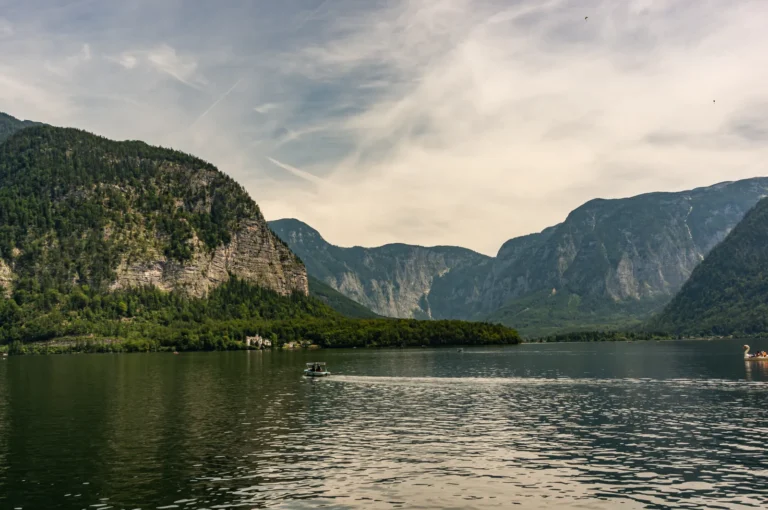
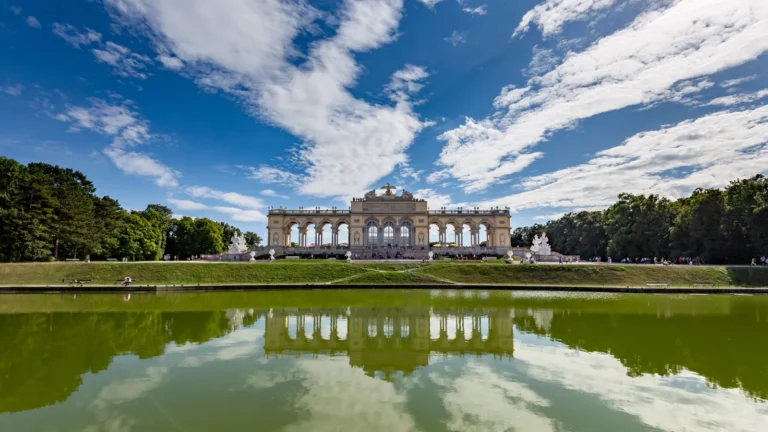
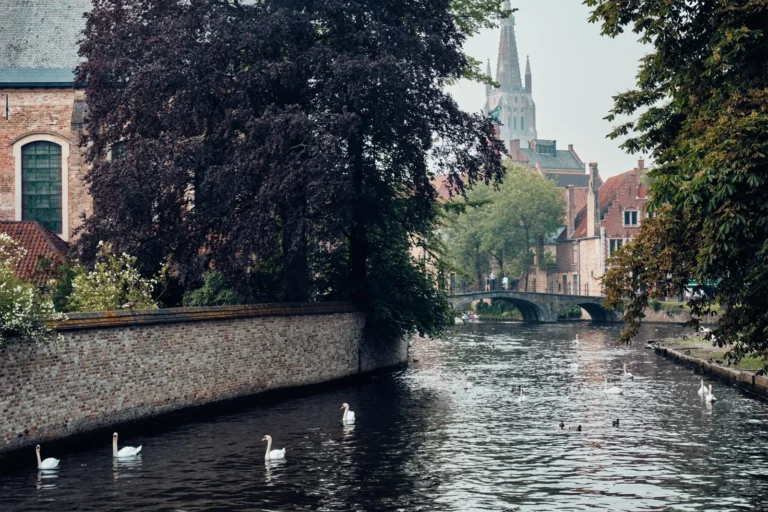
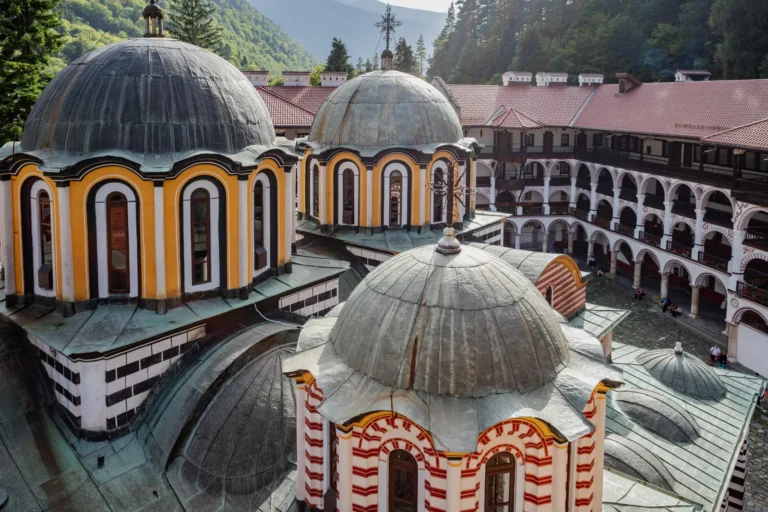
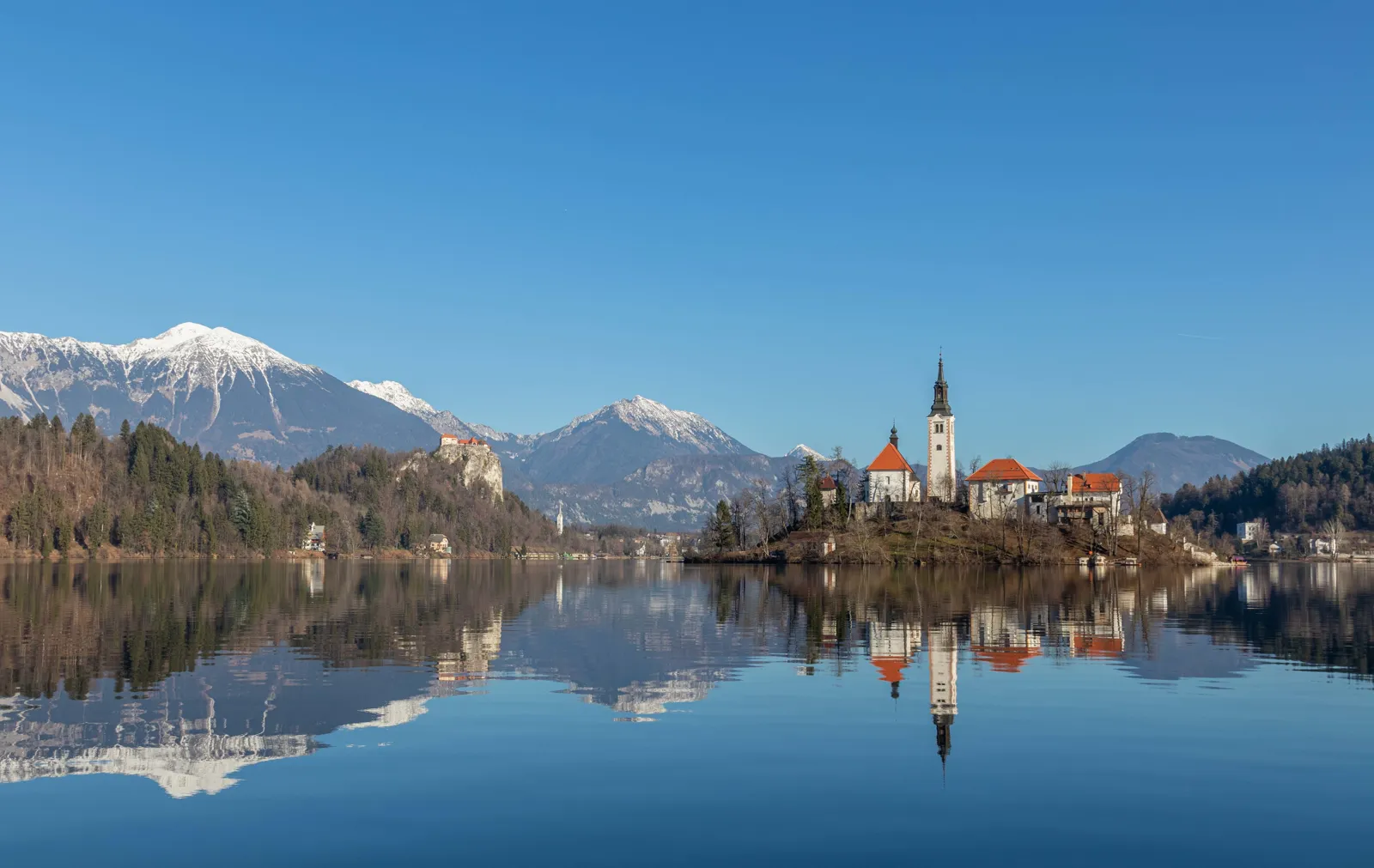
The best time to visit Slovenia is from mid-May to late June and from early September to mid-October: pleasant temperatures, accessible Julian Alps trails, lakes and rivers at their best, and fewer people than in July–August in Bled or Piran. Summer suits the mountains and the coast, winter suits skiing and Ljubljana’s Christmas markets. November, often gray and rainy, is the least favorable month. Bled, Piran and Ljubljana are shown on our map of Slovenia.
Although small, Slovenia packs in three climates: alpine in the northwest (Triglav, Kranjska Gora, the Soča valley), continental in the center and east (Ljubljana, Maribor) and Mediterranean on its short Adriatic coast (Koper, Piran). Here is how to choose your month, based on the 1991–2020 normals of the Slovenian Environment Agency (ARSO).

Our travel deals for Slovenia
Affiliate links: we earn a commission, at no extra cost to you.
 FlightsKiwi.comCompare flights and airline combinations to Slovenia.Compare flights

When to go to Slovenia at a glance
- Best times mid-May to late June, September to mid-October
- For high-mountain hiking (Triglav, Vršič) generally late June to mid-September, depending on snow cover
- For the coast (Piran, Izola, Portorož) June to mid-September
- For Ljubljana, Bled and the caves year-round, with a preference for May–June and September–October
- Best avoided if possible mid-July to mid-August in Bled and the Soča valley (crowds, prices), and November (rain, fog)
- Winter cold in Ljubljana (about 4 °C (39 °F) in the afternoon in January), skiing in the Julian Alps and on Pohorje
When to go to Slovenia by priority
- Best weather: mid-May to late June and early September to mid-October
- Cheapest: January to March, October and November (low prices)
- Fewest crowds: September (moderate crowds) and October (low); avoid July–August in Bled and the Soča valley
- Events: Kurentovanje in Ptuj in February, Statehood Day on June 25, grape harvest in September–October, St. Martin’s Day on November 11, Ljubljana’s Christmas markets
September, mild and less crowded, features in our selection of where to go in September.
Slovenia: the calendar at a glance
✅ Best months: April, may, June, September, October
❌ Period to avoid: November
Climate and weather in Slovenia month by month
The table below gives the normals for Ljubljana, the capital, in the center of the country. It is representative of inland Slovenia, not far from Bled and the Karst caves. The coast and the mountains are detailed below.
| Month | Avg. high | Avg. low | Rain | Crowds | Prices | Verdict |
|---|---|---|---|---|---|---|
| January | 4.1 °C (39 °F) | -1.7 °C (29 °F) | 67 mm (2.6 in) | Low (except ski resorts) | Low | ⚠️ Cold, frequent fog, skiing in the mountains |
| February | 7.0 °C (45 °F) | -1.2 °C (30 °F) | 84 mm (3.3 in) | Low | Low | ⚠️ Cold, Ptuj carnival (Kurentovanje) |
| March | 12.3 °C (54 °F) | 2.4 °C (36 °F) | 83 mm (3.3 in) | Low | Low | ⚠️ Early spring, snow at altitude |
| April | 17.2 °C (63 °F) | 6.3 °C (43 °F) | 97 mm (3.8 in) | Moderate (Easter) | Moderate | ✅ Mild, waterfalls and rivers in full flow |
| May | 21.8 °C (71 °F) | 10.6 °C (51 °F) | 114 mm (4.5 in) | Moderate | Moderate | ✅ Green countryside, ideal for cities and lakes |
| June | 25.8 °C (78 °F) | 14.4 °C (58 °F) | 125 mm (4.9 in) | Moderate → high | Moderate → high | ✅ Start of the mountain season, long days |
| July | 27.9 °C (82 °F) | 16.0 °C (61 °F) | 122 mm (4.8 in) | Very high | High | ⚠️ Fine but stormy, Bled and the Soča crowded |
| August | 27.6 °C (82 °F) | 15.9 °C (61 °F) | 124 mm (4.9 in) | Very high | High | ⚠️ Peak crowds, afternoon thunderstorms |
| September | 21.8 °C (71 °F) | 11.7 °C (53 °F) | 160 mm (6.3 in) | Moderate | Moderate | ✅ Mild, hiking, fewer crowds |
| October | 16.1 °C (61 °F) | 7.9 °C (46 °F) | 150 mm (5.9 in) | Low | Low | ✅ Autumn colors, grape harvest; more rain |
| November | 9.6 °C (49 °F) | 3.9 °C (39 °F) | 138 mm (5.4 in) | Low | Low | ❌ Gray, damp, fog |
| December | 4.2 °C (40 °F) | -0.9 °C (30 °F) | 104 mm (4.1 in) | Moderate (Christmas markets) | Moderate | ⚠️ Cold, lights in Ljubljana |
Note: Slovenia is well watered all year, with no real dry season. In summer, rain falls mostly as late-afternoon thunderstorms between long sunny spells. In autumn, heavy rain episodes last longer. According to the UK FCDO (GOV.UK, updated 11 August 2026), storms can cause landslides and road closures anywhere in the country, and flash floods can happen with little warning and disrupt transport.
The seasons in Slovenia: pros and cons
Spring (April to June): waterfalls and flowering meadows
Spring is a very good season for a road trip. In Ljubljana, average highs rise from 17 °C (63 °F) in April to 26 °C (79 °F) in June. Snowmelt swells the Soča, the waterfalls and the Vintgar Gorge. Alpine meadows bloom in May–June around Bohinj. On the other hand, the high mountains stay snowy until late spring, and the Vršič pass road can remain closed until the snow is cleared.
- Pros: nature at its greenest, spectacular waterfalls, moderate prices, sites still quiet in April–May
- Cons: frequent showers, lake and sea water still cool, high-altitude trails still snowy
- Our tip: the second half of June lets you combine Ljubljana, Bled, the Soča and the coast with good weather
Summer (July–August): high season
This is the hottest and busiest season: about 28 °C (82 °F) in the afternoon in Ljubljana, nearly 30 °C (86 °F) on the coast at Koper. It is also the best time for the high mountains (climbing Triglav, huts open) and for whitewater activities in the Soča valley. Thunderstorms are frequent in the afternoon in the mountains: set out early in the morning.
- Pros: huts and mountain passes open, swimming in Lake Bled, Lake Bohinj and the sea, summer festivals in Ljubljana
- Cons: crowds at Bled, Vintgar and Piran, expensive and full accommodation, packed parking lots, thunderstorms
- Who is it for? Hikers, rafting and canyoning fans, families with fixed dates: book early and stay away from the best-known sites
Autumn (September–October): the ideal season for many
September keeps the mildness of summer (22 °C (72 °F) in Ljubljana) with far fewer people. It is often the best window for mountain hiking before the first snow. In October, beech forests change color and the wine regions (Goriška Brda, Vipava, Štajerska) live to the rhythm of the grape harvest. Rainfall rises markedly: September and October are the wettest months in Ljubljana.
- Pros: pleasant temperatures, autumn colors, falling prices, grape harvest season
- Cons: longer rainy spells, shortening days, mountain huts gradually closing
- Our tip: early September for the mountains, early October for the vineyards and the colors
Winter (November to March): skiing and Christmas markets
Winter is cold inland: average lows fall below zero in Ljubljana from December to February, and the capital’s basin is often wrapped in fog. In the mountains, at Rateče near Kranjska Gora, average lows drop to -7 °C (19 °F) in January. The coast stays milder (about 9 to 10 °C (48 to 50 °F) in the afternoon in winter at Koper).
- Pros: skiing at Kranjska Gora, Vogel, Krvavec or on Pohorje, Christmas markets in Ljubljana, low prices outside resorts, caves open all year
- Cons: short days, fog, mountain passes closed, high-altitude hiking reserved for equipped mountaineers
- Who is it for? Skiers, city-break fans and spa lovers
When to go to Slovenia by region
Climate differences are marked over short distances. Here is a comparison of the normals for four representative stations:
| Month | Ljubljana (center) | Koper (coast) | Rateče (Julian Alps) | Maribor (east) |
|---|---|---|---|---|
| January | 4.1 °C (39 °F) / -1.7 °C (29 °F) | 9.2 °C (49 °F) / 3.3 °C (38 °F) | 2.0 °C (36 °F) / -7.1 °C (19 °F) | 4.2 °C (40 °F) / -3.8 °C (25 °F) |
| February | 7.0 °C (45 °F) / -1.2 °C (30 °F) | 10.3 °C (51 °F) / 3.6 °C (38 °F) | 4.6 °C (40 °F) / -6.4 °C (20 °F) | 6.9 °C (44 °F) / -2.9 °C (27 °F) |
| March | 12.3 °C (54 °F) / 2.4 °C (36 °F) | 14.2 °C (58 °F) / 6.6 °C (44 °F) | 9.0 °C (48 °F) / -2.9 °C (27 °F) | 11.8 °C (53 °F) / 0.7 °C (33 °F) |
| April | 17.2 °C (63 °F) / 6.3 °C (43 °F) | 18.4 °C (65 °F) / 10.1 °C (50 °F) | 13.3 °C (56 °F) / 0.9 °C (34 °F) | 16.9 °C (62 °F) / 5.0 °C (41 °F) |
| May | 21.8 °C (71 °F) / 10.6 °C (51 °F) | 23.1 °C (74 °F) / 14.2 °C (58 °F) | 18.2 °C (65 °F) / 5.3 °C (42 °F) | 21.4 °C (71 °F) / 9.6 °C (49 °F) |
| June | 25.8 °C (78 °F) / 14.4 °C (58 °F) | 27.3 °C (81 °F) / 18.1 °C (65 °F) | 22.3 °C (72 °F) / 9.2 °C (49 °F) | 25.3 °C (78 °F) / 13.3 °C (56 °F) |
| July | 27.9 °C (82 °F) / 16.0 °C (61 °F) | 29.7 °C (85 °F) / 20.0 °C (68 °F) | 24.4 °C (76 °F) / 10.8 °C (51 °F) | 27.1 °C (81 °F) / 14.7 °C (58 °F) |
| August | 27.6 °C (82 °F) / 15.9 °C (61 °F) | 29.8 °C (86 °F) / 20.2 °C (68 °F) | 23.9 °C (75 °F) / 10.8 °C (51 °F) | 26.7 °C (80 °F) / 14.4 °C (58 °F) |
| September | 21.8 °C (71 °F) / 11.7 °C (53 °F) | 25.0 °C (77 °F) / 16.3 °C (61 °F) | 18.7 °C (66 °F) / 6.8 °C (44 °F) | 21.4 °C (71 °F) / 10.4 °C (51 °F) |
| October | 16.1 °C (61 °F) / 7.9 °C (46 °F) | 20.0 °C (68 °F) / 12.3 °C (54 °F) | 13.6 °C (56 °F) / 2.9 °C (37 °F) | 16.1 °C (61 °F) / 6.2 °C (43 °F) |
| November | 9.6 °C (49 °F) / 3.9 °C (39 °F) | 14.8 °C (59 °F) / 8.4 °C (47 °F) | 7.2 °C (45 °F) / -1.1 °C (30 °F) | 9.9 °C (50 °F) / 2.1 °C (36 °F) |
| December | 4.2 °C (40 °F) / -0.9 °C (30 °F) | 10.4 °C (51 °F) / 4.4 °C (40 °F) | 2.0 °C (36 °F) / -6.1 °C (21 °F) | 4.6 °C (40 °F) / -2.8 °C (27 °F) |
In one table: the recommended period for each main region, month by month.
| Region | Jan | Feb | Mar | Apr | May | June | Jul | Aug | Sep | Oct | Nov | Dec |
|---|---|---|---|---|---|---|---|---|---|---|---|---|
| Ljubljana and the center | ⚠️ | ⚠️ | ⚠️ | ✅ | ✅ | ✅ | ⚠️ | ⚠️ | ✅ | ✅ | ❌ | ⚠️ |
| Bled and Bohinj | ⚠️ | ⚠️ | ⚠️ | ⚠️ | ✅ | ✅ | ⚠️ | ⚠️ | ✅ | ✅ | ❌ | ⚠️ |
| High mountains (Triglav) | ❌ | ❌ | ❌ | ❌ | ❌ | ⚠️ | ✅ | ✅ | ⚠️ | ❌ | ❌ | ❌ |
| Soča valley (whitewater) | ⚠️ | ⚠️ | ⚠️ | ⚠️ | ✅ | ✅ | ✅ | ✅ | ✅ | ⚠️ | ❌ | ⚠️ |
| Adriatic coast (Piran, Koper) | ⚠️ | ⚠️ | ⚠️ | ✅ | ✅ | ✅ | ✅ | ✅ | ✅ | ✅ | ⚠️ | ⚠️ |
| East (Maribor, Ptuj) | ⚠️ | ⚠️ | ⚠️ | ✅ | ✅ | ✅ | ⚠️ | ⚠️ | ✅ | ✅ | ❌ | ⚠️ |
Ljubljana and the center
Continental climate: hot summers (28 °C (82 °F) average high in July), cold and misty winters. The city can be visited all year, but it is most pleasant from May to June and in September, when the terraces along the Ljubljanica are full. December has its charm with the lights and Christmas markets.
The Julian Alps (Bled, Bohinj, Kranjska Gora, Triglav)
Cooler and wetter: at Rateče, more than 150 mm (5.9 in) of rain falls per month from July to November. Bled and Bohinj are pleasant from May to October. For the high mountains and Triglav (2,864 m (9,396 ft)), aim for late June to mid-September; outside that period, snow and ice make the trails dangerous. In winter, the region becomes the country’s main ski area.
The Soča valley (Bovec, Kobarid)
On the west side of the Alps, the valley enjoys Mediterranean influences but receives heavy rain. Whitewater activities (rafting, kayaking, canyoning) are mostly practiced from May to September. The Vršič pass road, which links Kranjska Gora to the valley, is closed for part of the year: check that it is open before you set off.
The Adriatic coast (Koper, Izola, Piran, Portorož)
The mildest region: average lows above zero all year at Koper and about 30 °C (86 °F) in the afternoon in July–August. In practice, the swimming season runs from June to mid-September. Out of season, Piran is very pleasant in spring and autumn. The bora, a cold and violent wind, can blow in winter.
The Karst and the caves (Postojna, Škocjan)
Inside the caves, the temperature stays cool all year: bring a jacket even in summer. Tours run in all seasons, with reduced hours in winter. To avoid queues, favor spring and autumn or the first tour of the morning in summer.
The east (Maribor, Ptuj, wine regions)
More continental and drier than the west: at Maribor airport, less than 50 mm (2.0 in) of rain falls per month from December to March. The vineyards are at their best in September–October, and Pohorje welcomes skiers in winter and hikers in summer.
When to go to Slovenia by trip type
| Trip | Best time | Where? |
|---|---|---|
| First trip (cities, lakes, caves) | Mid-May to June, September | Ljubljana, Bled, Bohinj, Postojna, Piran |
| High-mountain hiking | Late June to mid-September | Triglav, Vršič, Krn |
| Rafting, kayaking, canyoning | May to September | Bovec, Soča valley |
| Swimming | July–August (lakes), June to mid-September (sea) | Bohinj, Bled, Piran, Portorož |
| Cycling and road trips | May–June, September | Nationwide |
| Vineyards and food | September–October | Goriška Brda, Vipava, Štajerska |
| Skiing | December to March, depending on snow | Kranjska Gora, Vogel, Krvavec, Pohorje |
| Budget | April, October, winter outside resorts | Ljubljana, Karst, coast out of season |
| Christmas markets | December | Ljubljana, Maribor |
Major events in Slovenia
| Date | Event | Location |
|---|---|---|
| February (before Lent) | Kurentovanje, traditional carnival | Ptuj |
| Variable date (March–April) | Easter and Easter Monday (public holidays) | Nationwide |
| June 25 | Statehood Day (public holiday) | Nationwide |
| Summer | Ljubljana Summer Festival (music, theater, dance) | Ljubljana |
| September–October | Grape harvest and wine festivals | Wine regions |
| November 11 | St. Martin’s Day, new wine festival | Nationwide, notably Maribor |
| December | Christmas markets and lights | Ljubljana |
Slovenia month by month: what to expect
Slovenia in January: The coldest month: about 4 °C (39 °F) in the afternoon and -2 °C (28 °F) at night in Ljubljana. Ski season. Frequent fog in the capital’s basin.
Slovenia in February: Still cold, with snow holding in the mountains. Ptuj carnival (Kurentovanje).
Slovenia in March: Days lengthen (12 °C (54 °F) in Ljubljana), but snow remains at altitude. A good month for the caves and cities without the crowds.
Slovenia in April: Spring: 17 °C (63 °F) in Ljubljana, waterfalls swollen by snowmelt. Frequent showers. Check the date of Easter.
Slovenia in May: One of the best months: 22 °C (72 °F), green countryside, sites still quiet. The high mountains are still snowy.
Slovenia in June: Excellent: 26 °C (79 °F) in Ljubljana, long days, huts gradually opening. Statehood Day on June 25.
Slovenia in July: The heart of summer: fine and hot, afternoon thunderstorms. Ideal season for Triglav, but heavy crowds at Bled and in the Soča valley.
Slovenia in August: Close to July, with peak visitor numbers. Book early and visit the main sites very early in the morning.
Slovenia in September: Mild (22 °C (72 °F)) and much quieter. Excellent for hiking and, early in the month, for the coast. Rain increases.
Slovenia in October: Autumn colors and grape harvest. Still 16 °C (61 °F) in Ljubljana, but the weather becomes more unsettled.
Slovenia in November: The least inviting month: gray, damp, 10 °C (50 °F) in the afternoon. New wine festival on St. Martin’s Day.
Slovenia in December: Cold, Christmas markets and lights in Ljubljana, ski slopes opening depending on snow.
Which periods to avoid when visiting Slovenia
- November: the least favorable month, gray, damp and misty (138 mm (5.4 in) of rain in Ljubljana)
- July–August in Bled and the Soča valley: peak crowds and afternoon thunderstorms
- Winter and early spring in the high mountains: snow at altitude, summits and high passes hard to reach
When to book your trip to Slovenia
For July–August, book your accommodation 3 to 5 months ahead around Bled, Bohinj, Bovec and Piran, where supply is limited. Mountain huts, especially around Triglav, also need to be booked early. In May–June and September, 1 to 2 months is generally enough; in winter, outside holiday periods and ski resorts, you can book later. Compare the options available at the time before you book.
Planning your trip to Slovenia
- Entry requirements: rules depend on your nationality and can change, so check the entry requirements for Slovenia before you book.
- Currency: the euro. If you combine your trip with a neighboring country outside the eurozone, use our currency converter.
- Health and outdoors: the U.S. State Department (travel.state.gov, last updated May 21, 2026) notes a high incidence of Lyme disease and tick-borne encephalitis in Slovenia and advises using insect repellent and checking for ticks after being outdoors. It also says many mountain rescues involve foreign nationals who were unprepared, and recommends never hiking alone, wearing proper footwear and protective equipment, and staying on marked trails.
- Road: motorways and expressways require an electronic vignette (e-vinjeta), sold on the official website of the motorway company DARS (checked October 5, 2026); the UK FCDO (GOV.UK, updated 11 August 2026) also tells drivers to use only the official DARS website to buy it online.
To go further, see our complete Slovenia travel guide. Not sure about a neighboring country? See also when to go to Croatia.
To plan your road trip, read our Slovenia travel guide. For a combined trip: when to go to Croatia, when to go to Italy and when to go to Austria.
Frequently asked questions
What is the best month to visit Slovenia?
June and September are the most balanced: pleasant warmth, accessible mountains, lakes and coast suitable for swimming, and fewer people than in July–August. May and early October suit cities, lakes and caves very well.
When can you climb Triglav?
Generally from late June to mid-September, when the huts are open and the trails are clear of snow. Conditions change from year to year: check snow cover and set out early to avoid afternoon thunderstorms. The U.S. State Department notes that many mountain rescues in Slovenia involve unprepared foreign visitors (travel.state.gov, last updated May 21, 2026).
Can you swim in Slovenia?
Yes, in the sea on the coast (Piran, Portorož, Izola) from June to mid-September, and in Lake Bled and Lake Bohinj mostly in July–August. The water of Bohinj, a mountain lake, stays cool even in summer.
Is Slovenia cold in winter?
Yes inland: in Ljubljana, average highs are about 4 °C (39 °F) in December and January, with below-zero lows. In the mountains, at Rateče, average lows drop to -7 °C (19 °F) in January. The coast stays milder.
Does it rain a lot in Slovenia?
The country is well watered all year, especially in the west and in the mountains. In Ljubljana, September and October are the rainiest months (150 to 160 mm (5.9 to 6.3 in)). In summer, rain falls mostly as thunderstorms.
When can you see Lake Bled without the crowds?
In April–May, in September–October or in winter. In July–August, come early in the morning or late in the day.
Is September a good time to visit Slovenia?
Yes: about 22 °C (72 °F) in the afternoon in Ljubljana, fewer people at Bled and trails still accessible. It is, however, the rainiest month in Ljubljana (160 mm (6.3 in)): keep some spare days.
Is May a good time to visit Slovenia?
Yes: about 22 °C (72 °F) in the afternoon, green countryside, swollen waterfalls and moderate crowds. The high mountains often remain snowy: aim for the lakes, caves, cities and the coast.
Our sources
- Slovenian Environment Agency (ARSO): 1991–2020 climate normals for the Ljubljana (Bežigrad), Koper, Rateče and Maribor (airport) stations
- Health, outdoor and weather information read on November 11, 2026: U.S. Department of State, Slovenia country information (travel.state.gov, last updated May 21, 2026), and UK FCDO, foreign travel advice for Slovenia (GOV.UK, updated 11 August 2026)
- DARS, the Slovenian motorway company: official e-vignette website (checked October 5, 2026). Events checked on November 11, 2026: Government of Slovenia, St. Martin’s Day and slovenia.info
- Our methodology
Updated November 2026.