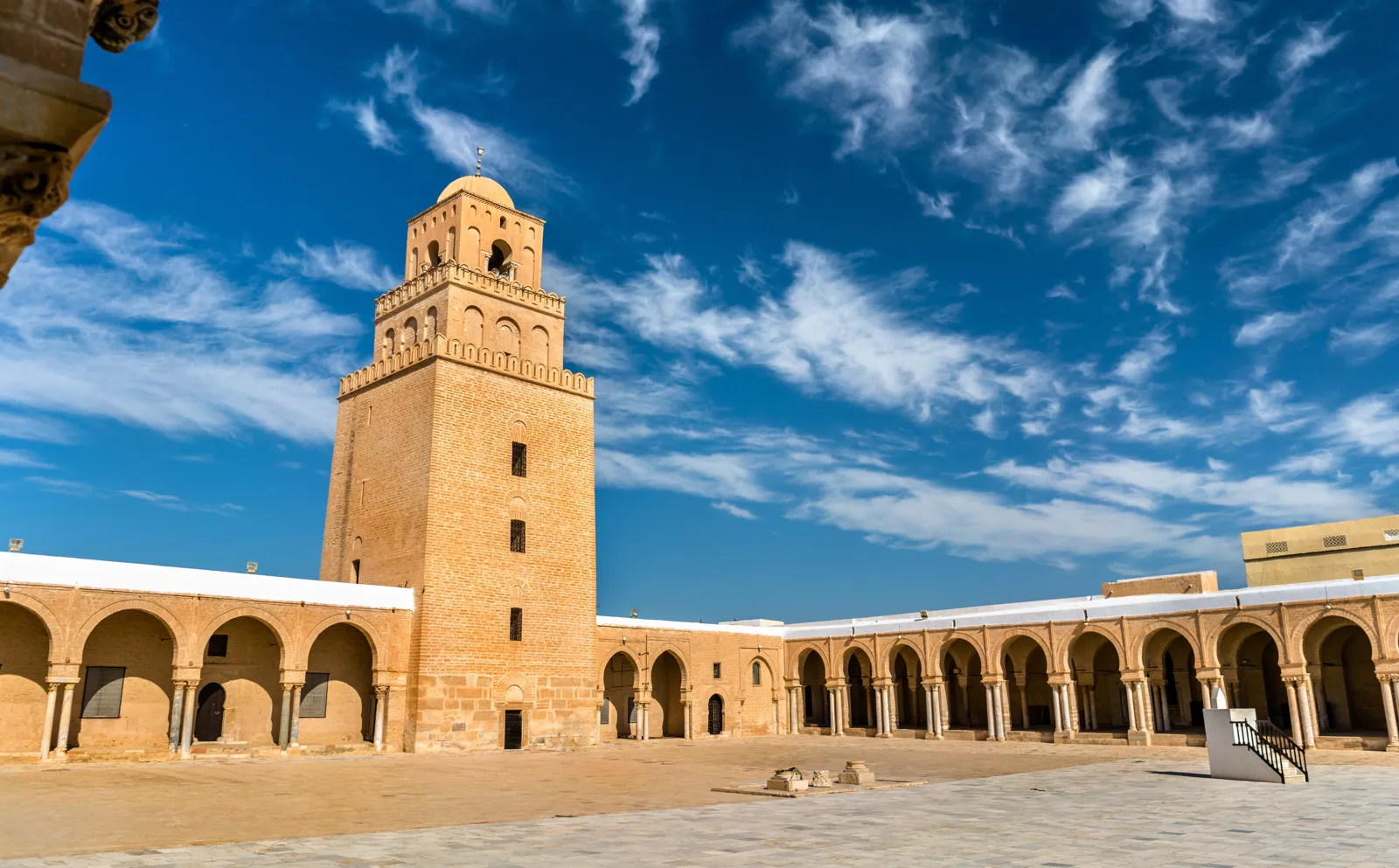
Valais is the Alpine canton of south-western Switzerland: it follows the upper Rhône valley, from the Rhône Glacier to Lake Geneva, between the Bernese Alps and the Valais Alps. It has 46 peaks over 4,000 metres (13,123 ft), including the Matterhorn and the Dufourspitze, the highest in Switzerland, the UNESCO-listed Aletsch Glacier, and resorts such as Zermatt, Verbier, Crans-Montana and Saas-Fee. This guide covers what to see in Valais, how to get there, where to stay and what weather to expect month by month, based on MeteoSwiss normals.
To plan your trip: our Switzerland travel guide, our Matterhorn page, the when to go to Switzerland calendar and the map of Switzerland.

Our travel deals for Valais
Affiliate links: we earn a commission, at no extra cost to you.
 FlightsKiwi.comCompare flights and airline combinations to Valais.Compare flights
- eSIMAiraloData plan to install before you leave (eSIM-compatible phone).See plans


Valais at a glance
- Time zone Central European Time (UTC+1; UTC+2 in summer), usually 1 hour ahead of London and 6 hours ahead of New York
- Languages French in Lower and central Valais, German in Upper Valais
- Climate in Sion average high of 5.0 °C (41 °F) in January, 27.4 °C (81 °F) in July (MeteoSwiss, 1991-2020)
- Entry US citizens: Schengen rules, see the State Department; UK citizens: up to 90 days visa-free in any 180 days (GOV.UK); details below
- What to see Sion, Zermatt and the Matterhorn, Aletsch Glacier, Val d’Hérens, bisses, vineyards
Valais in brief: one canton, two languages
Having joined the Confederation in 1815, Valais is the third-largest Swiss canton by area. It is traditionally divided into three regions: Lower Valais, around Monthey, Saint-Maurice and Martigny; central Valais, around Sion and Sierre; and German-speaking Upper Valais (Oberwallis), with Brig and Visp. French and German are official languages there. Side valleys run down on both sides towards the Rhône: Val d’Illiez, Val de Bagnes, Val d’Entremont, Val d’Hérens, Val d’Anniviers, the Saas and Zermatt valleys, among others.
What to see in Valais: the highlights
Sion, Valère and Tourbillon
The canton’s capital, Sion is recognised by its two hills: on one, the fortified basilica of Valère, on the other, the ruins of Tourbillon Castle. The old town below is best seen on foot. It is a good base for central Valais and the vineyards, with a particularly sunny valley floor: according to MeteoSwiss, Sion receives on average more than 2,150 hours of sunshine a year.
Zermatt and the Matterhorn
At the head of the Matter Valley, the village lies at the foot of the Matterhorn, the canton’s emblem. Zermatt is closed to cars and reached by train. The Gornergrat, served by a rack railway, and the cable cars give access to viewpoints over the Matterhorn and the glaciers. Our Matterhorn page details access and viewpoints.
The Aletsch Glacier
In Upper Valais, the Aletsch Glacier is the longest in the Alps, about 24 km (15 mi) long, with ice up to 900 metres (2,953 ft) thick in places. It is part of the UNESCO World Heritage site “Swiss Alps Jungfrau-Aletsch”. It can be seen from the viewpoints of Riederalp, Bettmeralp or Fiesch, reached by cable car. On the Bernese side, the same massif is approached via the Jungfraujoch.
The major resorts
Valais has several major mountain resorts: Verbier, above the Val de Bagnes, Crans-Montana, on the sunny plateau above Sierre, Saas-Fee, another car-free village, and Zermatt. Winter is given over to skiing, summer to hiking and mountaineering. Check lift opening dates on the resorts’ official sites.
The Val d’Hérens and the Val d’Anniviers
South of Sion, the Val d’Hérens is known for the village of Evolène, its wooden houses and the Euseigne pyramids, earth columns capped with blocks of stone. Further east, above Sierre, the Val d’Anniviers strings together traditional mountain villages. Both are good options for discovering rural Valais, away from the big resorts.
The bisses and the vineyards
The bisses are irrigation channels dug to bring glacier water to crops and vines. Today they mainly serve tourism: many hikes follow their paths, often easy and along the mountainside. The vineyards, clinging to the sunny slopes of the right bank of the Rhône, can be explored between Martigny, Sion and Sierre.
Lower Valais: Martigny and Saint-Maurice
Near the bend of the Rhône, Martigny keeps Roman remains and is the starting point of the road to the Great St Bernard. Further down, Saint-Maurice is home to an abbey founded in the 6th century, a religious centre of the Kingdom of Burgundy and one of the oldest still active in western Europe. Between the two, the Pissevache waterfall inspired Goethe.
Valais in 4 or 5 days
- Day 1: Sion, Valère and Tourbillon, old town, then a walk in the vineyards.
- Day 2: Val d’Hérens: Euseigne pyramids and Evolène, or a hike along a bisse.
- Days 3 and 4: Zermatt and the Matterhorn: Gornergrat, a hike to a lake or a viewpoint.
- Day 5: Aletsch Glacier from Riederalp or Bettmeralp, then Brig.
Where to stay in Valais
It all depends on the programme. Sion and Sierre suit a valley-floor stay, cultural and wine-oriented, well connected by train. For the high mountains, it is better to sleep on site: Zermatt for the Matterhorn, Saas-Fee for the 4,000-metre peaks, Verbier or Crans-Montana for skiing. For Aletsch, the villages of Riederalp and Bettmeralp are reached only by cable car. In the peak winter season, book early in the resorts.
Getting to Valais and getting around
By road, Valais is reached along the Chablais route beside Lake Geneva, or through the Great St Bernard pass and tunnel from Italy. By train, the main line crosses the Rhône plain; at Brig it branches towards Bern through the Lötschberg tunnel and towards Italy through the Simplon tunnel. Sion airport is the canton’s main airfield; most travellers arrive at Geneva airport and then reach Valais by train.
On the spot, trains, cable cars, funiculars and PostBuses serve most valleys. Several resorts, such as Zermatt and Saas-Fee, are closed to cars.
Train, car or pass?
The train and PostBuses are enough for a classic circuit; a car gives more freedom in the side valleys, but it must be left in a car park at the entrance to car-free resorts. If you drive, you must buy and display a vignette (sticker) for Swiss motorways, and without one you could get a large fine (UK FCDO (GOV.UK, updated 11 August 2026); the U.S. Department of State (travel.state.gov, last updated January 15, 2026) says rental cars usually already have one: check with the rental agency). Alpine winters make driving difficult: the FCDO advises winter tyres and snow chains, checking road conditions before you depart, and carrying water, food and warm clothing; the State Department adds that snow chains are required in some mountain areas in winter. Before buying a ticket, a transport pass or a rental, compare the official SBB or rental company site with resellers: validity, zones covered, cancellation terms.
When to go to Valais: climate month by month
Sheltered by high mountains from Atlantic and Mediterranean weather systems, central Valais has a dry, very sunny climate by Swiss standards. The figures below are for Sion, on the valley floor; in the mountains it is much colder. The table combines the official normals with our own calculations: day-night gap, sunrise and sunset, day length.
| Month | High °C (°F) | Low °C (°F) | Rain mm (in) | Rain days (≥ 1 mm) | Day-night gap °C (°F) | Sunrise / sunset on the 15th | Day length |
|---|---|---|---|---|---|---|---|
| January | 5 (41) | −3 (27) | 52 (2.0) | 7 | 8 (14) | 8:09 am / 5:10 pm | 9 h 01 min |
| February | 7.6 (46) | −1.9 (29) | 40 (1.6) | 5.6 | 9.5 (17) | 7:34 am / 5:55 pm | 10 h 22 min |
| March | 13.5 (56) | 1.9 (35) | 37 (1.5) | 5.9 | 11.6 (21) | 6:44 am / 6:35 pm | 11 h 52 min |
| April | 17.6 (64) | 5.3 (42) | 34 (1.3) | 5.2 | 12.3 (22) | 6:44 am / 8:17 pm | 13 h 33 min |
| May | 21.5 (71) | 9.4 (49) | 52 (2.0) | 7.5 | 12.1 (22) | 5:58 am / 8:56 pm | 14 h 58 min |
| June | 25.4 (78) | 13 (55) | 48 (1.9) | 7.4 | 12.4 (22) | 5:38 am / 9:24 pm | 15 h 46 min |
| July | 27.4 (81) | 14.5 (58) | 62 (2.4) | 8 | 12.9 (23) | 5:53 am / 9:19 pm | 15 h 26 min |
| August | 26.6 (80) | 14.1 (57) | 60 (2.4) | 8.2 | 12.5 (22) | 6:29 am / 8:40 pm | 14 h 11 min |
| September | 22.1 (72) | 10.4 (51) | 38 (1.5) | 5.8 | 11.7 (21) | 7:08 am / 7:42 pm | 12 h 35 min |
| October | 16.9 (62) | 6.1 (43) | 43 (1.7) | 6.5 | 10.8 (19) | 7:47 am / 6:44 pm | 10 h 58 min |
| November | 10.1 (50) | 1.1 (34) | 50 (2.0) | 6.9 | 9 (16) | 7:31 am / 4:58 pm | 9 h 27 min |
| December | 5.1 (41) | −2.4 (28) | 68 (2.7) | 7.5 | 7.5 (14) | 8:06 am / 4:44 pm | 8 h 38 min |
Reading the table: Sion receives only 583 mm (23.0 in) of precipitation a year, with 5 to 8 days with precipitation a month. July is the hottest month (27.4 °C / 81 °F average high) and the sunniest (271 hours of sunshine). Winter nights are cold: MeteoSwiss counts on average 23.7 frost days in January and 22.4 in December. The day-night gap exceeds 12 °C (22 °F) from May to August, so you need a jacket in the evening even in midsummer. In mid-December the day lasts only 8 h 38 min on the valley floor, and north-facing slopes get even less sun (calculation).
In practice: December to April for skiing, June to September for hiking and the bisses, September-October for the grape harvest and autumn colours. To compare with other regions, see when to go to Switzerland.
Entry requirements, health, safety and the mountains
US citizens: according to the U.S. Department of State (travel.state.gov, last updated January 15, 2026), visit the website of the Embassy of Switzerland in Washington, D.C. for the most current visa information. For the Schengen area, your passport should be valid for at least three months beyond the period of stay, and you will need sufficient proof of funds and a return plane ticket. The State Department rates Switzerland Level 1, Exercise Normal Precautions (travel advisory dated August 13, 2026).
UK citizens: according to the UK FCDO (GOV.UK, updated 11 August 2026), you can travel without a visa to the Schengen area, which includes Switzerland, for up to 90 days in any 180-day period as a tourist. Your passport must have been issued less than 10 years before you arrive and be valid for at least 3 months after the day you plan to leave the Schengen area. At Swiss border control you may be asked to show proof of accommodation, proof of insurance, a return or onward ticket and proof of enough money (around 100 Swiss francs a day). The EU Entry/Exit System (EES) is being implemented across the Schengen area: you may need to register fingerprints and a photo, at no cost. The two governments’ pages are consistent; check with the Swiss Embassy if in doubt. See entry requirements for Switzerland.
Mountain safety and rescue costs: the UK FCDO (GOV.UK, updated 11 August 2026) says British nationals in the Swiss Alps have been involved in accidents and have been hospitalised or died, and advises that your insurance for activities such as skiing, mountaineering, off-piste skiing, mountain biking, climbing or paragliding should include mountain rescue services, helicopter costs and repatriation. The U.S. Department of State (travel.state.gov, last updated January 15, 2026) warns that alpine hazards such as avalanches and snowdrifts, landslides and flooding, glacial crevasses, falling rocks, sun exposure and sudden weather changes are common year-round, advises staying on designated paths or slopes, checking weather forecasts and telling someone your plans, and says mountain rescues can be extremely expensive; it mentions that the Swiss Air Rescue Organization (REGA) offers a membership that waives the costs of rescue missions. Check the latest avalanche risk with the Swiss federal weather office (FCDO). Emergencies: dial 112; 144 for an ambulance, 117 for the police and 118 for the fire department (U.S. Department of State).
Staying connected
Check your own provider’s roaming terms for Switzerland before you leave, or see our Switzerland eSIM page.
If you… then…
| If you… | Then… |
|---|---|
| Want to see the Matterhorn | Stay in Zermatt and go up the Gornergrat in clear weather |
| Prefer easy walking | Follow a bisse: paths along the mountainside, generally not steep |
| Are looking for sun | Central Valais is dry: Sion gets less than 600 mm (24 in) of precipitation a year |
| Are heading into the high mountains | Hire a guide, and check that your insurance covers rescue costs |
| Have no car | Trains, cable cars and PostBuses serve most valleys |
| Have only two days | Sion and its vineyards, then Zermatt or Aletsch |
Frequently asked questions
What is there to see in Valais?
Sion and its hills of Valère and Tourbillon, Zermatt and the Matterhorn, the Aletsch Glacier (UNESCO), the Val d’Hérens and Val d’Anniviers, the bisses and the vineyards of the Rhône valley.
What is the capital of Valais?
Sion, the canton’s capital, seat of the Grand Council and the State Council.
Is French spoken in Valais?
Yes in Lower and central Valais; Upper Valais is German-speaking. French and German are the canton’s two official languages.
When is the best time to go to Valais?
December to April for skiing, June to September for hiking. In Sion, July is the hottest and sunniest month (MeteoSwiss 1991-2020 normals).
Do US and UK citizens need a visa for Valais?
UK citizens can travel to Switzerland without a visa for up to 90 days in any 180-day period (UK FCDO, GOV.UK, updated 11 August 2026). For US citizens, the State Department (updated January 15, 2026) refers to the Swiss Embassy for visa information and lists Schengen requirements: a passport valid at least three months beyond your stay, proof of funds and a return ticket.
Do you pay for mountain rescue in Switzerland?
It can be costly: the U.S. State Department says mountain rescues can be extremely expensive, and the UK FCDO advises insurance that covers mountain rescue, helicopter costs and repatriation.
Our sources
- UK FCDO, foreign travel advice for Switzerland (GOV.UK, updated 11 August 2026), read on 26 October 2026
- U.S. Department of State, Switzerland country information (travel.state.gov, last updated January 15, 2026) and Travel Advisory (Level 1, August 13, 2026)
- World Meteorological Organization, 1991-2020 climate normals, Sion station (06720), MeteoSwiss (NOAA/NCEI archive)
- Wikipedia article “Canton of Valais” (geography, regions, transport, history)
- UNESCO World Heritage List: Swiss Alps Jungfrau-Aletsch
- Astronomical calculations: NOAA solar algorithm, applied by Destination de Voyage to the coordinates of Sion (15th of each month, year 2027)
- Time zone: IANA tz database (Europe/Zurich); UK and US clock-change rules: GOV.UK “When do the clocks change” and NIST
- Our methodology
Updated November 2026.