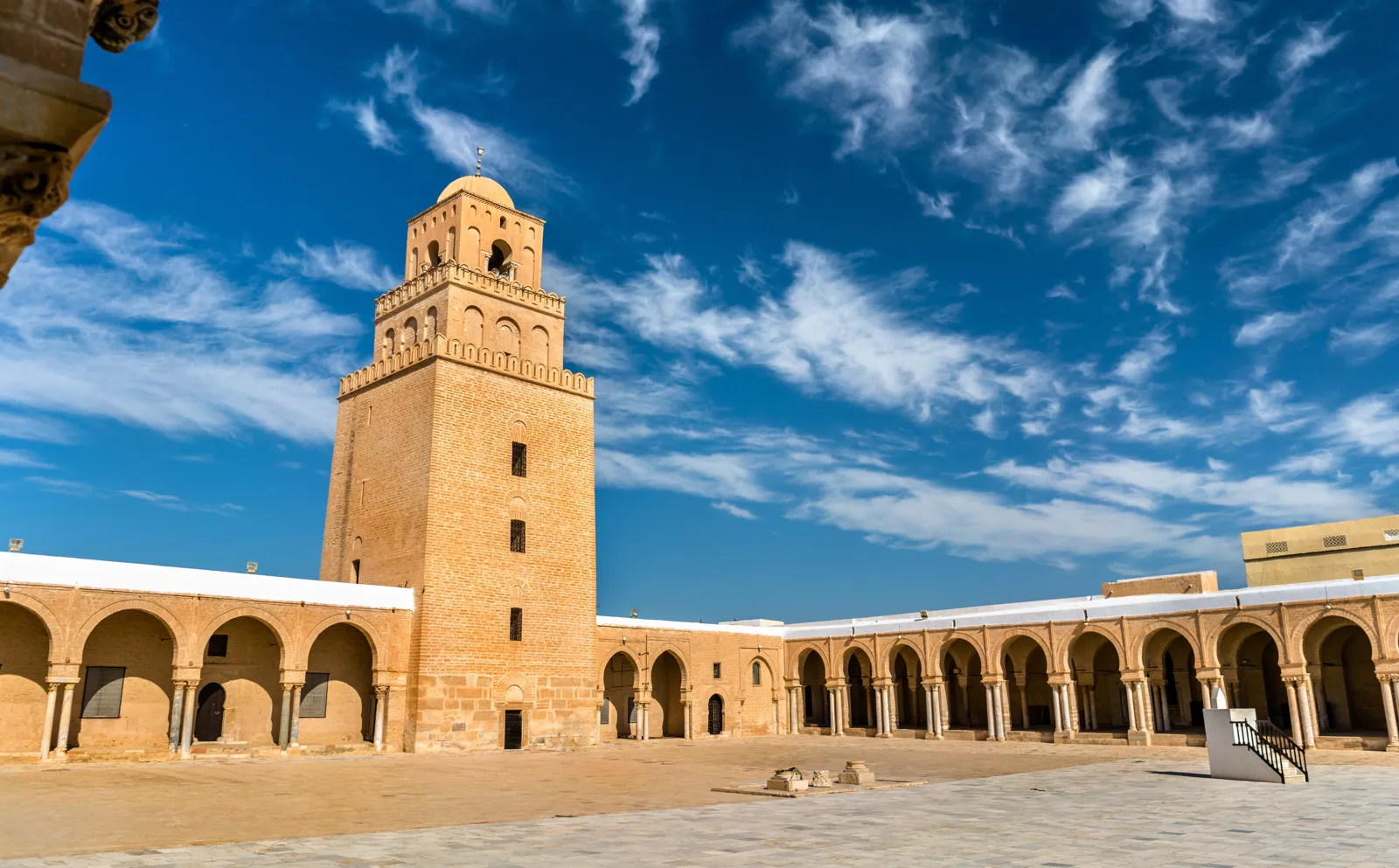
Brașov (Brasov) is the main city of southern Transylvania, at the foot of the Carpathians: a Saxon old town with colourful façades, dominated by the Black Church and by Mount Tâmpa, from which you can take in the whole city. It is also the best base for day trips to Bran Castle, the Râșnov fortress and the mountain resorts of the Prahova Valley. This guide to help you visit Brașov covers what to see, how to get there, where to stay, what weather to expect month by month and what the US and UK governments say about entry and safety.
To place Brașov in an itinerary: our Romania travel guide, the calendar when to go to Romania, the map of Romania and our page on Bucharest, the capital.

Our travel deals for Brașov
Affiliate links: we earn a commission, at no extra cost to you.
 FlightsKiwi.comCompare flights and airline combinations to Brașov.Compare flights

Brașov at a glance
- Time zone UTC+2 (UTC+3 in summer): 2 hours ahead of London, 7 hours ahead of New York
- Population 237,589 (2021 census)
- Climate continental; about 27 °C (81 °F) in the afternoon in July–August and nights below 0 °C (32 °F) from December to March (WMO 1991–2020 normals for Sibiu, the reference station for Transylvania)
- Entry no visa for up to 90 days for US and UK citizens (Schengen rules); see travel.state.gov and GOV.UK
- Main sights Council Square, Black Church, Rope Street, Mount Tâmpa, Șchei district, the city walls and towers; nearby: Bran, Râșnov
What to see in Brașov: the highlights
Council Square (Piața Sfatului)
Council Square is the heart of the old town. In the middle stands the Casa Sfatului, the former council house, which housed the town’s administration for more than five centuries. Lined with townhouses with pastel façades, the square is the natural starting point for every visit: most of the old town’s streets converge on it, and seasonal markets, including the Christmas market, are held there.
The Black Church (Biserica Neagră)
A few steps from the square, the Black Church is Brașov’s emblematic monument. The present building dates from 1477 and replaced an older church. Its name comes from the great fire of 1689, whose smoke blackened its walls. It is one of Romania’s great Gothic buildings and the church of the Saxon Lutheran community. Opening hours and visiting conditions (organ concerts in particular) change with the season: check on site or with the parish.
Rope Street and the Șchei district
Rope Street (Strada Sforii) is described as the narrowest street in Romania: a lane where two people can barely pass, between the old town and the Șchei district. The latter grew up outside the walls: it was the quarter of the Romanians and Bulgarians, whose access to the fortified Saxon town was long restricted. Its sloping, more residential streets contrast with the Saxon old town.
Mount Tâmpa
Mount Tâmpa, a small wooded mountain that rises to about 900 m (2,950 ft), stands in the middle of the city, just above the historic centre. You can go up on foot by trails or by cable car; the summit gives the best-known view over Brașov’s rooftops. Stay on marked trails, and ask locally about wildlife before walking in the forests of the Carpathians.
The city walls and their towers
Part of the medieval wall survives at the foot of Tâmpa: the walk along the walls links several bastions and towers, including the White Tower and the Black Tower, on the heights beside the old town. It is the best place to photograph the Black Church above the rooftops, especially late in the day.
Around Brașov: Bran, Râșnov and the Prahova Valley
Brașov is the most practical base for the classic excursions of southern Transylvania: Bran Castle, associated with the Dracula legend, the peasant fortress of Râșnov on its hill, and, on the other side of the pass, the resorts of the Prahova Valley such as Sinaia, known for Peleș Castle, and Predeal. Opening hours and prices at these sites change with the season: check their official sites before you go. For the country’s other regions, see our Romania guide.
Brașov in 2 or 3 days
- Day 1: Council Square, Black Church, Rope Street, a walk along the walls, then up Tâmpa late in the afternoon.
- Day 2: excursion to Bran and Râșnov, back in the old town late in the day.
- Day 3: Șchei district in the morning, then Sinaia and Peleș Castle; in winter, a day of skiing in a nearby resort.
Where to stay in Brașov
Three options stand out. The old town, around Council Square, lets you do everything on foot and enjoy the evenings. The streets near Șchei are quieter, at the foot of the hills. Finally, the districts around the station, more modern, are practical for trains but far from the historic centre. In December (Christmas market) and in the summer holidays, book early in the old town.
Getting to Brașov and getting around
Since 2023 Brașov has had its own airport, Brașov-Ghimbav, west of the city: the first commercial flight took place there on 15 June 2023. Connections change from season to season; check the destinations served on the airport’s and airlines’ sites. The other gateway is Bucharest, from where you reach Brașov by train or by road through the Prahova Valley. The city is also well linked by rail to the rest of Transylvania.
On site, the old town is visited entirely on foot; city buses link the station to the centre. For Bran, Râșnov and the fortified Saxon villages, a car gives the most freedom.
Transfers, excursions and car rental
To reach Brașov from Bucharest airport, you can choose between the train (with a trip to Bucharest’s station), a minibus or a private transfer. For excursions to Bran and Peleș, organized tours spare you from driving on mountain roads that can be busy. If you rent a car, note the official warnings about Romanian roads (see the safety section) and, in winter, the winter-tyre rules in the RAC’s Romania guide cited by GOV.UK. Compare the operator’s official site and resellers: cancellation terms, insurance, excess, winter equipment.
When to go to Brașov: climate month by month
Brașov has a continental mountain climate: cold, often snowy winters and hot, stormy summers. As there are no published official normals for a Brașov station, the table uses those of Sibiu, to the west, the main reference station for Transylvania (same plateau, comparable altitude). Treat them as an order of magnitude for Brașov, where winter nights can be colder. Our guide to visiting Sibiu presents that city.
| Month | Avg. max | Avg. min | Rain | Rainy days (≥ 1 mm) | Day/night gap | Sunrise / sunset (15th) | Daylight |
|---|---|---|---|---|---|---|---|
| January | 2.3 °C (36 °F) | −6.6 °C (20 °F) | 26 mm (1.0 in) | 5.7 | 8.9 °C (16 °F) | 7:54 am / 4:59 pm | 9 h 05 min |
| February | 5.5 °C (42 °F) | −4.8 °C (23 °F) | 23 mm (0.9 in) | 5.1 | 10.3 °C (19 °F) | 7:20 am / 5:43 pm | 10 h 24 min |
| March | 10.7 °C (51 °F) | −0.7 °C (31 °F) | 35 mm (1.4 in) | 6.8 | 11.4 °C (21 °F) | 6:30 am / 6:22 pm | 11 h 52 min |
| April | 16.7 °C (62 °F) | 4.3 °C (40 °F) | 54 mm (2.1 in) | 8.4 | 12.4 °C (22 °F) | 6:32 am / 8:03 pm | 13 h 31 min |
| May | 21.4 °C (71 °F) | 8.9 °C (48 °F) | 77 mm (3.0 in) | 11.3 | 12.5 °C (22 °F) | 5:47 am / 8:41 pm | 14 h 54 min |
| June | 25.1 °C (77 °F) | 12.4 °C (54 °F) | 97 mm (3.8 in) | 10.7 | 12.7 °C (23 °F) | 5:27 am / 9:08 pm | 15 h 41 min |
| July | 26.9 °C (80 °F) | 13.9 °C (57 °F) | 95 mm (3.7 in) | 9.5 | 13.0 °C (23 °F) | 5:42 am / 9:04 pm | 15 h 22 min |
| August | 27.1 °C (81 °F) | 13.5 °C (56 °F) | 71 mm (2.8 in) | 7.4 | 13.6 °C (24 °F) | 6:17 am / 8:26 pm | 14 h 09 min |
| September | 21.8 °C (71 °F) | 9.1 °C (48 °F) | 56 mm (2.2 in) | 6.8 | 12.7 °C (23 °F) | 6:55 am / 7:29 pm | 12 h 34 min |
| October | 16.6 °C (62 °F) | 4.0 °C (39 °F) | 46 mm (1.8 in) | 6.3 | 12.6 °C (23 °F) | 7:33 am / 6:32 pm | 10 h 59 min |
| November | 10.1 °C (50 °F) | −0.4 °C (31 °F) | 32 mm (1.3 in) | 5.2 | 10.5 °C (19 °F) | 7:16 am / 4:47 pm | 9 h 31 min |
| December | 3.4 °C (38 °F) | −4.7 °C (24 °F) | 31 mm (1.2 in) | 6.1 | 8.1 °C (15 °F) | 7:51 am / 4:33 pm | 8 h 43 min |
Reading the table: from December to February the average high stays between 2.3 and 5.5 °C (36 and 42 °F) and nights drop below −4 °C (25 °F): this is the season of Christmas markets and skiing. June is the wettest month (97 mm / 3.8 in, with thunderstorms) and July the sunniest (254 hours of sunshine at Sibiu). The gap between day and night reaches 13 °C (23 °F) in July and August (calculation): even in summer, bring a warm layer for the evenings and for Tâmpa. May, June and September offer the best compromise for walking in town and in the mountains.
To compare with Bucharest and the Black Sea, see when to go to Romania.
Entry requirements, health and safety
- US citizens: according to the U.S. Department of State (travel.state.gov, last updated November 12, 2025), Romania follows Schengen rules: your passport must be valid for at least three months beyond your departure date from Romania. You can stay up to 90 days in any 180-day period for tourism or business without a visa, and you need sufficient proof of funds and a return plane ticket.
- UK citizens: according to the UK FCDO (GOV.UK, updated 18 September 2026), Romania follows Schengen rules: you can travel without a visa for up to 90 days in any 180-day period. Your passport must have been issued less than 10 years before the date you arrive and expire at least 3 months after the date you plan to leave the Schengen area. You may need to show a return or onward ticket and enough money for your stay, and to register your fingerprints and photo under the EU Entry/Exit System (EES).
- The two sources agree on the 90-day visa-free stay and the three-month passport rule. For anything else, check with the Romanian embassy in your country. See also our guide to entry requirements.
For a stay in Brașov, these points from the official sources matter most:
- Theft: the UK FCDO warns of petty theft in large towns, especially Bucharest: thieves use distraction techniques and can carry out organised attacks in groups. Take care of your passport, money and belongings. The U.S. Department of State says robbery, pickpocketing, internet scams and credit card fraud are the most commonly reported crimes.
- Roads: the FCDO says road conditions are variable, that roads can be in a bad state of repair and that driving standards can be poor. The State Department adds that many secondary roads are poorly lit, narrow and lack marked lanes, and that mountain roads are dangerous when wet or covered with snow or ice. You must pay the road toll (rovinieta) to use national roads: buy a vignette at border points and most petrol stations.
- Driving licence: the FCDO says you can use a UK photocard driving licence to drive in Romania; hire car companies may have stricter requirements, such as a year of driving experience, a minimum age and an international driving permit (IDP).
- Earthquakes: Romania is in a seismically active area and tremors happen regularly, with the greatest risk in Bucharest (UK FCDO; U.S. Department of State).
- Health: UK travelers need a GHIC or EHIC for medically necessary state healthcare (UK FCDO); take out travel insurance in any case.
- Emergencies: 112 (ambulance, fire, police).
Staying connected
Romania is in the European Union, but roaming for US and UK plans depends on your provider: check your charges before you leave. A local eSIM is an alternative: see our travel eSIM guide.
If you… then…
| If you… | Then… |
|---|---|
| Like Christmas markets | Come in December; expect nights below 0 °C (32 °F) |
| Want to hike in the Carpathians | Aim for June to September, stay on marked trails and ask locally about wildlife |
| Fear thunderstorms | Prefer May or September to June, the wettest month |
| Have only one day | Council Square, Black Church, Rope Street, Tâmpa |
| Want to see Bran without driving | Choose an organized tour from Brașov |
| Arrive via Bucharest | Train or road through the Prahova Valley, with a possible stop at Sinaia |
Frequently asked questions
What is there to see in Brașov in one day?
Council Square, the Black Church, Rope Street, the walk along the walls and Mount Tâmpa for the view over the city.
How many days should you spend in Brașov?
Two days for the city and an excursion to Bran and Râșnov; three to add Sinaia and Peleș.
What is the best time to visit Brașov?
May, June and September for walking; December for the Christmas markets. Summer is hot (about 27 °C / 81 °F in the afternoon at Sibiu, the reference station) and stormy.
Does Brașov have an airport?
Yes, Brașov-Ghimbav international airport, open to commercial flights since June 2023. Check connections on its site.
Do US and UK citizens need a visa for Romania?
No, not for up to 90 days in any 180-day period, according to the U.S. Department of State (November 12, 2025) and the UK FCDO (18 September 2026); your passport must meet Schengen validity rules.
Is Brașov safe?
Crime is mainly petty theft and scams (UK FCDO; U.S. Department of State); take the usual precautions and watch the state of the roads if you drive.
Our sources
- UK FCDO, Romania foreign travel advice (GOV.UK, updated 18 September 2026): entry requirements, safety and security, road travel, natural disasters; read 26 October 2026
- U.S. Department of State, Romania country information (travel.state.gov, last updated November 12, 2025): entry and exit requirements, safety and security, transportation; read 26 October 2026
- World Meteorological Organization, 1991–2020 climate normals, Sibiu station (15260), Romanian National Meteorological Administration (NOAA/NCEI archive)
- Wikipedia article “Brașov” (English): 2021 population, Black Church, Council Square, Tâmpa, Brașov-Ghimbav airport
- Astronomical calculations: NOAA solar algorithm, applied by Destination de Voyage to the coordinates of Brașov (15th of each month, year 2027)
- Our methodology
Updated November 2026.