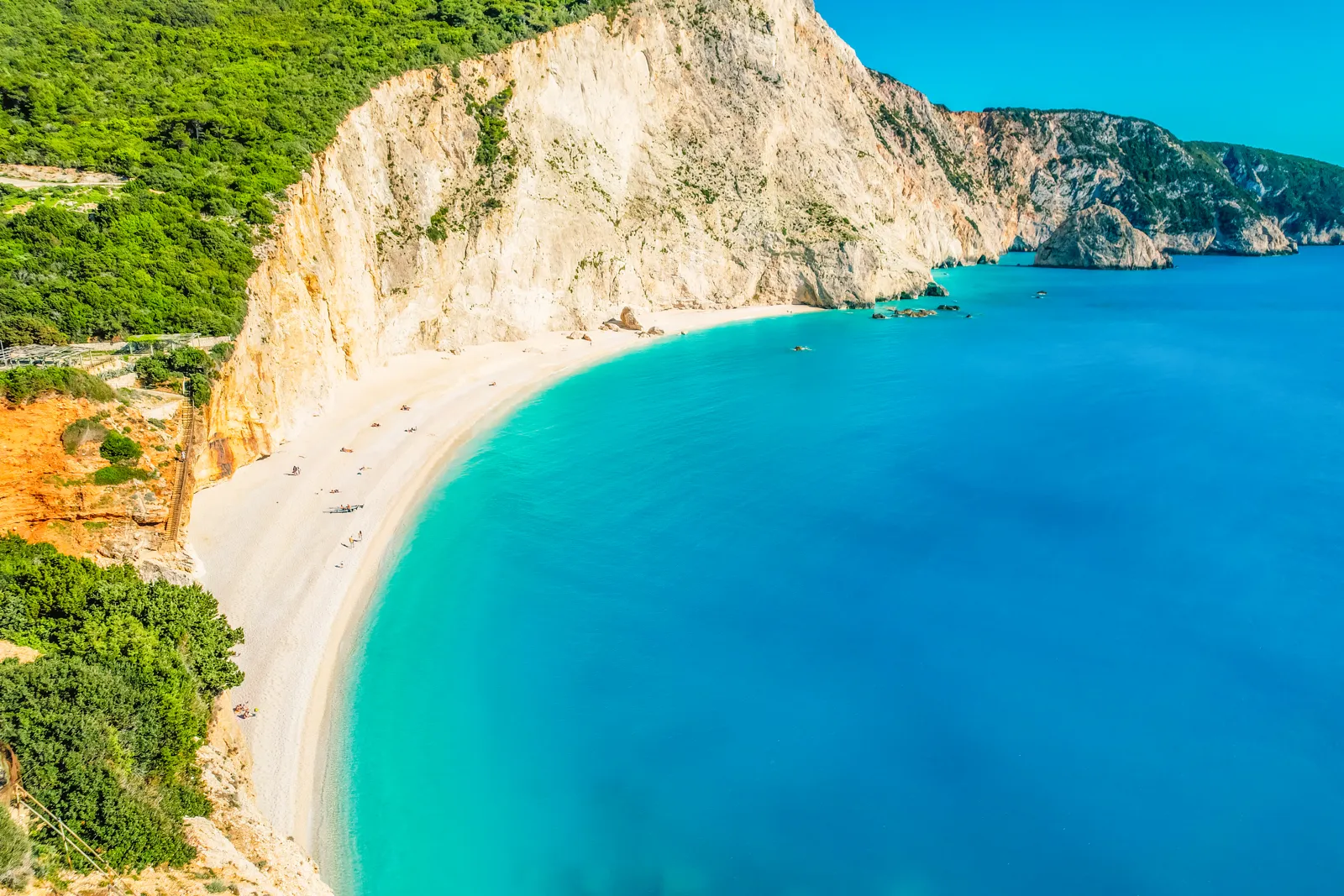
Looking for things to do in Málaga? The big city of the Costa del Sol combines a pedestrian old town, Moorish and Roman monuments, a dozen museums including one devoted to Picasso, who was born here, and beaches right in the city. It is also a good base for exploring Andalusia: Ronda, Nerja, the Caminito del Rey or Granada. This guide helps you choose your sights, your neighbourhood, your itinerary and the best time to go, based on the official AEMET normals. Further west on the Costa del Sol, Marbella and its old town have their own guide.

Our travel deals for Málaga
Affiliate links: we earn a commission, at no extra cost to you.
 FlightsKiwi.comCompare flights and airline combinations to Málaga.Compare flights
- Airport transferKiwitaxiPrivate driver booked in advance at a fixed price.Book a transfer


Málaga at a glance
- Airport Málaga-Costa del Sol (AGP)About 8 km (5 mi) from the centre, linked by commuter train
- Ideal length 2 to 3 days for the city, a week with day trips
- Best time April to June, September and October
- Time zone UTC+1, UTC+2 in summer: 1 hour ahead of London, 6 hours ahead of New York · detailsLocal time now: –:–
- Entry Schengen area: UK citizens need no visa for up to 90 days in any 180-day period; US citizens need a passport valid 3 months beyond their stay · US: travel.state.gov · UK: GOV.UK
- Currency the euro (€) · currencies
- Electricity 220 V, 50 Hz, round-pin sockets to the European standard (according to Spain’s official tourism site, spain.info); US and UK plugs need an adapter · plugs
- Budget see our budget section
What to see in Málaga: the highlights
The Alcazaba and the Roman theatre
At the foot of the Gibralfaro hill, the Alcazaba is a Moorish-era fortress-palace: walls, zigzag gateways, patios and pools follow one another as you climb. Just below, the Roman theatre, rediscovered in the 20th century, can be seen from the street and visited with a small interpretation centre. Both sites are easily covered in a morning.
Gibralfaro Castle
Once linked to the Alcazaba by a walled path, Gibralfaro Castle crowns the hill. Its ramparts offer the best view of the city, the port and the Malagueta bullring. The walk up is steep and has little shade: in summer, take the bus or go early in the morning.
The cathedral, « La Manquita »
Begun in the 16th century, the Cathedral of the Incarnation was never finished: only one of its two towers was completed, hence its nickname « La Manquita » (the one-armed lady). A rooftop tour lets you see the city from above.
Picasso in Málaga
Pablo Picasso was born in Málaga in 1881. The Picasso Museum, in the Buenavista Palace, shows works from his whole career. His birthplace on Plaza de la Merced is now a museum devoted to his childhood and early work. Allow half a day for both.
The other museums
Málaga has made museums its speciality: the Carmen Thyssen Museum (19th-century Spanish painting), the Museum of Málaga (fine arts and archaeology, in the former Customs Palace), the Centre Pompidou Málaga in a colourful cube on the port, the Russian Museum collection and the Contemporary Art Centre (CAC). Check opening times and current exhibitions before you go.
The old town, Calle Larios and the market
Calle Larios, a marble-paved pedestrian street, is the main shopping street of the centre. Around it, lanes lead to churches, tapas bars and small squares. The Atarazanas central market, behind a Nasrid-era gateway, sells fresh produce and serves tapas at the counter.
The port, La Malagueta and the beaches
Muelle Uno, a promenade along the port, links the centre with La Malagueta beach, a few minutes’ walk away. Further east, the former fishing districts of Pedregalejo and El Palo are known for their « espetos », skewers of sardines grilled over a wood fire on the beach.
La Concepción botanical garden
North of the city, this historic 19th-century garden brings together tropical and subtropical plants, shady paths and a viewpoint. A good green break, reached by bus.
Day trips from Málaga
- Caminito del Rey: a walkway clinging to the walls of the Gaitán gorge, about an hour’s drive away; booking is required and places go quickly in spring.
- Nerja and Frigiliana: caves, the Balcón de Europa viewpoint and a hilltop white village, east along the coast.
- Ronda: a town split in two by a spectacular gorge, with its New Bridge and historic bullring.
- Antequera: the dolmens, a UNESCO World Heritage Site, and the El Torcal nature area.
- Granada: doable in a long day for the Alhambra (tickets to book well ahead), better with a night there.
- Seville and Córdoba: reachable by train; more comfortable as separate stays.
For a full tour, see our Andalusia guide.
Itinerary: how many days in Málaga?
- Day 1: Alcazaba and Roman theatre, cathedral, Calle Larios, Atarazanas market; sunset at Gibralfaro
- Day 2: Picasso Museum and birthplace, Muelle Uno, Centre Pompidou; evening at La Malagueta
- Day 3: another museum in the morning, then espetos in Pedregalejo or El Palo
- Day 4: Caminito del Rey (booked in advance)
- Day 5: Nerja and Frigiliana, or Ronda
- Days 6-7: Antequera, or one or two nights in Granada
For a weekend, focus on the Alcazaba, Gibralfaro, the cathedral, the Picasso Museum and the seafront.
Getting there: Málaga airport transfer by train, bus, taxi or private transfer
From Málaga-Costa del Sol airport, the C1 commuter train (Cercanías Renfe) runs to the city centre; according to Aena, the airport operator, the Express bus costs €4 one way and taxis apply official fares with a minimum fare of €17.37 on weekdays during the day (checked 26 October 2026).
C1 train (Cercanías)
The C1 line between Málaga Centro Alameda and Fuengirola stops at the airport station, with stops at Málaga María Zambrano (for high-speed trains), the city centre, Benalmádena and Fuengirola. The fare depends on the number of zones and is shown on the Renfe ticket machines at the station.
Express bus and intercity lines
According to Aena (checked 26 October 2026), the Express line links the airport with the city centre. A single ticket costs €4 and can be paid by card (Visa or Mastercard) or in cash on board. Coach lines also serve other towns on the coast and inland.
Taxi: official fares from the airport
Fares published by Aena (checked 26 October 2026): fare 4 (weekdays, 6 am to 10 pm) with a minimum fare of €17.37 and €1 per kilometre; fare 5 (nights, weekends and public holidays, among other periods) with a minimum fare of €21.72; fare 9 (the highest rate, for example late at night at weekends) with a minimum fare of €24.93. Supplements: €0.56 per piece of luggage in the boot, €2.15 at night (midnight to 6 am, on fares 5 and 9).
| Option | Where to catch it | Official fare | Source |
|---|---|---|---|
| C1 train | Airport Cercanías station | By zone (Renfe ticket machines) | Renfe |
| Express bus | Arrivals | €4 (one way) | Aena |
| Taxi | Arrivals | Minimum fare €17.37 (fare 4) to €24.93 (fare 9) | Aena |
| Private transfer | Provider’s meeting point | Price set when booking | – |
Booking a private transfer in Málaga
A private transfer (a driver waiting for you on arrival, price agreed when booking) makes most sense if you arrive late in the evening, travel as a family or group, have a lot of luggage or are staying somewhere poorly served by public transport. It is often the simplest way to reach a Costa del Sol hotel outside the towns served by the train. Before booking, check what the price includes (luggage, child seats, tolls, night supplements), the free waiting time if your flight is delayed, flight tracking, the exact meeting point in the terminal and the cancellation terms.
Sources: Aena, « Getting there by bus » and « Getting there by taxi » pages for Málaga-Costa del Sol airport, checked 26 October 2026.
Where to stay in Málaga
- Historic centre: ideal for a first visit, everything on foot; noisy on some nights
- Soho: between the centre and the port, a street-art district, slightly cheaper
- La Malagueta: by the beach, a few minutes from the centre
- Pedregalejo and El Palo: a seaside-village feel, further out
- Near María Zambrano station: handy for the airport and day trips by train
There are many apartments and recent hotels. In July-August and during Holy Week, book early. A rooftop terrace or a pool is welcome in summer.
Getting around Málaga
- On foot: the centre, the port and La Malagueta are easy to explore on foot.
- From the airport: the commuter train (Cercanías) links the airport with the centre; a bus and taxis also make the trip.
- City buses: useful for Gibralfaro, La Concepción garden, Pedregalejo and El Palo.
- Train: from María Zambrano station, commuter trains to the western coast (Torremolinos, Fuengirola) and high-speed trains to Córdoba, Seville and Madrid.
- Regional buses: the bus station serves Nerja, Ronda, Granada and Antequera.
- Car: pointless in the city, handy for the white villages and the Caminito del Rey.
When to go to Málaga: the climate month by month
The best time to visit Málaga is April to June and September to October: 22 to 28 °C (72 to 82 °F) in the afternoon, little rain and reasonable crowds. July and August are hot (31 °C, 88 °F) and very busy, but the sea tempers the heat compared with Seville. Winter is one of the mildest in mainland Europe (17 °C, 63 °F, in January), with rain concentrated between November and March. The comparison with Seville’s furnace is worth pursuing: our Seville travel guide covers what to see there.
The table uses the 1991-2020 normals for the Málaga airport station published by AEMET.
| Month | High °C (°F) | Low °C (°F) | Rain mm (in) | Crowds | Prices | Verdict |
|---|---|---|---|---|---|---|
| January | 17.2 (63) | 7.9 (46) | 62 (2.4) | Low | Low | ⚠️ Mild and quiet, a few rainy days |
| February | 17.9 (64) | 8.4 (47) | 56 (2.2) | Low | Low | ⚠️ Mild, ideal for museums |
| March | 19.7 (67) | 10.1 (50) | 66 (2.6) | Medium | Medium | ⚠️ Early spring, still some rain |
| April | 21.8 (71) | 11.9 (53) | 41 (1.6) | High (Holy Week) | High | ✅ Pleasant for sightseeing and hiking |
| May | 24.7 (76) | 14.9 (59) | 23 (0.9) | Medium to high | Medium → high | ✅ One of the best months |
| June | 28.5 (83) | 18.6 (65) | 4 (0.2) | High | High | ✅ Dry and hot, first swims |
| July | 31.0 (88) | 21.2 (70) | 0 (0.0) | Very high | Very high | ⚠️ Hot, dry and very busy |
| August | 31.5 (89) | 22.0 (72) | 3 (0.1) | Very high (Feria) | Very high | ⚠️ The hottest, crowded beaches |
| September | 28.4 (83) | 19.2 (67) | 25 (1.0) | High | High | ✅ Summer without the August crowds |
| October | 24.3 (76) | 15.4 (60) | 61 (2.4) | Medium | Medium | ✅ Mild, some rain returns |
| November | 20.2 (68) | 11.4 (53) | 77 (3.0) | Low | Low | ⚠️ Mild but wetter |
| December | 17.8 (64) | 9.1 (48) | 88 (3.5) | Medium (holidays) | Medium | ⚠️ The wettest month, Calle Larios lights |
According to the same normals, it rains on about 5 days a month on average from November to March, and practically never in July. Sunshine exceeds 350 hours in July and stays above 160 hours a month in winter.
When to go to Málaga: key points
- Best times: April to June, September and October
- For the beach: June to September
- Hottest month: August, average high of 31.5 °C (89 °F)
- Driest month: July, with 0.1 mm (0.0 in) of rain
- Wettest month: December (88 mm (3.5 in)), followed by November
- Cheapest period: November to February, outside the Christmas holidays
Spring (March to May)
March is still changeable (66 mm (2.6 in) of rain). April and May are mild (22 to 25 °C (72 to 77 °F)) and much drier: the best time to combine the city, the Caminito del Rey and Ronda. Holy Week, in March or April depending on the year, brings big processions and higher prices.
- Pros: ideal temperatures, green countryside, prices still moderate outside Easter
- Cons: the sea is still cool, showers possible in March
Summer (June to September)
It hardly rains and highs exceed 31 °C (88 °F) in July-August, with warm nights (21 to 22 °C, 70 to 72 °F). The Costa del Sol is at its busiest. The Málaga Feria, in August, livens up the city for a week. September is still summery (28 °C, 82 °F) with fewer people.
- Pros: beach and swimming, long evenings, festive atmosphere
- Cons: crowds, high prices, spells of intense heat when the « terral », a hot wind from inland, blows
- Our advice: June or September to combine beach and sightseeing
Autumn (October-November)
October stays mild (24 °C, 75 °F) and often sunny, but rain returns as sometimes heavy showers. November (20 °C, 68 °F) is wetter and much quieter.
Winter (December to February)
Afternoons are around 17-18 °C (63-64 °F) and nights stay above 8 °C (46 °F) on average. It is a good time for museums and walks in the sun, with low prices, but the sea is too cool for most swimmers. The Christmas lights on Calle Larios draw big crowds in December.
Málaga month by month
January: mild (17 °C, 63 °F), about 62 mm (2.4 in) of rain. Quiet with low prices.
February: 18 °C (64 °F), often sunny. Carnival in some years.
March: 20 °C (68 °F), still rainy (66 mm (2.6 in)). Holy Week in some years.
April: 22 °C (72 °F), less rain. Holy Week in some years: check the dates.
May: 25 °C (77 °F), very little rain: one of the best months for everything.
June: 28.5 °C (83 °F), dry. The beach season begins; Saint John’s Night on the beaches.
July: 31 °C (88 °F), dry and very busy. Sightseeing in the morning, beach in the evening.
August: the hottest month (31.5 °C (89 °F)). Málaga Feria; book early.
September: 28 °C (82 °F), the crowds thin out. An excellent month to combine beach and day trips.
October: 24 °C (75 °F), a few showers. A good month for hiking.
November: 20 °C (68 °F), wetter (77 mm (3.0 in)). Quiet.
December: 18 °C (64 °F), the wettest month (88 mm (3.5 in)). Christmas lights.

Málaga’s main festivals
| When | Event | Good to know |
|---|---|---|
| March or April (dates vary) | Holy Week | Processions of large floats carried through the centre |
| Night of 23-24 June | Saint John’s Night | Bonfires and gatherings on the beaches |
| August | Málaga Feria | Festivities in the centre by day, at the fairground in the evening |
| November-December | Christmas lights | Light show on Calle Larios |
To compare with the rest of the region, see the best time to visit Andalusia and the best time to visit Spain. For guaranteed winter sun, also look at the Canary Islands.
When to book your trip to Málaga
For July, August and Holy Week, book 3 to 4 months ahead. For spring and autumn, 1 to 2 months is usually enough. Málaga-Costa del Sol is Andalusia’s main international airport; check routes and operating days with the airport and the airlines. The Caminito del Rey and the Alhambra also need booking well in advance.
Budget for a stay in Málaga
| Item | Budget | Comfort |
|---|---|---|
| Accommodation (sharing a double room) | roughly €30 to €50 | roughly €80 to €150 |
| Meals | roughly €25 to €35 | roughly €45 to €70 |
| Transport (bus, train) | roughly €3 to €8 | roughly €10 to €20 |
| Sights and day trips | roughly €10 to €20 | roughly €20 to €40 |
| Total per day | roughly €70 to €110 | roughly €150 to €250 |
To keep costs down: have the set lunch menu (menú del día), eat tapas at the Atarazanas market and look out for the free-entry slots offered by several museums and monuments.
Entry requirements, health and safety
- US citizens: Spain is in the Schengen area. Your passport should be valid for at least 3 months beyond your period of stay (the State Department recommends 6 months), and you need sufficient proof of funds and a return ticket; students and athletes need a visa to take part in study or sports programmes (U.S. Department of State, travel.state.gov, last updated August 11, 2025).
- UK citizens: no visa for up to 90 days in any 180-day period as a tourist. Your passport must have been issued less than 10 years before the day you arrive and be valid at least 3 months after the day you plan to leave the Schengen area. The EU Entry/Exit System (EES) is being implemented: fingerprints and a photo may be taken at the border, free of charge (UK FCDO, GOV.UK, updated 12 August 2026).
- Health: UK travellers need a GHIC or EHIC for medically necessary state healthcare, which GOV.UK says is not a substitute for travel insurance; whatever your nationality, take out insurance that covers medical costs. Emergency number: 112 (GOV.UK and travel.state.gov).
- Safety: the U.S. Department of State notes that street crime targets tourist spots, airports, train stations and beach destinations; keep valuables out of outer pockets and carry a copy of your passport’s bio page rather than the original when you can (you will need the passport to check in to hotels).
- Cars and airports: the State Department also reports frequent car break-ins and advises keeping track of your belongings when picking up rental cars or waiting for taxis.
- Heat and nature: GOV.UK warns of extreme heat in summer, frequent wildfires (starting one, even by accident, is a criminal offence) and flash floods; follow warnings from the Spanish Met Office (AEMET).
To choose your cover, read our travel insurance guide.
Practical tips for Málaga
- Meal times: lunch around 2 pm, dinner rarely before 9 pm.
- Bookings: the Picasso Museum, the Alcazaba in high season and above all the Caminito del Rey are booked online.
- Beach: city beaches are lifeguarded in season; GOV.UK reminds you that a red flag means you must not enter the water.
- Families: city beaches, the port and the museums make Málaga an easy destination with children.
- Money: cards are accepted almost everywhere; you may be asked for photo ID when paying by card (GOV.UK).
- Mobile data: check your home carrier’s roaming charges before you leave.
For more family ideas, see our selection of destinations in Europe with children.
Málaga: who is it for?
Our view by type of traveller, based on the information in this guide (places, budget, seasons).
| Profile | Our view | Why |
|---|---|---|
| Couples | Very well suited | Sunset at Gibralfaro, tapas in the old town, espetos in Pedregalejo. |
| Families | Well suited | La Malagueta beach within walking distance of the centre, botanical garden; intense heat in July-August. |
| Budget travellers | Very well suited | Roughly €70 to €110 per person per day: set lunch menus, tapas at the market, free-entry slots at several museums. |
| Culture | Very well suited | Alcazaba, Roman theatre, Picasso Museum, Centre Pompidou, Carmen Thyssen Museum. |
| Beach | Well suited | From June to September, city beaches reachable on foot or by bus. |
| Hiking | Well suited | Caminito del Rey (booking required) and El Torcal near Antequera. |
Frequently asked questions
How many days do you need to visit Málaga?
Two to three days are enough for the city: the Alcazaba, Gibralfaro, the cathedral, the Picasso Museum and the seafront. Allow a week to add the Caminito del Rey, Nerja, Ronda and Granada.
What is the best month to visit Málaga?
May and September offer the best balance: 25 to 28 °C (77 to 82 °F) in the afternoon, very little rain and fewer people than in July-August, according to the AEMET 1991-2020 normals.
Can you swim in Málaga?
Yes, on the city beaches (La Malagueta, Pedregalejo, El Palo), especially from June to September. The rest of the year, the water is cool for most swimmers.
Is Málaga nice in winter?
Yes, for a cultural stay: 17 to 18 °C (63 to 64 °F) in the afternoon and often sunny days. November and December are, however, the wettest months.
How do you get from the airport to Málaga city centre?
The C1 commuter train (Cercanías) links the airport with the centre. According to Aena, the Express bus costs €4 one way; taxis also make the trip at official fares.
Do you need to book the Caminito del Rey?
Yes, entry is with a dated ticket booked online. Places go quickly in spring and autumn.
Read also: to fit Málaga into a tour, read the best time to visit Andalusia and our Andalusia travel guide, with Seville as a stop. For winter sun, compare with the Canary Islands.
Our sources
- Spanish State Meteorological Agency (AEMET): 1991-2020 normals for the Málaga airport station
- Aena, Málaga-Costa del Sol airport: getting there by bus and by taxi, checked 26 October 2026
- Entry requirements, health and safety checked on 26 October 2026: U.S. Department of State, Spain country information (last updated August 11, 2025) and UK FCDO, GOV.UK foreign travel advice for Spain (updated 12 August 2026).
- spain.info (Turespaña), plugs and electricity, checked 26 October 2026
- Our methodology
Updated October 2026.
To extend your trip, see our Andalusia guide, our Spain travel guide, our guides to Madrid and Barcelona, our ideas for cheap weekend breaks and our other destinations in Europe.