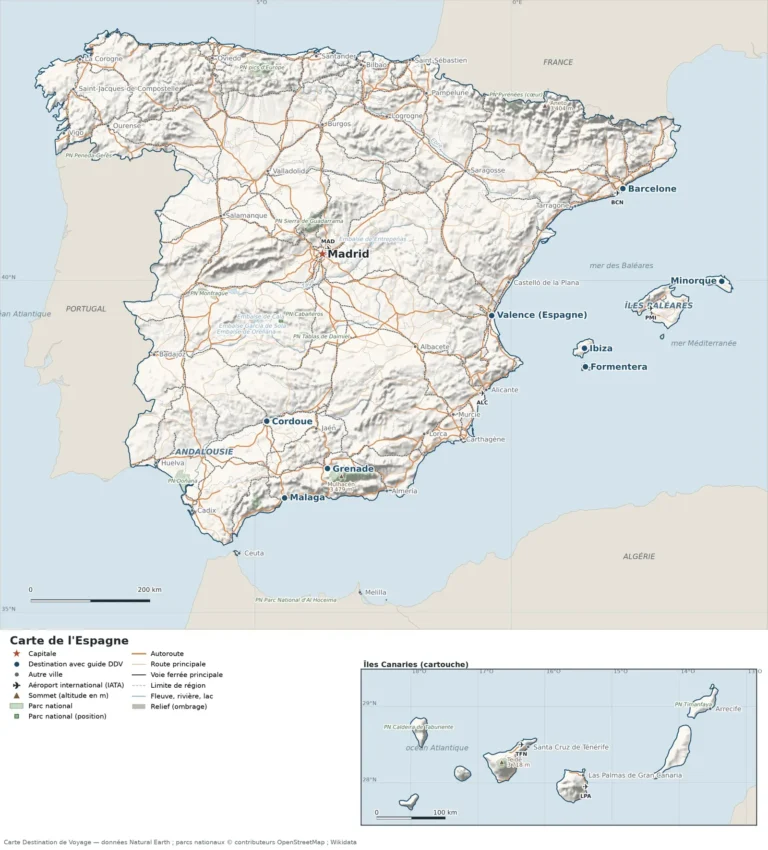
Plan 7 to 10 days for an Andalusia travel guide trio of Seville, Córdoba and Granada, and two weeks to add Málaga, Ronda, the white villages and the coast, ideally from March to May or in October. Andalusia, in southern Spain, is home to several of the country’s most visited monuments: the Alhambra in Granada, the Mosque-Cathedral of Córdoba, and the Alcázar and cathedral of Seville. It also offers hilltop white villages, mountains and two very different coastlines, the Mediterranean and the Atlantic. This guide helps you choose your stops, itinerary and accommodation for a 7- to 14-day trip. To extend the tour along Spain’s Mediterranean coast, our guide on things to do in Valencia covers the old town, the City of Arts and the beaches.
Our travel deals for Andalusia
Affiliate links: we earn a commission, at no extra cost to you.
FlightsKiwi.comCompare flights and airline combinations to Andalusia.
Airports: mainly Seville and Málaga, plus Granada, Almería and Jerez
Ideal length: 7 to 10 days for the big cities, 2 weeks with the coast and villages
Best time: March to May and October to mid-November
Time zone: UTC+1 (UTC+2 in summer), one hour ahead of London and usually six hours ahead of New York
Entry: Schengen rules for US and UK citizens (see entry requirements below)
Currency: the euro
Budget: roughly €70 to €110 per person per day on a budget, €150 to €280 for comfort
Things to do in Andalusia: the highlights
Seville: the Alcázar, the cathedral and Santa Cruz
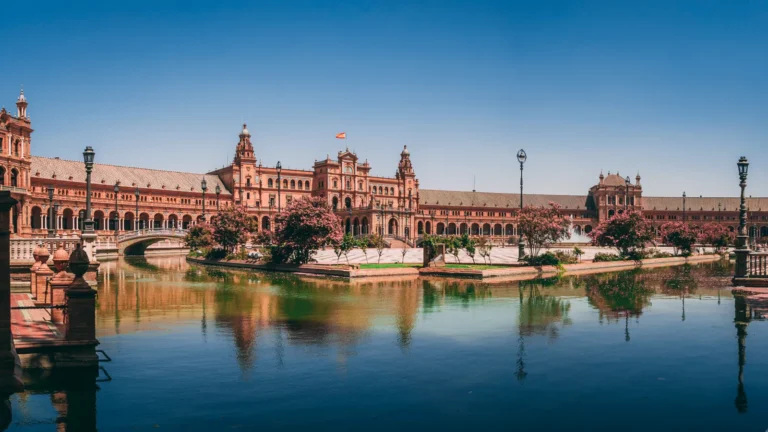
The capital of Andalusia, Seville has three sites listed together as a UNESCO World Heritage Site: the Gothic cathedral and its bell tower, the Giralda, a former minaret; the Alcázar, a royal palace with remarkable gardens; and the Archive of the Indies. The Santa Cruz quarter, a maze of lanes and small squares, runs alongside the Alcázar. Don’t miss Plaza de España and María Luisa Park, the Triana district across the Guadalquivir and the contemporary Setas (Metropol Parasol). Book Alcázar and cathedral tickets in advance.
Córdoba: the Mosque-Cathedral and the patios
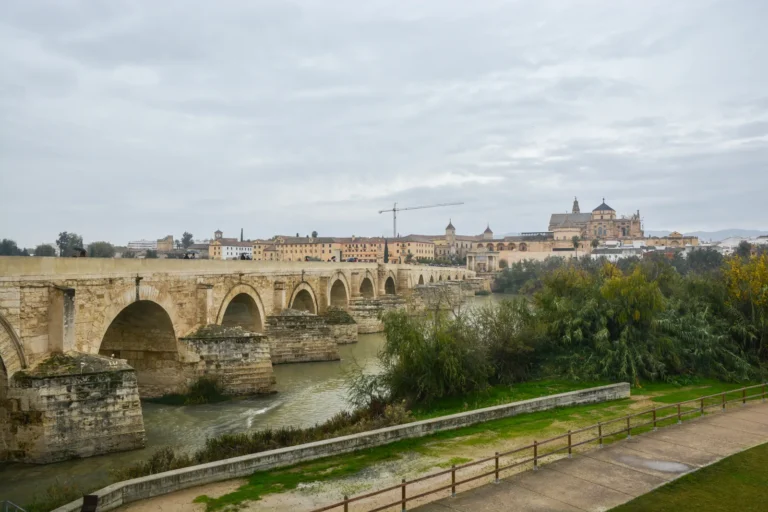
Under an hour from Seville by high-speed train, Córdoba is known for its Mosque-Cathedral, a former great mosque with hundreds of columns and two-tone arches, inside which a cathedral was built during the Renaissance. The historic center, with the Jewish quarter (Judería), the Roman bridge and the Alcázar of the Christian Monarchs, is easily explored on foot. In May, residents open their flower-filled patios during a very popular festival. A few kilometers away, Medina Azahara preserves the ruins of a 10th-century palace city.
Granada: the Alhambra and the Albaicín
The Alhambra, a complex of Nasrid palaces, fortifications and gardens (the Generalife), overlooks Granada. According to the official ticket site (checked 26 October 2026), tickets are personal and must be shown with an original ID, and the Nasrid Palaces have a set entry time chosen when you buy, with capacity capped at 300 people every half hour: book several weeks ahead, or more in spring and summer. Opposite, the Albaicín quarter tiers its white houses and gardens up the hill; the San Nicolás viewpoint offers the best-known view of the Alhambra and the Sierra Nevada. Sacromonte, with its cave houses, extends the walk.
Málaga and the Costa del Sol
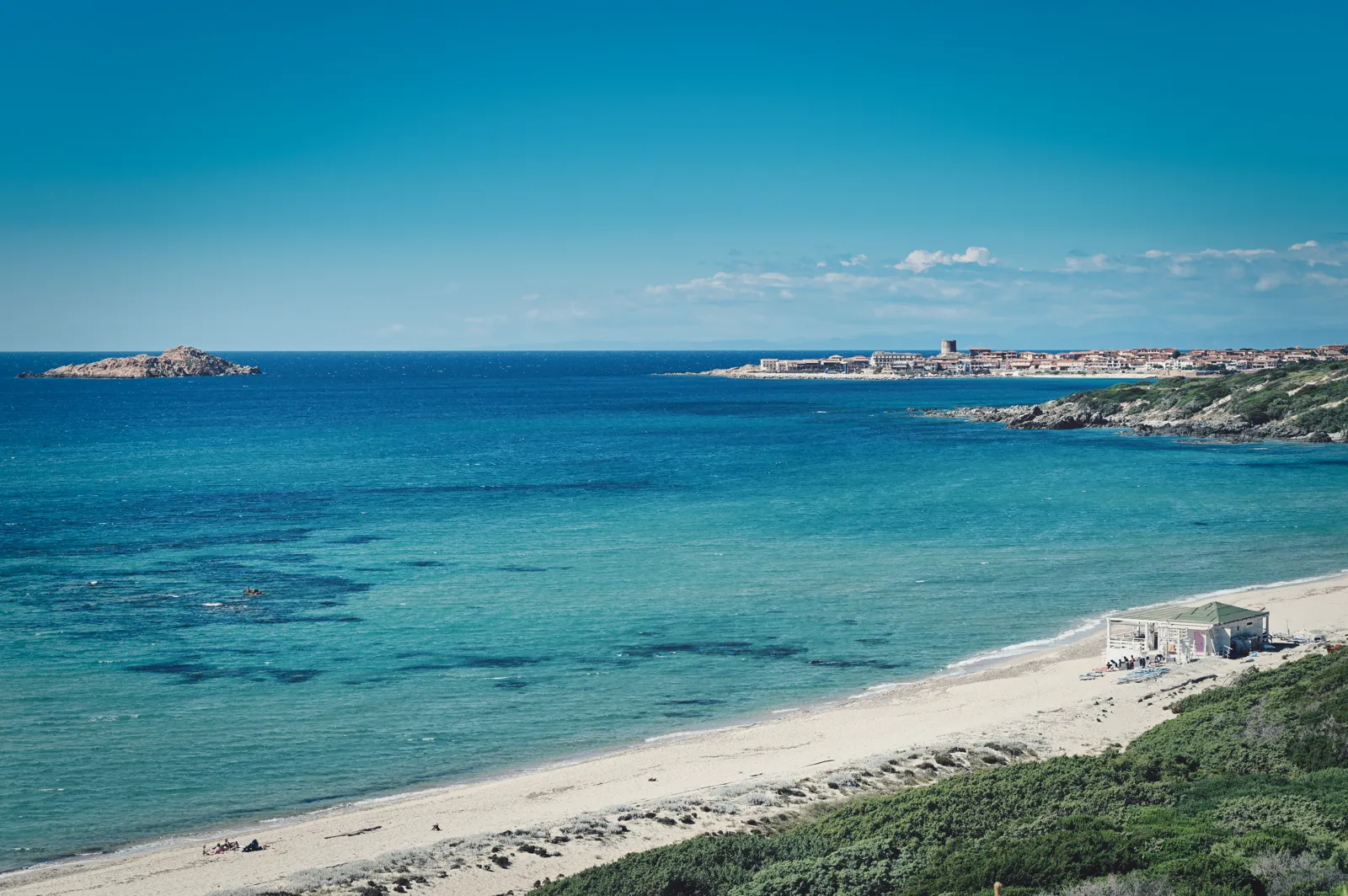
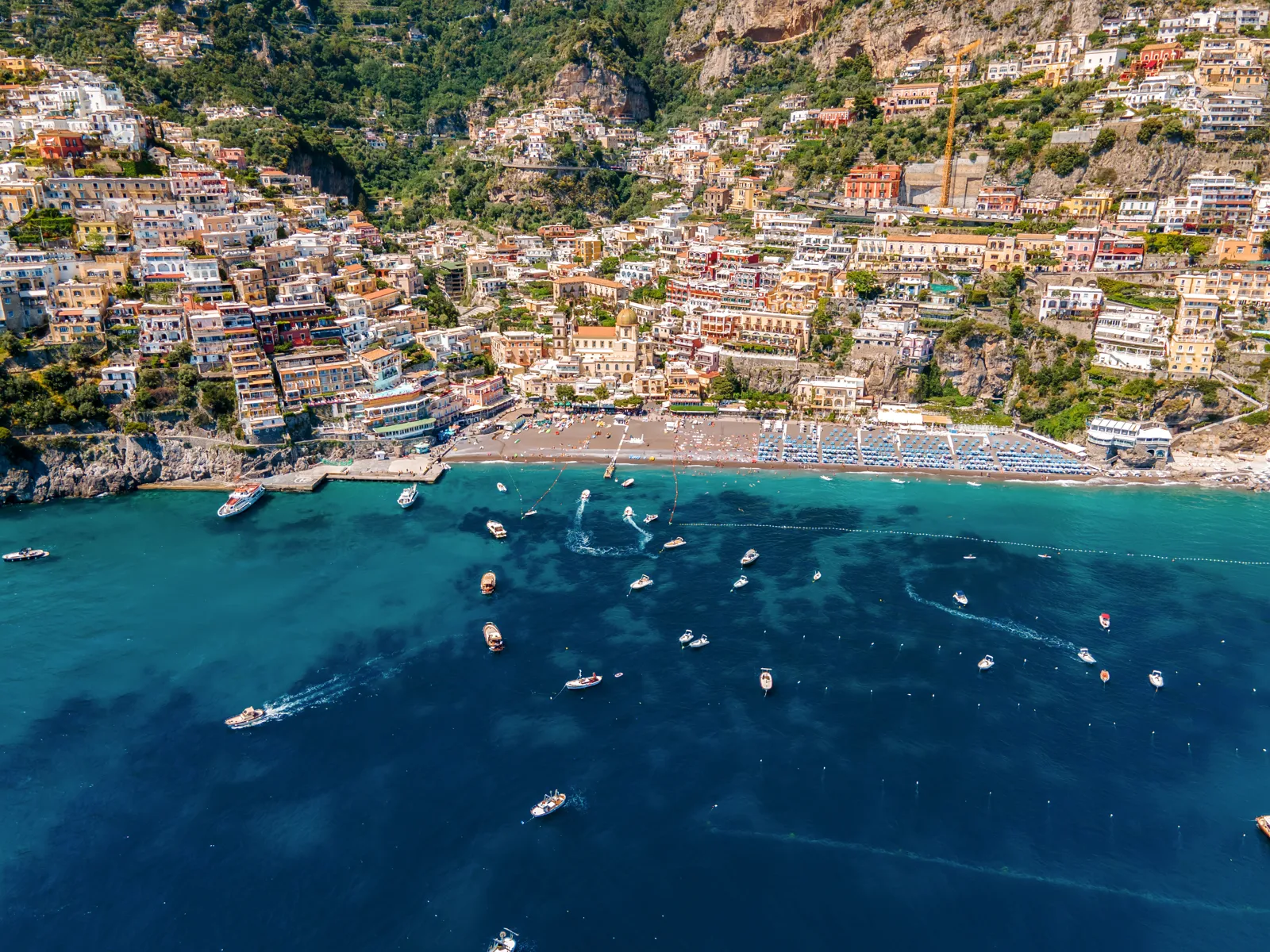
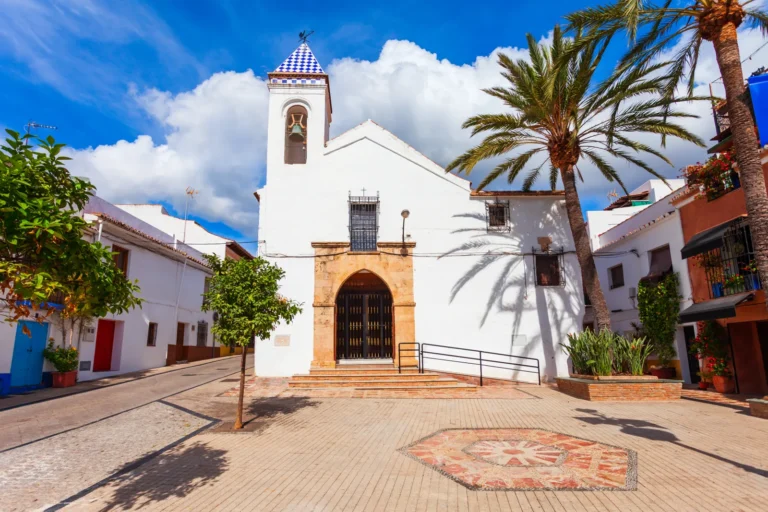
The region’s main airport, Málaga deserves more than a stopover: the Alcazaba fortress, Gibralfaro castle, the cathedral, the Picasso Museum in the painter’s birthplace, the Centre Pompidou Málaga and the redeveloped port. The Costa del Sol stretches either side: Nerja and its caves to the east, Marbella and Estepona to the west. About 6 km (4 mi) from Nerja, Frigiliana is a white village that belongs to the Most Beautiful Villages of Spain association. The coast is heavily built up in places and very busy in summer. To base yourself on the Costa del Sol, our page to plan your trip to Málaga helps you choose a neighborhood and day trips.
Ronda and the white villages
Ronda is built on either side of a deep gorge, spanned by the Puente Nuevo (New Bridge). Combine it with the white villages route (pueblos blancos): Setenil de las Bodegas, with houses built under the rocks, Zahara de la Sierra, Grazalema and Arcos de la Frontera. A car is almost essential to link them, and the Sierra de Grazalema natural park offers fine hiking.
Cádiz, Jerez and the Costa de la Luz
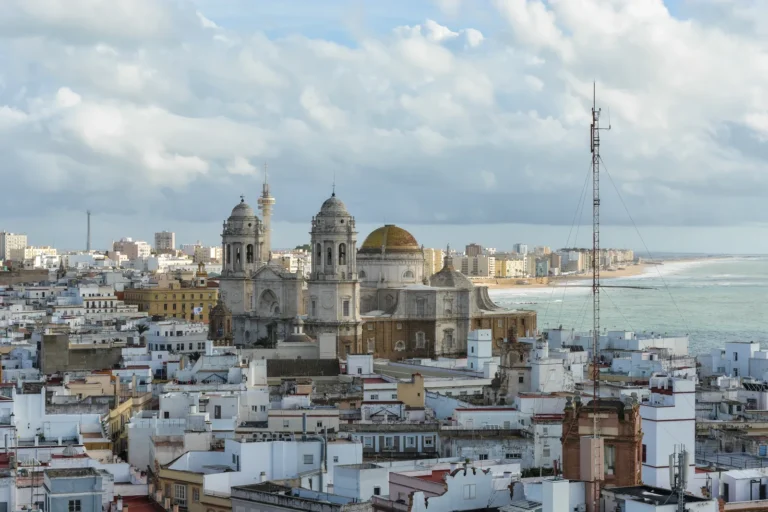
Cádiz, one of the oldest cities in Western Europe, sits on a peninsula surrounded by the Atlantic: old town, cathedral, La Caleta beach. Jerez de la Frontera is famous for its sherry bodegas and its Royal School of Equestrian Art. Further south, the Costa de la Luz lines up long sandy beaches from Conil to Tarifa, the southernmost point of continental Europe, facing Morocco.
Natural parks: Doñana, Sierra Nevada, Cabo de Gata
Doñana National Park, a wetland at the mouth of the Guadalquivir, is a major haven for birds; the core of the park can only be visited on a guided tour. The Sierra Nevada rises to Mulhacén, the highest peak in mainland Spain, and its Alpujarras valleys shelter white villages clinging to the mountainside. To the east, the Cabo de Gata-Níjar park near Almería offers a volcanic coastline and coves that are still largely undeveloped.
Antequera and the Caminito del Rey
Between Málaga, Córdoba and Granada, Antequera is home to the Antequera Dolmens Site, a group of megalithic monuments and natural landmarks added to the UNESCO World Heritage list in 2016. Nearby, the Caminito del Rey is a path of walkways above the Guadalhorce gorge: its visitor reception center is 57.7 km (36 mi) from Málaga and 51 km (32 mi) from Antequera. According to the official site (checked 26 October 2026), tickets are sold online or at the ticket office at the northern access, not at the reception center, and children under 8 are not allowed.
The Antequera UNESCO site also includes El Torcal, a massif with striking karst landscapes of rocks sculpted by erosion, crossed by waymarked trails.
Úbeda and Baeza
In Jaén province, surrounded by olive groves, these two neighboring small towns are UNESCO World Heritage Sites for their Renaissance ensembles. Less crowded than Seville or Granada, they can be visited in a day on the way between Córdoba and Granada.
What to do in Andalusia: 13 experiences not to miss
For a first trip, here is what to see and do in Andalusia, to tick off according to your interests and the length of your stay:
Visit the Alcázar and cathedral of Seville, then wander through Santa Cruz and Triana
See Plaza de España and María Luisa Park
Step inside the Mosque-Cathedral of Córdoba and explore the Judería
Discover the Nasrid Palaces and the Generalife at the Alhambra (tickets must be booked)
Gaze at the Alhambra and the Sierra Nevada from the San Nicolás viewpoint in the Albaicín
Cross Ronda’s Puente Nuevo above the gorge
Follow the white villages route: Setenil, Zahara, Grazalema, Arcos
Walk the Caminito del Rey above the Guadalhorce gorge
Visit Málaga’s Alcazaba and Picasso Museum
Taste sherry in a Jerez de la Frontera bodega
Stroll through the old town of Cádiz and along the beaches of the Costa de la Luz
Hike in the Alpujarras or Cabo de Gata park
See a flamenco show in Seville (Triana), Jerez or Granada: born in Andalusia, it has been on UNESCO’s Intangible Cultural Heritage list since 2010
Itinerary: an Andalusia road trip from 7 days to 2 weeks
7 to 10 days: the Andalusian cities
Days 1 to 3: Seville (cathedral, Alcázar, Santa Cruz, Plaza de España, Triana)
Day 4: Córdoba (Mosque-Cathedral, Judería), by train from Seville
Days 5 to 7: Granada (Alhambra, Albaicín, Sacromonte)
Days 8 and 9: Málaga (Alcazaba, Picasso Museum, historic center)
Day 10: Ronda as a day trip from Málaga, or departure
2 weeks: cities, white villages and coast
Days 1 to 3: Seville
Days 4 and 5: Cádiz and Jerez de la Frontera
Days 6 and 7: Ronda and the white villages (Grazalema, Setenil, Zahara)
Days 8 and 9: Málaga and the Costa del Sol (Nerja)
Days 10 to 12: Granada and the Alpujarras
Days 13 and 14: Córdoba, then back to Seville or Madrid
Without a car, stick to the Seville – Córdoba – Málaga axis, well served by train, and reach Granada by train or bus. For the white villages, the Alpujarras and the Atlantic coast, a car is far more practical.
When to go to Andalusia
✓ Ideal~ Good, with caveats✕ AvoidAverage max. temperature · click a month to see where to go
✅ Best months: February, March, April, may, October, November
❌ Period to avoid: July, aug
The best periods are March to May and October to mid-November: 20 to 28 °C (68 to 82 °F) in the afternoon in Seville, according to AEMET normals. In July-August, Seville and Córdoba exceed an average high of 36 °C (97 °F): summer is mainly for the coast. Winter is mild in Seville and Málaga, colder in Granada. Month-by-month climate, festivals and a city comparison: see our article when to go to Andalusia.
Andalusia: which travelers is it for?
Our view by traveler profile, based on the information in this guide:
Profile
Our view
Why
Culture
✅ Ideal
Alhambra in Granada, Mosque-Cathedral of Córdoba, Alcázar of Seville, Úbeda and Baeza.
Couples
✅ Yes
White villages, Ronda and its Puente Nuevo, flamenco in Seville, Jerez or Granada.
Beach
✅ Yes
Costa del Sol, Cádiz and the Costa de la Luz; summer is mainly for the coast.
Hiking
✅ Yes
Caminito del Rey, El Torcal de Antequera, the Alpujarras, Sierra Nevada and Cabo de Gata.
Budget travel
✅ Yes
Roughly €70 to €110 per day on a budget; tapas and menú del día; avoid Holy Week and the Feria, when accommodation easily doubles.
Families
⚠️ Depends on the season
Pleasant in spring and autumn; in July-August, Seville and Córdoba exceed an average high of 36 °C (97 °F).
Budget for a trip to Andalusia
Eating out in Andalusia is generally affordable, thanks in part to tapas. Accommodation varies a lot by season: it easily doubles during Holy Week and the Feria in Seville, and in summer on the coast. Indicative amounts per person per day, excluding flights:
Item
Budget
Comfort
Accommodation (shared double room)
roughly €30 to €50
roughly €75 to €150
Meals
roughly €20 to €35
roughly €40 to €70
Transport (train, bus, shared car hire)
roughly €10 to €15
roughly €20 to €35
Sights
roughly €10 to €15
roughly €20 to €30
Total per day
roughly €70 to €110
roughly €150 to €280
Indicative estimates, varying by season and city. Prices peak during Holy Week, the Feria and summer on the coast.
To cut costs: have a “menú del día” lunch on weekdays, eat tapas at the bar, and look out for free or reduced-price slots offered by some monuments (check their official websites).
Getting around Andalusia
Train: high-speed lines link Madrid with Seville, Córdoba and Málaga, and Córdoba with Seville, Málaga and Granada. Fast and convenient for the cities.
Bus: a dense, inexpensive network, essential for reaching Ronda, Cádiz or many villages without a car.
Car: the best option for the white villages, the Alpujarras, the coast and the natural parks. Avoid driving into historic centers, where access is often restricted, and leave the car in a car park. UK photocard licences can be used in Spain (GOV.UK); US drivers should check the Transportation section of travel.state.gov.
In town: Seville, Córdoba and Granada are mostly explored on foot; Seville and Málaga have a metro, and buses serve the Alhambra from central Granada.
Where to stay in Andalusia
In Seville, Santa Cruz and the center (around the cathedral and the Alfalfa) let you do everything on foot; Triana is quieter and more local. In Granada, the Albaicín offers views of the Alhambra but means steep cobbled climbs; the center, around the cathedral, is more practical with luggage. In Córdoba, stay in or near the Judería. In Málaga, the historic center is the best starting point for the coast.
Options range from youth hostels to hotels in patio houses, as well as “paradores”, state-run hotels often set in historic monuments (including one in Granada, within the Alhambra grounds). In summer, air conditioning is essential inland.
Entry requirements, health and safety
US citizens (travel.state.gov, last updated August 11, 2025): Schengen rules apply. Your passport should be valid for at least 3 months beyond your stay, and you need sufficient proof of funds and a return ticket.
UK citizens (GOV.UK, updated 12 August 2026): no visa for up to 90 days in any 180-day period as a tourist. Your passport must have been issued less than 10 years before the day you arrive and be valid for at least 3 months after the day you plan to leave the Schengen area. The EU Entry/Exit System (EES) means fingerprints and a photo may be taken at your first entry, free of charge.
Lost passport: according to GOV.UK, you cannot use a police report to leave Spain: you need a new passport or an emergency travel document.
Health: UK travellers can use a GHIC or EHIC for medically necessary state healthcare, which does not replace travel insurance; whatever your nationality, take out insurance covering medical costs. Emergency number: 112.
Safety: the U.S. Department of State notes that pickpocketing and theft are very common at tourist spots, airports, train stations and beach destinations. GOV.UK warns of extreme heat in summer, wildfires and flash floods (follow AEMET warnings), and of strong undercurrents on some beaches: never swim when the red flag is flying.
Assistance: some Spanish cities offer a Foreign Tourist Assistance Service (SATE) where you can report crimes in English (GOV.UK).
Practical tips for Andalusia
Meal times: lunch is late (around 2-3 pm) and dinner rarely before 9 pm. Many shops close in the early afternoon.
Bookings: book the Alhambra, Seville’s Alcázar and the Mosque-Cathedral of Córdoba in advance, especially in spring.
Heat: from June to September, sightsee early in the morning, take a break during the hottest hours and drink often.
Dress: modest dress (shoulders covered) is expected in working churches.
Mobile data: check your roaming charges before you go, or use a travel eSIM.
Money: cards are accepted almost everywhere; GOV.UK notes you may be asked for ID when paying by card. Keep some cash for tapas bars.
Food: Andalusia is tapas country. Try gazpacho and salmorejo (a thick cold tomato soup, a Córdoba specialty), Iberian ham, fried fish (pescaíto frito) on the coast, and sherry from Jerez.
Mistakes to avoid on a trip to Andalusia
Turning up at the Alhambra without a ticket: tickets are personal and numbers are limited; book several weeks ahead on the official site.
Visiting Seville or Córdoba in the middle of a summer afternoon: the average high exceeds 36 °C (97 °F) in July-August; sightsee early in the morning.
Driving into historic centers: access is often restricted; leave the car in a car park.
Booking late for Holy Week or the Feria: accommodation in central Seville is snapped up and prices easily double.
Trying to see everything from one base: change hotels once or twice (Seville, Granada, Málaga).
Letting your guard down in crowds: the U.S. Department of State notes that pickpocketing is very common at tourist spots.
For the stops on your tour, see our guides to Seville and Málaga. In spring, Andalusia is also among our ideas for where to go in May.
Frequently asked questions
How many days do you need to visit Andalusia?
One week lets you see Seville, Córdoba and Granada. Allow 10 days to 2 weeks to add Málaga, Ronda, the white villages or the Atlantic coast.
Do you need a car to visit Andalusia?
Not for the big cities, which are well linked by train and bus. A car becomes very useful for the white villages, the Alpujarras, the natural parks and smaller beaches. On the Costa del Sol, our guide to Marbella, between old town and beaches adds further pointers.
How do you book the Alhambra?
On the official Alhambra ticket site, several weeks ahead. Tickets are personal and non-transferable and must be shown with an original ID; the Nasrid Palaces have a fixed time slot chosen when you buy (official site, checked 26 October 2026).
Which city is the best base in Andalusia?
Seville for the west (Córdoba, Cádiz, Jerez), Granada for the east (Alpujarras, Sierra Nevada) and Málaga for the coast and Ronda. Changing base once or twice avoids long travel days.
Is Andalusia safe?
Generally yes, but the U.S. Department of State notes that pickpocketing and theft are very common at tourist spots, airports, stations and beaches (travel.state.gov, last updated August 11, 2025). Watch your belongings in crowds, especially in Seville.
What is the most beautiful part of Andalusia?
It depends on what you want: the Seville, Córdoba, Granada triangle for monuments, Ronda and the Sierra de Grazalema for the white villages, the Costa de la Luz for long Atlantic beaches, the Alpujarras and Cabo de Gata for nature.
How much does a week in Andalusia cost?
Based on our estimates, budget travelers should allow roughly €70 to €110 per person per day, or about €500 to €770 a week excluding flights, and €150 to €280 per day for a comfortable trip. Prices rise during Holy Week, the Feria and summer on the coast.
Do you need to book the Caminito del Rey?
Yes, ideally: tickets are sold online or at the ticket office at the northern access, but not at the visitor reception center. Children under 8 are not allowed (official site, checked 26 October 2026).
Our sources
Entry requirements, health and safety read on 26 October 2026: U.S. Department of State, Spain country information (travel.state.gov, last updated August 11, 2025), and UK FCDO, foreign travel advice for Spain (GOV.UK, updated 12 August 2026)
Agencia Estatal de Meteorología (AEMET): 1991-2020 normals for the Seville airport station
Caminito del Rey, official site (caminitodelrey.info): access, ticket sales, minimum age, checked 26 October 2026
Alhambra, official ticket site (tickets.alhambra-patronato.es): personal tickets, ID, Nasrid Palaces time slots, checked 26 October 2026
Antequera Dolmens Site, UNESCO World Heritage since 2016 (Wikipedia, checked 5 October 2026)
Wikipedia, “Flamenco” and “Frigiliana”; “Antequera Dolmens Site” (El Torcal), checked October 2026


 FlightsKiwi.comCompare flights and airline combinations to Andalusia.Compare flights








 Balearic Islands
 When to go
 Map
 PortAventura
 Time difference
 Barcelona
 Bilbao
 Madrid
 San Sebastian
 Valencia
 Costa Brava
 Alicante