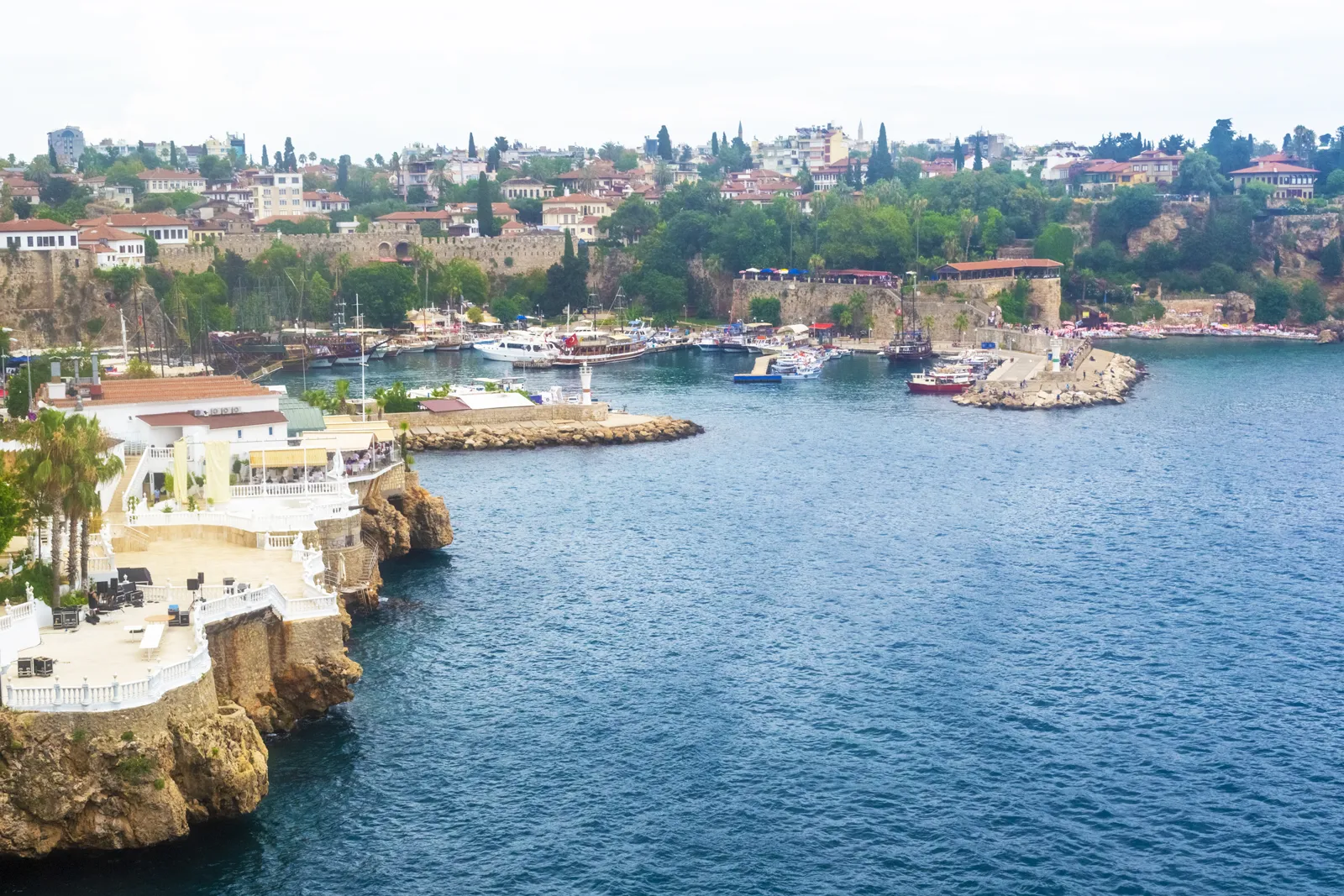
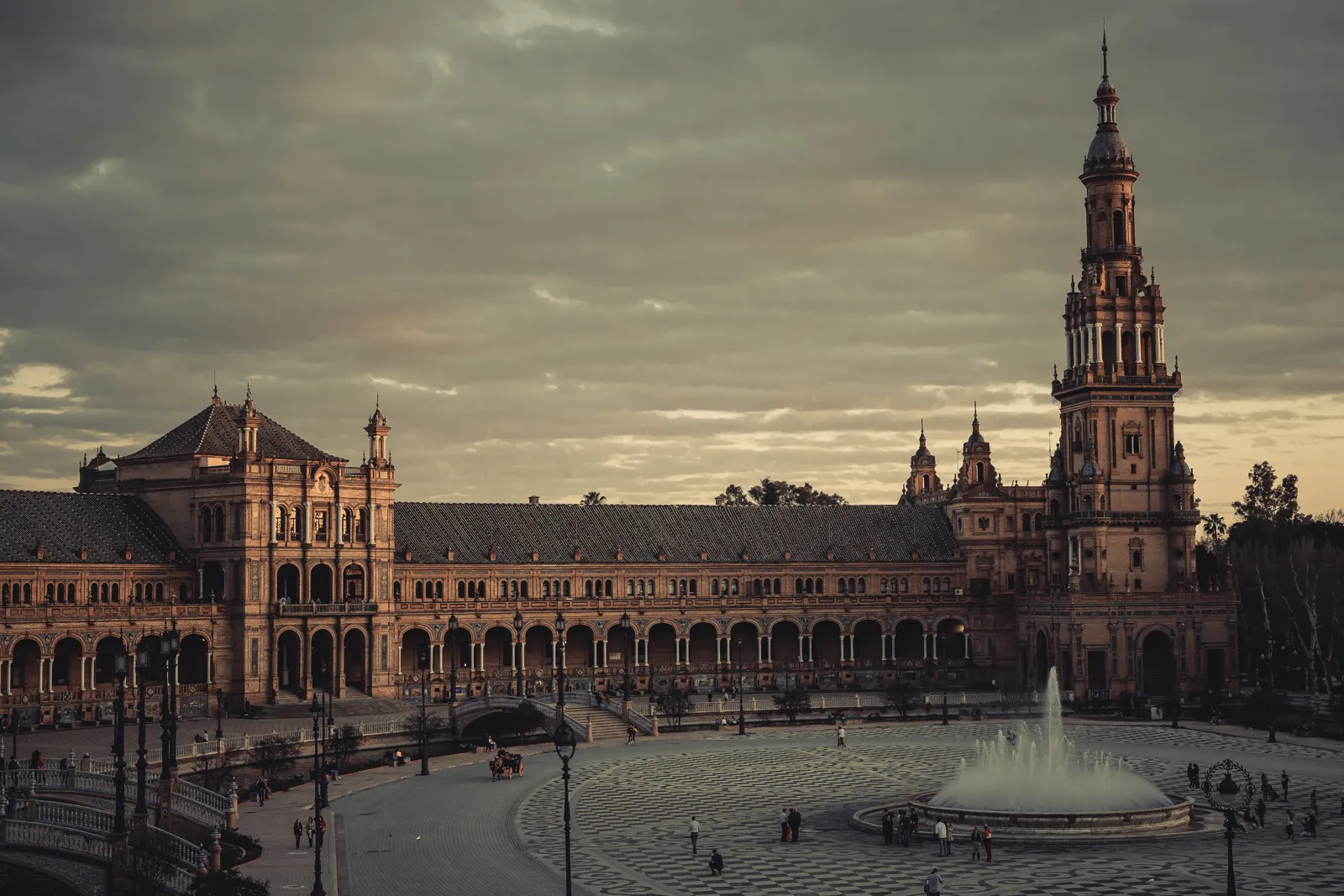
Looking for things to do in Valencia, Spain? The country’s third-largest city combines an old town full of Gothic monuments (the cathedral, the Silk Exchange, the Serranos towers), a former riverbed turned into a park about 9 km (6 mi) long, the futuristic architecture of the City of Arts and Sciences, long urban beaches and the Albufera lagoon, birthplace of paella. This guide covers the highlights, suggested itineraries, the best time to go, the budget and the best areas to stay.

Our travel deals for Valencia
Affiliate links: we earn a commission, at no extra cost to you.
 FlightsKiwi.comCompare flights and airline combinations to Valencia.Compare flights
- Airport transferKiwitaxiPrivate driver booked in advance at a fixed price.Book a transfer


Valencia at a glance
- Region Valencian Community, on Spain’s Mediterranean coast
- Languages Spanish (Castilian) and Valencian, both official
- Currency euro (€) · currencies
- Time zone UTC+1 (UTC+2 in summer), one hour ahead of London · detailsLocal time now: –:–
- Airports Valencia (VLC), linked to the centre by metroFrom outside Europe, most travellers connect via Madrid, Barcelona or another European hub
- Entry Schengen area: US and UK citizens need no visa for short tourist stays (up to 90 days in any 180-day period for UK citizens); passport valid at least 3 months beyond your stay · US: travel.state.gov · UK: GOV.UK
- Ideal length 3 days, 4 to 5 with the Albufera and a day trip
- Best time April-June and September-October; the Fallas in mid-March
- Budget see our budget section
Things to do in Valencia: the highlights
The City of Arts and Sciences
Designed largely by the Valencian architect Santiago Calatrava, this white complex set in the former bed of the Turia is the city’s best-known image. It brings together the Hemisfèric (cinema and planetarium), the Príncipe Felipe science museum, the Reina Sofía Palace of the Arts (opera), the Umbracle (a garden walkway) and the Oceanogràfic, one of the largest aquariums in Europe. The buildings can be admired from outside for free; only the interiors charge admission. Allow half a day with the Oceanogràfic, more if you add the museum.
The old town (Ciutat Vella) and the cathedral
The historic centre is easy to explore on foot. The cathedral mixes Romanesque, Gothic and Baroque styles; one of its chapels holds a chalice presented as the Holy Grail. You can climb the roughly 200 steps of the Miguelete, its octagonal bell tower, for the view over the rooftops. On Plaza de la Virgen, beneath the Apostles’ Door, the Water Tribunal meets every Thursday at noon: for centuries this institution has settled irrigation disputes in the surrounding farmland (the huerta).
The Silk Exchange and the Central Market
The Lonja de la Seda, a 15th-century silk exchange, is a UNESCO World Heritage Site: its hall of twisted columns is one of the masterpieces of civil Gothic architecture. Right opposite, the Central Market, a large early 20th-century hall of iron, glass and ceramics, has several hundred stalls. Go in the morning, when it is at its liveliest.
The Serranos and Quart towers, Barrio del Carmen
These two monumental gates are what remains of the medieval walls. The Serranos towers, on the edge of the Turia gardens, can be visited up to their terrace. Between the two lies the Barrio del Carmen, a neighbourhood of lanes, street art and bars that comes alive at night.
San Nicolás church and the ceramics museum
The church of San Nicolás, nicknamed the « Valencian Sistine Chapel », hides a vault entirely covered with Baroque frescoes behind a discreet façade. Nearby, the Palace of the Marqués de Dos Aguas, with its carved alabaster façade, houses the national ceramics museum. Art lovers can add the Museum of Fine Arts (Goya, Sorolla, Velázquez), on the edge of the Turia, and the recent Hortensia Herrero art centre, set in a palace in the centre.
The Turia gardens
After a deadly flood in 1957, the river was diverted away from the city. Its old bed became a linear park about 9 km (6 mi) long, crossed by old bridges, linking Cabecera Park and the Bioparc to the City of Arts and Sciences. On foot or by bike, it is the best way to cross Valencia. Gulliver, a giant sculpture-slide, delights children. Further south on the same coast, our guide to visiting Alicante covers Santa Bárbara castle and the beaches.
The beaches, Cabanyal and the Marina
Valencia has several kilometres of sandy urban beaches, including Malvarrosa and Las Arenas, linked to the centre by tram and bus. Just behind them, Cabanyal, a former fishing district with houses faced in colourful tiles, is the ideal place to try paella. The Marina, a redeveloped harbour, is good for a sunset walk.
Albufera Natural Park
About 15 km (9 mi) to the south, this large freshwater lagoon surrounded by rice fields is where Valencian paella comes from. In the village of El Palmar, small boats offer trips on the lagoon, especially at sunset, and restaurants serve paella with chicken and rabbit or arròs negre. The wild beaches of El Saler, backed by a pine forest, are on the way. The Albufera can be reached by bus from the centre.
Day trips from Valencia
- Sagunto: a Roman theatre and a castle overlooking the town, about 30 minutes away by commuter train.
- Xàtiva: a small historic town with a hilltop castle, by regional train.
- Inland gorges and villages: Chulilla, its cliffs and the hanging bridges trail, by car.
- Further afield: Madrid is under 2 hours away by high-speed train, and Barcelona about 3 hours. Ferries link Valencia to the Balearic Islands.
Itinerary: how many days in Valencia?
Valencia in 3 days
- Day 1: Central Market in the morning, Silk Exchange, San Nicolás, the cathedral and the Miguelete, Plaza de la Virgen, evening in the Barrio del Carmen
- Day 2: Serranos towers, the Turia gardens by bike to the City of Arts and Sciences and the Oceanogràfic
- Day 3: Cabanyal and Malvarrosa beach, paella for lunch, then the Albufera and a sunset boat trip at El Palmar
Valencia and around in 5 days
- Days 1 to 3: the itinerary above
- Day 4: museums (Fine Arts, ceramics, Hortensia Herrero centre), the Bioparc or the Marina
- Day 5: Sagunto or Xàtiva by train, or a swim at El Saler
Valencia combines well with Madrid or Barcelona on a rail trip, or with Andalusia further down the coast.
When to go to Valencia: best time and climate
The best time to visit Valencia is April to June and September to October. Afternoons reach 21 to 27 °C (70 to 81 °F), the sea warms up and the city is lively without the summer heat. July and August are hot (30 °C, or 86 °F) and muggy, but almost dry. Winter is mild, with 17 °C (63 °F) in the afternoon in January. Beware of autumn: September and October are the wettest months, with sometimes violent storms. The table uses AEMET’s official normals.
| Month | High | Low | Rain | Crowds | Prices | Verdict |
|---|---|---|---|---|---|---|
| January | 16.8 °C (62 °F) | 7.5 °C (46 °F) | 39 mm (1.5 in) | Low | Low | ⚠️ Mild by day, cool in the evening |
| February | 17.4 °C (63 °F) | 8.0 °C (46 °F) | 30 mm (1.2 in) | Low | Low | ⚠️ Quiet, good for sightseeing |
| March | 19.4 °C (67 °F) | 9.9 °C (50 °F) | 40 mm (1.6 in) | Very high (Fallas) | Very high | ✅ Fallas from 15 to 19 March, book early |
| April | 21.2 °C (70 °F) | 11.9 °C (53 °F) | 33 mm (1.3 in) | Medium (Easter) | Medium | ✅ Mild and bright |
| May | 24.0 °C (75 °F) | 15.1 °C (59 °F) | 36 mm (1.4 in) | Medium | Medium | ✅ One of the best months |
| June | 27.5 °C (82 °F) | 19.0 °C (66 °F) | 26 mm (1.0 in) | High | High | ✅ Start of the beach season |
| July | 29.9 °C (86 °F) | 21.9 °C (71 °F) | 7 mm (0.3 in) | High | High | ⚠️ Hot and humid, warm nights |
| August | 30.6 °C (87 °F) | 22.5 °C (73 °F) | 15 mm (0.6 in) | Very high | High | ⚠️ Hottest month, crowded beaches |
| September | 28.0 °C (82 °F) | 19.3 °C (67 °F) | 70 mm (2.8 in) | Medium | Medium | ✅ Warm sea, storms possible |
| October | 24.6 °C (76 °F) | 15.6 °C (60 °F) | 63 mm (2.5 in) | Medium | Medium | ✅ Pleasant, risk of heavy rain |
| November | 20.2 °C (68 °F) | 11.0 °C (52 °F) | 52 mm (2.0 in) | Low | Low | ⚠️ Mild, more changeable |
| December | 17.4 °C (63 °F) | 8.3 °C (47 °F) | 48 mm (1.9 in) | Low | Low | ⚠️ Mild, holiday season |
With more than 2,700 hours of sunshine a year according to the same source, Valencia is one of the sunniest large cities in Europe. It rains on only four or five days a month on average, but autumn rain can be very intense. The UK FCDO (GOV.UK, updated 12 August 2026) warns of flash floods in Spain and advises following warnings from AEMET, the Spanish Met Office: keep an eye on them if you travel in September-October.
Spring (March to May)
The ideal season for sightseeing: 19 to 24 °C (66 to 75 °F) in the afternoon, little rain and gardens in bloom. March is dominated by the Fallas: the city is in party mode, but hotels are full and very expensive, and some streets are closed. If you are not coming for the festival, choose April-May.
Summer (June to August)
Beach time. It hardly rains, but the heat is humid and nights stay around 22 °C (72 °F). Sightsee early in the morning, take a siesta and enjoy the evenings. August is the busiest month on the coast.
Autumn (September to November)
September and October keep a warm sea and afternoons of 25-28 °C (77-82 °F), with fewer people. This is also the time of the heaviest rain: have an indoor plan B. November is quieter and stays mild.
Winter (December to February)
Winter in Valencia is mild: 17 °C (63 °F) in the afternoon, rarely below 7 °C (45 °F) at night, and little rain. It is a good season for a quiet, inexpensive city break, but not for swimming.
When to go to Valencia by type of trip
| Trip | Best time |
|---|---|
| Sightseeing and walks | April-June, September-October |
| Beach and swimming | June to September |
| The Fallas | 15 to 19 March (peaking on the 19th) |
| Cycling in the Turia gardens | March-May, October-November |
| Tight budget | November to February (outside festivals) |
Major events in Valencia
| When | Event |
|---|---|
| Mid-March | The Fallas, on UNESCO’s Intangible Cultural Heritage list: giant figures, firecrackers (mascletà), a flower offering, then the cremà, when the figures are burned on the night of 19 March |
| Holy Week | Maritime Holy Week in the seafront districts |
| Late August | La Tomatina, a tomato fight in Buñol, about 40 km (25 mi) from Valencia (paid registration) |
| July | July Fair (Feria de Julio): concerts and events |
| 9 October | Valencian Community Day, a public holiday |
For other destination ideas at the same time of year, see where to go in March.
Valencia month by month
January: Mild (17 °C (63 °F) in the afternoon), quiet, low prices.
February: Dry and bright, one of the quietest months.
March: The Fallas: book months ahead or avoid mid-March.
April: 21 °C (70 °F), ideal for walking; crowds at Easter.
May: 24 °C (75 °F), little rain: one of the best months.
June: 27.5 °C (82 °F), the water warms up, the beach season begins.
July: Hot and almost dry (7 mm (0.3 in)), warm nights.
August: The hottest month (30.6 °C (87 °F)), crowded beaches.
September: Warm sea, but the wettest month (70 mm (2.8 in)).
October: Pleasant (24.6 °C (76 °F)); watch for rain warnings.
November: Mild (20 °C (68 °F)), quiet, prices falling.
December: 17 °C (63 °F), lights and festivities.
For the rest of the country, see the best time to visit Spain.
Budget for a trip to Valencia
Valencia is cheaper than Barcelona or Madrid, except during the Fallas. Indicative amounts per person per day, excluding travel to Valencia:
| Item | Budget | Comfort |
|---|---|---|
| Accommodation (shared double room) | roughly €35 to €55 | roughly €80 to €150 |
| Meals | roughly €20 to €30 | roughly €40 to €70 |
| Transport (metro, tram, bus, bike) | roughly €4 to €8 | roughly €8 to €15 |
| Sightseeing | roughly €10 to €20 | roughly €20 to €30 |
| Total per day | roughly €70 to €110 | roughly €150 to €260 |
To save money: have the set lunch menu (menú del día) that many restaurants offer on weekdays, admire the City of Arts and Sciences from outside and cross the city by bike through the Turia gardens.
Getting to Valencia and getting around
Valencia Airport (VLC) is about 10 km (6 mi) west of the centre. According to the official Visit Valencia tourism website (checked 26 October 2026), metro lines 3 and 5 serve the airport and the journey to the city takes about 20 minutes. Many European airlines fly to Valencia; from North America, most travellers connect via Madrid, Barcelona or another European hub. Spain’s high-speed trains also link Valencia to Madrid and Barcelona: check timetables for your dates with the operators.
- On foot: the old town can be explored entirely on foot.
- By bike: the city is flat and well equipped with cycle lanes, including those of the Turia gardens; bike rental and bike-share are available.
- Metro and tram (Metrovalencia): for the airport, the beach (tram) and the Marina.
- Bus (EMT): a dense network, useful for the City of Arts and Sciences and the Albufera.
- Car: unnecessary in the city; rent one only to explore inland.
Where to stay in Valencia
- Ciutat Vella (Carmen, Mercat, La Seu): right among the monuments, everything on foot; the Carmen is noisy at night.
- Ruzafa: a trendy district south of the old town, full of restaurants and bars, with good connections.
- L’Eixample and the area around Estació del Nord: handy for trains, good value for money.
- Cabanyal and Malvarrosa: to be close to the beach in summer; 20-30 minutes from the centre by tram.
- Near the City of Arts and Sciences: modern hotels, practical for families, but away from the centre.
During the Fallas, book several months ahead and expect noise day and night in the centre.
Entry requirements, health and safety
- US citizens: Spain is in the Schengen area. Your passport should be valid for at least 3 months beyond your period of stay, and you need sufficient proof of funds and a return ticket (U.S. Department of State, travel.state.gov, last updated August 11, 2025).
- UK citizens: no visa for up to 90 days in any 180-day period as a tourist. Your passport must have been issued less than 10 years before the day you arrive and be valid at least 3 months after the day you plan to leave the Schengen area. You may be asked for a return ticket, proof of travel insurance, sufficient funds and accommodation details. Under the EU Entry/Exit System (EES), fingerprints and a photo may be taken at your first entry (GOV.UK, updated 12 August 2026).
- Health: UK travellers need a GHIC or EHIC for medically necessary state healthcare, which does not replace travel insurance; whatever your nationality, take out insurance that covers medical costs. GOV.UK lists dengue and biting insects among health risks: protect yourself from mosquito bites in summer.
- Safety: the U.S. Department of State notes that pickpocketing and theft are very common at tourist spots, train stations and beach destinations; stay alert at the Central Market, in the old town and on the beaches. GOV.UK also warns of summer wildfires and flash floods.
- Emergencies: dial 112 (GOV.UK).
For cancellation, theft or repatriation cover, see our travel insurance guide.
Practical tips for Valencia
- Meal times: lunch is around 2 pm and dinner rarely before 9 pm.
- Paella: authentic Valencian paella is made with chicken, rabbit and green beans and is traditionally eaten at lunchtime. Also try horchata, a drink made from tiger nuts, with fartons.
- Central Market: go in the morning.
- Money: cards are accepted almost everywhere; GOV.UK notes you may be asked for photo ID when paying by card.
- Mobile data: check your home carrier’s roaming charges before you go.
Frequently asked questions
How many days do you need in Valencia?
Three days let you see the old town, the City of Arts and Sciences, the Turia gardens, the beach and the Albufera. Allow four to five days to add the museums and a day trip.
What is the best time to visit Valencia?
April-June and September-October: 21 to 28 °C (70 to 82 °F) in the afternoon according to AEMET normals. Summer is hot and autumn can bring heavy rain.
When are the Fallas in Valencia?
The Fallas peak from 15 to 19 March, ending with the cremà, when the figures are burned on the night of 19 March. Hotels are very expensive then: book well in advance.
Can you swim in Valencia?
Yes, the city has several kilometres of urban beaches, including Malvarrosa, reachable by tram. The season runs mainly from June to September.
How do you get from Valencia Airport to the city centre?
Metro lines 3 and 5 link the airport to the city in about 20 minutes, according to the official Visit Valencia website.
Our sources
- Climate normals: 1991-2020 climate normals for the Valencia station, published by the Spanish State Meteorological Agency (AEMET, AEMET OpenData), via Wikipedia (article « Valencia »)
- Entry requirements, health and safety checked on 26 October 2026: U.S. Department of State, Spain country information (last updated August 11, 2025) and UK FCDO, GOV.UK foreign travel advice for Spain (updated 12 August 2026)
- Visit Valencia, official tourism website: arriving by plane, checked 26 October 2026
- Our methodology
Updated October 2026.
To continue your trip, see our Spain travel guide.