Island travel: everything you need to know
Planning an island trip? Whether for a holiday or a getaway, there are a few things to know before you leave. In this section we give you the information you need for a smooth trip: entry requirements, the best times to go, choosing your islands and more. So settle in and find out what to know before travelling to the islands.
Sorry, no posts were found.
Entry requirements for island travel
If you plan to travel to the islands, it is important to know the entry requirements so you avoid delays or problems on your trip. Here are the points to consider:
Identity documents
First, make sure you have the identity documents you need. Most destinations require a passport, and many set a minimum validity after your return date. Rules differ for each country, so check the destination’s entry requirements in the UK government’s foreign travel advice on GOV.UK or, for US citizens, on the country page of travel.state.gov, before you book.
Visas
Also check whether you need a visa or an electronic travel authorisation to enter the country or region you want to visit. Some countries require a tourist visa, while others do not for a short stay. Rules for US and UK citizens can differ, so read both governments’ advice.
Vaccines and health insurance
You may need to be vaccinated against certain diseases before travelling to some tropical or exotic islands. It is also strongly recommended to have travel health insurance that covers medical costs and, if possible, repatriation in case of accident or illness during your stay.
Customs formalities
Finally, find out about the customs rules of the country or region you are visiting. Some islands restrict the import and export of certain products such as food and alcoholic drinks.
By following these simple but important tips on entry requirements, your island trip will be more pleasant and stress-free.
The best times to visit the islands
Islands are dream destinations for beach and scenery lovers. However, it is important to choose the right time to travel so you make the most of the attractions and avoid problems linked to the weather.
Here are the best times to visit the islands:
Winter
Winter is an ideal season for some tropical islands such as Reunion Island or Mauritius. These destinations generally offer a warm, dry climate during the Southern Hemisphere winter, suited to water activities such as surfing and diving. A trip to Mauritius can be organised in this season.
Spring
Spring is also an interesting season to discover islands such as Bali or Phuket in Thailand. Temperatures are pleasant with generally little rain, so you can explore the sights without excessive heat. See our Phuket guide and its « when to go » page to check the monsoon before you book.
Summer
Summer is without doubt high season on many islands around the world, such as Santorini in Greece or Hawaii in the United States. These destinations attract many visitors thanks to their beautiful beaches and varied activities such as kayaking and paddle boarding. Note, however, that prices can be higher in this period.
Autumn
Late autumn can be a perfect season for some regions, such as the Japanese archipelago of Okinawa, with mild temperatures and a calm sea.
In reality each season has its advantages and drawbacks, so it is important to choose the period according to the activities you want to do and the budget you have set for your trip.

How to choose accommodation on an island
Islands are popular travel destinations for their natural beauty, beaches and relaxed atmosphere. If you are planning an island trip, one of the most important choices is where to stay. Here are some points to consider:
Location
The choice of location depends on the type of holiday you want. If you are looking for peace and solitude, find a secluded spot away from busy tourist areas. If instead you want to be close to the main attractions and enjoy lively nightlife, a town or village is recommended.
Budget
Budget is also an important factor. Prices can vary considerably depending on the type of accommodation you choose: high-end hotels, private villas or budget hostels.
Type of accommodation
Several types of accommodation are available on the islands: hotels, all-inclusive resorts, private villas and local guesthouses. The choice depends mainly on your budget and your specific needs for comfort and amenities.
Activities on offer
Lastly, it can be worth checking whether the property offers activities such as diving or surfing, to make sure your holiday is as entertaining as it is unforgettable.
In reality, the choice of accommodation depends on your personal preferences and needs. Keeping these points in mind, you will be able to find the ideal place to stay for your island trip.
Activities not to miss on an island trip
If you are planning an island trip, there are certain activities you should not miss. Islands offer a variety of unique and memorable experiences for every type of traveller. Here are some of the activities not to miss on your next island trip:
Discover the local wildlife and plants
Islands are often known for their unique biodiversity. Go for a hike along nature trails or book a boat trip to watch marine life such as dolphins, turtles and even sharks. If you are lucky, you may also spot rare species such as the Komodo dragon or the famous bird of paradise.
Enjoy the beaches
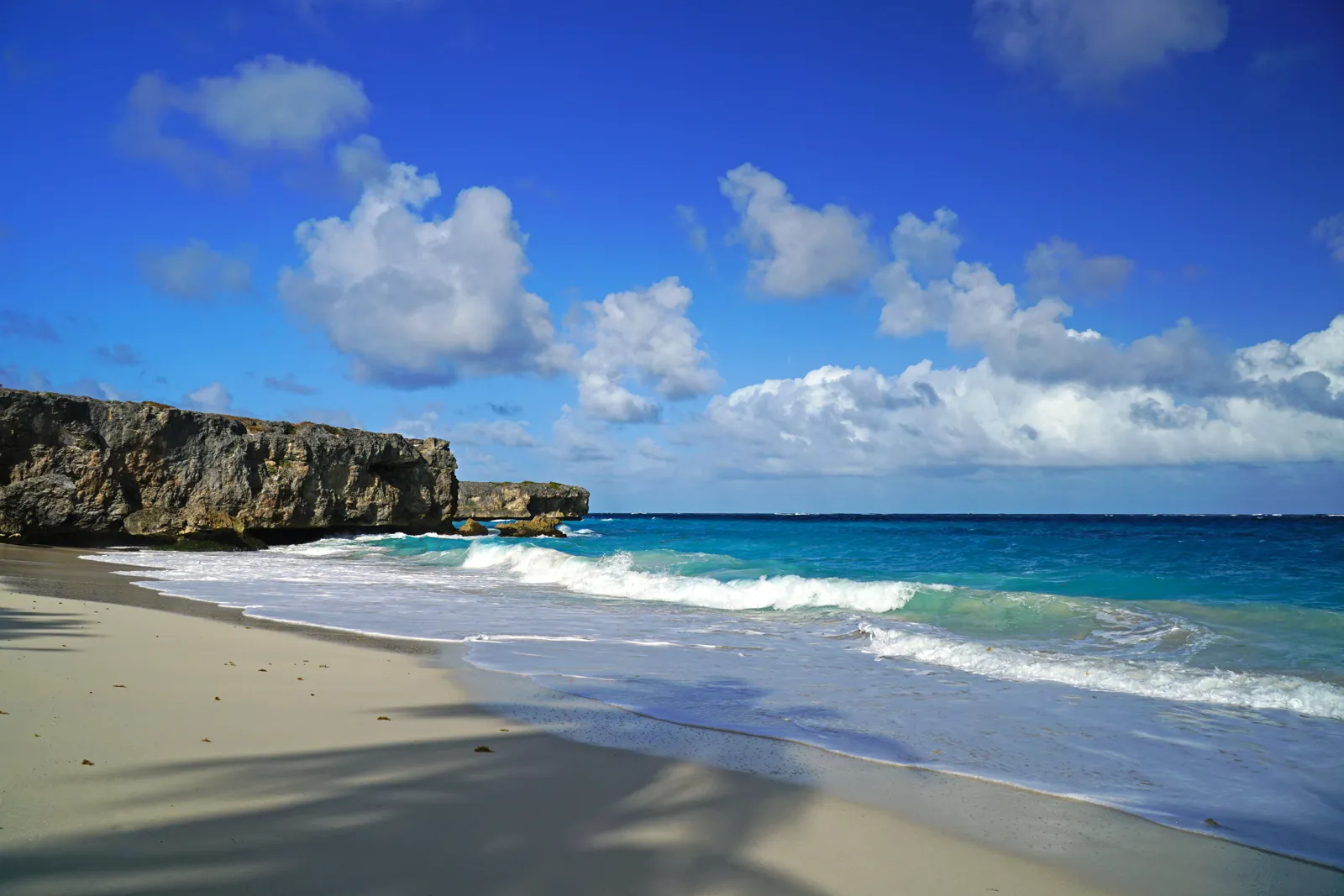
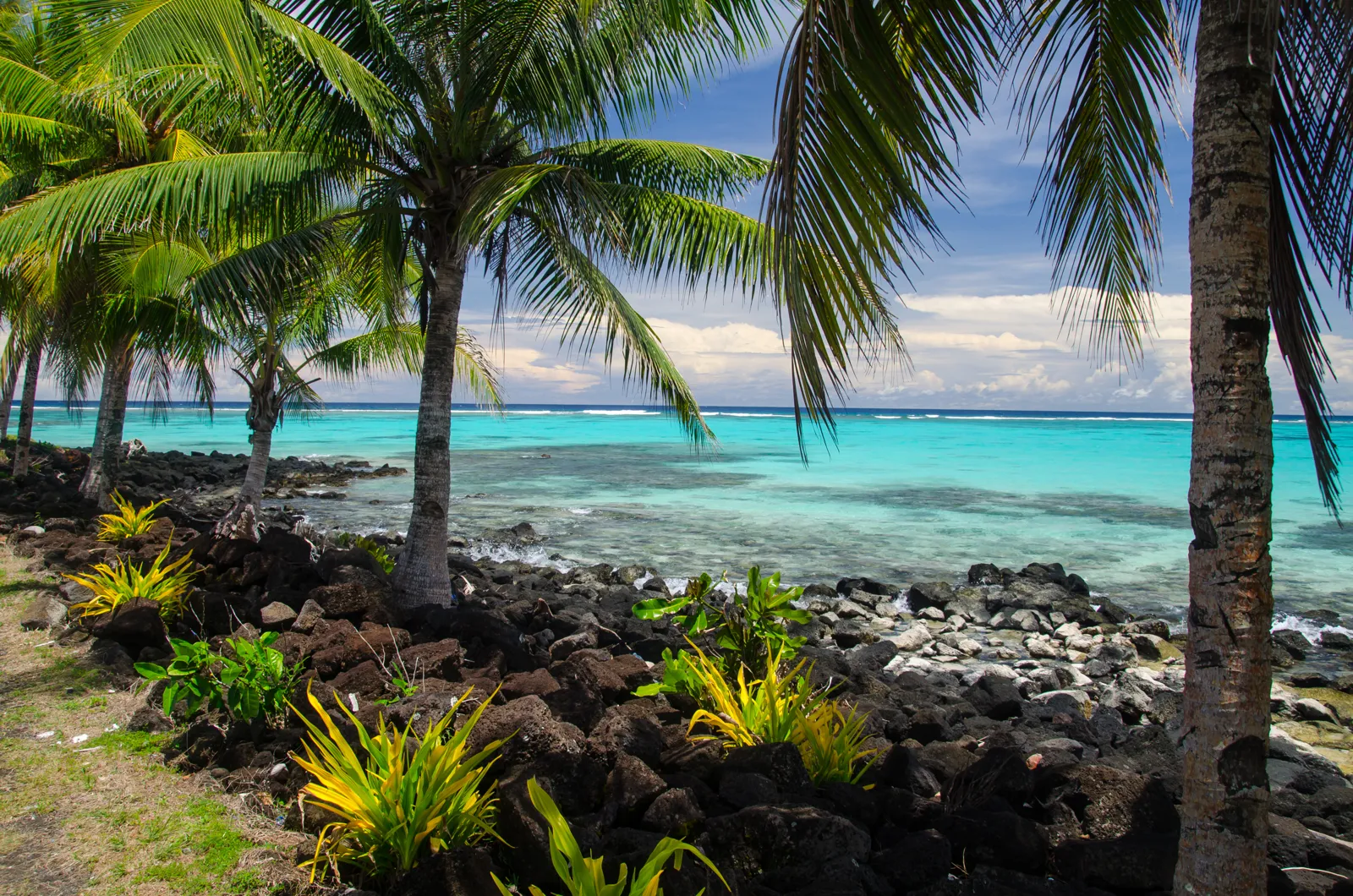
Beaches are one of the main attractions of an island trip. With their crystal-clear water and white sand, they offer an ideal setting to relax in the tropical sun. Some beaches also have abundant marine life that can be explored by scuba diving or snorkelling.
Taste local culinary specialities
Every island has its own traditional cuisine worth discovering. Try fresh tropical fruit such as papaya, pineapple or dragon fruit. Do not miss freshly caught seafood and other local specialities such as fish curry or goat stew.
Take part in water sports
Islands are a paradise for water-sports lovers. Try diving, surfing, kitesurfing or sailing to make the most of the crystal-clear water and perfect waves. Islands also offer deep-sea fishing spots for sport-fishing enthusiasts.
In truth, an island trip offers a wealth of exciting and memorable activities that will delight every type of traveller. Do not hesitate to explore the local wildlife and plants, enjoy the idyllic beaches, taste the local specialities and take part in unforgettable water sports.

What transport is available on an island?
Islands are popular travel destinations for beach lovers, water sports and outdoor adventure. Getting around an island can be a challenge, however, because transport options may be limited. Here is an overview of the transport available on an island:
Boat
The boat is the most obvious way to get around an island, especially one surrounded by water. Ferries are often used to carry passengers and vehicles between the island’s main ports and the mainland. Water taxis can also be used to reach more remote places that are not accessible by land.
Car
If the island has a well-developed road network, renting a car can be a practical choice for exploring all the sights without relying on public transport timetables.
Scooter or motorbike
For those who prefer something smaller than a car, a scooter or motorbike can offer a unique experience by giving travellers access to narrow, winding roads that would not be practicable with a larger vehicle. Check the local licence and insurance rules before you rent.
Bicycle
The bicycle is also popular on some islands with little or no car traffic. It is also an excellent way to get exercise while enjoying the scenery.
Local public transport
In island regions less developed in terms of road infrastructure, there is often local public transport such as buses and shared taxis. Although these options may not be as comfortable or convenient as renting a car, they can be economical and let travellers meet local people.
In conclusion, although transport options on an island can be limited compared with the mainland, there are still several choices for getting around efficiently while enjoying the scenery.
How to pack for an island stay
Islands are a top choice for summer holidays. With fine sandy beaches, crystal-clear water and bright sun, they offer an idyllic setting to recharge. However, before setting off on an island adventure, it is important to pack well to avoid forgetting anything or running into logistical problems.
Here are some practical tips for packing for an island stay:
1. Choose light clothing
Temperatures are often high on the islands. It is therefore recommended to take light, comfortable clothes such as shorts, cotton T-shirts or light dresses. Loose clothing will also be appreciated for its ventilation.
2. Do not forget sun protection
The sun is very present on the islands, so it is essential to protect yourself with a high-SPF sunscreen and a hat or cap. Sunglasses are also useful to protect your eyes.
3. Pack swimwear
The beach will certainly be one of the main attractions of an island stay. It is therefore advisable to take several swimsuits so you can change regularly and avoid the risk of skin infections.
4. Bring a waterproof bag
To make the most of water activities such as scuba diving or kayaking, it is recommended to bring a waterproof bag to store water-sensitive items such as mobile phones or cameras.
5. Choose comfortable shoes
Islands often mean hikes, walks and excursions. It is therefore advisable to take comfortable shoes suited to walking to avoid any risk of injury or fatigue.
By following these practical tips, you will be ready to enjoy your island stay with peace of mind.