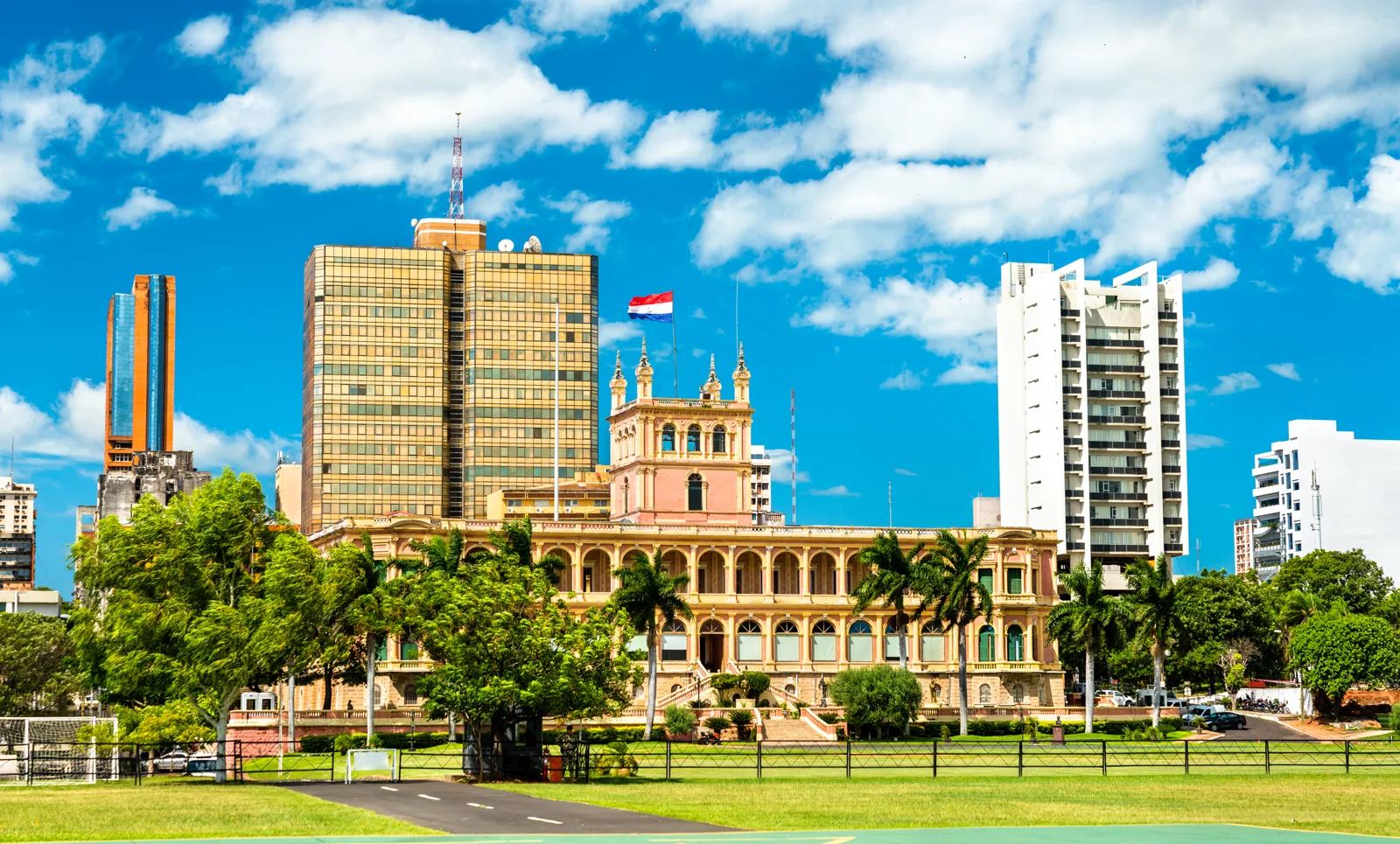
Puebla, east of Mexico City, is a colonial city founded in 1531 whose historic center is a UNESCO World Heritage Site. What are the best things to do in Puebla? See the Rosary Chapel and the Palafoxiana Library, taste mole poblano, admire Talavera ceramics, then climb the great pyramid of Cholula. This guide complements our Mexico travel guide with the sights, the safety advice published by the UK and US governments, climate data from the official normals and a few notes on Nahuatl, the language of the Aztecs, still spoken in the state.

Our travel deals for Puebla
Affiliate links: we earn a commission, at no extra cost to you.
 Learn the languageTargumiLearn a few words of Nahuatl before you go — 30% off via our link.See the course
- FlightsKiwi.comCompare flights and airline combinations to Puebla.Compare flights
- eSIMAiraloData plan to install before you leave (eSIM-compatible phone).See plans



⚠️ Safety advice for Puebla and the roads around it
Puebla is not among the areas where the UK Foreign, Commonwealth and Development Office (FCDO) advises against all but essential travel (GOV.UK, Mexico page updated 20 October 2026). The U.S. Department of State rates Mexico as Level 2, « Exercise Increased Caution » (travel advisory updated May 28, 2026).
Both governments stress road safety. The State Department advises driving between cities only during the day and using toll roads marked with a D (« cuota ») rather than free (« libre ») roads, which are patrolled more often by police. The FCDO warns of unofficial roadblocks run by local groups in remote areas and advises using authorized « sitio » taxis rather than unlicensed ones.
Check the FCDO warnings page and the State Department advisory before any road trip, especially toward neighboring states.
Puebla at a glance
- Location capital of the state of Puebla, in central Mexico, at 2,122 m (6,962 ft) above sea level (the city’s weather station)
- Languages Spanish; Mexico’s General Law on the Linguistic Rights of Indigenous Peoples recognizes Spanish and the indigenous languages, including Nahuatl, as « national languages » (article 4). To learn a few words before you go, try Targumi’s online Nahuatl lessons with native teachers (30% off via our link).
- Currency Mexican peso (MXN) · currency converter
- Time zone Central time (UTC−6) all year, with no daylight saving time: London is 6 hours ahead in winter and 7 in summer, New York 1 hour ahead in winter and 2 in summer · time difference in Mexico
- Airports Hermanos Serdán International Airport (Huejotzingo); most travelers arrive in Mexico City and take a bus to Puebla
- Entry no visa for tourist stays for US and UK citizens, passport valid for the whole stay (travel.state.gov, GOV.UK)
- Best time to go November to April, the dry season (details below)
- Suggested stay two days for Puebla, half a day more for Cholula
Things to do in Puebla: the highlights
The historic center and the zócalo
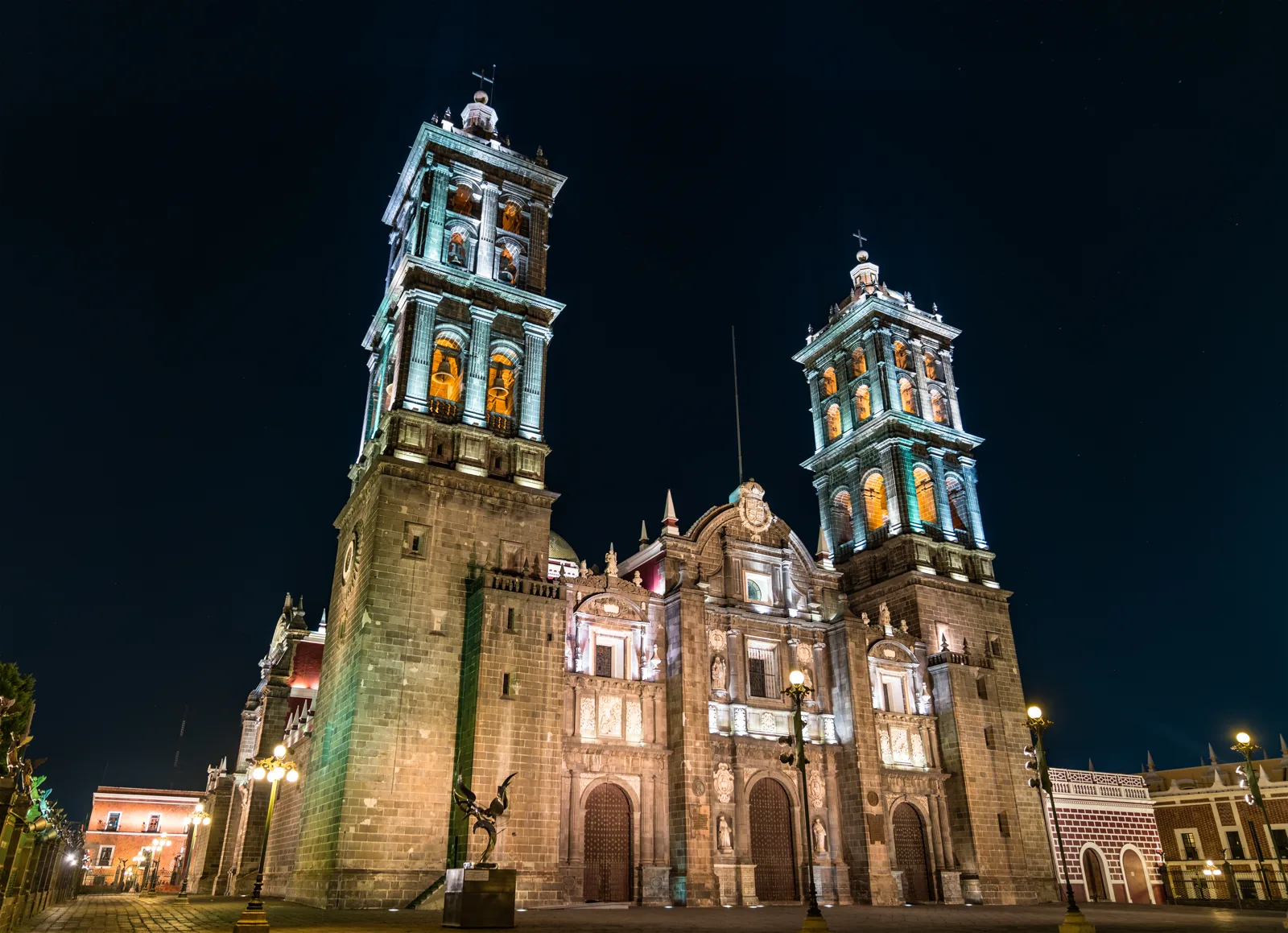
Puebla’s historic center has been a UNESCO World Heritage Site since 1987. Its grid layout, churches and tile-covered façades are best explored on foot from the zócalo, the main square lined with arcades. The cathedral, whose two towers dominate the square, is one of the largest in the country; its interior is rich in altarpieces and organs.
The Rosary Chapel (Santo Domingo church)
In Santo Domingo church, a few blocks from the zócalo, the Rosary Chapel is entirely covered in gilded stucco, sculpture and paintings. It is one of the most spectacular Baroque ensembles in Mexico and the most frequently cited sight in the city. Services still take place there, so keep a low profile.
The Palafoxiana Library
Founded in 1646 by Bishop Juan de Palafox y Mendoza, the Palafoxiana is considered the first public library in the Americas. Its vaulted hall with wooden shelving holds thousands of old books, and it is listed in UNESCO’s Memory of the World Register. It is open to visitors in the former San Juan college, next to the cathedral.
Talavera, El Parián and the artists’ quarter
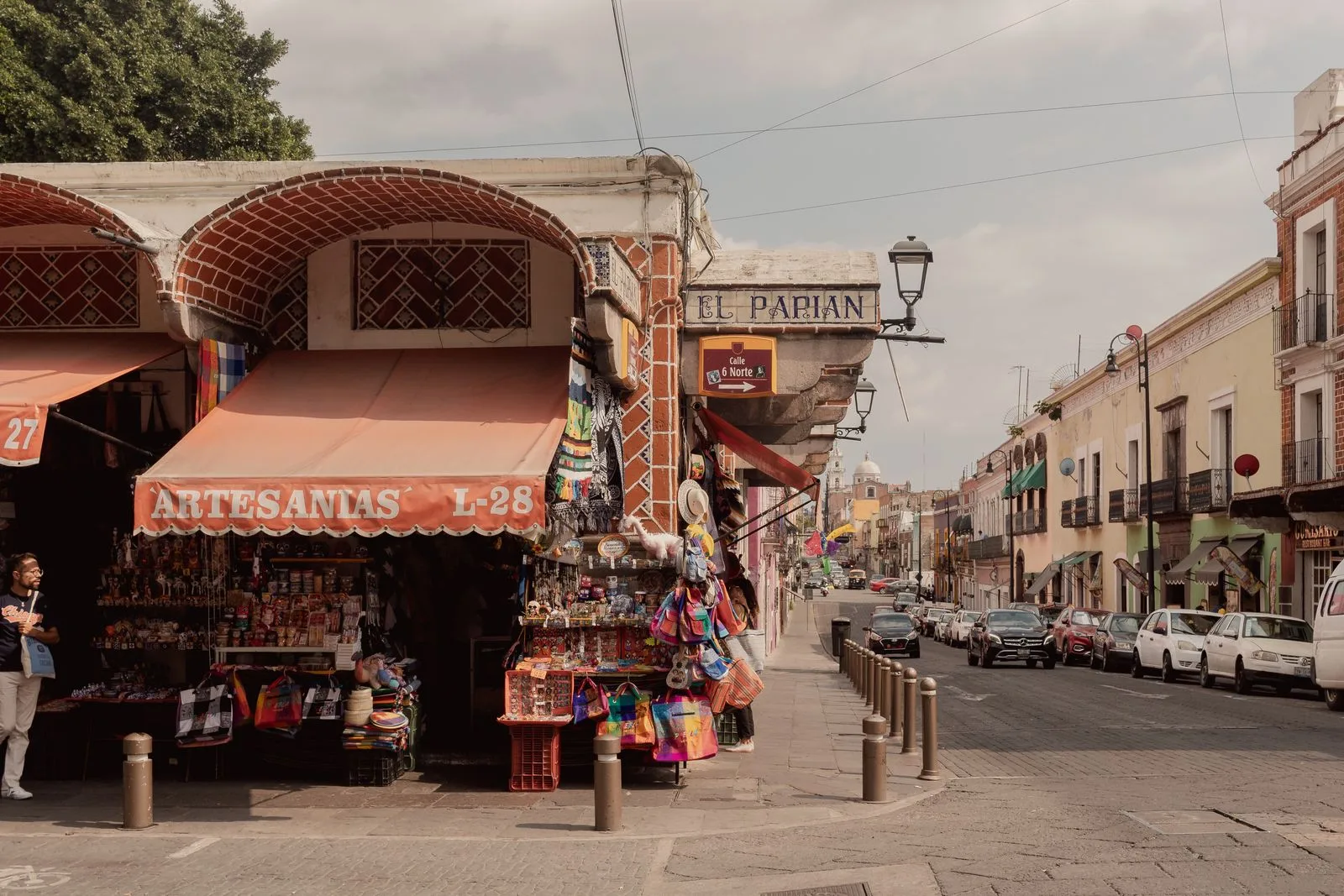
Hand-painted blue-and-white Talavera pottery covers Puebla’s façades, domes and kitchens. The craft knowledge of Talavera from Puebla and Tlaxcala has been on UNESCO’s Intangible Cultural Heritage list since 2019, together with that of two Spanish towns. To buy some, choose a workshop that displays the designation of origin. The El Parián handicraft market and the small artists’ quarter nearby can be covered in an hour.
The Amparo Museum
Housed in two colonial buildings in the center, the Amparo Museum has a rich collection of pre-Hispanic, colonial and contemporary art. Its terrace looks out over the domes of the center and, on a clear day, the volcanoes.
The forts of Loreto and Guadalupe
On a hill northeast of the center, these two forts recall the Battle of Puebla on May 5, 1862, when the Mexican army repelled the troops of the French Second Empire. The Cinco de Mayo festival, celebrated above all in Puebla and in the United States, commemorates this victory. The site houses a museum on the French intervention.
Cholula and its great pyramid
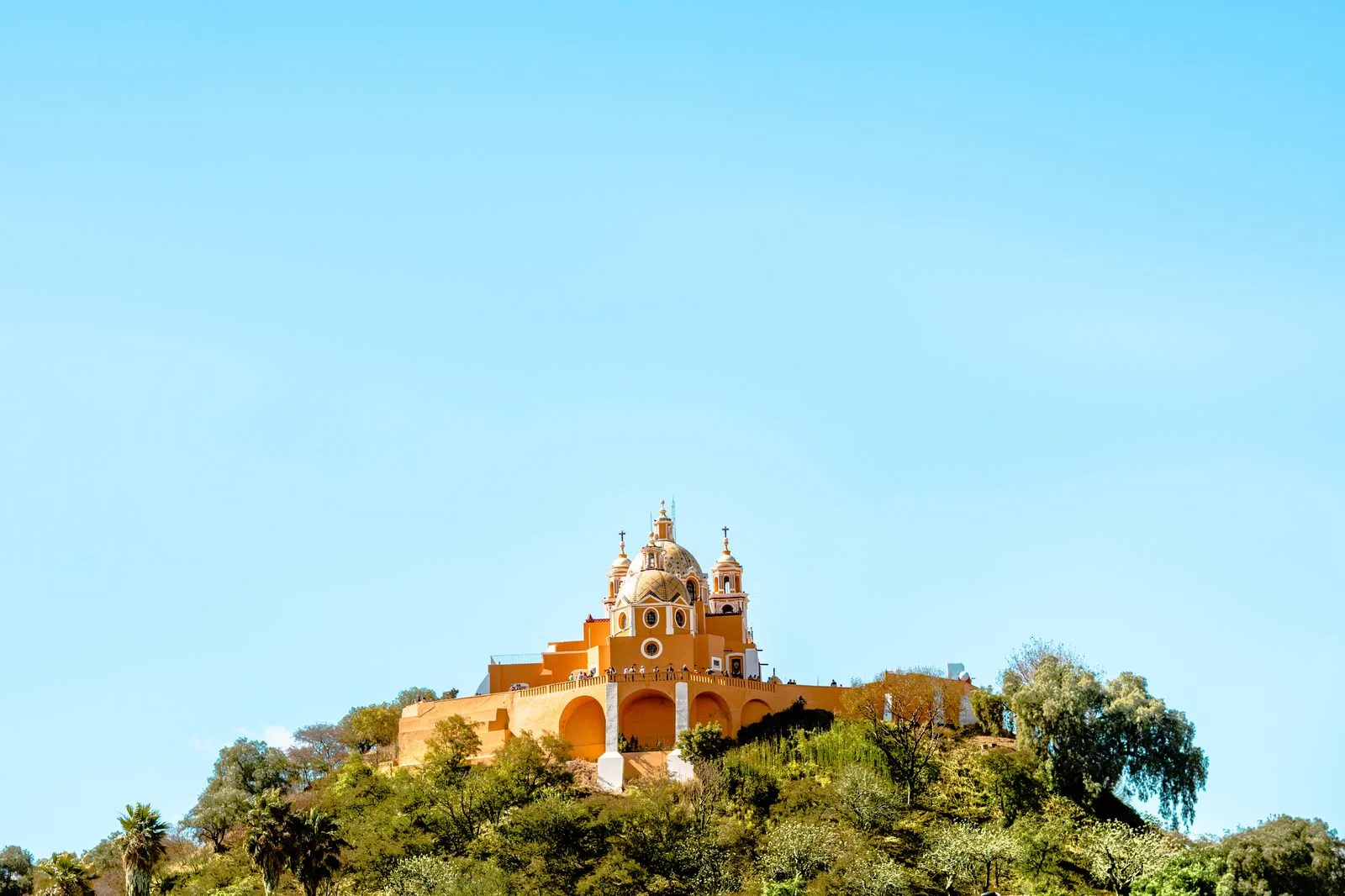
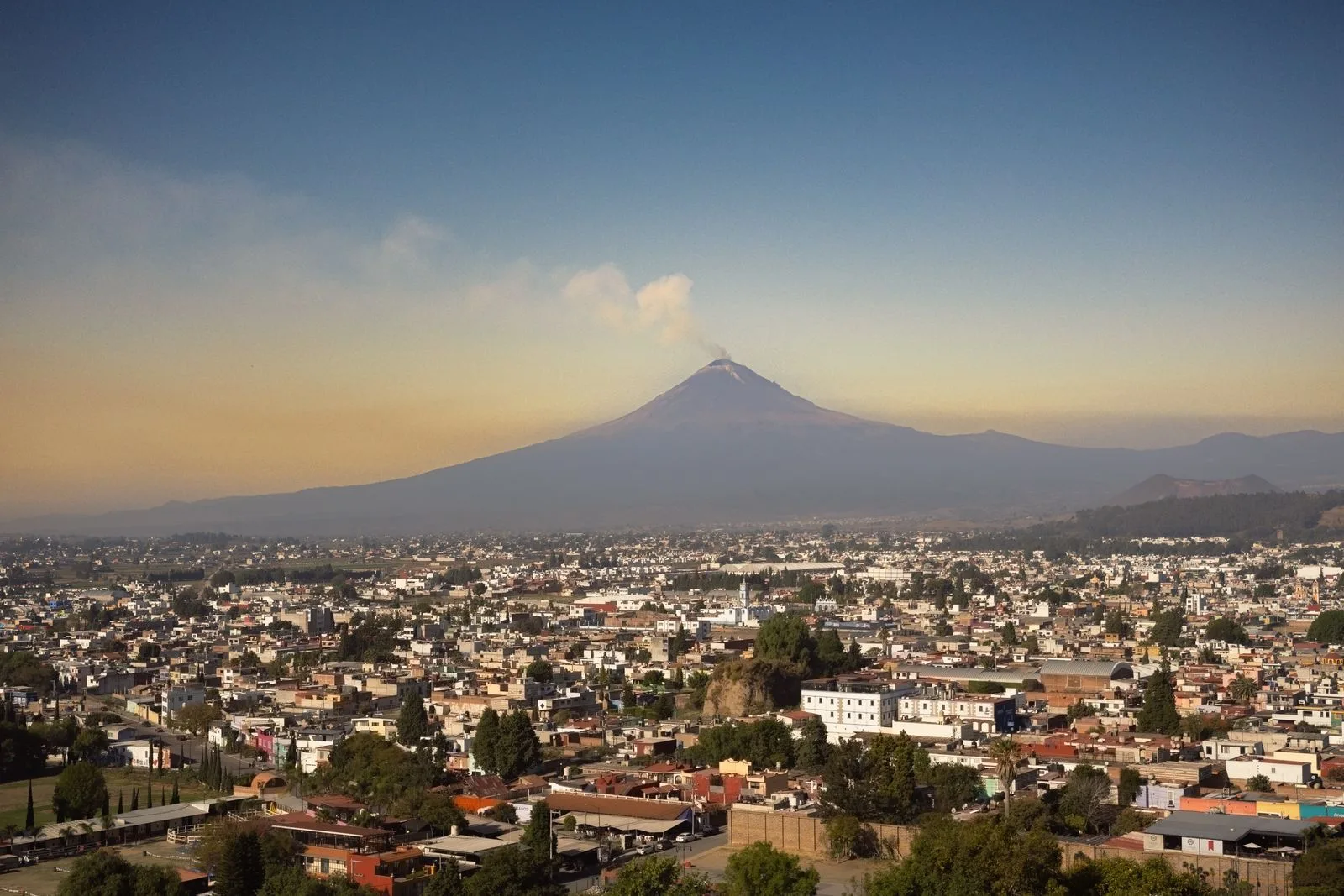
West of Puebla, Cholula is one of the oldest inhabited cities in Mexico. Its great pyramid, Tlachihualtepetl in Nahuatl, is often described as the largest in the world by volume of its base; today it looks like a hill crowned by the church of Our Lady of Remedies, built by the Spaniards. Excavation tunnels and an archaeological zone can be visited at the foot of the church. On a clear day, the view of Popocatépetl is famous.
The volcanoes: best admired from a distance
Popocatépetl (« the smoking mountain » in Nahuatl) and Iztaccíhuatl (« the white woman ») close off the horizon west of Puebla. According to the UK FCDO (GOV.UK, updated 20 October 2026), Popocatépetl is active and closed to the public, with a 7-mile (12 km) exclusion zone around it and an alert level of level 2 of the amber tier at the time of reading; the danger zones change with the volcano’s activity. Ash fall has previously disrupted air travel and caused flight cancellations at Mexico City’s Benito Juárez International Airport, so check your flight status with your airline before heading to the airport. Falling ash and toxic fumes can affect your health, especially if you have a respiratory condition. The U.S. Department of State advises checking CENAPRED, Mexico’s National Disaster Prevention Center, for the latest volcanic warnings before climbing near Popocatépetl.
Nahuatl in Puebla: the language of the Aztecs is still alive
Nahuatl was the language of the Aztec empire and one of the great languages of pre-Columbian America. It is still spoken today, mainly in the villages of the sierras of the state of Puebla. According to INEGI (2020 census), the state of Puebla has 615,622 residents aged 3 and over who speak an indigenous language, or 9.9% of the population; Nahuatl is one of these languages, along with Totonac, Popoloca and Mazatec.
You already use it without knowing: chocolate, tomato, avocado and chili all come from Nahuatl. So do place names: Cholula, Popocatépetl, Iztaccíhuatl, Tlaxcala and Mexico itself, named after the Mexica. The city of Puebla was once known by the Nahuatl name Cuetlaxcoapan.
- Niltze: hello (a common form in several variants)
- Tlazohcamati: thank you
- Quen tinemi?: how are you?
Nahuatl has many regional variants: the phrases above may change from one village to the next.
What to eat in Puebla
Puebla is one of Mexico’s gastronomic capitals. Mole poblano, a dark sauce of chilies, spices and chocolate, accompanies turkey or chicken. Chiles en nogada, stuffed peppers covered in a walnut sauce and sprinkled with pomegranate, are eaten mostly in late summer. You will also find cemitas (sandwiches in a sesame-seed roll), chalupas and the sweets sold on the street of sweets (calle de los Dulces). Our guide to Mexican food describes these dishes.
Climate in Puebla: when to go
At more than 2,000 m (6,600 ft) above sea level, Puebla has a temperate climate: mild days all year and cool nights, even cold in winter. Rain is concentrated from May to October, in the form of afternoon thunderstorms. The best time to visit Puebla is from November to April, during the dry season.
| Month | Avg. max | Avg. min | Rain | Rainy days | Verdict |
|---|---|---|---|---|---|
| January | 23.0 °C (73 °F) | 5.3 °C (42 °F) | 9.8 mm (0.4 in) | 1.5 | ✅ Dry, cold nights |
| February | 24.9 °C (77 °F) | 6.8 °C (44 °F) | 7.5 mm (0.3 in) | 1.3 | ✅ Dry and sunny |
| March | 26.9 °C (80 °F) | 8.8 °C (48 °F) | 13.9 mm (0.5 in) | 3.0 | ✅ Dry, mild |
| April | 28.4 °C (83 °F) | 11.0 °C (52 °F) | 28.7 mm (1.1 in) | 6.2 | ✅ Warmest, still dry |
| May | 28.5 °C (83 °F) | 12.2 °C (54 °F) | 90.9 mm (3.6 in) | 12.7 | ⚠️ First thunderstorms |
| June | 26.5 °C (80 °F) | 12.8 °C (55 °F) | 202.1 mm (8.0 in) | 18.1 | ❌ Rainy season |
| July | 26.0 °C (79 °F) | 11.9 °C (53 °F) | 174.7 mm (6.9 in) | 16.0 | ⚠️ Frequent thunderstorms |
| August | 26.1 °C (79 °F) | 12.0 °C (54 °F) | 191.3 mm (7.5 in) | 17.9 | ⚠️ Frequent thunderstorms |
| September | 25.0 °C (77 °F) | 11.9 °C (53 °F) | 213.5 mm (8.4 in) | 19.2 | ❌ Wettest month |
| October | 25.2 °C (77 °F) | 10.3 °C (51 °F) | 82.4 mm (3.2 in) | 10.4 | ⚠️ Rains ending |
| November | 24.5 °C (76 °F) | 7.9 °C (46 °F) | 25.7 mm (1.0 in) | 3.1 | ✅ Dry, Day of the Dead |
| December | 23.5 °C (74 °F) | 5.9 °C (43 °F) | 4.2 mm (0.2 in) | 0.8 | ✅ Driest, cold nights |
Our calculations (from these normals): the four months from June to September receive 75% of the year’s rain. From November to April there are 15.9 rainy days on average over the six months. The gap between day and night is largest in February (18.1 °C (33 °F)): pack a warm jacket for winter evenings. To compare with Mexico City and the rest of the country, see our page on the best time to visit Mexico.
| 15th of the month (2027) | Sunrise | Sunset | Day length |
|---|---|---|---|
| January | 7:08 am | 6:15 pm | 11 h 07 min |
| February | 7:01 am | 6:32 pm | 11 h 32 min |
| March | 6:41 am | 6:42 pm | 12 h 01 min |
| April | 6:15 am | 6:50 pm | 12 h 35 min |
| May | 5:58 am | 7:00 pm | 13 h 02 min |
| June | 5:55 am | 7:11 pm | 13 h 16 min |
| July | 6:03 am | 7:13 pm | 13 h 10 min |
| August | 6:13 am | 7:00 pm | 12 h 46 min |
| September | 6:20 am | 6:35 pm | 12 h 15 min |
| October | 6:26 am | 6:09 pm | 11 h 43 min |
| November | 6:40 am | 5:54 pm | 11 h 14 min |
| December | 6:58 am | 5:57 pm | 11 h 00 min |
Getting to Puebla and getting around
- From Mexico City: you can reach Puebla by bus from Mexico City, with the main coach companies serving Puebla’s bus station. Our Mexico City guide also presents Puebla as a day trip. Travel by day: the U.S. Department of State advises driving or traveling between cities only during daylight hours (travel.state.gov).
- By air: Hermanos Serdán International Airport, in Huejotzingo, has domestic connections; international flights arrive in Mexico City.
- Toward Oaxaca or Veracruz: for Oaxaca, consider flying via Mexico City rather than taking long road journeys, and read the FCDO and State Department advice for the states you cross before any overland trip. The FCDO notes that protests have been blocking vehicle access to Oaxaca airport, so check your flight status (GOV.UK, updated 20 October 2026).
- In town: the center is explored on foot; for Cholula and the forts, use taxis, ride-hailing apps or city buses. The State Department advises relying on taxis from regulated taxi stands or app-based services rather than hailing taxis on the street.
- Keep your documents with you: Mexican authorities set the length of your stay on arrival and mark it in your passport (U.S. Department of State, travel.state.gov); carry your passport with its entry stamp or entry record.
Where to stay in Puebla
The historic center, around the zócalo and Santo Domingo church, is the most convenient: most sights are within walking distance and many hotels occupy colonial houses. Cholula, smaller, is a quiet alternative for a night or two.
Entry requirements, health and safety
- US citizens: according to the U.S. Department of State (travel.state.gov, Mexico page last updated August 11, 2025), you need a passport book to enter Mexico by air; a passport card is not accepted at airports. Mexican immigration officers decide on arrival how long you may stay, mark the date in your passport and issue a digital immigration form (FMMD), sometimes through a self-service e-gate that prints a receipt with a QR code.
- UK citizens: according to the FCDO (GOV.UK, updated 20 October 2026), tourists do not need a visa. Your passport must be valid for the length of your stay (the Mexican Embassy recommends at least 180 days, the longest tourist stay), and you will get a stamp showing the number of days you may stay. Keep the stamp or the printed e-gate ticket: you need it to leave the country.
- Safety: crime in Mexico can be violent (U.S. Department of State, Level 2, updated May 28, 2026). Do not drive between cities at night, and use authorized taxis or ride-hailing apps in the evening. Dial 911 for emergencies; not all operators speak English.
- Altitude: at 2,122 m (6,962 ft), you may be short of breath for the first few days; drink water and take it easy. The FCDO notes that altitude sickness is a risk in parts of Mexico (GOV.UK).
- Earthquakes and volcano: Mexico is an active earthquake zone, and Popocatépetl is active (U.S. Department of State; FCDO). Note your hotel’s instructions.
- Health: the FCDO advises drinking only boiled or bottled water and avoiding ice in drinks, and lists dengue, Zika and chikungunya among the health risks (GOV.UK).
- Internet: a local SIM card or an eSIM: see our page on eSIMs in Mexico.
- See our guide to entry requirements.
Frequently asked questions
What can you do in Puebla in two days?
On the first day, the zócalo, the cathedral, the Palafoxiana Library and the Rosary Chapel; on the second, the Amparo Museum, the forts of Loreto and Guadalupe, then Cholula and its great pyramid.
Is Puebla safe for tourists?
Puebla is not among the areas the UK FCDO advises against visiting (GOV.UK, updated 20 October 2026), but the U.S. Department of State rates Mexico as Level 2, « Exercise Increased Caution ». Avoid driving between cities at night and use authorized taxis or ride-hailing apps.
What is the best time to visit Puebla?
November to April, the dry season: 0.8 to 6.2 rainy days a month on average according to the SMN 1991–2020 normals. Nights are cool from December to February.
Is Nahuatl spoken in Puebla?
Yes, mainly in the villages of the sierras. According to INEGI, 615,622 residents of the state aged 3 and over spoke an indigenous language in 2020, including Nahuatl. In the city, Spanish dominates.
How do you get from Mexico City to Puebla?
By bus, with the main companies that link Mexico City’s bus stations to Puebla’s, preferably during the day.
Our sources
- Entry, health and safety information: U.S. Department of State, Mexico country information (travel.state.gov, last updated August 11, 2025) and Mexico travel advisory (updated May 28, 2026); UK FCDO, foreign travel advice for Mexico (GOV.UK, updated 20 October 2026)
- 1991–2020 climate normals for station 21035 Puebla (2,122 m), Servicio Meteorológico Nacional (SMN, CONAGUA), file issued on 6 November 2026 and read on 11 November 2026
- INEGI, Censo de Población y Vivienda 2020, main results for the state of Puebla
- Ley General de Derechos Lingüísticos de los Pueblos Indígenas, article 4; Ley de los Husos Horarios en los Estados Unidos Mexicanos (DOF, 28 October 2022)
- Destination de Voyage calculations: share of rain from June to September, rainy days in the dry season, day/night gap, sunrise and sunset (NOAA algorithm)
- Our methodology
Updated November 2026.
See also our Mexico guide, our map of Mexico and our other destinations in Latin America.