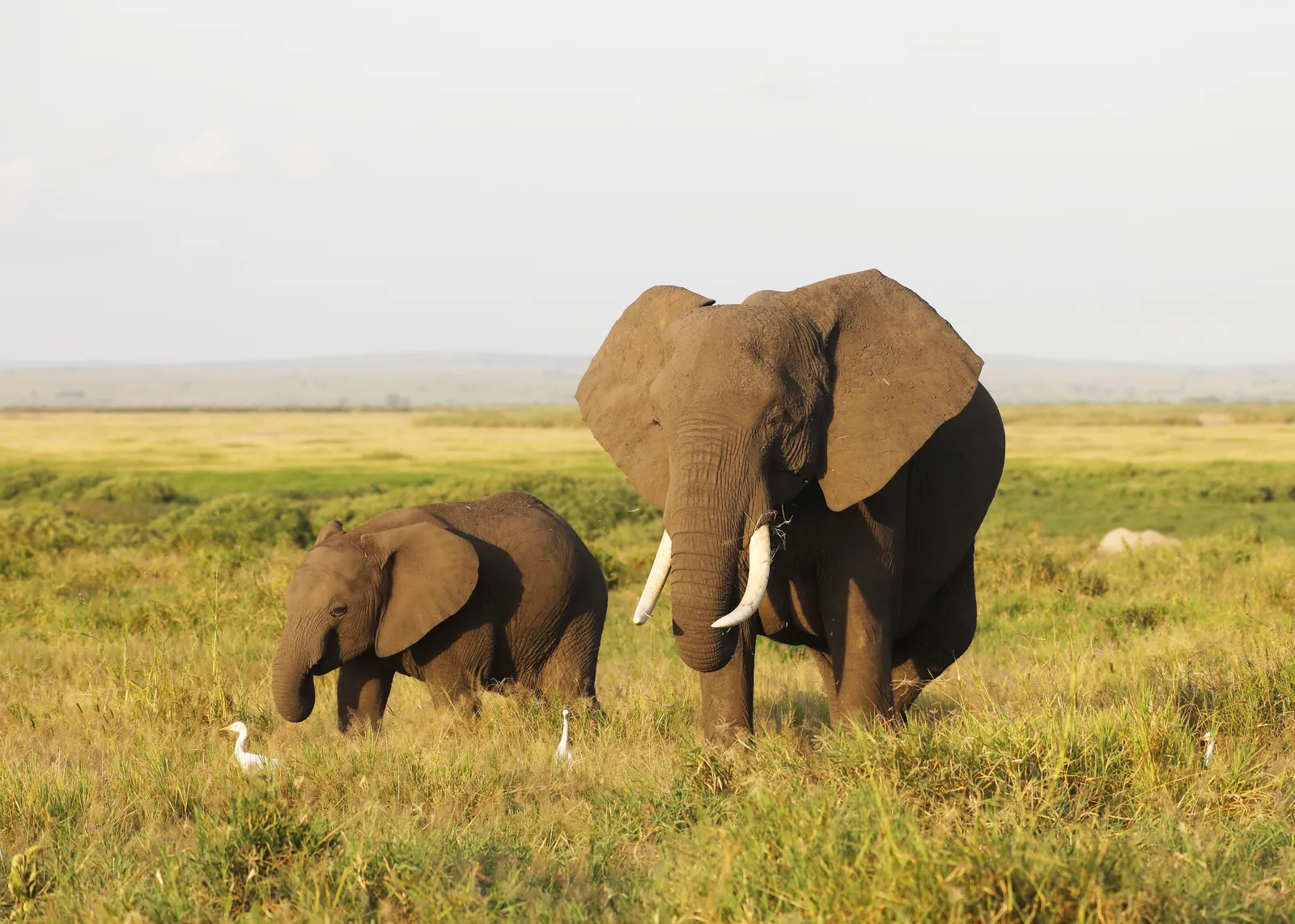
The best time to visit South Africa depends on your plans: November to March for Cape Town and its region (dry, sunny summer), May to September for safaris in Kruger National Park (dry season). To combine both on one trip, the best compromises are April–May and September–October: it is mild in Cape Town and the sparse vegetation in Kruger National Park makes wildlife easier to spot.
The seasons are the reverse of those in the Northern Hemisphere, and two rainfall patterns contrast: the southwestern tip (Cape Town, the winelands, Hermanus) has a Mediterranean climate, rainy in the southern winter (June to August), while the rest of the country gets its rain in summer, in the form of thunderstorms. Here is how to choose when to go to South Africa, based on the official climate normals of the South African Weather Service. Cape Town, Hermanus and Johannesburg can be located on the map of South Africa.

Our travel deals for South Africa
Affiliate links: we earn a commission, at no extra cost to you.
 FlightsKiwi.comCompare flights and airline combinations to South Africa.Compare flights
- eSIMAiraloData plan to install before you leave (eSIM-compatible phone).See plans


When to go to South Africa at a glance
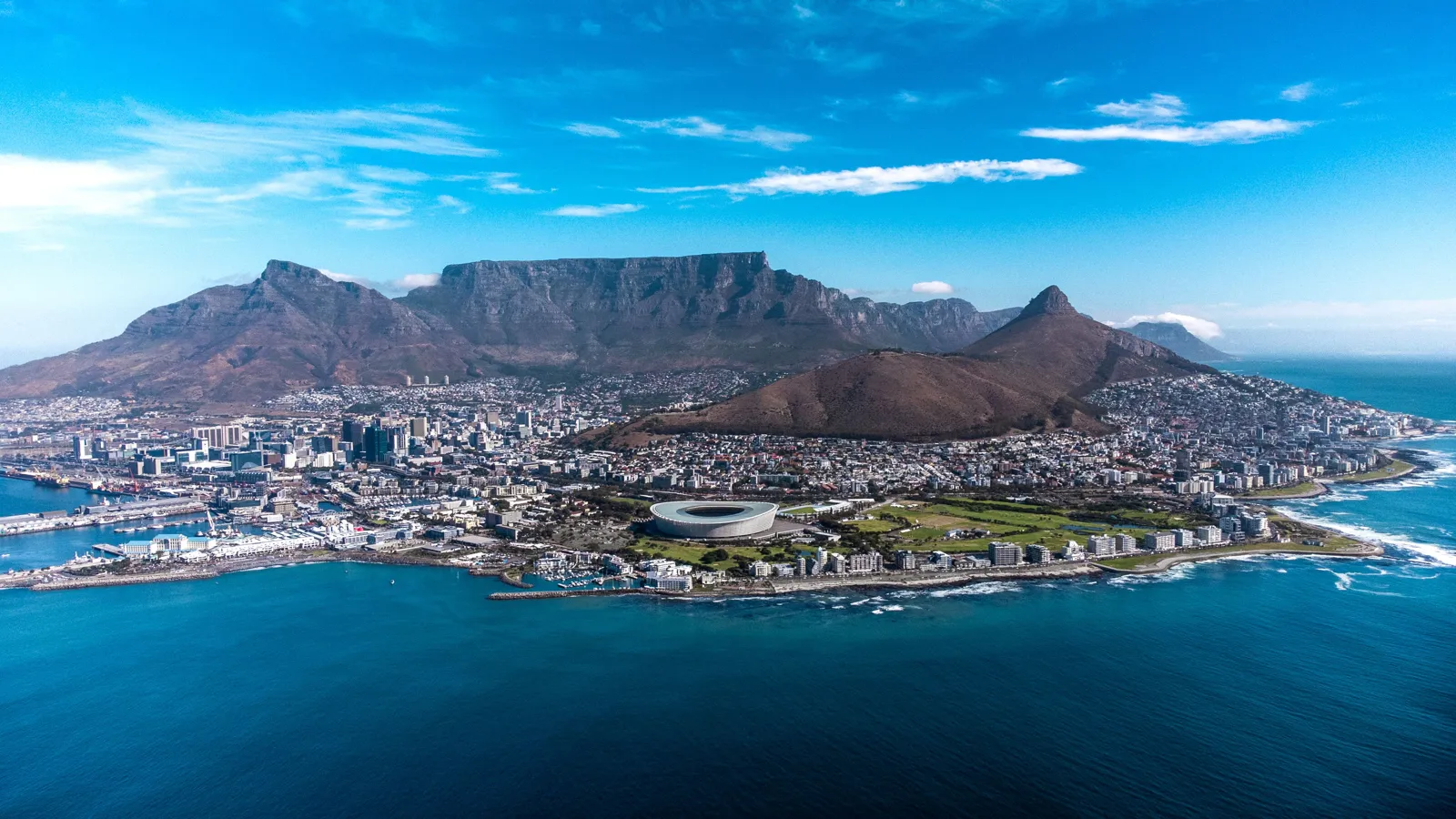
- Cape Town, the peninsula and the winelands November to March, the dry season (less than 30 mm (1.2 in) of rain per month from November to March)
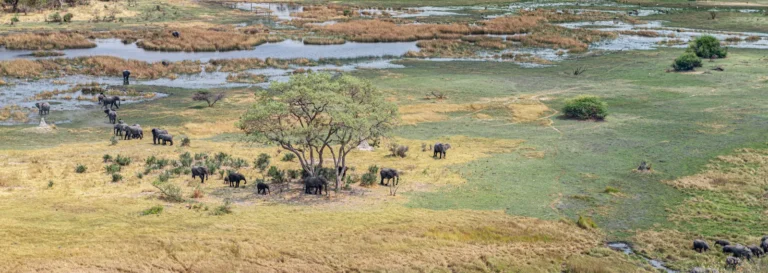
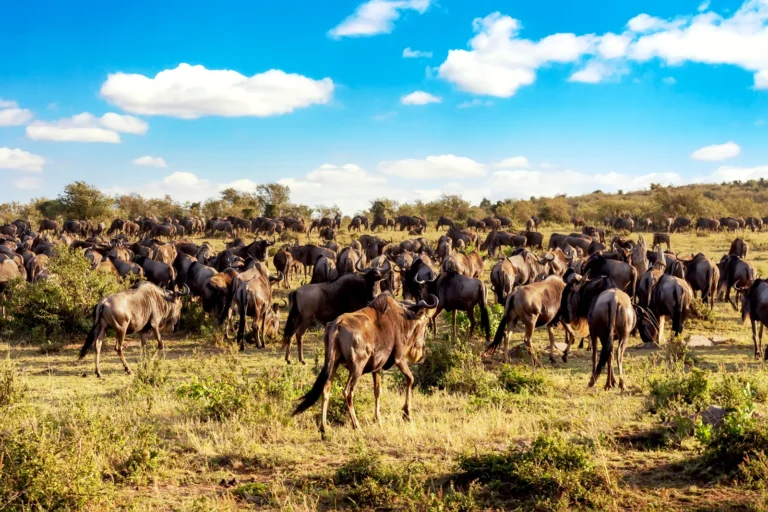
- Safari in Kruger National Park May to September, the dry season (less than 30 mm (1.2 in) per month from May to September at Skukuza)
- Best compromises for Cape Town + Kruger April–May and September–October
- Durban coast pleasant year-round; the southern winter (June to August) is mild and drier there
- Whales at Hermanus season usually announced as June to November (confirm locally)
- Most expensive period mid-December to mid-January (South African summer holidays) and Easter
When to go to South Africa by priority
- Best weather: November to March for Cape Town, May to September for Kruger; April–May and September–October to combine both
- Cheapest: May, June and August: low prices and the dry season in Kruger, but a wet winter in Cape Town
- Fewest crowds: May, June and August; avoid mid-December to mid-January and the South African school holidays in July
- Events: New Year carnival in Cape Town in early January, grape harvest around February–March, whales from June to November at Hermanus, Namaqualand wildflowers in August–September depending on the rains
South Africa: the calendar at a glance
✅ Best months: January, February, March, April, may, September, October, November
South Africa weather: temperatures and rainfall month by month
The table below gives the normals for Cape Town, the gateway for most trips and representative of the Western Cape province (Cape Peninsula, Stellenbosch, Franschhoek, Hermanus). The verdict assumes a classic itinerary combining Cape Town and a safari. Other regions are detailed below. Our guide to Cape Town, what to do and when to go covers the city.
| Month | Avg. max | Avg. min | Rain | Crowds | Prices | Verdict |
|---|---|---|---|---|---|---|
| January | 27.0 °C (81 °F) | 16.6 °C (62 °F) | 9 mm (0.4 in) | Very high | Very high | ✅ Midsummer in Cape Town, hot and rainy in Kruger |
| February | 27.3 °C (81 °F) | 16.5 °C (62 °F) | 10 mm (0.4 in) | High | High | ✅ Cape Town’s hottest month, still dry |
| March | 26.0 °C (79 °F) | 15.0 °C (59 °F) | 13 mm (0.5 in) | Moderate | Moderate | ✅ Excellent in Cape Town, rains ending in Kruger |
| April | 23.6 °C (74 °F) | 12.2 °C (54 °F) | 40 mm (1.6 in) | Moderate (high at Easter) | Moderate | ✅ Mild in Cape Town, Kruger drying out |
| May | 20.6 °C (69 °F) | 10.2 °C (50 °F) | 61 mm (2.4 in) | Low | Low | ✅ Start of the dry safari season |
| June | 18.2 °C (65 °F) | 8.1 °C (47 °F) | 92 mm (3.6 in) | Low | Low | ⚠️ Ideal for safari, but the wettest month in Cape Town |
| July | 17.9 °C (64 °F) | 7.4 °C (45 °F) | 85 mm (3.3 in) | Moderate (local school holidays) | Moderate | ⚠️ Ideal for safari, cool and wet winter in Cape Town |
| August | 18.0 °C (64 °F) | 7.9 °C (46 °F) | 72 mm (2.8 in) | Low | Low | ⚠️ Ideal for safari, Cape Town still wet |
| September | 19.6 °C (67 °F) | 9.4 °C (49 °F) | 44 mm (1.7 in) | Moderate | Moderate | ✅ Spring in Cape Town, whales, end of the dry season in Kruger |
| October | 22.2 °C (72 °F) | 11.5 °C (53 °F) | 28 mm (1.1 in) | Moderate | Moderate | ✅ Very good everywhere, Kruger getting hotter |
| November | 23.7 °C (75 °F) | 13.4 °C (56 °F) | 25 mm (1.0 in) | Moderate | Moderate → high | ✅ Sunny Cape Town, first rains in Kruger |
| December | 25.8 °C (78 °F) | 15.6 °C (60 °F) | 13 mm (0.5 in) | Very high (holidays) | Very high | ⚠️ Fine weather in Cape Town, but prices and crowds at their peak |
Note: summer in Cape Town is dry but often windy, and the Atlantic water stays cold all year on the west coast of the peninsula.
South Africa’s seasons: pros and cons
Southern summer (December to February): Cape Town’s high season
It is the busiest season in Cape Town: over 25 °C (77 °F) in the afternoon and less than 15 mm (0.6 in) of rain per month. In Kruger, it is the opposite, the rainy season: more than 90 mm (3.5 in) per month from December to February at Skukuza, with highs of 32 to 33 °C (90 to 91 °F).
- Pros: dry, sunny weather in Cape Town, beaches and vineyards
- Cons: prices at their highest from mid-December to mid-January; in Kruger, the dense vegetation makes animals harder to spot
- Who is it for? Travelers focused on Cape Town, the peninsula and the south coast
Southern autumn (March to May): the best compromise
Temperatures ease gradually in Cape Town (26 °C (79 °F) in March, 21 °C (70 °F) in May) and rainfall stays low until April. In Kruger, the rains stop: 66 mm (2.6 in) in March, 14 mm (0.6 in) in May at Skukuza.
- Pros: pleasant climate almost everywhere, crowds and prices falling after Easter, start of the dry safari season in May
- Cons: the rains return to Cape Town from May, shorter days
- Our tip: late April and May offer a good balance between weather, wildlife viewing and budget
Southern winter (June to August): safari season
In Kruger this is the heart of the dry season: barely 8 to 11 mm (0.3 to 0.4 in) of rain per month at Skukuza from June to August. The vegetation thins out and animals gather near waterholes, which makes them easier to see. Days are mild (26 to 27 °C (79 to 81 °F)), nights cold (6 °C (43 °F) in June–July). In Cape Town it is the rainy season: 92 mm (3.6 in) in June, 85 mm (3.3 in) in July, and highs around 18 °C (64 °F).
- Pros: the best safari conditions, low prices in Cape Town, whales on the south coast, dry weather in Durban
- Cons: Cape Town grayer and wetter, cold nights on the highveld (4 °C (39 °F) minimum in June–July in Johannesburg), South African school holidays in July that fill Kruger’s camps
- Who is it for? Safari lovers, and travelers who want low prices
Southern spring (September to November): whales and the return of the sun
Cape Town warms up (20 °C (68 °F) in September, 24 °C (75 °F) in November) and rainfall decreases. In Kruger, September and October end the dry season, with rising heat (29 to 30 °C (84 to 86 °F)).
- Pros: a good compromise for combining Cape Town, the Garden Route and a safari, whale season on the south coast, spring blooms
- Cons: weather still changeable in Cape Town in September, heat in Kruger in October
- Our tip: September–October is one of the best periods for a first complete trip
When to go to South Africa by region
Altitude matters too: Johannesburg stands at nearly 1,700 m (5,577 ft). Comparison of the normals for four cities:
| Month | Cape Town | Johannesburg | Durban | Skukuza (Kruger) |
|---|---|---|---|---|
| January | 27.0 °C (81 °F) / 9 mm (0.4 in) | 26 °C (79 °F) / 125 mm (4.9 in) | 28 °C (82 °F) / 134 mm (5.3 in) | 33 °C (91 °F) / 94 mm (3.7 in) |
| February | 27.3 °C (81 °F) / 10 mm (0.4 in) | 25 °C (77 °F) / 90 mm (3.5 in) | 28 °C (82 °F) / 113 mm (4.4 in) | 32 °C (90 °F) / 96 mm (3.8 in) |
| March | 26.0 °C (79 °F) / 13 mm (0.5 in) | 24 °C (75 °F) / 91 mm (3.6 in) | 28 °C (82 °F) / 120 mm (4.7 in) | 31 °C (88 °F) / 66 mm (2.6 in) |
| April | 23.6 °C (74 °F) / 40 mm (1.6 in) | 21 °C (70 °F) / 54 mm (2.1 in) | 26 °C (79 °F) / 73 mm (2.9 in) | 29 °C (84 °F) / 38 mm (1.5 in) |
| May | 20.6 °C (69 °F) / 61 mm (2.4 in) | 19 °C (66 °F) / 13 mm (0.5 in) | 25 °C (77 °F) / 59 mm (2.3 in) | 28 °C (82 °F) / 14 mm (0.6 in) |
| June | 18.2 °C (65 °F) / 92 mm (3.6 in) | 16 °C (61 °F) / 9 mm (0.4 in) | 23 °C (73 °F) / 28 mm (1.1 in) | 26 °C (79 °F) / 11 mm (0.4 in) |
| July | 17.9 °C (64 °F) / 85 mm (3.3 in) | 17 °C (63 °F) / 4 mm (0.2 in) | 23 °C (73 °F) / 39 mm (1.5 in) | 26 °C (79 °F) / 11 mm (0.4 in) |
| August | 18.0 °C (64 °F) / 72 mm (2.8 in) | 19 °C (66 °F) / 6 mm (0.2 in) | 23 °C (73 °F) / 62 mm (2.4 in) | 27 °C (81 °F) / 8 mm (0.3 in) |
| September | 19.6 °C (67 °F) / 44 mm (1.7 in) | 23 °C (73 °F) / 27 mm (1.1 in) | 23 °C (73 °F) / 73 mm (2.9 in) | 29 °C (84 °F) / 28 mm (1.1 in) |
| October | 22.2 °C (72 °F) / 28 mm (1.1 in) | 24 °C (75 °F) / 72 mm (2.8 in) | 24 °C (75 °F) / 98 mm (3.9 in) | 30 °C (86 °F) / 40 mm (1.6 in) |
| November | 23.7 °C (75 °F) / 25 mm (1.0 in) | 24 °C (75 °F) / 117 mm (4.6 in) | 25 °C (77 °F) / 108 mm (4.3 in) | 31 °C (88 °F) / 63 mm (2.5 in) |
| December | 25.8 °C (78 °F) / 13 mm (0.5 in) | 25 °C (77 °F) / 105 mm (4.1 in) | 27 °C (81 °F) / 102 mm (4.0 in) | 32 °C (90 °F) / 92 mm (3.6 in) |
Cape Town, the peninsula and the winelands
Mediterranean climate: dry, warm summers and mild, rainy winters. The best period runs from November to April, with less than 30 mm (1.2 in) of rain per month from November to March. From June to August, cold fronts from the Atlantic bring rain and strong wind, but prices fall.
The Garden Route (Mossel Bay, Knysna, Plettenberg Bay)
This coast has a more temperate climate, with rain spread through the year: at George, the 1991–2020 normals range from 37 mm (1.5 in) (May) to 82 mm (3.2 in) (November) per month, and highs from 19 °C (66 °F) (August) to 25 °C (77 °F) (February). There is therefore no marked bad season: October to April is the most pleasant period for the beach and for hikes such as those in Tsitsikamma National Park.
Kruger National Park and the Lowveld
Hot climate, with a summer rainy season. For wildlife viewing, aim for the dry season, from May to September: the grasses are low, the trees lose their leaves and wildlife gathers around waterholes. From October to April, heat and thunderstorms turn the bush green. Note: the UK FCDO lists malaria among the health risks for South Africa (see « Planning your trip » below).
Johannesburg, Pretoria and the highveld
At altitude, summer (October to March) is warm with late-afternoon thunderstorms; winter is dry and sunny, but nights are cold (4 °C (39 °F) in June–July). The city can be visited year-round.
Durban and KwaZulu-Natal
Humid subtropical climate: warm all year (23 to 28 °C (73 to 82 °F) average high), rainier from October to March. The southern winter (May to August) is the most pleasant season there, dry and mild, which makes it South Africa’s beach destination when Cape Town is under rain. The Hluhluwe-Imfolozi and iSimangaliso parks, north of Durban, follow the same rhythm as Kruger for safaris.
Which region of South Africa by month?
This table summarizes the best period for each major region, based on the SAWS normals and the advice detailed above.
| Region | Jan | Feb | Mar | Apr | May | Jun | Jul | Aug | Sep | Oct | Nov | Dec |
|---|---|---|---|---|---|---|---|---|---|---|---|---|
| Cape Town and the winelands | ✅ | ✅ | ✅ | ✅ | ⚠️ | ⚠️ | ⚠️ | ⚠️ | ✅ | ✅ | ✅ | ✅ |
| Garden Route | ✅ | ✅ | ✅ | ✅ | ⚠️ | ⚠️ | ⚠️ | ⚠️ | ⚠️ | ✅ | ✅ | ✅ |
| Kruger National Park (safari) | ⚠️ | ⚠️ | ⚠️ | ⚠️ | ✅ | ✅ | ✅ | ✅ | ✅ | ✅ | ⚠️ | ⚠️ |
| Johannesburg and Pretoria | ✅ | ✅ | ✅ | ✅ | ✅ | ✅ | ✅ | ✅ | ✅ | ✅ | ✅ | ✅ |
| Durban and KwaZulu-Natal | ⚠️ | ⚠️ | ⚠️ | ⚠️ | ✅ | ✅ | ✅ | ✅ | ⚠️ | ⚠️ | ⚠️ | ⚠️ |
To plan your itinerary, see our South Africa travel guide.

When to go to South Africa by trip type
| Your trip | Best time | Where? |
|---|---|---|
| First trip (Cape Town, Garden Route, safari) | April–May, September–October | Cape Town, Knysna, Kruger |
| Safari and Big Five | May to September | Kruger, neighboring private reserves, Hluhluwe-Imfolozi, Pilanesberg |
| Cape Town, beaches and vineyards | November to March | Cape Peninsula, Stellenbosch, Franschhoek |
| Whale watching | June to November (season announced locally) | Hermanus, south coast |
| Beach in the southern winter (July–August) | May to August | Durban, KwaZulu-Natal coast |
| Hiking | March–April, September–November | Drakensberg, Tsitsikamma, Table Mountain |
| Budget | May to August (outside the July holidays) | Cape Town and the Garden Route |
| Honeymoon | March–April, October–November | Cape Town, vineyards, private reserve |
Hesitating over another safari destination? Compare with our article on when to go to Tanzania, where the main dry season also runs from June to October. To compare two safari countries, our Tanzania travel guide also covers parks, budget and itineraries.
Major events to build into your trip
| Period | Event | Location |
|---|---|---|
| Mid-December to mid-January | South African summer holidays (prices and crowds at their peak) | Cape Town, Garden Route, KwaZulu-Natal coast |
| Early January | New Year carnival (Cape Town Minstrel Carnival) | Cape Town |
| Around February–March | Grape harvest | Stellenbosch, Franschhoek, Paarl |
| March–April (varies by year) | Easter holidays (high demand) | Nationwide |
| July | Winter school holidays (Kruger camps in very high demand) | Kruger and national parks |
| August–September depending on the rains | Wildflower bloom | Namaqualand, west coast |
| June to November | Southern right whale watching season | Hermanus, south coast |
South Africa month by month
January: Midsummer: 27 °C (81 °F) and less than 10 mm (0.4 in) of rain in Cape Town, prices still high in early January. In Kruger, heat and thunderstorms.
February: Cape Town’s hottest month (27.3 °C (81 °F)), still dry, with slightly fewer people than in January.
March: Excellent in Cape Town (26 °C (79 °F), 13 mm (0.5 in) of rain), rains easing in Kruger. A very good month for a complete circuit.
April: Mild in Cape Town (23.6 °C (74 °F)), Kruger drying out (38 mm (1.5 in)). Beware of the Easter holidays, when accommodation is in high demand.
May: Start of the dry season in Kruger (14 mm (0.6 in) at Skukuza) and prices falling. In Cape Town, the rains return (61 mm (2.4 in)) and the air cools. A good month for safaris.
June: The wettest month in Cape Town (92 mm (3.6 in)), but one of the best for safari: dry skies, sparse vegetation, cold nights. Durban is mild and sunny.
July: Ideal for safari, Cape Town cool (17.9 °C (64 °F)) and wet. South African school holidays: book Kruger camps early.
August: Dry season in Kruger (8 mm (0.3 in)), rainfall easing in Cape Town (72 mm (2.8 in)). Namaqualand blooms may begin.
September: Spring arrives: 19.6 °C (67 °F) in Cape Town and half as much rain as in June. End of the dry season in Kruger. Whale season at Hermanus. One of the best months to combine everything.
October: Very good almost everywhere: 22 °C (72 °F) and 28 mm (1.1 in) of rain in Cape Town, safaris still favorable in Kruger (30 °C (86 °F)).
November: Cape Town is dry and sunny (23.7 °C (75 °F), 25 mm (1.0 in)), the rains resume in Kruger (63 mm (2.5 in)). Good value before the holidays.
December: Fine weather guaranteed in Cape Town (25.8 °C (78 °F), 13 mm (0.5 in)), but the holiday period is the most expensive of the year. In Kruger, heat and thunderstorm rain (92 mm (3.6 in)).
See also: where to go in December.
When to book your trip to South Africa
For the period from Christmas to New Year, book flights and accommodation 5 to 6 months ahead: it is peak season for South Africans and international visitors alike, and well-located accommodation in Cape Town and on the Garden Route goes quickly. Kruger camps run by SANParks are in high demand during local school holidays: book them several months ahead. In the low season (May–June, August), 2 to 3 months is usually enough.
Planning your trip to South Africa
- Entry requirements: rules depend on your nationality; see the entry requirements for South Africa before you travel.
- Time difference: see our time difference guide for South Africa to compare it with your home city.
- Currency: the rand (ZAR). Cards are accepted almost everywhere; keep your card in sight when paying. Use our currency converter to estimate your budget.
- Health: according to the UK FCDO (GOV.UK, updated 8 July 2026), you must show a yellow fever vaccination certificate if you are coming from a country listed as a transmission risk, and malaria is among the health risks listed for South Africa. The FCDO advises checking the latest vaccine recommendations at least 8 weeks before your trip.
For more, see our complete South Africa travel guide.
Frequently asked questions
What is the best month to visit South Africa?
For a first trip combining Cape Town, the Garden Route and a safari in Kruger, April–May and September–October are the best compromises. If you are only visiting Cape Town, choose November to March; for a safari, May to September.
When is the best time for a safari in South Africa?
During the dry season, from May to September. At Skukuza, in the heart of Kruger National Park, less than 30 mm (1.2 in) of rain falls per month over this period according to the South African Weather Service normals.
When should you go to Cape Town?
From November to March, when it is warm (24 to 27 °C (75 to 81 °F) in the afternoon) and dry. June to August is the southern winter: a high of around 18 °C (64 °F) and the rainy season, with 92 mm (3.6 in) in June.
Can you visit South Africa in July or August?
Yes, it is the best period for safaris and for the Durban coast. Cape Town, however, is in the middle of winter, cool and wet.
When can you see whales in South Africa?
Southern right whales visit the south coast, notably Hermanus bay, during the southern winter and spring. The season is usually announced as June to November; check locally, as their presence varies from year to year.
What is the cheapest time to visit South Africa?
The southern winter, from May to August (outside the South African school holidays in July), is when accommodation in Cape Town and on the Garden Route is cheapest. The most expensive period runs from mid-December to mid-January.
What is the climate like in South Africa?
The seasons are the reverse of those in the Northern Hemisphere. The Cape Town region has a Mediterranean climate: dry summers (around 26 to 27 °C (79 to 81 °F) and less than 15 mm (0.6 in) of rain per month from December to March) and cool, rainy winters (92 mm (3.6 in) in June). The rest of the country, including Kruger National Park, Johannesburg and Durban, gets its rain in summer as thunderstorms and is drier in winter.
Our sources
- South African Weather Service, 1991–2020 normals for the Cape Town (international airport) and George stations, published by the World Meteorological Organization (NOAA archive)
- South African Weather Service, 1961–1990 normals for the Johannesburg, Durban and Skukuza stations
- Health information read on 26 October 2026: UK FCDO, foreign travel advice for South Africa (GOV.UK, updated 8 July 2026)
- Our methodology
Updated November 2026.
To plan what comes next, see our South Africa travel guide (what to see, itineraries, budget). To combine with a neighboring country, see when to go to Namibia, when to go to Botswana or when to go to Mozambique. To compare with other destinations, see also our selection of where to go in October.