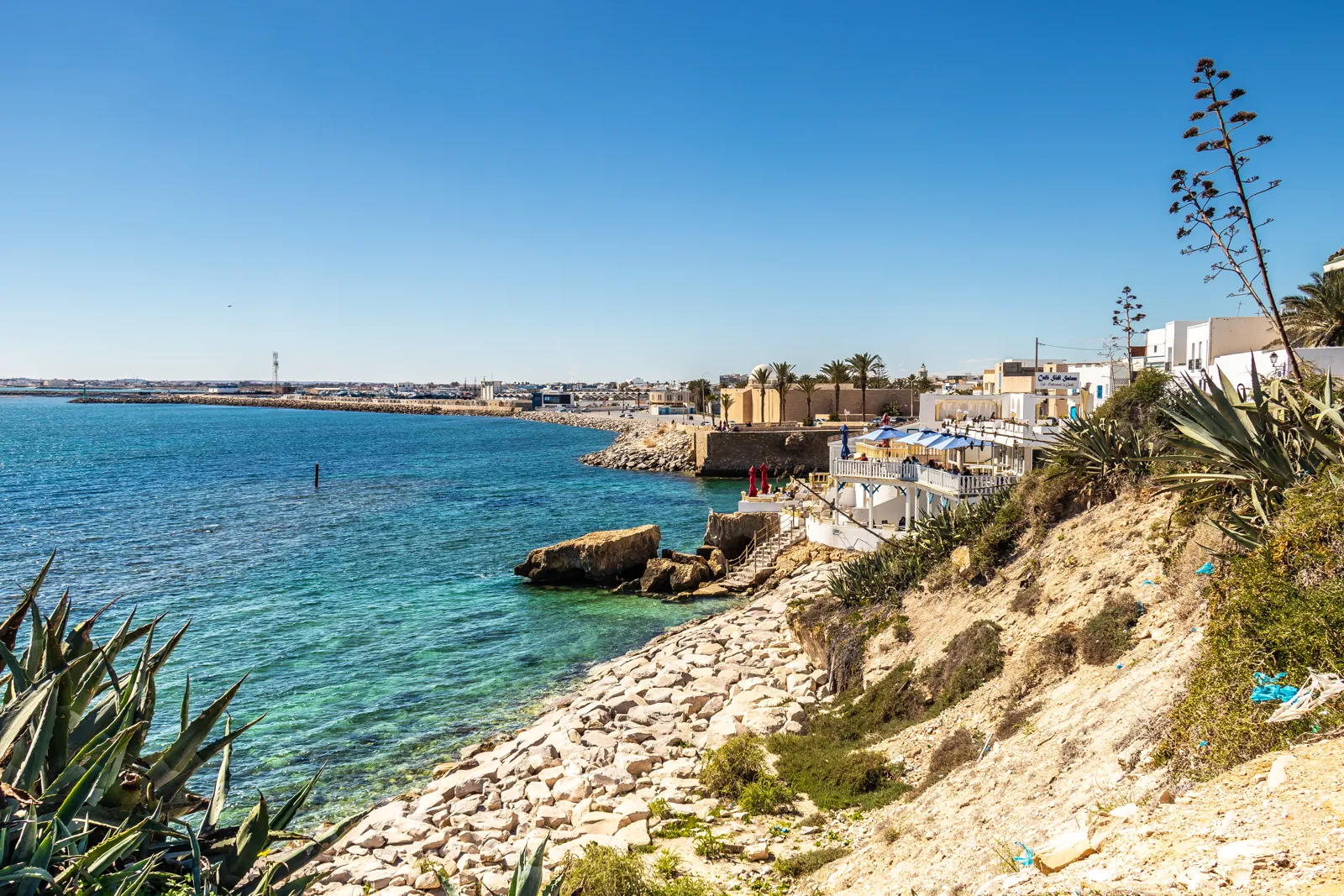
For a first safari in Africa, Tanzania and Kenya are the classic choices: big savanna parks, the great wildebeest migration and a dry season from June to October. Botswana and Namibia suit travelers looking for uncrowded spaces (high-end camps for the former, self-drive for the latter); South Africa is the easiest to organize on your own; Uganda and Rwanda are the mountain gorilla destinations.
This Africa safari comparison draws only on our country guides and our “when to go” pages, themselves built from official climate normals and official travel advice. It helps you choose the country, then the month, then the type of safari. We publish no traveler reviews or personal stories: the advice is factual.

Our travel deals for Safari in Africa
Affiliate links: we earn a commission, at no extra cost to you.
 FlightsKiwi.comCompare flights and airline combinations to Safari in Africa.Compare flights
- eSIMSailyAnother eSIM plan to compare: data, validity, network.See Saily plans


Safari in Africa: key facts
- Best time in East Africa (Tanzania, Kenya): June to October, then January-February; avoid April and May, the heart of the long rains
- Best time in southern Africa (Botswana, Namibia, Kruger): May to October, the dry season; cold nights in June-July, intense heat in October
- Gorillas (Uganda, Rwanda): visible year-round, trails easier in the dry seasons (June to September, December to February)
- Easiest to do independently: South Africa (Kruger) and Namibia (Etosha), in a rental car
- Most expensive: Botswana (delta camps) and gorilla permits; most affordable: a group safari in Kenya or Tanzania, a camping self-drive in Namibia or South Africa
Where to go on safari in Africa? The country comparison
For each country, the table shows the dry season recommended on our “when to go” page, the flagship parks described in the guide and the indicative budget per day per person published on the country page (excluding the international flight). Budgets were originally given in euros and are converted to US dollars at the ECB rate of 23 October 2026 (US$1.1193 per €1), rounded to the nearest 5.
| Country | Best time | Flagship parks and wildlife | Indicative budget / day | Safari style |
|---|---|---|---|---|
| Tanzania | June to October, then January-February | Serengeti, Ngorongoro, Tarangire; Nyerere and Ruaha in the south | Roughly US$170 to $280 camping, US$335 to $670 in a lodge | 4×4 with driver-guide; combined with Zanzibar |
| Kenya | Late June to early October, then January-February | Masai Mara (great migration), Amboseli, Tsavo, lakes Nakuru and Naivasha | Roughly US$170 to $280 on a group safari, US$390 to $670 in comfort | Group or private safari; domestic flights to the parks |
| Botswana | May to October (June to October for the Okavango and Chobe) | Okavango Delta, Moremi, Chobe, Makgadikgadi, Kalahari | Roughly US$110 to $200 on a camping self-drive, US$450 and much more in a delta camp | High-end camps or self-drive in an equipped 4×4 |
| Namibia | May to October (July to October for Etosha) | Etosha, but also the Namib Desert, Damaraland | Roughly US$80 to $155 camping, US$225 to $450 in a lodge | Self-drive in a rental car, long distances |
| South Africa | May to September for Kruger | Kruger (Big Five), Hluhluwe-Imfolozi, Pilanesberg | Roughly US$65 to $100 budget, US$170 to $335 in comfort, excluding private reserves | Independent in a rental car, or private reserve |
| Uganda | December to February, June to August | Bwindi gorillas, Kibale chimpanzees, Murchison Falls, Queen Elizabeth | Roughly US$55 to $90 budget, US$200 to $390 in a lodge, excluding gorilla permits | 4×4 circuit with driver-guide |
| Rwanda | June to September, then December to February | Gorillas in Volcanoes National Park, Nyungwe chimpanzees, Akagera savanna | Roughly US$65 to $110 on a small budget, US$280 to $560 and more in a lodge, excluding permits | Short stay focused on primates |
The safari countries one by one
Tanzania: the Serengeti and Ngorongoro
Tanzania brings together the Serengeti, Ngorongoro Crater and Tarangire in the north, while Nyerere and Ruaha in the south are less visited. The dry season, from June to October, makes wildlife easier to spot around water points; January-February generally corresponds to the wildebeest calving in the southern Serengeti. Most trips end with a few beach days in Zanzibar. A visa is required: the UK FCDO says to apply for an e-visa before you travel, and a single-entry visa can also be obtained on arrival at the main ports of entry (GOV.UK, updated 20 October 2026, read 26 October 2026). The U.S. State Department says tourists must obtain a one-year multiple-entry visa for $100, with an online e-visa application, and a passport with at least one blank page and six months’ validity (travel.state.gov, last updated September 3, 2026, read 26 October 2026). Malaria is present in much of the country.
Kenya: the Masai Mara and the great migration
In Kenya, the great migration generally reaches the Masai Mara from July to October, with dates that vary each year depending on the rains. Amboseli is known for its elephants, Nakuru for its rhinos. An electronic travel authorisation (eTA) must be applied for online in advance: the UK FCDO says local authorities recommend applying at least 2 weeks before departure (GOV.UK, updated 16 October 2026, read 26 October 2026), and the U.S. State Department lists a passport with at least two blank pages, six months’ validity and a Kenyan eTA (travel.state.gov, last updated July 30, 2026, read 26 October 2026). Note: the UK FCDO advises against all but essential travel to several areas, notably in the north-east border regions and parts of the coast, away from the main parks (see the preparation section).
Botswana: the Okavango and Chobe
Botswana relies on low-volume, fairly high-end tourism. From June to October, animals gather near the water of the Okavango Delta, Moremi and the Chobe River. The rainy season (roughly November to March) draws zebra herds to Nxai Pan and Makgadikgadi, with prices often lower. Check entry requirements for your nationality on travel.state.gov and GOV.UK before booking.
Namibia: Etosha on a self-drive
Namibia is explored by car, on long but well-maintained roads and tracks. Etosha National Park can be visited in your own vehicle; from July to October, vegetation is sparse and water points are very busy. The safari combines with the Sossusvlei dunes. Check current visa requirements for your nationality before you travel.
South Africa: Kruger on your own
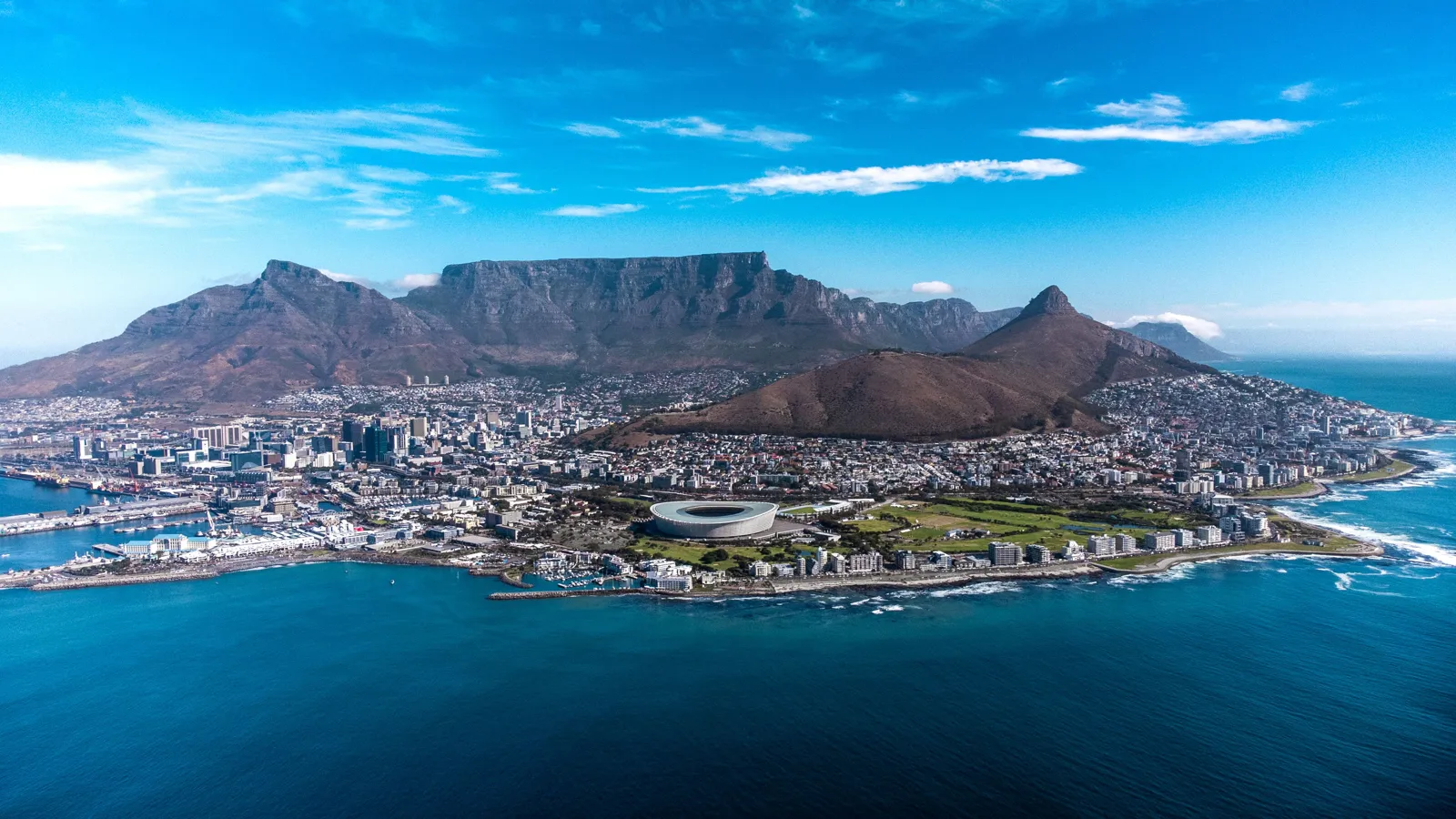
In South Africa, Kruger National Park, which stretches for about 350 km (217 mi) along the border with Mozambique, is home to the Big Five (elephant, lion, leopard, buffalo, rhino). The dry season there runs from May to September, the opposite of Cape Town, which is more pleasant from November to March: April-May and September-October let you combine the two. According to the UK FCDO, you can visit South Africa without a visa for up to 90 days for business or tourism (GOV.UK, updated 8 July 2026, read 26 October 2026); for US citizens, see travel.state.gov, which also asks for two consecutive completely blank visa pages in your passport on arrival (last updated August 11, 2025, read 26 October 2026).
Uganda and Rwanda: mountain gorillas
Uganda (Bwindi Impenetrable Forest) and Rwanda (Volcanoes National Park) are the destinations for seeing mountain gorillas, in small groups led by rangers and with a permit bought in advance. A gorilla permit costs hundreds of dollars: check the price with the Uganda Wildlife Authority or the Rwanda Development Board. Uganda adds savannas (Murchison Falls, Queen Elizabeth) and the Kibale chimpanzees; Rwanda is more compact. For Rwanda, the UK FCDO says you must have a visa and that Commonwealth citizens can get a free 30-day visa on arrival (GOV.UK, updated 4 September 2026, read 26 October 2026); the U.S. State Department says travelers can get a 30-day tourist visa at the port of entry for $50 (single entry) or $70 (multiple entry), and that passports must be valid for six months after entry (travel.state.gov, last updated May 14, 2026, read 26 October 2026). For Uganda, check the visa and vaccination requirements for your nationality before you book.
When to go on safari? The country by month calendar
The calendar below reuses the month-by-month verdict of our “when to go” pages, based on the official normals of one reference station per country. ✅ = recommended period, ⚠️ = possible with caveats, ❌ = avoid.
| Country | Jan | Feb | Mar | Apr | May | Jun | Jul | Aug | Sep | Oct | Nov | Dec |
|---|---|---|---|---|---|---|---|---|---|---|---|---|
| Tanzania | ✅ | ✅ | ⚠️ | ❌ | ⚠️ | ✅ | ✅ | ✅ | ✅ | ✅ | ⚠️ | ✅ |
| Kenya | ✅ | ✅ | ⚠️ | ❌ | ❌ | ✅ | ✅ | ✅ | ✅ | ✅ | ⚠️ | ⚠️ |
| Botswana | ⚠️ | ⚠️ | ⚠️ | ✅ | ✅ | ✅ | ✅ | ✅ | ✅ | ✅ | ⚠️ | ⚠️ |
| Namibia | ⚠️ | ⚠️ | ⚠️ | ✅ | ✅ | ✅ | ✅ | ✅ | ✅ | ✅ | ⚠️ | ⚠️ |
| South Africa* | ✅ | ✅ | ✅ | ✅ | ✅ | ⚠️ | ⚠️ | ⚠️ | ✅ | ✅ | ✅ | ⚠️ |
| Uganda | ✅ | ✅ | ⚠️ | ❌ | ❌ | ✅ | ✅ | ✅ | ⚠️ | ⚠️ | ⚠️ | ✅ |
| Rwanda | ✅ | ✅ | ⚠️ | ❌ | ⚠️ | ✅ | ✅ | ✅ | ✅ | ⚠️ | ⚠️ | ✅ |
East Africa: two rainy seasons
Tanzania, Kenya, Uganda and Rwanda, close to the equator, have no marked summer or winter but two rainy seasons: the long rains (roughly March to May, peaking in April) and the short rains (roughly November-December). The long dry season from June to September-October is the most favorable and the most expensive. Details: when to go to Tanzania, best time for Kenya, climate of Uganda, when to go to Rwanda.
Southern Africa: dry season from May to October
Botswana, Namibia and north-eastern South Africa are in the southern hemisphere: the dry season corresponds to the northern-hemisphere summer. June and July are the coolest months, with average minimums of about 7.5 °C (46 °F) in Maun and 7 °C (45 °F) in Windhoek; October, by contrast, is very hot (average maximum of 34.5 °C (94 °F) in Maun). The rainy season, roughly November to April, brings thunderstorms, greenery, births and lower prices. See when to go to Botswana, the best time in Namibia and when to go to South Africa. Our guide to what to do in Windhoek presents the Namibian capital, often the first stop of a circuit.
What budget for a safari in Africa?
A safari remains an expensive trip, mainly because of park entry fees, the vehicle with guide and accommodation in or near the parks. The ranges below, per person per day excluding the international flight, come from our country guides (originally in euros, converted at the ECB rate of 23 October 2026 and rounded).
| Range | Examples (from our guides) | Indicative budget / day |
|---|---|---|
| Budget | Camping self-drive in Namibia or Botswana; Kruger in a rental car with SANParks camps; group safari in Kenya | Roughly US$65 to $280 depending on the country |
| Comfort | Lodges in Namibia, South Africa, Uganda; private safari in Kenya; lodge or tented camp in Tanzania | Roughly US$170 to $670 |
| High-end | All-inclusive camps in the Okavango Delta | Roughly US$280 to $1,120 and more for accommodation alone |
To cut the bill: travel in the shoulder season (November or March in Tanzania, June or late October in Kenya, the green season in Botswana), share the 4×4 with others, or choose a country where self-drive is possible. Gorilla permits are always on top of the budget in Uganda and Rwanda.
Which type of safari to choose?
- Group 4×4 safari: the most common in Kenya and Tanzania, with a shared vehicle and driver-guide; it is the cheapest option in East Africa.
- Private safari: the same principle with a vehicle just for you, more flexible on schedules; significantly more expensive.
- Self-drive: possible in Namibia (Etosha), South Africa (Kruger) and Botswana in an equipped 4×4; it takes driving experience and careful planning of distances.
- All-inclusive camp or lodge: mainly in Botswana, with guided activities (vehicle, boat) and meals included, often reached by small plane.
- Primate trek: in Uganda and Rwanda, a guided walk of one to several hours on steep slopes to reach a gorilla family.
Safari by traveler profile
| Profile | Our suggestion | Why |
|---|---|---|
| First safari | Tanzania or Kenya | Big savanna parks, well-established organization, can be combined with a beach (Zanzibar, Diani) |
| Small budget | Namibia or South Africa on a self-drive | Camping and a rental car; budgets of roughly US$65 to $155 per day on our pages |
| Family | South Africa | Freedom to set your own pace by car; ask about malaria in the Kruger region; UK visitors need no visa for stays up to 90 days (FCDO) |
| Honeymoon, high-end | Botswana | Exclusive delta camps, few visitors |
| Primates | Rwanda or Uganda | Mountain gorillas and chimpanzees; Rwanda for a short stay, Uganda to combine with savanna |
| Safari + beach | Tanzania (Zanzibar) or Kenya (coast) | Indian Ocean beaches a few hours from the parks |
Preparing your safari
- Entry requirements: visa or electronic authorisation depending on the country (Tanzania, Kenya, Rwanda and others); check the pages of the U.S. Department of State (travel.state.gov) and the UK FCDO (GOV.UK) for each country, as listed in the sections above.
- Health: malaria is present in most safari areas (northern Botswana and Namibia, the Kruger region, East Africa); see a doctor, and check the CDC (US) or NHS TravelHealthPro (UK) pages for each country. A yellow fever certificate may be required depending on where you are arriving from: the UK FCDO says so for Kenya, Tanzania, South Africa and Rwanda (read 26 October 2026).
- Safety: the UK FCDO advises against all but essential travel to several areas of Kenya (including Garissa Town and parts of the north-east and coast), to areas within 20 km (12 mi) of Tanzania’s border with Mozambique’s Cabo Delgado province, and to parts of Rusizi District in Rwanda within 10 km (6 mi) of the DRC border (read 26 October 2026). Read the current page for each country.
- Book early: delta camps in July-October, gorilla permits in June-September, Serengeti and Mara lodges in high season.
- Luggage: on the small planes serving the parks, baggage limits are strict and soft bags are often required.
Frequently asked questions
What is the best country for a first safari in Africa?
Tanzania and Kenya are the most classic: big savanna parks, the great migration and well-established organization in a 4×4 with a guide. South Africa is the easiest to organize on your own, with Kruger in a rental car.
What is the best time for a safari in Africa?
In East Africa (Tanzania, Kenya), June to October, then January-February. In southern Africa (Botswana, Namibia, Kruger), May to October. Avoid April and May in East Africa, the heart of the long rains.
When can you see the great migration?
It generally reaches the Masai Mara in Kenya from July to October, with Mara River crossings generally from July to September on the Tanzanian side; wildebeest calving generally takes place in January-February in the southern Serengeti. Dates vary each year depending on the rains.
How much does a safari in Africa cost?
According to our guides, allow roughly US$65 to $155 per person per day on a camping self-drive (Namibia, South Africa), roughly US$170 to $280 on a group safari in East Africa, US$335 to $670 in a lodge, and US$450 and much more in Okavango Delta camps, excluding the international flight (converted from euros at the ECB rate of 23 October 2026).
Where can you see gorillas in Africa?
In Uganda (Bwindi Impenetrable Forest) and Rwanda (Volcanoes National Park), with a permit bought in advance from the Uganda Wildlife Authority or the Rwanda Development Board. Gorillas are visible year-round; the dry season makes the trails easier.
Can you go on safari without a guide?
Yes, in Namibia (Etosha), South Africa (Kruger) and Botswana in an equipped 4×4, on roads and tracks where you drive your own vehicle. In East Africa, safaris are most often done with a driver-guide.
Further reading
To prepare each country in detail, see our guides: travel to Tanzania, safari in Kenya, travel to Botswana, road trip in Namibia, travel to South Africa, gorillas in Uganda and travel to Rwanda. All our destinations on the continent are gathered on the travel in Africa page.
Our sources
- Our country guides and “when to go” pages (Tanzania, Kenya, Botswana, Namibia, South Africa, Uganda, Rwanda), read on 14 October 2026, from which the climate and budget data on this page come.
- The sources cited in those guides: climate normals published by the World Meteorological Organization and national weather services (Kenya Meteorological Department, Botswana Meteorological Services, Namibia Meteorological Service, South African Weather Service), NOAA archive.
- Entry, health and safety information read on 26 October 2026: UK FCDO (GOV.UK) foreign travel advice for Kenya (updated 16 October 2026), Tanzania (20 October 2026), South Africa (8 July 2026) and Rwanda (4 September 2026); U.S. Department of State (travel.state.gov) country information for Kenya (last updated July 30, 2026), Tanzania (September 3, 2026), South Africa (August 11, 2025) and Rwanda (May 14, 2026).
- Euro budgets converted to US dollars at the ECB reference rate of 23 October 2026 (US$1.1193 per euro).
- Our methodology
Updated October 2026.