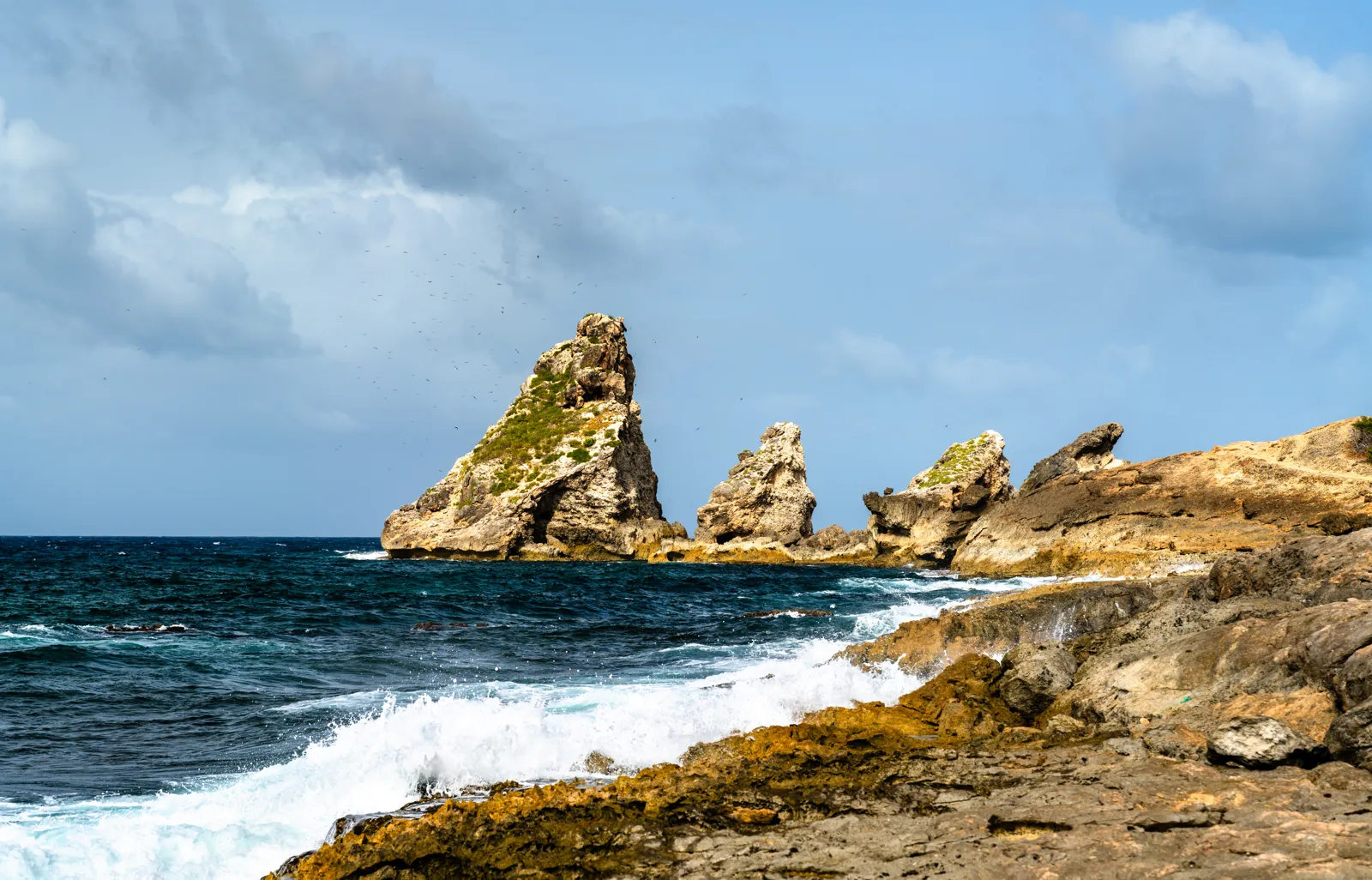
Mozambique is first and foremost a very long Indian Ocean coastline: sandy beaches, islands, reefs, manta rays and humpback whales. It also has a capital with colonial and Art Deco architecture, national parks being restored and a strong Portuguese influence. This Mozambique travel guide (what to see, itineraries, budget) focuses on the south and center of the country, as official advice warns against travel to parts of the north.
To locate cities, regions, terrain, national parks and airports, see our map of Mozambique.
⚠️ Safety: official advice against travel to parts of the north. According to the UK FCDO (GOV.UK, updated 20 August 2026), the FCDO advises against all travel to Cabo Delgado Province, except Palma town and the area around Pemba and Afungi (where it advises against all but essential travel), to the districts of Memba and Eráti in Nampula Province, and to the districts of Mecula and Marrupa in Niassa Province, because of attacks by groups linked to Islamist extremism. Terrorists are very likely to try to carry out attacks in Mozambique, and the threat of kidnap is particularly acute in Cabo Delgado and neighboring districts of Niassa and Nampula. Check the latest advice on GOV.UK and travel.state.gov before you leave.
Mozambique at a glance
CapitalMaputo
LanguagePortuguese (official language)Many Bantu languages; English understood in tourist areas
The best period is May to November, during the dry season. On the south coast, afternoons reach 25 to 29 °C (77 to 84 °F) with little rain, especially from June to September. From December to March, temperatures exceed 30 °C (86 °F), the air is humid and it is cyclone season. Humpback whales usually pass along the south coast from about July to October. The details, month by month and region by region, are in our page best time to visit Mozambique.
What to see in Mozambique: the highlights
Maputo
The capital is best explored on foot by day: the central railway station, the fortress, the central market, avenues lined with jacarandas and buildings from the 1950s and 1960s. It is also a base for Inhaca Island and the Maputo Special Reserve. According to the U.S. Department of State (travel.state.gov, last updated August 20, 2026), pedestrians have been mugged at all hours: avoid walking at night, even in tourist areas, and avoid walking along the Marginal south of the Southern Sun Hotel. The UK FCDO notes that street crime is common in Maputo and has involved knives and firearms.
Ponta do Ouro and the Maputo Special Reserve
In the far south, near the South African border, Ponta do Ouro is known for diving, the sea and dolphin watching in a marine reserve. Further north, the Maputo Special Reserve combines lagoons, dunes, beaches and wildlife (notably elephants). A four-wheel-drive vehicle is often needed on the sandy tracks.
Bilene
A few hours’ drive north of Maputo, Bilene lies on a large lagoon separated from the ocean by a line of dunes. The calm water is good for swimming and water sports. It is an easy stop for a weekend or a first night outside the capital.
Inhambane, Tofo and Barra
Inhambane, one of the oldest towns in the country, has kept a peaceful atmosphere with its colonial houses and market. About twenty kilometers (12 mi) away, the beaches of Tofo and Barra are a magnet for divers: manta rays and whale sharks are seen there, with numbers varying by season. The UK FCDO (GOV.UK, updated 20 August 2026) points out that beaches and offshore islands are not policed, and it is illegal to drink alcohol on public beaches.
Vilankulo and the Bazaruto Archipelago
Vilankulo is the gateway to Bazaruto Archipelago National Park: islands of dunes and lagoons with turquoise water, where you can sail on a dhow, dive and snorkel. You can visit on a day trip from Vilankulo or stay in a lodge on one of the islands. It is the driest part of the coast in the southern winter.
Gorongosa National Park
In the center of the country, in Sofala Province, this park was devastated by the civil war and then became the focus of a large restoration program. Today you can see antelopes, warthogs, elephants, lions and rich birdlife, between floodplain and forest. It is best visited in the dry season, from June to October. The U.S. Department of State notes that vehicles have been shot at on some sections of the EN1 in Sofala and Manica provinces and on the EN6 between Beira and Chimoio, where convoys have been set up: check road conditions before driving there.
Limpopo National Park
Adjoining South Africa’s Kruger National Park, with which it forms a transfrontier area, Limpopo National Park is visited by 4×4, often combined with a safari in South Africa. Facilities are more basic than on the South African side. This cross-border safari is also planned from the South African side: the best time to visit South Africa for Kruger is the dry season.
Island of Mozambique
A former colonial capital and World Heritage Site, the Island of Mozambique lies in Nampula Province. The UK FCDO advises against all travel to the Memba and Eráti districts of that province and reports a terrorist kidnap threat in districts of Nampula neighboring Cabo Delgado. Check the latest official advice and maps before considering this stop.
Itinerary ideas for Mozambique
10 days: Maputo and the south coast
Days 1–2: arrive in Maputo, explore the city
Day 3: drive to Bilene, night by the lagoon
Days 4–6: Inhambane, Tofo and Barra (diving or snorkeling, a stroll around town)
Days 7–9: Vilankulo and the Bazaruto Archipelago (dhow trip, possible night on an island)
Day 10: fly back from Vilankulo or drive back to Maputo
2 weeks: beaches, Bazaruto and safari
Days 1–2: Maputo
Days 3–4: Ponta do Ouro or the Maputo Special Reserve
Days 5–7: Tofo and Inhambane
Days 8–10: Vilankulo and Bazaruto
Days 11–13: Gorongosa National Park (by road, or fly to Beira and transfer)
Day 14: return via Beira or Maputo
Variant: replace Gorongosa with a safari in Kruger and Limpopo national parks, starting from Maputo
Distances are long: it is about 700 km (435 mi) from Maputo to Vilankulo. Both the UK FCDO and the U.S. Department of State advise against road travel outside cities after dark, so plan stages that arrive before nightfall; domestic flights save a lot of time.
Budget for a trip to Mozambique
Indicative amounts per person per day, converted from our euro estimates at the ECB rate of 23 October 2026 (€1 = US$1.12):
Item (per person per day)
Budget
Comfort
Accommodation
Roughly US$17–45 (backpackers, simple chalets)
Roughly US$110–280 (beachfront lodge)
Meals
Roughly US$11–20
Roughly US$35–55
Transport
Roughly US$11–30 (long-distance bus)
Roughly US$55–135 (rental car, share of domestic flights)
Activities
Snorkeling, walks
Diving, dhow trips, safaris
Indicative total
Roughly US$50–85
Roughly US$170–335
Indicative estimates excluding international flights. Lodges on the Bazaruto islands are often above this range.
Prices rise sharply over the year-end holidays and South African school holidays. Dives, boat trips and domestic flights weigh heavily on the budget: plan for them from the start.
Getting around Mozambique
Domestic flights: the most practical option for long distances (Maputo, Inhambane, Vilankulo, Beira).
Rental car: practical in the south, but the road network is poor outside towns. Only travel by road outside major cities in daylight, keep to major roads and keep doors locked against carjacking (UK FCDO, GOV.UK, updated 20 August 2026). You must carry two reflective triangles and wear a reflective vest when working on the vehicle, and police frequently stop drivers to check papers. Fuel supplies can be unpredictable. A 4×4 is needed for sandy tracks.
Licence: UK photocard licence holders can drive for up to 90 days (UK FCDO); visitors staying more than 90 days need an international driving licence or a Mozambican licence (U.S. Department of State, travel.state.gov, last updated August 20, 2026).
Long-distance buses: link Maputo with Inhambane and Vilankulo; journeys are long.
Chapas (shared minibuses): very common, but the U.S. Embassy advises US citizens not to use them because of frequent, often fatal accidents.
Boat: dhows and motorboats link Vilankulo to the Bazaruto islands; choose recognized operators with life jackets.
Where to stay in Mozambique
In Maputo, choose a well-secured hotel in a busy area, with an airport transfer. On the coast, accommodation is mainly lodges, chalets and backpackers on the beach, in Tofo, Barra and Vilankulo. In the Bazaruto Archipelago, a few upscale lodges occupy the islands. In Gorongosa, the choice is limited to a few camps in the park. Over the holidays, book very early.
Entry requirements for Mozambique
US citizens
According to the U.S. Department of State (travel.state.gov, last updated August 20, 2026), US citizens traveling for tourism or business are not required to obtain a visa at this time, because of technical problems on the Mozambican e-visa website; you must show proof of a round-trip flight and a hotel reservation, and may stay no more than 90 days in a year (stays over 30 days will likely need an extension from the immigration authorities). Visa-related fees are paid at the port of entry, by credit card or in local currency. Your passport must be valid for at least six months after arrival, with at least two clean visa pages. A yellow fever certificate is required if you come from a country where yellow fever is present; without it you may be vaccinated at your own expense.
UK citizens
According to the UK FCDO (GOV.UK foreign travel advice, updated 20 August 2026), British passport holders must get an Electronic Travel Authorisation (ETA) through the official Mozambique eVisa portal before traveling for tourism or business visits of up to 30 days. Apply at least 5 working days before you travel and pay online (about US$47, including a US$37 visa fee and a 650-metical processing fee); you cannot pay at the border. Carry a printed copy of the approved ETA and payment confirmation. On arrival you may be asked for proof of accommodation, a return or onward ticket and proof of funds. Your passport must be valid for at least 6 months after arrival, with at least 2 blank pages. Yellow fever and, in some circumstances, polio certificates may be required.
Children: a child traveling with one parent or without parents needs a notarized parental consent (in Portuguese according to the U.S. Department of State; no older than three months, with an unabridged birth certificate, according to the UK FCDO). Many itineraries transit through South Africa, which has its own rules. Entry requirements checked on 24 October 2026; they change often, so check them again before you travel.
Health and safety
Health: according to the UK FCDO (GOV.UK, updated 20 August 2026), check vaccine recommendations at least 8 weeks before your trip; health risks include malaria, dengue, schistosomiasis and mpox, and there is a cholera outbreak in central and northern areas. US travelers should consult the CDC website.
Medical care: hospital facilities are of a lower standard than in the UK and serious cases may need evacuation to South Africa (UK FCDO). Providers require payment before or at the time of treatment and most do not accept credit cards (U.S. Department of State). Insurance covering medical evacuation is essential.
Safety: avoid the areas listed in the box at the top of the page. Elsewhere, street crime is common in Maputo and increasing in other cities and tourist destinations; there have been kidnappings for ransom, mainly in Maputo, mostly of Mozambicans (UK FCDO). Do not walk alone at night and do not use ATMs after dark.
Cyclones and floods: common in the rainy season from November to April, often closing roads (UK FCDO).
ID: always carry your passport: police will not accept copies or photos (UK FCDO), and you can be taken in for questioning without it (U.S. Department of State).
Money: according to the UK FCDO, US dollars and South African rand are the main exchange currencies, Mastercard is not always accepted and credit cards are increasingly accepted in larger cities; have several ways of accessing money. Cash of 10,000 meticais or more, or foreign currency worth US$5,000 or more, must be declared. Our currency converter helps you estimate amounts.
Internet: a local SIM card or an eSIM is useful for staying reachable.
Swimming: beaches are generally not supervised and currents can be strong. Do not walk alone on beaches at night.
Language: a few words of Portuguese make things easier outside tourist areas.
Photos: it is illegal to photograph government offices, airports, military establishments, police or officials without special permission (UK FCDO). Always ask before photographing someone.
Who is Mozambique for?
Divers: yes: manta rays and whale sharks in Tofo and Barra (numbers vary by season), diving and dolphins at Ponta do Ouro, snorkeling in the Bazaruto Archipelago.
Beach lovers: yes on the south coast and in Bazaruto, with one caveat: beaches are generally not supervised and currents can be strong.
Safari: possible: Gorongosa, ideally from June to October, or Limpopo National Park combined with South Africa’s Kruger; facilities remain more basic than in South Africa.
Budget travelers: partly: roughly US$50–85 per person per day on a budget, but dives, boats and domestic flights add up, and Bazaruto lodges often exceed the comfort range.
First trip to Africa: less suitable: high crime in cities, official advice against travel to parts of the north, long distances and no road travel after dark.
British citizens need an Electronic Travel Authorisation, applied for and paid online at least 5 working days before travel, for visits of up to 30 days (GOV.UK, updated 20 August 2026). US citizens traveling for tourism or business do not need a visa at present, but pay fees on arrival and must show a round-trip ticket and hotel reservation (travel.state.gov, last updated August 20, 2026). Your passport must be valid 6 months after arrival. Checked on 24 October 2026.
Is Mozambique safe?
The UK FCDO advises against all travel to most of Cabo Delgado and to some districts of Nampula and Niassa. The south and center can be visited with care: street crime is common in Maputo, and both the UK and US advise against road travel outside cities after dark.
How much does a trip to Mozambique cost?
Excluding international flights, allow roughly US$50–85 per person per day on a budget and US$170–335 in comfort. Lodges on the Bazaruto islands and domestic flights quickly push the budget up.
Can I drive in Mozambique with a US or UK licence?
For a short stay, yes: the UK FCDO says a UK photocard licence can be used for up to 90 days, and the U.S. Department of State says visitors staying more than 90 days need an international driving licence or a Mozambican licence. Carry your papers, third-party insurance, two reflective triangles and a reflective vest, and do not drive outside cities after dark.
How many days do you need in Mozambique?
Ten days lets you discover Maputo, Tofo and Vilankulo with the Bazaruto Archipelago. With two weeks, you can add a safari in Gorongosa or in neighboring Kruger National Park.
Transparency: this page contains affiliate links, labelled as such. If you book through them we may earn a commission at no extra cost to you; it does not influence our content or recommendations. How we fund the site.