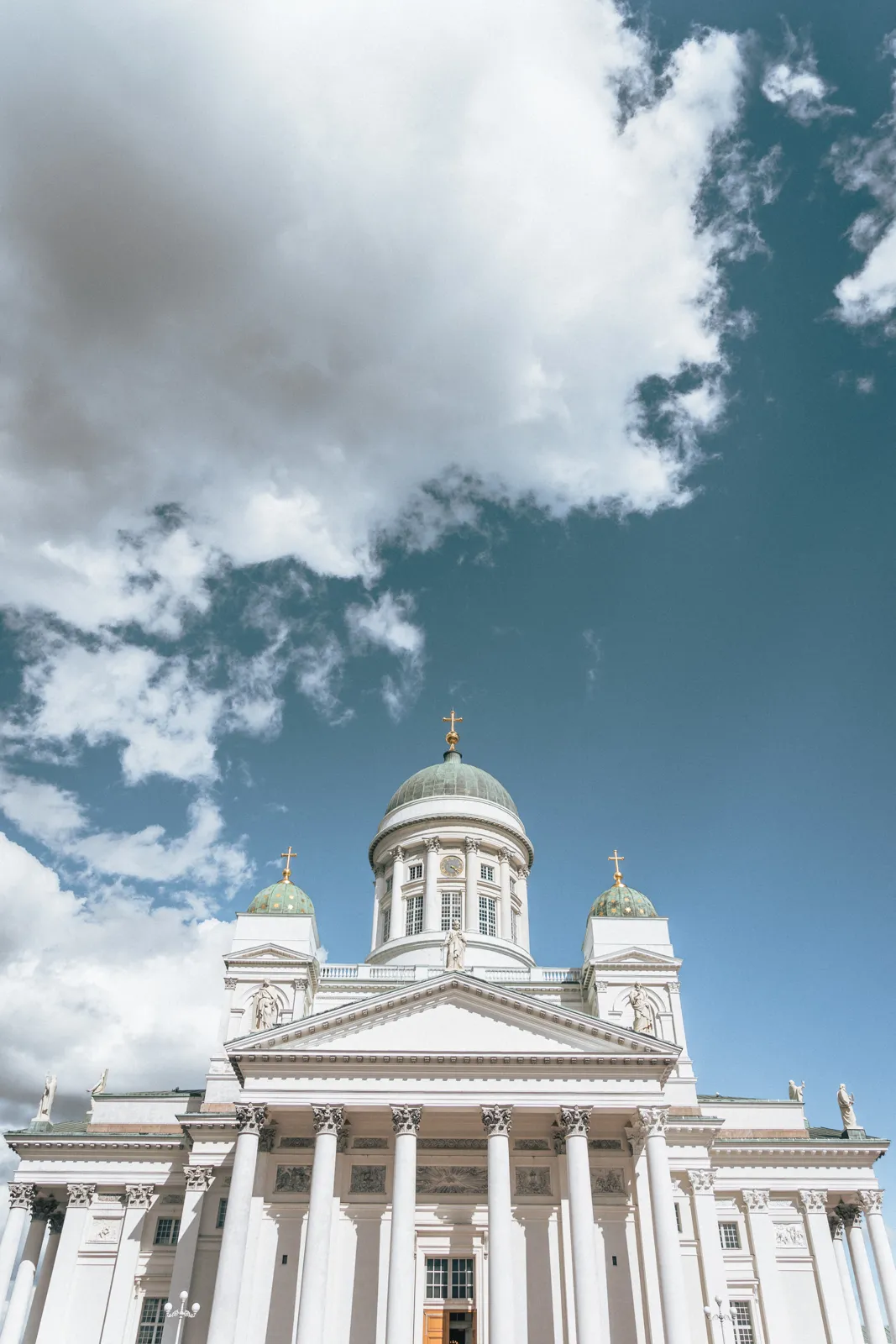
Zagreb, the capital of Croatia, is more a Central European city than an Adriatic one: a medieval upper town (Gornji Grad), an Austro-Hungarian lower town with large parks, café terraces and one of Europe’s most popular Advent markets. What are the things to do in Zagreb? One or two days are enough for Ban Jelačić Square, Dolac market, St Mark’s Church, the funicular and the Museum of Broken Relationships; an extra day allows a trip to the Plitvice Lakes, about 106 km (66 mi) away as the crow flies.
This guide brings together the highlights, a 1-, 2- or 3-day plan, day trips with their distances, the month-by-month climate (DHMZ normals) and our calculations: Advent temperatures, sunset times and the chance of rain over a week.

Our travel deals for Zagreb
Affiliate links: we earn a commission, at no extra cost to you.
 FlightsKiwi.comCompare flights and airline combinations to Zagreb.Compare flights

Zagreb at a glance
- Country Croatia (European Union, Schengen area, eurozone)
- Language Croatian; English widely spoken
- Currency euro (since January 2023)
- Time zone UTC+1, UTC+2 in summer (one hour ahead of London, six hours ahead of New York)
- Airports Zagreb Franjo Tuđman Airport, southeast of the city; nonstop or connecting flights depending on airline and season
- Entry US and UK citizens: no visa for up to 90 days in any 180-day period (Schengen area) (travel.state.gov, GOV.UK)
- Suggested length 1 to 2 days for the city, 3 days with Plitvice
Things to do in Zagreb: the highlights
Ban Jelačić Square
The city’s meeting point, between the upper and lower towns, the square has the equestrian statue of Ban Josip Jelačić. The blue trams cross here; it is the natural starting point for a walking tour.
Dolac market
Just above the square, Dolac market spreads its red umbrellas every morning: fruit, vegetables, fresh cheese, flowers. The covered halls house meat and fish. Come early; things slow down in the early afternoon.
The cathedral
The Cathedral of the Assumption, with its two neo-Gothic spires, towers over the city. It was damaged in the March 2020 earthquake and is undergoing restoration: check access before you visit.
The upper town: St Mark’s, the Stone Gate, Lotrščak Tower
Gornji Grad brings together St Mark’s Church, with its glazed tile roof showing the coats of arms of Croatia and Zagreb, the Parliament and the government palace, the Stone Gate (Kamenita vrata) with its votive chapel, and Lotrščak Tower, from which a cannon is fired every day at noon. The Strossmayer promenade looks out over the lower town.
The funicular
Opened in 1890, the funicular links Tomićeva Street (lower town) with Lotrščak Tower. Its very short ride makes it one of the shortest in the world: people take it mostly for the experience.
Museum of Broken Relationships
In the upper town, this unusual museum displays objects donated anonymously from around the world, each with the story of a breakup. It is one of Zagreb’s most talked-about visits.
Tkalčićeva Street
A former stream that was covered over, Tkalčićeva Street lines up cafés and bars along colorful facades: the place for a coffee break, a local institution.
The lower town and the « Green Horseshoe »
To the south, the lower town (Donji Grad) is built around a U-shaped sequence of parks and squares laid out in the 19th century, the « Lenuci Horseshoe »: Zrinjevac Park, the Croatian National Theatre, the Botanical Garden. Museums (the Mimara, the Museum of Contemporary Art further south) round off the visit.
Mirogoj Cemetery and Maksimir Park
Mirogoj Cemetery, to the north, is a monumental park with ivy-covered arcades and domes. To the east, Maksimir Park, one of the oldest public parks in the region, offers woods, lakes and the city zoo. For nature, the Medvednica massif and its summit, Sljeme, rise above the city to the north.
Itinerary: Zagreb in 1, 2 or 3 days
- 1 day: Ban Jelačić Square, Dolac market, the cathedral (outside, or inside depending on works), Tkalčićeva, the Stone Gate, St Mark’s, the Museum of Broken Relationships, Lotrščak Tower at noon, the funicular, then the lower town and Zrinjevac Park.
- 2 days: add Mirogoj, one or two museums, Maksimir Park and an evening in the lower town.
- 3 days: a day trip to the Plitvice Lakes, or to Samobor and Trakošćan Castle.
Day trips from Zagreb: Plitvice and around
| From central Zagreb | Straight-line distance | Highlights |
|---|---|---|
| Sljeme (Medvednica) | about 10 km (6 mi) | Mountain, hiking, city views |
| Samobor | about 21 km (13 mi) | Small baroque town, cream cakes |
| Trakošćan | about 50 km (31 mi) | Lakeside castle |
| Varaždin | about 61 km (38 mi) | Former baroque capital |
| Plitvice Lakes | about 106 km (66 mi) | UNESCO-listed national park, cascading lakes |
| Ljubljana (Slovenia) | about 117 km (73 mi) | Slovenian capital, another possible trip |
| Split (for comparison) | about 259 km (161 mi) | Dalmatian coast |
Plitvice Lakes National Park, a UNESCO World Heritage Site, lines up sixteen main lakes linked by waterfalls, explored on wooden boardwalks. From Zagreb you can go on an organized tour, by coach or by car. Tickets are sold on the park’s official online ticketing site: in high season, buy in advance and arrive early. The UK FCDO warns of unexploded mines in the more remote areas of the park: stay on the marked paths.
- You only have one day: an organized tour or an early coach, back in the evening.
- You are heading to the coast: stop at Plitvice on the way to Zadar or Split, with a night near the park.
- In winter: the park stays open, but some trails can be closed by snow; days are short (see the table below).
Zagreb at Advent: the Christmas market
Every winter, Advent in Zagreb (Advent u Zagrebu) turns the city into a sprawling Christmas market: stalls on the squares, an ice rink, concerts and lights. According to the official site adventzagreb.hr (checked 26 October 2026), the 2026 edition runs from 28 November 2026 to 7 January 2027. To compare with other cities, see our selection of Christmas markets in Europe.
| Month | High in Zagreb | Low in Zagreb | Sunset (15th) |
|---|---|---|---|
| November | 10.7 °C (51 °F) | 3.4 °C (38 °F) | 4:25 pm |
| December | 5.3 °C (42 °F) | −1.1 °C (30 °F) | 4:11 pm |
| January | 5.0 °C (41 °F) | −2.0 °C (28 °F) | 4:37 pm |
How to read it: in December, nights average below freezing (−1.1 °C / 30 °F) and afternoons barely reach 5 °C (42 °F). The sun sets around 4:10 pm: the market comes alive after dark, so bring warm clothes.
When to go to Zagreb
May-June and September are the most pleasant months to visit: 22 to 26 °C (72 to 79 °F) in the afternoon. July-August is hot (average high 28 °C / 83 °F) and stormy, and many locals head to the coast. From December to February, highs barely reach 5 to 8 °C (41 to 46 °F) and it often freezes at night, but December has Advent. It rains all year, more from May to November (75 to 105 mm / 3.0 to 4.1 in a month) than in winter (45 to 62 mm / 1.8 to 2.4 in). For the coast, see when to go to Croatia.
| Month | High °C (°F) | Low °C (°F) | Rain mm (in) | Rain days | Sunset (15th) | Day length | Verdict |
|---|---|---|---|---|---|---|---|
| January | 5.0 (41) | -2.0 (28) | 46 (1.8) | 10.2 | 4:37 pm | 9 h 04 | ❌ Cold, frost at night |
| February | 7.8 (46) | -1.2 (30) | 45 (1.8) | 10.0 | 5:22 pm | 10 h 24 | ⚠️ Cold |
| March | 13.0 (55) | 2.5 (36) | 48 (1.9) | 10.3 | 6:01 pm | 11 h 53 | ⚠️ Cool |
| April | 18.0 (64) | 6.6 (44) | 61 (2.4) | 12.6 | 7:42 pm | 13 h 32 | ✅ Mild, spring |
| May | 22.4 (72) | 11.0 (52) | 76 (3.0) | 13.4 | 8:20 pm | 14 h 56 | ✅ Ideal, some storms |
| June | 26.2 (79) | 14.7 (58) | 91 (3.6) | 12.6 | 8:47 pm | 15 h 42 | ✅ Warm, long days |
| July | 28.1 (83) | 16.2 (61) | 80 (3.1) | 11.4 | 8:43 pm | 15 h 22 | ⚠️ Hot and stormy |
| August | 28.1 (83) | 16.0 (61) | 86 (3.4) | 9.3 | 8:04 pm | 14 h 09 | ⚠️ Hot, quieter city |
| September | 22.6 (73) | 11.8 (53) | 104 (4.1) | 11.9 | 7:08 pm | 12 h 34 | ✅ Mild, wettest but pleasant |
| October | 17.0 (63) | 7.5 (46) | 88 (3.5) | 10.9 | 6:10 pm | 10 h 58 | ✅ Autumn colors |
| November | 10.7 (51) | 3.4 (38) | 87 (3.4) | 12.0 | 4:25 pm | 9 h 29 | ⚠️ Gray, Advent begins |
| December | 5.3 (42) | -1.1 (30) | 62 (2.4) | 11.8 | 4:11 pm | 8 h 41 | ⚠️ Cold, Advent market |
Our calculation: rainy days to expect over a week. January 2.3, February 2.5, March 2.3, April 2.9, May 3.0, June 2.9, July 2.6, August 2.1, September 2.8, October 2.5, November 2.8, December 2.7. Destination de Voyage calculation: monthly precipitation days (DHMZ, 1991-2020) × 7 / number of days in the month. Expect 2 to 3 days with rain over a week, whatever the month: keep a museum in reserve.
Getting around Zagreb
- On foot: the upper town and the center of the lower town are explored on foot.
- Tram: the tram network (ZET) covers the city; buy tickets before boarding or as indicated on board. The U.S. Department of State warns that trams travel at high speed through narrow streets: watch out when crossing.
- Funicular: between the lower and upper towns.
- Airport: Franjo Tuđman Airport is southeast of the city; buses and taxis to the center.
- Trains and coaches: the main train station and the bus station serve Croatia and neighboring countries.
Where to stay in Zagreb
| Area | Best for | Highlights |
|---|---|---|
| Lower town (Donji Grad) | First visit | Everything on foot, near the main station, cafés |
| Upper town (Gornji Grad) | Couples, charm | Quiet in the evening, lanes; more steps |
| Around Tkalčićeva | Nightlife | Bars and restaurants; livelier |
| Near the bus station | Early departure to Plitvice | Handy for coaches |
Entry requirements, health and safety
- US citizens: according to the U.S. Department of State (travel.state.gov, last updated December 11, 2025), you do not need a visa for tourism or business stays of less than 90 days within a 180-day period. Your passport must have at least three months’ validity when you leave Croatia. You must register with the local police within three days of arrival; hotels and vacation rentals do it for you.
- UK citizens: according to the UK FCDO (GOV.UK, updated 11 August 2026), you can travel to the Schengen area, including Croatia, without a visa for up to 90 days in any 180-day period. Your passport must have been issued less than 10 years before you arrive and be valid for at least 3 months after you plan to leave; you may need to show a return or onward ticket. The EU Entry/Exit System (EES) may require you to register your fingerprints and photo at the border.
- Safety: the U.S. Department of State rates Croatia Level 1: Exercise Normal Precautions. Pickpockets operate in tourist areas (UK FCDO); always carry your passport.
- Earthquakes: they can be strong in Croatia; in recent years, earthquakes in Zagreb and in Petrinja caused extensive damage (UK FCDO).
- Mines: outside the tourist areas, beware of unexploded mines in former war-affected areas, including Karlovac County and the more remote parts of Plitvice Lakes National Park: stay on marked paths (UK FCDO, GOV.UK, updated 11 August 2026).
- Health: health risks include biting insects and ticks (UK FCDO): protect yourself in the woods (Medvednica, Plitvice). UK travelers need a GHIC or EHIC for state healthcare, but there is always a charge for treatment, up to €530: take out travel insurance.
- Emergencies: 112 (ambulance, fire, police).
- See our travel insurance guide.
Practical tips for Zagreb
- Money: euro; cards are widely accepted.
- Phone: check your roaming plan; an eSIM can complement it.
- Food: štrukli (pastry filled with fresh cheese), burek, sarma, and Samobor’s cream cakes.
- Places of worship: dress modestly in churches.
Frequently asked questions
How many days do you need to visit Zagreb?
One day for the essentials (upper town, Dolac, St Mark’s, funicular), two to add Mirogoj, Maksimir and museums, three with the Plitvice Lakes.
Can you visit the Plitvice Lakes from Zagreb?
Yes, as a day trip: the park is about 106 km (66 mi) away as the crow flies. Buy your ticket in advance on the park’s official site in high season.
When is the Zagreb Christmas market?
The 2026 edition of Advent in Zagreb runs from 28 November 2026 to 7 January 2027, according to the official site adventzagreb.hr.
How do you get to Zagreb?
Fly into Zagreb Franjo Tuđman Airport, with nonstop or connecting flights depending on the season, or arrive by train or coach from neighboring countries. Check current routes with the airport and airlines.
What currency is used in Zagreb?
The euro, since 1 January 2023.
Our sources
- Advent in Zagreb, adventzagreb.hr: 2026 dates, checked 26 October 2026
- DHMZ: 1991-2020 normals (Croatian Meteorological and Hydrological Service), Zagreb-Maksimir station, via the Wikipedia article « Zagreb »
- Destination de Voyage calculation: rainy days per 7 days, sunset and day length (NOAA algorithm), straight-line distances
- U.S. Department of State, Croatia country information (travel.state.gov, last updated December 11, 2025) and Croatia travel advisory (Level 1), read on 26 October 2026
- UK FCDO, foreign travel advice for Croatia (GOV.UK, updated 11 August 2026), read on 26 October 2026
- Our methodology
Updated October 2026.
To plan the rest of your trip, see our Croatia travel guide and our map of Croatia, Dubrovnik on the coast, or continue to Ljubljana, Budapest and Vienna.