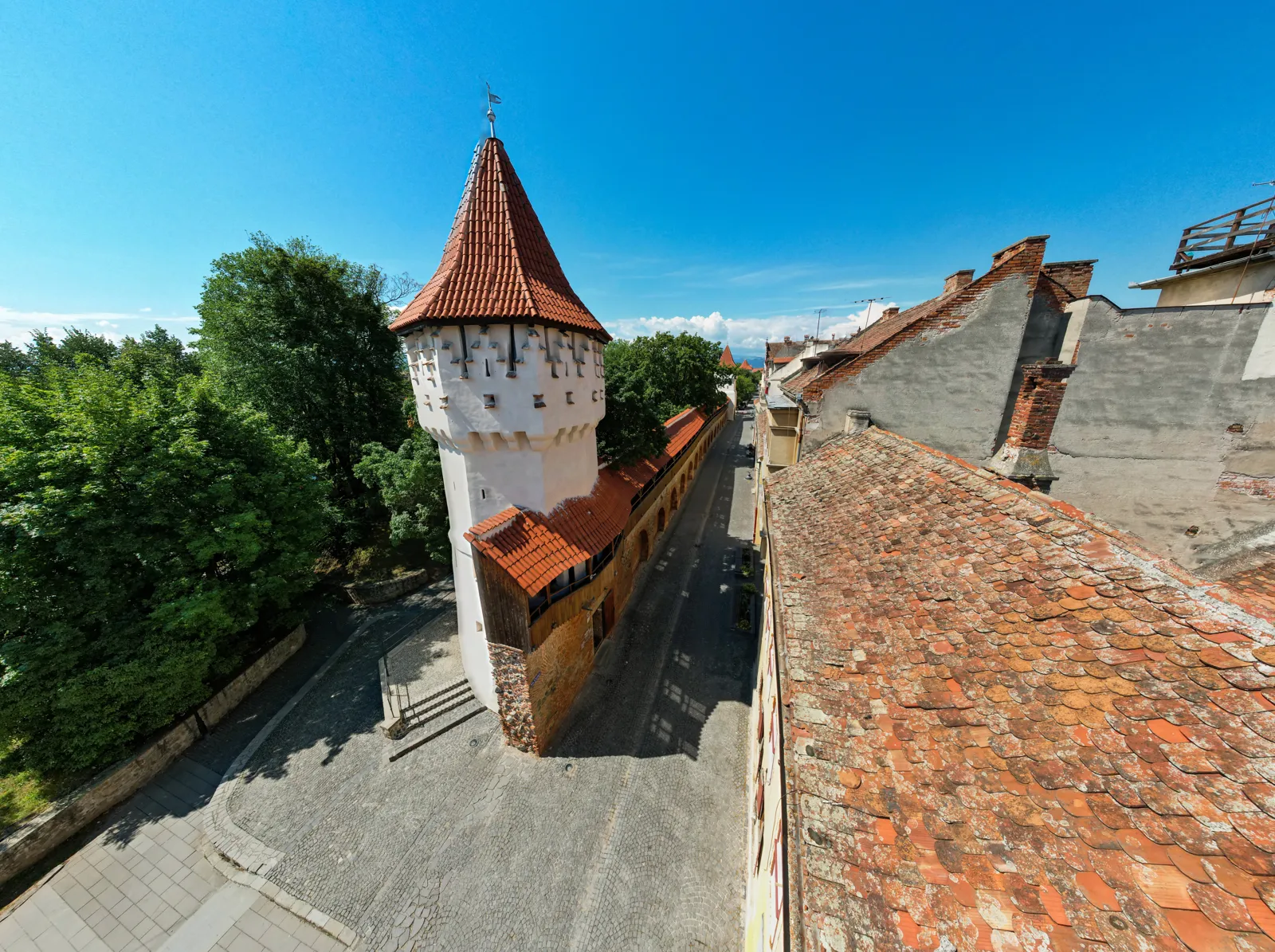
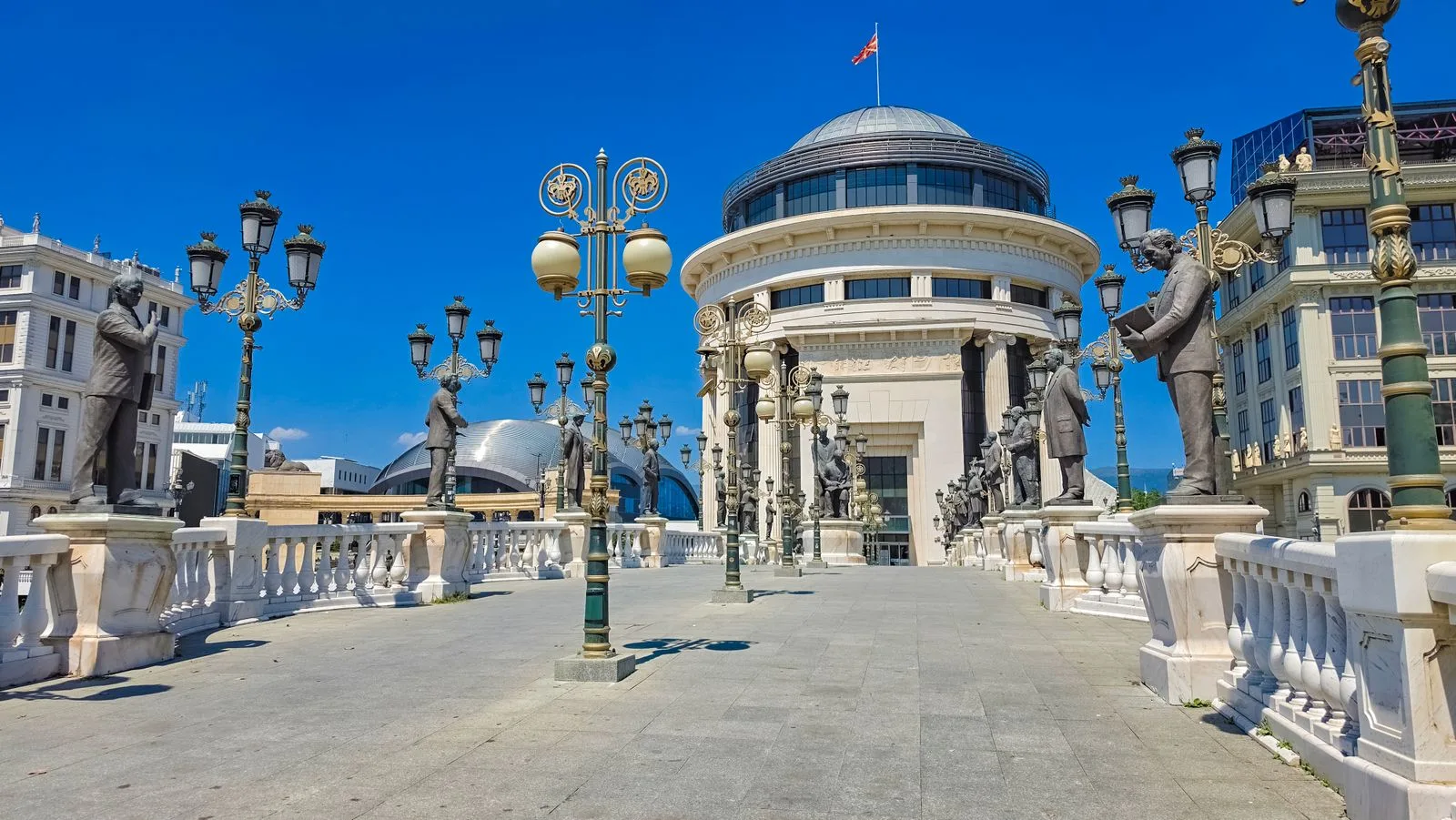
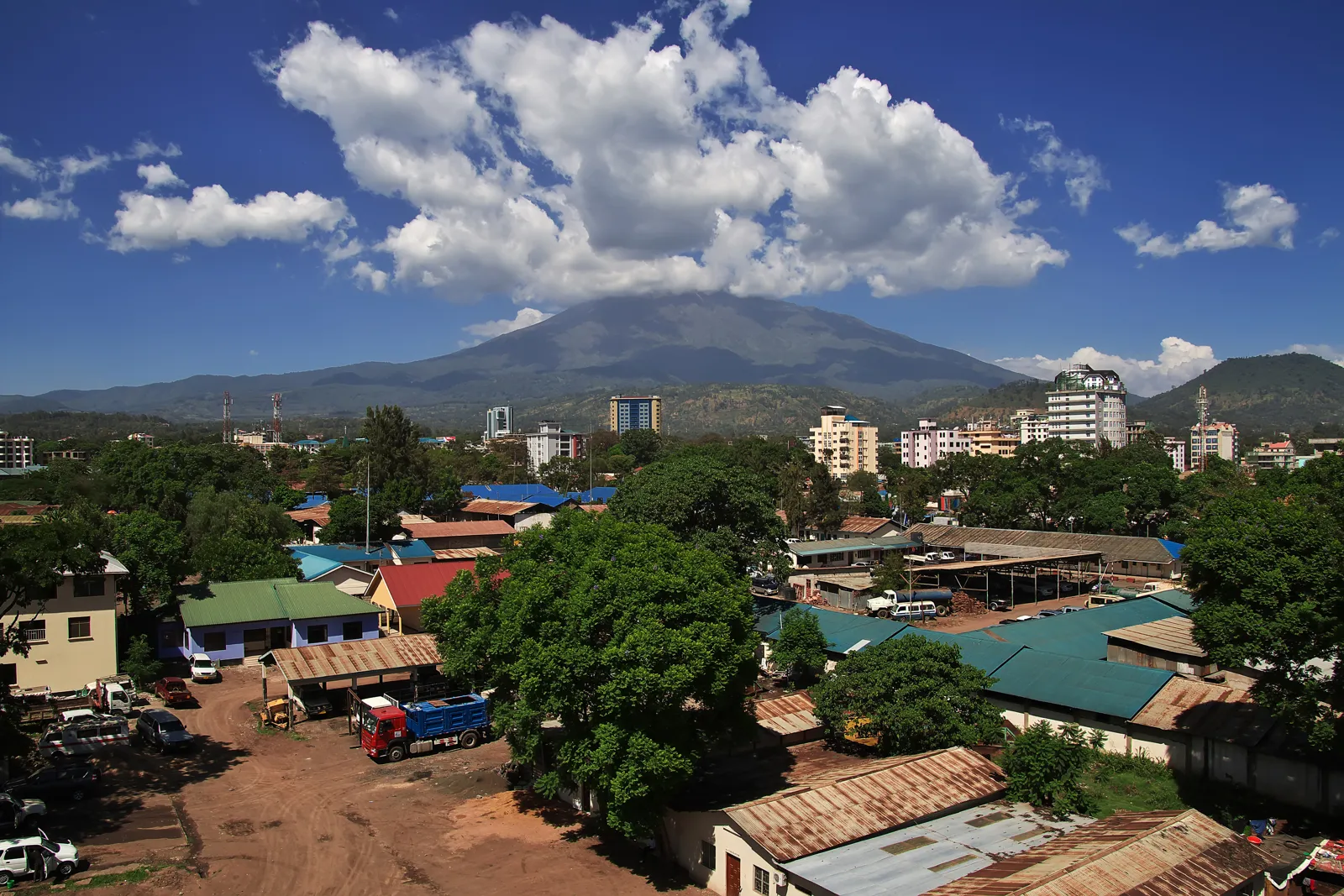
Cluj-Napoca, or simply Cluj, the second city of Romania, is the historic capital of Transylvania: a university city with a Baroque and Gothic centre, which also serves as a base for the Turda salt mine and the Apuseni Mountains. People come for Unirii Square and St Michael’s Church, the museums, the botanical garden, the cultural life and the festivals. This guide to things to do in Cluj-Napoca covers what to do, when to go according to the official climate normals, and what the US and UK governments say about entry and safety.
Time zoneUTC+2 (UTC+3 in summer): 2 hours ahead of London, 7 hours ahead of New York
Climateaverage high of 0.9 °C (33 °F) in January and 27 °C (81 °F) in August; June is the wettest month (WMO 1991–2020 normals)
Entryno visa for up to 90 days for US and UK citizens (Schengen rules); see travel.state.gov and GOV.UK
Things to doUnirii Square, St Michael’s Church, Avram Iancu Square, museums, botanical garden, Cetățuia, Salina Turda
Things to do in Cluj: the highlights
Unirii Square and St Michael’s Church
The city is organized around Unirii Square (Union Square) and St Michael’s Church, built in the late 14th century in the Gothic style. Its neo-Gothic tower, added in the 19th century, is the tallest church tower in Romania. In front of the church stands the equestrian statue of Matthias Corvinus, King of Hungary, who was born in Cluj. Nearby, Museum Square (Piața Muzeului) corresponds to the core of the Roman and then medieval town.
Avram Iancu Square, the Orthodox cathedral and the National Theatre
East of the centre, Avram Iancu Square brings together a monumental ensemble from the late 19th and early 20th centuries: the Palace of Justice, built between 1898 and 1902, the National Theatre, a neo-Baroque building designed by the Viennese firm Fellner and Helmer, and the Orthodox cathedral, built between the wars.
The museums
Cluj has many museums: the National History Museum of Transylvania, the Art Museum, the Pharmacy Museum, and the museums of Babeș-Bolyai University (mineralogy, palaeontology, speleology). The Transylvanian Ethnographic Museum presents a large collection of traditional objects and an open-air park, the oldest of its kind in Romania, created in 1929, in the Hoia forest. Check opening days on each museum’s site.
The botanical garden and the central park
The Babeș-Bolyai University botanical garden holds a wide variety of plants and a Japanese garden. The central park, created in the 19th century, surrounds an artificial lake with an island and the former Chios casino. For an overview of the city, climb Cetățuia hill.
Around Cluj: Salina Turda and Bonțida Castle
In the neighbouring town of Turda, the Salina Turda salt mine, worked from the Middle Ages until 1932, has been open to visitors since 1992; its Rudolf Mine is the most spectacular chamber. To the north-east, the Bánffy Castle at Bonțida, nicknamed the “Versailles of Transylvania”, is being restored. The Turda Gorge and the Apuseni Mountains attract hikers.
Cluj in 2 days
Day 1: Unirii Square and St Michael’s Church, Museum Square, the National History Museum of Transylvania, Avram Iancu Square, an evening at the National Theatre.
Day 2: botanical garden in the morning, the Ethnographic Museum, sunset from Cetățuia; or half a day at Salina Turda.
When to go to Cluj: climate month by month
Cluj has a continental climate: cold, often snowy winters and hot summers with thunderstorms. The table combines the official normals with our astronomical calculations.
Month
Avg. max
Avg. min
Rain
Rainy days (≥ 1 mm)
Day/night gap
Sunrise / sunset (15th)
Daylight
January
0.9 °C (34 °F)
−5.2 °C (23 °F)
27 mm (1.1 in)
6.7
6.1 °C (11 °F)
8:06 am / 5:03 pm
8 h 57 min
February
4.1 °C (39 °F)
−3.8 °C (25 °F)
25 mm (1.0 in)
6.8
7.9 °C (14 °F)
7:30 am / 5:49 pm
10 h 19 min
March
10.2 °C (50 °F)
−0.1 °C (32 °F)
35 mm (1.4 in)
7.0
10.3 °C (19 °F)
6:39 am / 6:30 pm
11 h 51 min
April
16.6 °C (62 °F)
4.7 °C (40 °F)
51 mm (2.0 in)
8.5
11.9 °C (21 °F)
6:39 am / 8:13 pm
13 h 34 min
May
21.4 °C (71 °F)
9.1 °C (48 °F)
71 mm (2.8 in)
10.1
12.3 °C (22 °F)
5:51 am / 8:53 pm
15 h 02 min
June
24.9 °C (77 °F)
12.7 °C (55 °F)
91 mm (3.6 in)
10.6
12.2 °C (22 °F)
5:31 am / 9:21 pm
15 h 50 min
July
26.7 °C (80 °F)
14.2 °C (58 °F)
87 mm (3.4 in)
10.0
12.5 °C (22 °F)
5:46 am / 9:16 pm
15 h 30 min
August
27.0 °C (81 °F)
13.9 °C (57 °F)
65 mm (2.6 in)
7.1
13.1 °C (24 °F)
6:22 am / 8:36 pm
14 h 14 min
September
21.5 °C (71 °F)
9.6 °C (49 °F)
56 mm (2.2 in)
7.6
11.9 °C (21 °F)
7:02 am / 7:38 pm
12 h 35 min
October
15.6 °C (60 °F)
4.9 °C (41 °F)
45 mm (1.8 in)
7.0
10.7 °C (19 °F)
7:42 am / 6:39 pm
10 h 57 min
November
8.4 °C (47 °F)
0.6 °C (33 °F)
34 mm (1.3 in)
6.5
7.8 °C (14 °F)
7:27 am / 4:52 pm
9 h 24 min
December
1.9 °C (35 °F)
−3.6 °C (26 °F)
34 mm (1.3 in)
6.9
5.5 °C (10 °F)
8:03 am / 4:37 pm
8 h 34 min
Temperatures, precipitation and days with precipitation (≥ 1 mm): 1991–2020 normals for the Cluj-Napoca station (15120), Romanian National Meteorological Administration, published by the World Meteorological Organization (NOAA/NCEI archive). Day/night gap, sunrise, sunset and day length: Destination de Voyage calculations (NOAA solar algorithm, 15th of each month, Romanian time).
Reading the table: January is the coldest month (0.9 °C / 33 °F average high, −5.2 °C / 22 °F average low) and February the driest (25 mm / 1.0 in). June is the wettest (91 mm / 3.6 in), often as thunderstorms, and August the hottest (27.0 °C / 81 °F). In mid-June the day lasts 15 h 50 min; in mid-December only 8 h 34 min, with sunset at about 4:37 pm.
Frost, snow, heat and sun: our cross-table
Month
Frost days (min ≤ 0 °C / 32 °F)
Days with snow on the ground (> 1 cm / 0.4 in)
Days ≥ 30 °C (86 °F)
Hours of sunshine
January
26.7
16.8
0.0
70
February
21.6
12.6
0.0
101
March
15.4
4.7
0.0
159
April
3.4
0.4
0.0
189
May
0.2
0.0
0.5
230
June
0.0
0.0
3.3
253
July
0.0
0.0
6.6
266
August
0.0
0.0
7.6
261
September
0.0
0.0
1.2
190
October
4.2
0.0
0.0
154
November
13.7
2.4
0.0
89
December
23.0
10.5
0.0
55
1991–2020 normals for the Cluj-Napoca station (15120), Romanian National Meteorological Administration / WMO (NOAA/NCEI archive).
Key points: from May to September, frost and snow disappear; July and August concentrate the days at 30 °C (86 °F) or more (6.6 and 7.6 days on average) and the most sunshine. May, June and September offer mild temperatures for sightseeing on foot; from December to February it freezes almost every night, and snow covers the ground more than one day in two in January.
Cluj hosts several festivals, including the Transylvania International Film Festival (TIFF), held since 2001, and music festivals in summer. Dates change every year: check them on the official sites before you book.
Getting to Cluj and getting around
Cluj has an international airport. Connections change with the seasons: check the destinations on the airport’s official site. You can also arrive by train or bus from Bucharest and the other towns of Transylvania. The historic centre is visited on foot; city buses serve the outer districts.
Transfers, car and excursions
For Salina Turda, the Apuseni Mountains or a tour of Transylvania, a rental car gives flexibility. The UK FCDO says road conditions in Romania are variable and that driving standards can be poor, and the U.S. Department of State notes that many secondary roads are poorly lit, narrow and lack marked lanes. Before booking a rental or a transfer, compare the direct rental company and resellers: insurance, excess, cancellation terms.
Where to stay in Cluj
The historic centre, between Unirii Square, Museum Square and Avram Iancu Square, lets you do everything on foot. During the big festivals, availability fills up quickly: book early.
Entry requirements, health and safety
US citizens: according to the U.S. Department of State (travel.state.gov, last updated November 12, 2025), Romania follows Schengen rules: your passport must be valid for at least three months beyond your departure date from Romania. You can stay up to 90 days in any 180-day period for tourism or business without a visa, and you need sufficient proof of funds and a return plane ticket.
UK citizens: according to the UK FCDO (GOV.UK, updated 18 September 2026), Romania follows Schengen rules: you can travel without a visa for up to 90 days in any 180-day period. Your passport must have been issued less than 10 years before the date you arrive and expire at least 3 months after the date you plan to leave the Schengen area. You may need to show a return or onward ticket and enough money for your stay, and to register your fingerprints and photo under the EU Entry/Exit System (EES).
The two sources agree on the 90-day visa-free stay and the three-month passport rule. For anything else, check with the Romanian embassy in your country. See also our guide to entry requirements.
These points from the official sources matter most for a stay in Cluj:
Theft: the UK FCDO warns of petty theft in large towns, especially Bucharest: thieves use distraction techniques and can carry out organised attacks in groups. Take care of your passport, money and belongings. The U.S. Department of State says robbery, pickpocketing, internet scams and credit card fraud are the most commonly reported crimes.
Roads: the FCDO says road conditions are variable, that roads can be in a bad state of repair and that driving standards can be poor. The State Department adds that many secondary roads are poorly lit, narrow and lack marked lanes, and that mountain roads are dangerous when wet or covered with snow or ice. You must pay the road toll (rovinieta) to use national roads: buy a vignette at border points and most petrol stations.
Driving licence: the FCDO says you can use a UK photocard driving licence to drive in Romania; hire car companies may have stricter requirements, such as a year of driving experience, a minimum age and an international driving permit (IDP).
Earthquakes: Romania is in a seismically active area and tremors happen regularly, with the greatest risk in Bucharest (UK FCDO; U.S. Department of State).
Health: UK travelers need a GHIC or EHIC for medically necessary state healthcare (UK FCDO); take out travel insurance in any case.
Emergencies: 112 (ambulance, fire, police).
If you plan to hike in the Carpathians or the Apuseni, ask locally about trail and wildlife conditions before you set off, and follow marked trails.
Staying connected and paying
Romania is in the European Union, but roaming for US and UK plans depends on your provider: check your charges before you leave. The currency is the Romanian leu: see our currency converter and our travel eSIM guide.
If you… then…
If you…
Then…
Want to sightsee on foot without heat or frost
Aim for May, June or September (21 to 25 °C / 70 to 77 °F average highs)
Want the most sun
July–August: over 260 hours a month, but 6 to 8 days at 30 °C (86 °F) or more
Like snow and winter atmosphere
December to February, with frost almost every night
Come for a festival
Check the dates on the official site and book accommodation early
Hike in the Apuseni or the Carpathians
Ask locally about conditions and follow marked trails
Have one day outside the city
Salina Turda or the Turda Gorge
Frequently asked questions
What is there to do in Cluj-Napoca?
Unirii Square and St Michael’s Church, Avram Iancu Square and the National Theatre, the museums (history of Transylvania, ethnography, art), the botanical garden, Cetățuia hill, and the Turda salt mine as an excursion.
How many days do you need in Cluj?
Two days are enough for the centre, the museums and the botanical garden; add a day for Salina Turda or the mountains.
When should you go to Cluj?
May, June and September for mild temperatures; July–August for sun and festivals, with a few hot days; winter is cold and often snowy.
Is it cold in Cluj in winter?
Yes: in January the average high is 0.9 °C (33 °F) and the average low −5.2 °C (22 °F), with nearly 27 frost days (1991–2020 normals).
Do US and UK citizens need a visa for Cluj?
No, not for up to 90 days in any 180-day period, according to the U.S. Department of State (November 12, 2025) and the UK FCDO (18 September 2026); your passport must meet Schengen validity rules.
How do you get from Cluj to Salina Turda?
The mine is in Turda, a neighbouring town in the same county: by car, bus or organized excursion.
Our sources
UK FCDO, Romania foreign travel advice (GOV.UK, updated 18 September 2026): entry requirements, safety and security, road travel, natural disasters; read 26 October 2026
U.S. Department of State, Romania country information (travel.state.gov, last updated November 12, 2025): entry and exit requirements, safety and security, transportation; read 26 October 2026
World Meteorological Organization, 1991–2020 climate normals, Cluj-Napoca station (15120) (NOAA/NCEI archive)
English Wikipedia articles “Cluj-Napoca” and “Turda Salt Mine”
Astronomical calculations: NOAA solar algorithm, applied by Destination de Voyage to the coordinates of Cluj (15th of each month, year 2027)


 FlightsKiwi.comCompare flights and airline combinations to Cluj-Napoca.Compare flights