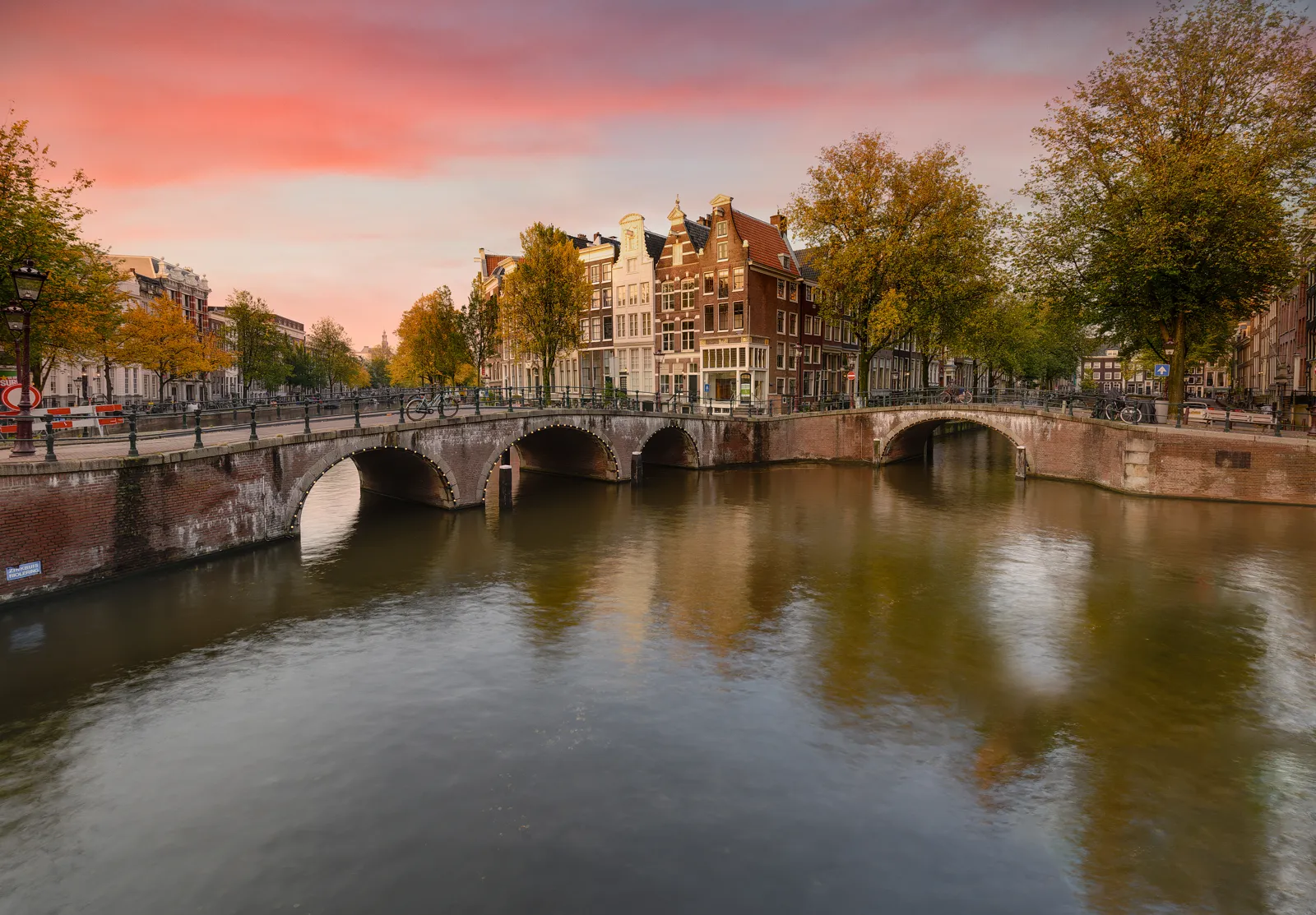
Visit Athens and you go, in a few streets, from the Acropolis and its Parthenon to the lanes of Plaka, the markets of Monastiraki and the café terraces of Psyrri. The Greek capital has the country’s greatest ancient sites, first-rate museums and neighbourhoods that stay lively late into the evening. This guide helps you plan 3 to 5 days to visit Athens: what to do in Athens, which area to stay in, the best time to go, the budget and day trips to Sounion, Delphi or the Saronic Gulf islands.
Our travel deals for Athens
Affiliate links: we earn a commission, at no extra cost to you.
FlightsKiwi.comCompare flights and airline combinations to Athens.
AirportsAthens International Airport Eleftherios Venizelos (ATH), east of the city, linked to the centre by metro(line 3), suburban rail and express buses
Ideal length3 days, plus one or two days for excursions
Best timeApril-May and late September-October
Time zoneUTC+2, UTC+3 in summer: 2 hours ahead of London, 7 hours ahead of New York · detailsLocal time now: –:–
EntrySchengen area: no visa for up to 90 days for US citizens (tourism or business) and UK citizens (in any 180-day period) · US: travel.state.gov · UK: GOV.UK
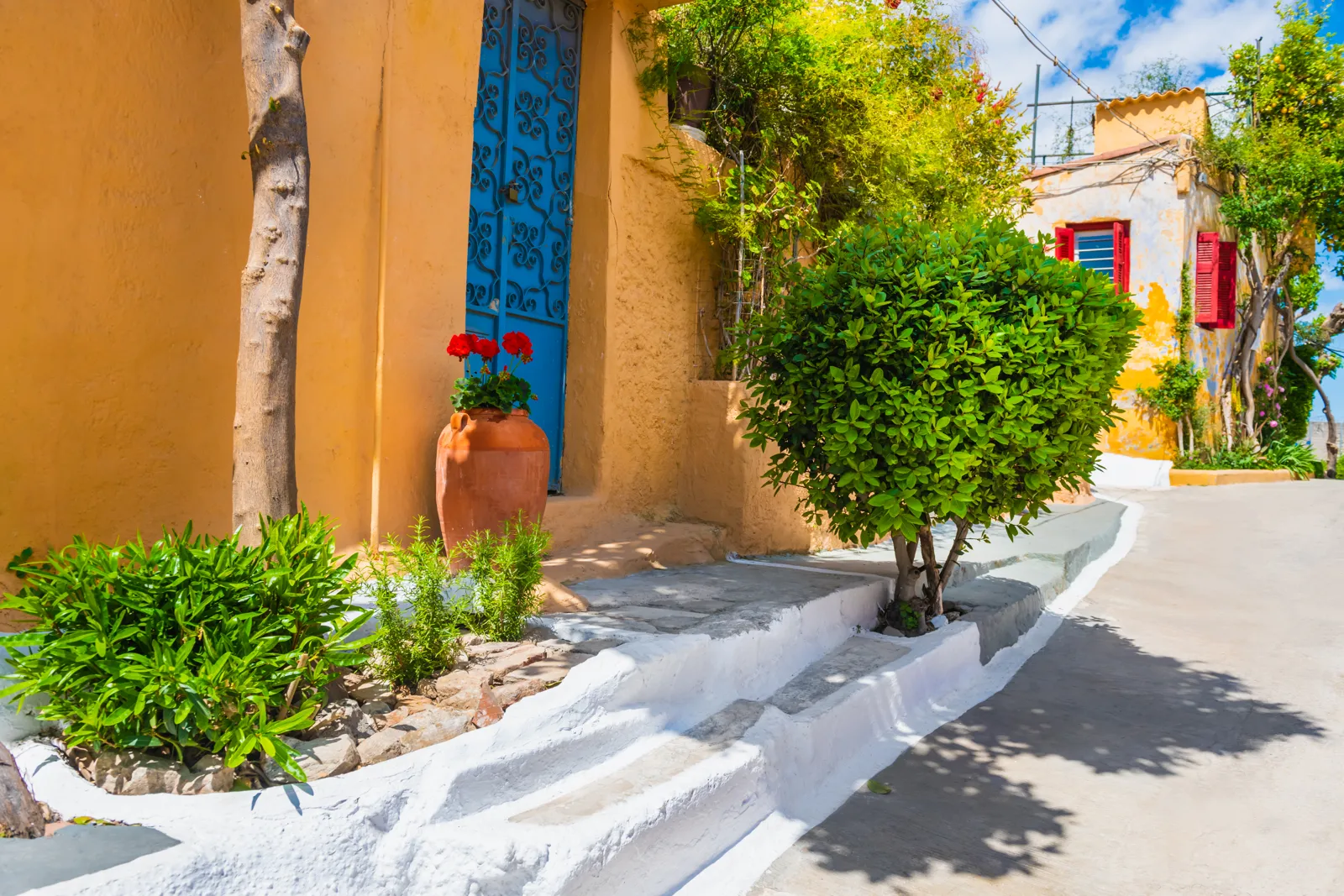
Lane with colourful facades in the Plaka district of Athens
The Acropolis and the Parthenon
On its rock in the heart of the city, the Acropolis brings together the Propylaea, the small temple of Athena Nike, the Erechtheion with its caryatids, and the Parthenon, built in the 5th century BC. It is the most visited site in Greece: in high season, buy your ticket in advance from the official ticketing channels. Come at opening time or in the late afternoon and bring water, a hat and shoes with good grip, as the polished marble is slippery. During heatwaves the site may close during the hottest hours.
The Acropolis Museum
At the foot of the rock, this modern museum displays the sculptures and objects found on the Acropolis. The glass-walled top-floor gallery matches the dimensions of the Parthenon and shows its friezes facing the monument. On the ground floor, transparent floors reveal the remains of an ancient neighbourhood. Allow two to three hours; it is a good visit for the hottest part of the day.
The Ancient Agora, the Roman Agora and Hadrian’s Library
The Ancient Agora was the political and commercial centre of the city. Here you can see the Temple of Hephaestus, one of the best-preserved Greek temples, and the reconstructed Stoa of Attalos, which houses a small museum. A few minutes away, the Roman Agora keeps the Tower of the Winds, an ancient water clock and sundial, and Hadrian’s Library lines Monastiraki Square.
Plaka, Anafiotika and Monastiraki
Plaka, at the foot of the Acropolis, is the oldest inhabited district: neoclassical houses, small Byzantine churches, pedestrian streets and tavernas. Above it, Anafiotika looks like a Cycladic village, with white houses packed against the rock. Monastiraki, around its square, has a flea market and shops; Sunday is the busiest day. Neighbouring Psyrri and Thissio are the districts for bars and restaurants in the evening.
The Temple of Olympian Zeus and the Panathenaic Stadium
Of the huge Temple of Olympian Zeus, completed under the emperor Hadrian, about fifteen columns remain, near Hadrian’s Arch. Ten minutes’ walk away, the all-marble Panathenaic Stadium hosted the first modern Olympic Games in 1896. You can walk around the track and climb the stands.
Syntagma, Parliament and the National Garden
Syntagma Square faces the Parliament, in front of which the evzones, soldiers of the presidential guard in traditional uniform, change guard at the Tomb of the Unknown Soldier. The neighbouring National Garden offers shade in summer. The UK FCDO (updated 11 August 2026) notes that demonstrations often take place around the main squares of central Athens, in particular Syntagma: keep away from gatherings.
The National Archaeological Museum
This is the largest museum of ancient Greek art: the mask of Agamemnon found at Mycenae, the bronze statue of Zeus or Poseidon from Cape Artemision, frescoes from Akrotiri (Santorini) and the Antikythera mechanism. It lies north of the centre, in the Exarchia district. Allow at least half a day. For Cycladic art, the Museum of Cycladic Art in Kolonaki is a good complement. The Akrotiri frescoes shown here may make you want to see the site itself: choose carefully when to go to Santorini to enjoy the island away from the crowds.
Lycabettus Hill and Philopappos Hill
Two hills offer the best views. Lycabettus, the highest point in central Athens, can be climbed on foot or by funicular from Kolonaki; the view reaches Piraeus. Philopappos Hill, opposite the Acropolis, is an easy climb on paved paths and very popular at sunset, with the Parthenon in the foreground.
Day trips from Athens
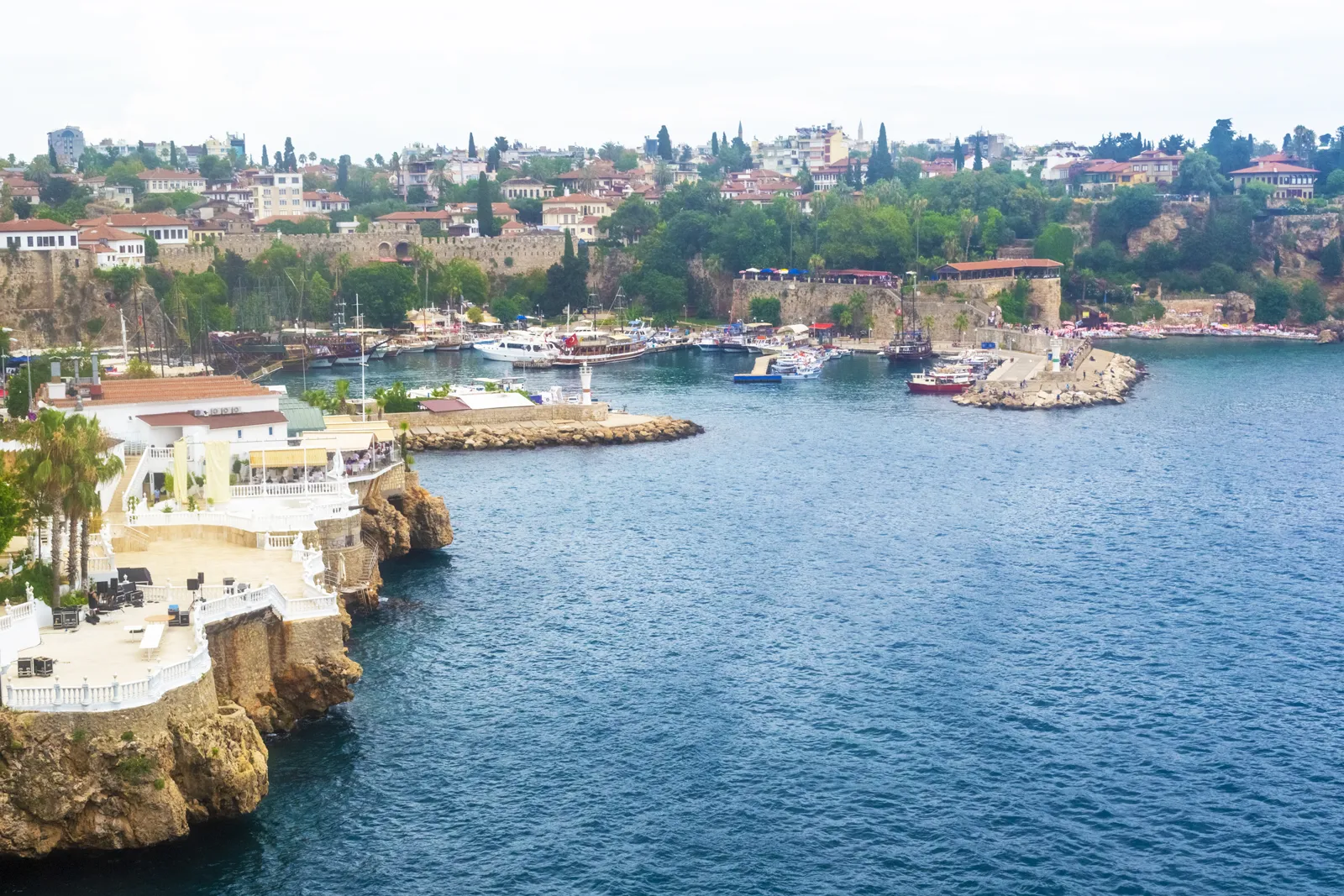
Cape Sounion and its Temple of Poseidon above the sea are about an hour and a half away by the coast road; the sunset draws crowds. Delphi, the sanctuary of Apollo and a UNESCO World Heritage Site, is about three hours by road: a full day, or a night there. From Piraeus, ferries serve the car-free Saronic Gulf islands such as Aegina or Hydra. In the Argolis, Nafplio, Mycenae and the theatre of Epidaurus make a fine two-day loop.
Athens neighbourhoods: where to stay
Plaka: at the foot of the Acropolis, pedestrianised and picturesque, expensive and touristy
Monastiraki and Psyrri: central and lively, ideal for going out; noisy in the evening
Koukaki and Makrygianni: behind the Acropolis Museum, more residential, a good compromise for a first stay
Syntagma: very well connected (metro to the airport), classic hotels
Kolonaki: elegant, shops and cafés, at the foot of Lycabettus, more expensive
Piraeus: handy the night before an early ferry, far from the sights
For a first stay, Koukaki, Plaka or Monastiraki let you do everything on foot. In summer, check that your room has air conditioning. Hotels with a roof terrace and Acropolis view are plentiful but should be booked early for May-June and September.
Itinerary: 3 to 5 days in Athens
Day 1: the Acropolis at opening time, the Acropolis Museum during the hottest hours, then Plaka, Anafiotika and Philopappos Hill at sunset
Day 2: the Ancient Agora, the Roman Agora, Hadrian’s Library and Monastiraki; dinner in Psyrri or Thissio
Day 3: the Temple of Olympian Zeus, the Panathenaic Stadium, Syntagma and the National Garden; Lycabettus at the end of the day
Day 4: the National Archaeological Museum in the morning, Cape Sounion in the afternoon
Day 5: a day trip to Delphi, or a ferry to Aegina or Hydra
Athens is also the natural starting point for the Cyclades: to continue to an island, see our guide to the Greek islands or our Santorini guide.
When to go to Athens
The best time to visit Athens is April to May and late September to October: 20 to 24 °C (68 to 75 °F) in the afternoon, little rain and less crowded sites. July and August are very hot, averaging 32 °C (90 °F) on the coast and more in the centre, with heatwaves possible. Winter is mild but wetter, with low prices. Athens has a Mediterranean climate: dry and sunny from June to September, with rain concentrated from November to February.
The table shows the normals for the coastal Elliniko station, published by the Greek national weather service. The city centre, further from the sea, is generally a little hotter in summer.
Month
Avg max
Avg min
Rain
Crowds
Prices
Verdict
January
13.6 °C (56 °F)
7.0 °C (45 °F)
48 mm (1.9 in)
Low
Low
⚠️ Mild but rainy, quiet sites
February
14.1 °C (57 °F)
7.1 °C (45 °F)
39 mm (1.5 in)
Low
Low
⚠️ Cool, low prices
March
15.9 °C (61 °F)
8.5 °C (47 °F)
42 mm (1.7 in)
Low to medium
Low → medium
⚠️ Early spring, changeable weather
April
19.6 °C (67 °F)
11.5 °C (53 °F)
26 mm (1.0 in)
Medium (Easter)
Medium
✅ Mild, ideal for the sites
May
24.4 °C (76 °F)
15.8 °C (60 °F)
14 mm (0.6 in)
High
Medium → high
✅ The best month for walking
June
29.2 °C (85 °F)
20.3 °C (69 °F)
5 mm (0.2 in)
High
High
✅ Hot and dry, long evenings
July
32.2 °C (90 °F)
23.0 °C (73 °F)
6 mm (0.2 in)
Very high
High
❌ Heatwaves possible, sightsee early
August
32.2 °C (90 °F)
23.1 °C (74 °F)
6 mm (0.2 in)
Very high
High
❌ Very hot, crowds on the Acropolis
September
28.3 °C (83 °F)
19.6 °C (67 °F)
12 mm (0.5 in)
High
High
✅ Still hot, pleasant sea
October
23.4 °C (74 °F)
15.7 °C (60 °F)
46 mm (1.8 in)
Medium
Medium
✅ Mild, fewer people
November
18.8 °C (66 °F)
12.0 °C (54 °F)
60 mm (2.4 in)
Low
Low
⚠️ More frequent rain
December
15.1 °C (59 °F)
8.8 °C (48 °F)
62 mm (2.4 in)
Low
Low → medium (holidays)
⚠️ Mild for the season, rainy
Temperatures and rainfall: 1955-2010 normals from the Hellenic National Meteorological Service (HNMS), Athens-Elliniko station, on the coast. Crowds and prices: estimate based on the tourist seasons.
Spring (April-May): 20 to 24 °C (68 to 75 °F), green hills in flower, long days. Orthodox Easter, whose date changes every year, is a highlight: processions on Good Friday and on Saturday night, but some sites have reduced hours.
Summer (June-August): 29 to 32 °C (84 to 90 °F) on average, with much higher peaks during heatwaves. The Athens and Epidaurus Festival stages theatre and concerts, notably at the Odeon of Herodes Atticus. Visit the sites at opening time and keep the afternoon for museums.
Autumn (September-October): September stays hot and dry; October, milder, is one of the best months to combine sightseeing and swimming on the Athens Riviera. The Athens Marathon, on the historic route from Marathon, takes place in autumn.
Winter (November-March): 14 to 16 °C (57 to 61 °F) in the afternoon, several rainy days a month, rare cold spells. Sites and museums are quiet and prices at their lowest, but there are fewer ferries to the islands.
Plan
Best time
Ancient sites and museums
April-May, October
Athens + islands (Cyclades, Saronic Gulf)
June, September
Open-air performances
June to August (Athens and Epidaurus Festival)
Small budget, few people
November to March
Day trips (Delphi, Sounion, Argolis)
April-June, September-October
Festival and Orthodox Easter dates change every year: check them before booking.
Accommodation prices have risen noticeably in central Athens, while meals and transport remain moderate. Indicative amounts per person per day, excluding flights:
Item
Small budget
Comfort
Accommodation (based on a shared double room)
about €30 to €50
about €70 to €140
Meals
about €20 to €30
about €40 to €70
Transport (metro, bus)
about €3 to €6
about €6 to €15
Sightseeing
about €10 to €20
about €25 to €40
Total per day
about €60 to €100
about €140 to €250
Indicative estimates that vary with the season. The Acropolis ticket is the biggest sightseeing cost; check prices and any free-admission days on the official channels of the Greek Ministry of Culture.
To keep costs down: eat souvlaki, pitta or in neighbourhood tavernas away from Plaka, and enjoy the hills and the National Garden, which are free. By law, restaurants must give you an itemised bill (UK FCDO).
Getting around Athens
From the airport: according to This is Athens, the Athens Convention & Visitors Bureau (checked 26 October 2026), metro line 3 reaches Syntagma in about 40 minutes; the X95 express bus runs to Syntagma and the X96 to Piraeus. Taxis charge a flat fare to the city centre, with a day rate and a night rate: check it before you get in.
On foot: the historic centre, from Syntagma to Thissio, is walkable, with long pedestrian streets around the Acropolis.
Metro, tram and bus: three metro lines, a tram to the coast (Glyfada) and a large bus network. The U.S. State Department notes that you must validate your ticket on the turnstile pad before boarding; inspectors can fine you up to 60 times the basic fare.
To the islands: ferries leave from Piraeus (metro line 1) and, for some Cyclades, from Rafina, near the airport.
Car: pointless in the city, where traffic is heavy; useful for Sounion, Delphi or the Argolis. Greek law requires US visitors to carry an International Driving Permit with their licence (travel.state.gov).
Entry requirements, health and safety
US citizens: Greece is in the Schengen area, so you may enter without a visa for up to 90 days for tourism or business. Greek law requires three months of passport validity beyond your departure date, but the State Department recommends at least six months; you must be able to show proof of sufficient funds and a return ticket if asked (U.S. Department of State, travel.state.gov, last updated February 19, 2026).
UK citizens: no visa for up to 90 days in any 180-day period in the Schengen area. Your passport must have been issued less than 10 years before you arrive and be valid for at least 3 months after the day you plan to leave; you may be asked for a return or onward ticket and proof of funds. Greek authorities have indicated they will not collect fingerprints and photos from UK travellers under the EU Entry/Exit System (UK FCDO, GOV.UK, updated 11 August 2026).
Health: UK travellers need a GHIC or EHIC for medically necessary state healthcare, which does not replace travel insurance (UK FCDO, updated 11 August 2026). The U.S. State Department notes that private hospitals usually require proof of insurance or cash and strongly recommends insurance covering medical evacuation.
Pickpockets: thefts of passports, wallets and handbags are common on the metro and in crowded tourist places, particularly in central Athens (UK FCDO, updated 11 August 2026). The U.S. State Department advises not leaving bags unattended, especially on the metro and the airport train, and avoiding standing near the doors.
Demonstrations: the State Department says demonstrators frequently gather in the Polytechnic University area, Exarchia, Omonia and Syntagma squares, and advises avoiding all areas affected by the annual 17 November demonstrations. Keep away from any gathering.
Wildfires: the UK FCDO (updated 11 August 2026) reports a high wildfire risk from April to October; causing a wildfire is a criminal offence in Greece, even if unintentional. Do not light fires or barbecues.
Earthquakes: there is a risk of earthquakes and tremors in Greece; follow the instructions of the local authorities. The UK FCDO advises enabling emergency alerts on your phone to receive the Greek government’s warnings.
Emergencies: call 112 (ambulance, fire, police); for an ambulance you can also dial 166 (UK FCDO). Visit Greece lists the Tourist Police on 1571 (24/7).
Times: Greeks eat late, often after 9 pm. Opening hours of archaeological sites change between summer and winter: check them the day before.
Dress: in churches and monasteries, cover shoulders and knees.
Shoes: bring soles with good grip for the marble of the Acropolis and the cobbled streets.
ID: both the UK FCDO and the U.S. State Department advise carrying your passport, as police may ask for identification.
Mobile data: check your home carrier’s roaming charges before you go.
Language: English is widely spoken; « kalimera » (good morning) and « efcharisto » (thank you) are appreciated.
Who is Athens for?
Our view, profile by profile, based on the information in this guide:
Profile
Our verdict
Culture and archaeology
Ideal: the Acropolis, the Agora, the National Archaeological Museum and day trips to Delphi, Mycenae or Epidaurus.
Short break
Ideal: three days cover the essentials.
Couples
Yes: sunset on Philopappos Hill, terraces with an Acropolis view, late dinners in Psyrri.
Families
Possible: the Panathenaic Stadium, Lycabettus by funicular and the National Garden, but the summer heat is intense and the Acropolis may close during the hottest hours.
Small budget
Yes: about €60 to €100 a day if you eat souvlaki or in neighbourhood tavernas.
Beach
As an extra: Cape Sounion and the Saronic Gulf islands (Aegina, Hydra) are easy to reach, but Athens remains a city destination.
Three days let you see the Acropolis, its museum, the agoras, Plaka and the National Archaeological Museum. Allow four to five days to add Cape Sounion, Delphi or a Saronic Gulf island.
What is the best time to go to Athens?
April-May and late September-October, with 20 to 24 °C (68 to 75 °F) in the afternoon according to the Greek weather service normals. July and August are very hot and very busy.
Should you book the Acropolis in advance?
In high season, yes: buy your ticket in advance from the official channels and choose opening time or the late afternoon to avoid the heat and the crowds.
How do you get from the airport to central Athens?
Take metro line 3 to Syntagma (about 40 minutes), the X95 express bus to Syntagma, or a taxi at the flat fare to the city centre.
How much does 3 days in Athens cost?
Allow roughly €180 to €300 per person on a small budget and €420 to €750 for comfort, excluding flights, depending on the season and the area.
Is Athens safe?
The UK FCDO and the U.S. State Department report frequent pickpocketing on the metro and in crowded tourist places, and regular demonstrations around Syntagma, Omonia and Exarchia. Stay alert and keep away from gatherings.
Our sources
Hellenic National Meteorological Service (HNMS): 1955-2010 normals, Athens-Elliniko station


 FlightsKiwi.comCompare flights and airline combinations to Athens.Compare flights