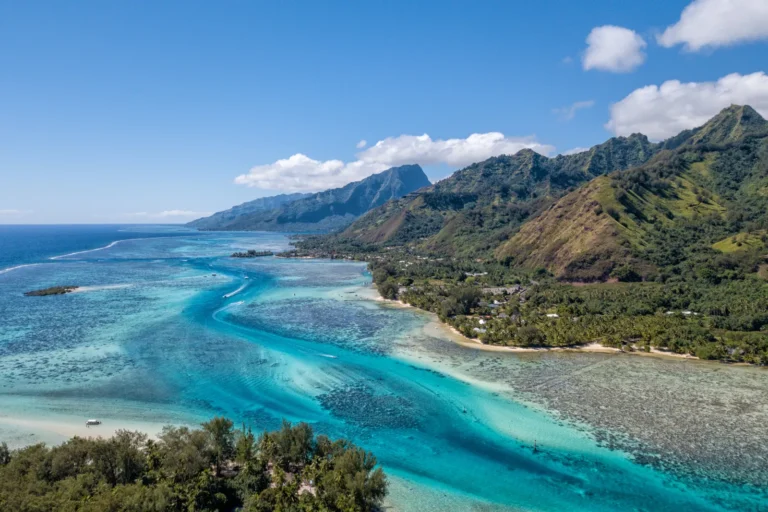
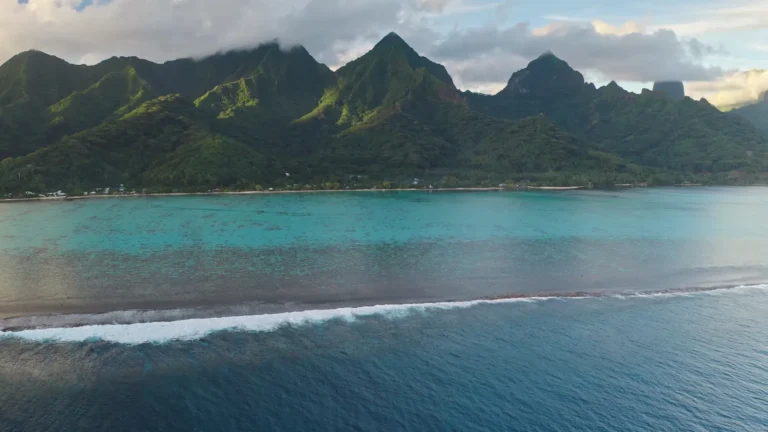
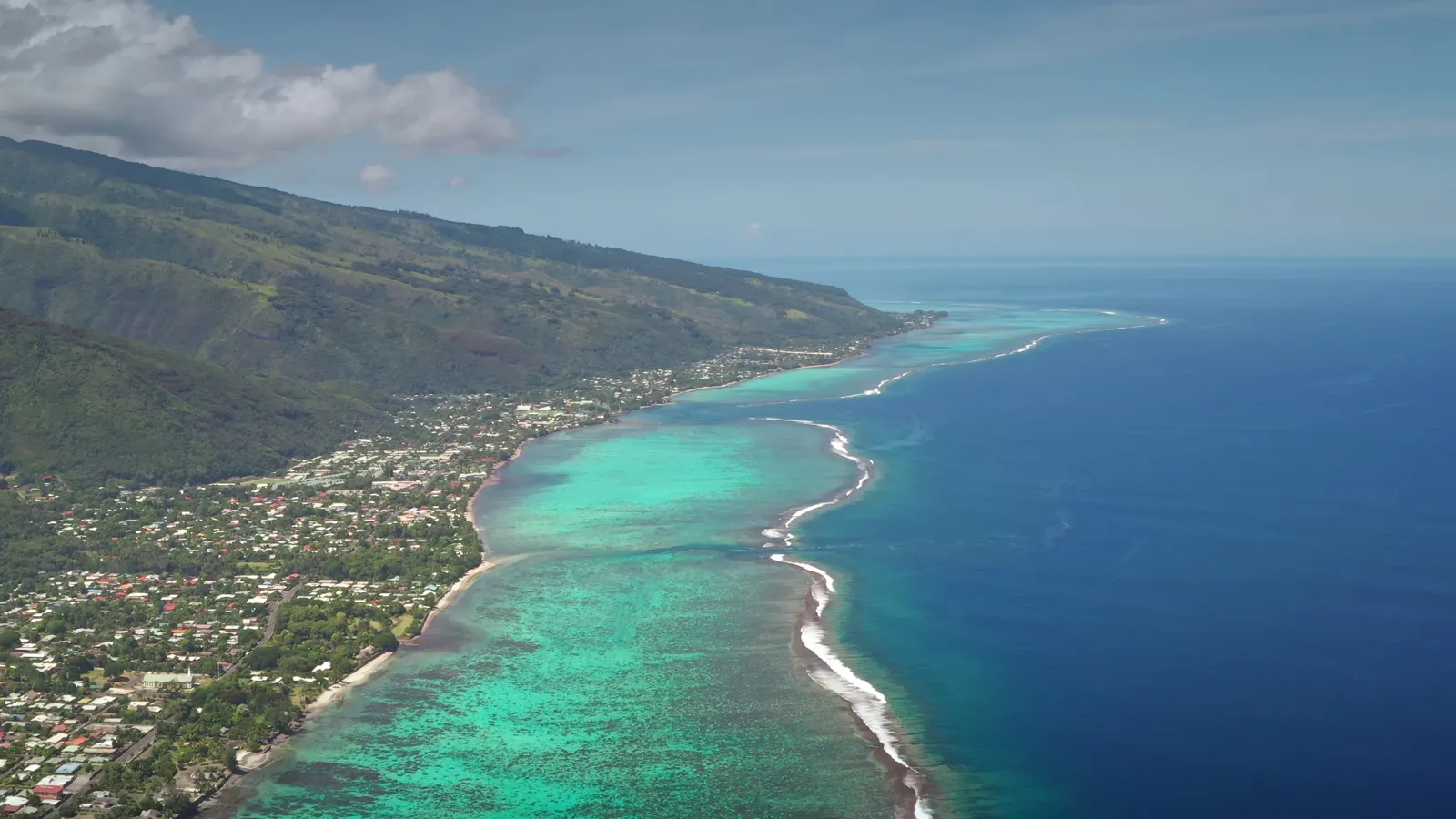
A Bora Bora travel guide starts with the lagoon: turquoise water ringed by a crown of motu (sandy islets), with Mount Otemanu (727 m, 2,385 ft) rising in the middle. The main island is only about 30 km (19 mi) around: you can visit Vaitape, Matira Beach, Second World War remains and marae, but most of the action is on the water. This guide helps you choose what to do in Bora Bora, where to stay, what budget to plan and how to combine the island with Tahiti and Moorea.

Our travel deals for Bora Bora
Affiliate links: we earn a commission, at no extra cost to you.
 FlightsKiwi.comCompare flights and airline combinations to Bora Bora.Compare flights
- eSIMSailyAnother eSIM plan to compare: data, validity, network.See Saily plans


Bora Bora at a glance
- Main village Vaitape, on the west coast of the main island
- Languages French (official language) and Tahitian
- Currency CFP franc (XPF) · currencies
- Time zone UTC−10 · details10 to 11 hours behind London, 5 to 6 hours behind New YorkLocal time now: –:–
- Airports Bora Bora Airport, on Motu MuteInternational flights land at Tahiti-Faa’a; from there, a domestic Air Tahiti flight to Bora Bora
- Entry US and UK: no visa for up to 90 days · travel.state.gov · GOV.UK
- Electricity check voltage and plug type with your accommodation · plugs
- Budget see our budget section
When to go to Bora Bora
✅ Best months: April, may, June, July, August, September, October
❌ Period to avoid: February
The best time is May to October, during the cooler, drier season. According to Météo-France normals, July, August and September get only 62 to 65 mm (2.4 to 2.6 in) of rain a month, against about 250 mm (9.8 in) in December. It is hot all year (29 to 31 °C, 84 to 88 °F, in the afternoon). From November to April, the hot season is wetter, with a risk of cyclones, but prices drop. Full details: when to go to Bora Bora.
Things to do in Bora Bora: the highlights
The lagoon by boat or outrigger canoe
The full-day lagoon tour is the signature activity: snorkelling stops in the coral gardens, swimming with stingrays and blacktip reef sharks, then lunch on a motu. Trips run by motorboat, Polynesian outrigger canoe or sunset catamaran. Choose an operator that does not feed the animals, and follow the distance guidelines.
Snorkelling and diving
The coral gardens in the southeast of the lagoon, near the motu, can be explored with just a mask. Dive centres offer try dives in the lagoon and trips to Teavanui Pass, the only navigable pass, where you may see sharks, spotted eagle rays and, depending on the site and season, manta rays. Plan on a medical certificate and insurance that covers diving. The UK FCDO advises checking the dive operator’s credentials, the condition of the safety equipment and that oxygen is on board; the only hyperbaric chamber in French Polynesia is in Papeete (GOV.UK, updated 10 December 2025).
Matira Beach
In the south of the main island, Matira Point is lined by Bora Bora’s best-known public beach: white sand, shallow water and lagoon views. It is one of the few large beaches you can reach without going through a hotel, and its sunsets are famous. Several guesthouses and snack bars are nearby.
Vaitape and the island loop
Vaitape, where the airport shuttles dock, has the town hall, shops, pearl boutiques and the quay. A coastal road of about 30 km (19 mi) circles the main island: by e-bike, scooter or car, allow half a day with stops. It passes Faanui and Povai bays and the villages of Anau and Faanui, with several viewpoints of Mount Otemanu.
Second World War remains
During the Second World War, the US military set up a supply base on Bora Bora (Operation Bobcat) and built the runway on Motu Mute that became the airport. Coastal guns remain on the heights, reached by trails or on 4×4 excursions, which also offer open views over the lagoon.
Marae and Polynesian culture
Several marae, ancient Polynesian stone places of worship, survive around the island, notably around Faanui. These are sacred sites: do not climb on the stones. For living culture, dance shows in hotels and the Heiva festival in July in Vaitape are good opportunities. Local crafts (pareos, carvings, cultured pearls) are sold in Vaitape.
Hiking: Mount Pahia
Mount Otemanu, the highest peak, cannot be hiked: its rock faces are too crumbly. Mount Pahia (about 660 m, 2,165 ft), however, can be climbed on a steep, slippery trail that requires good fitness; going with a local guide is strongly recommended, and the hike is best avoided after rain. The view over the lagoon rewards the effort.
Day trip to Taha’a and Raiatea
From Bora Bora, Taha’a and Raiatea are a short flight away or reachable by boat. Taha’a is known for its vanilla plantations and pearl farms, Raiatea for the marae of Taputapuātea, a UNESCO World Heritage Site. For these islands, see our French Polynesia travel guide.
Itinerary suggestions
4 to 5 days in Bora Bora
- Day 1: flight from Tahiti, boat shuttle, check in
- Day 2: full-day lagoon tour (snorkelling, rays and sharks, lunch on a motu)
- Day 3: island loop by e-bike or scooter, Vaitape, Matira Beach at sunset
- Day 4: diving or a guided hike up Mount Pahia, then a 4×4 excursion to the guns
- Day 5: a free morning by the lagoon, return flight
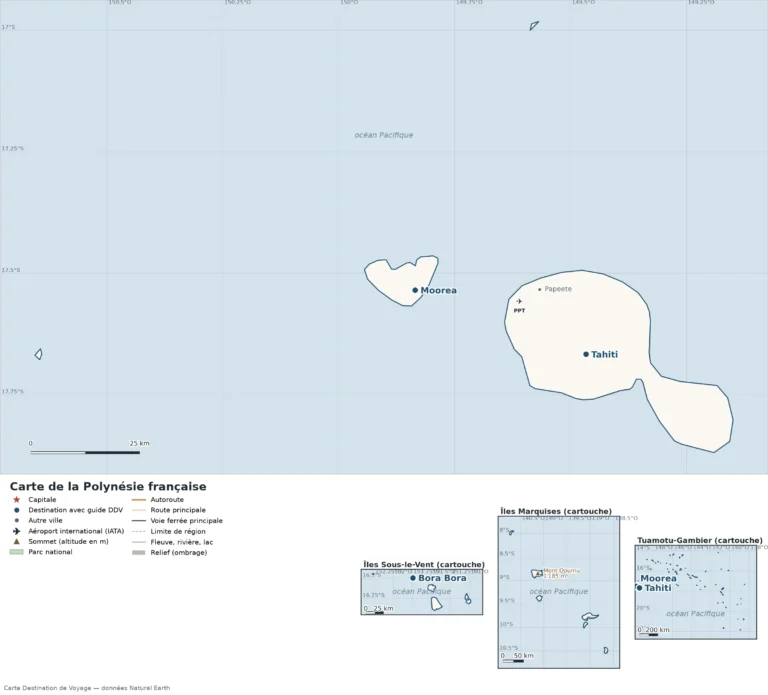
10 days: Tahiti, Moorea and Bora Bora
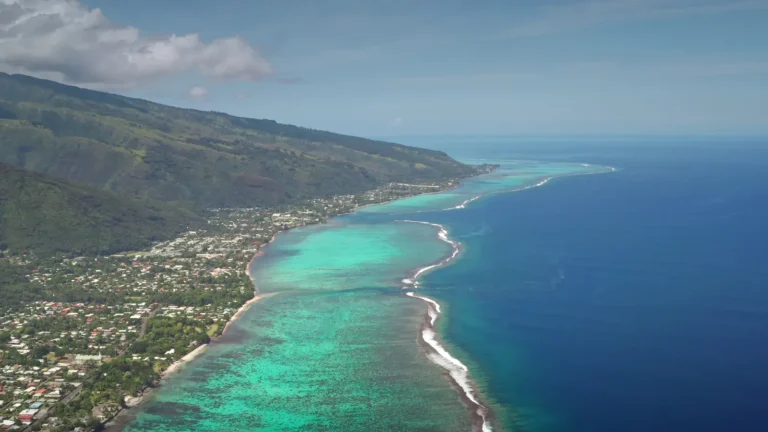
- Days 1 and 2: Tahiti (Papeete, the market, island tour)
- Days 3 to 5: Moorea by ferry (Cook’s and Opunohu bays, the Belvedere)
- Days 6 to 9: fly to Bora Bora: the lagoon, Matira, the island loop
- Day 10: back to Tahiti and international flight
To plan your Tahiti stop, see our Tahiti guide.
Budget for a trip to Bora Bora
Bora Bora is the most expensive island in French Polynesia: motu hotels and overwater villas charge very high rates, and meals are costly because almost everything is imported. Family-run guesthouses (pensions) on the main island cut the bill considerably. Indicative amounts per person per day, excluding flights, in US dollars (European Central Bank rate of 23 October 2026):
| Item | Budget | Comfort |
|---|---|---|
| Accommodation (shared double room) | about US$80 to 145 (guesthouse) | about US$390 to 895 and up (motu hotel) |
| Meals | about US$45 to 65 | about US$110 to 225 |
| Local transport (bike, scooter, shuttles) | about US$15 to 35 | about US$45 to 110 |
| Activities (lagoon tour, diving) | about US$30 to 55 | about US$90 to 225 |
| Total per day | roughly US$170 to 280 per person per day | roughly US$560 to 1,120 and up per person per day |
To cut costs: stay in a guesthouse with a kitchen, shop in Vaitape, eat at roulottes (food trucks) and snack bars, travel in May–June or September–October rather than July–August, and group your inter-island flights on one ticket.
Bora Bora: who is it for?
Our verdict by travel style, based on the information in this guide:
- Couples and honeymoons: ideal: overwater villas at the motu hotels, views of Mount Otemanu, sunset catamaran trips.
- Snorkelling and diving: ideal: coral gardens you can reach with just a mask, dives toward Teavanui Pass (rays, sharks).
- Families: possible: Matira’s public beach has shallow water, but the long journey via Tahiti and the budget are heavy.
- Low budget: not well suited: it is the most expensive island in French Polynesia, roughly US$170 to 280 per person per day even in a guesthouse.
- Hiking: limited: only Mount Pahia can be climbed, on a steep, slippery trail, preferably with a local guide.
- Culture: as an extra: marae around Faanui, the July Heiva in Vaitape, a trip to Raiatea and its UNESCO-listed marae.
Getting around Bora Bora
- Arrival: the airport is on Motu Mute. A shuttle boat runs to Vaitape; motu hotels arrange their own transfers.
- E-bike and scooter: the most practical way to loop the main island, which is flat along the coast. The U.S. Department of State advises extra care when renting bicycles or mopeds, even on quiet roads.
- Car: a few rental agencies in Vaitape; useful for a day, rarely essential.
- Le truck (local bus) and taxis: few, with limited schedules.
- Boat: motu hotels run shuttles to Vaitape; for the lagoon, book an excursion or, with some operators, rent a small boat that needs no licence.
Where to stay in Bora Bora
- Motu hotels: overwater villas and views of Mount Otemanu, but access by boat only and meals on site. Ideal for a honeymoon.
- Matira Point: a few hotels and guesthouses by the public beach, with restaurants within walking distance.
- Vaitape and the west coast: more affordable guesthouses and rentals, close to shops and the quay.
- Family guesthouses: the best option on a budget, often with breakfast or a kitchen.
Planning a honeymoon? See our honeymoon guide.
Entry requirements, health and safety
- US citizens: according to the U.S. Department of State (travel.state.gov, last updated October 22, 2026), no visa is needed on a regular tourist passport for stays of no more than 90 days in any six months. Tourists must hold a return ticket, and the 12-page U.S. emergency passport is not valid for visa-free entry.
- UK citizens: according to the UK FCDO (GOV.UK, updated 10 December 2025), you can visit without a visa for up to 90 days for tourism or business. Your passport must have an expiry date at least 3 months after the date you plan to leave French Polynesia. French Polynesia’s own authorities set and enforce entry rules.
- Connections: the journey always involves at least one connection, often in another country: check that country’s transit rules (for example, an ESTA for a stopover in the United States) with your airline.
- Health: health risks include dengue and chikungunya (GOV.UK): use repellent and cover up, and protect yourself from the sun. According to the U.S. Department of State, medical care is limited outside the major islands, serious cases are referred to Tahiti, sometimes by air evacuation, and most providers accept only cash. Insurance covering medical costs and evacuation is essential.
- Lagoon and reefs: wear reef shoes, do not touch the coral and clean any cut. Watch out for currents near the pass and for boat traffic.
- Safety: avoid isolated areas, including beaches, after dark, and do not carry large amounts of cash (GOV.UK). Tropical storms including cyclones can occur from November to April.
- Emergencies: ambulance 15, police 17 (GOV.UK and travel.state.gov).
To choose cover suited to a long-haul trip, see our travel insurance guide.
Practical tips for Bora Bora
- Money: cards are widely accepted and there are a few ATMs in Vaitape. Keep cash for snack bars, roulottes and some guesthouses.
- Mobile data: check whether your plan covers French Polynesia, or get a local SIM or eSIM. Hotel Wi-Fi can be slow.
- Luggage: the baggage allowance on Air Tahiti flights may be lower than on your international flight: check it before you go.
- Etiquette: « ia ora na » (hello) and « mauruuru » (thank you) are appreciated.
- Shopping: supermarket prices are high; bring your sunscreen (preferably reef-friendly) and your usual medication.
Read also
To choose your season, see when to go to Bora Bora, and prepare for the time difference with our page on time in French Polynesia. Bora Bora almost always goes with a stop in Tahiti: see our Tahiti travel guide.
Frequently asked questions
How many days should you spend in Bora Bora?
Allow 3 to 5 days: one for the lagoon tour, one for the island loop and Matira, one for diving or hiking, and time to enjoy the lagoon. Most travellers combine Bora Bora with Tahiti and Moorea over 10 days to 2 weeks.
How much does a trip to Bora Bora cost?
Excluding flights, plan on roughly US$170 to 280 per person per day in a guesthouse and US$560 to 1,120 or more in a motu hotel. Add the international flight and the Air Tahiti flight from Tahiti.
How do you get to Bora Bora?
First fly to Tahiti-Faa’a, usually with at least one connection. A domestic Air Tahiti flight then links Tahiti to Bora Bora, and a shuttle boat takes you to Vaitape.
Can you visit Bora Bora without staying in an overwater villa?
Yes. Guesthouses on the main island, especially around Matira and Vaitape, are much cheaper. Lagoon excursions are open to everyone, wherever you stay.
Bora Bora or the Maldives?
Both focus on the lagoon and overwater villas. Bora Bora adds dramatic mountain scenery and French-speaking Polynesian culture. Compare with our Maldives guide.
Our sources
- Climate data: 1991–2020 normals for the Bora Bora (Motu Mute, airport) station, Météo-France
- Entry, health and safety information read on 26 October 2026: U.S. Department of State, French Polynesia country information (travel.state.gov, last updated October 22, 2026), and UK FCDO, foreign travel advice for French Polynesia (GOV.UK, updated 10 December 2025)
- European Central Bank reference rates of 23 October 2026 (budget conversion)
- Our methodology
Updated October 2026.
To continue your trip, see our French Polynesia travel guide, our Tahiti guide, our page on when to go to French Polynesia and our other destinations in Oceania.