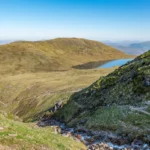
The Scottish Highlands cover the north and west of the country: bare mountains, narrow lochs, ruined castles and single-track roads where you meet more sheep than cars. To visit the Scottish Highlands, the main task is choosing a route, because distances are long and the weather changes fast. This guide helps you decide what to see, how many days to allow, when to go and how to plan a road trip from Edinburgh or Inverness.
In the Highlands, our page on visiting Loch Ness covers Urquhart Castle, the cruises and how to get there from Inverness.
Our travel deals for Highlands
Affiliate links: we earn a commission, at no extra cost to you.
FlightsKiwi.comCompare flights and airline combinations to Highlands.
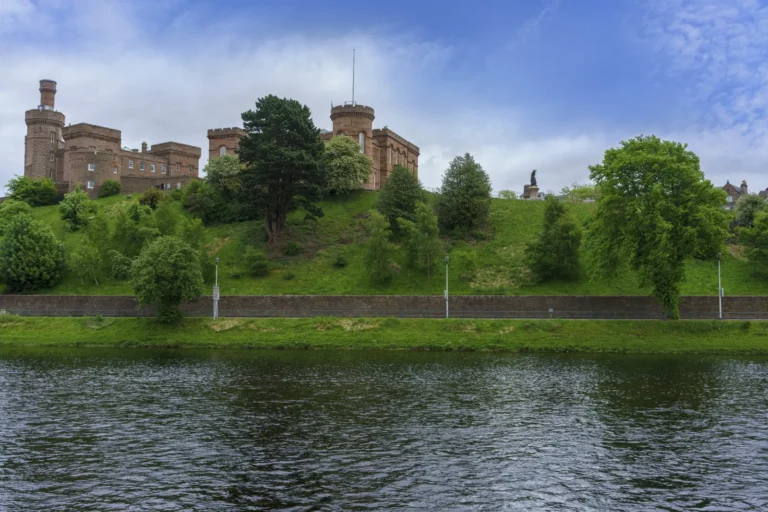
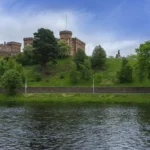
Inverness, on the River Ness, is the only real city in the Highlands and the starting point for many tours. The centre takes a few hours: the cathedral, the riverbanks and the Ness Islands, the Victorian covered market. About 10 km (6 mi) to the east, Culloden battlefield, where the Jacobites were defeated in 1746, has a visitor centre that explains the history of the clans.
Loch Ness and Urquhart Castle
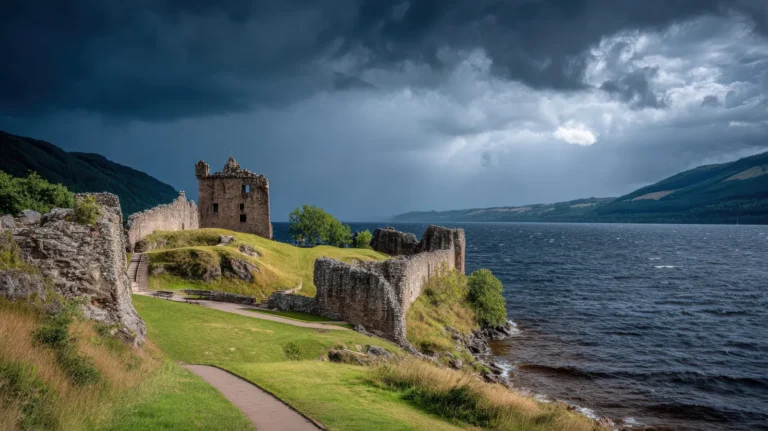
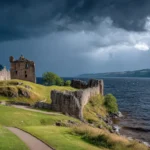
Loch Ness stretches for almost 37 km (23 mi) south-west of Inverness, in the great fault of the Great Glen. Its dark waters and its legend draw crowds. The ruins of Urquhart Castle, on a promontory on the shore, are the most visited site: arrive at opening time or late in the day. Cruises leave from several points along the shore. Fort Augustus, at the southern end of the loch, has the locks of the Caledonian Canal.
Glencoe
The Glencoe valley is the emblematic Highland landscape: steep mountains, including Buachaille Etive Mòr at the head of the glen, waterfalls and peat lochans. The A82 runs through it, with several places to stop. The National Trust for Scotland visitor centre has maps and advice for walks, from short loops to demanding trails. The glen also holds the memory of the massacre of the MacDonalds in 1692.
Fort William, Ben Nevis and the Glenfinnan Viaduct
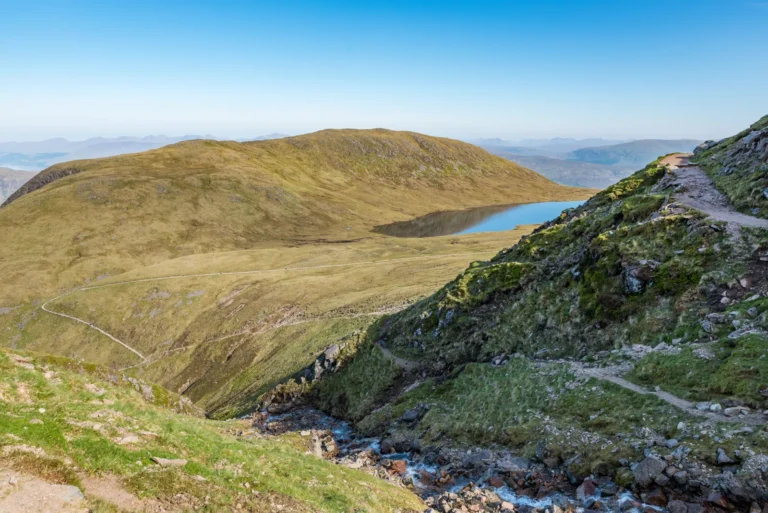
Fort William, at the foot of Ben Nevis (1,345 m, or 4,413 ft), the highest peak in the British Isles, is the hikers’ base. The climb by the main path takes a full day and requires proper gear and good weather: the summit is often in cloud. To the west, the Glenfinnan Viaduct, made famous by the Harry Potter films, overlooks Loch Shiel and the Jacobite monument. In season, « The Jacobite » steam train runs from Fort William to Mallaig over the viaduct: book well ahead.
The Isle of Skye
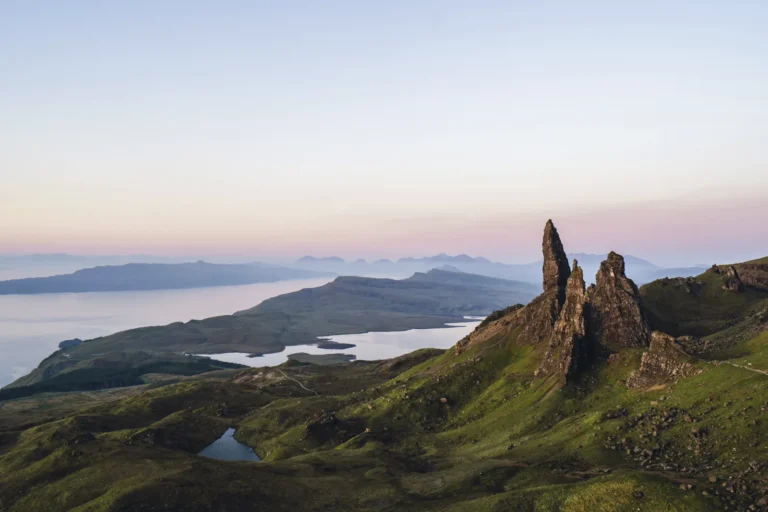
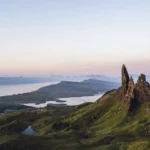
Linked to the mainland by a bridge at Kyle of Lochalsh, the Isle of Skye packs in Scotland’s most photographed landscapes: the pinnacles of the Old Man of Storr, the cliffs and landslips of the Quiraing, the waterfalls of the Fairy Pools below the Cuillin, the colourful harbour of Portree. The island is very busy in summer and accommodation is scarce: book early, or stay on the mainland. Allow at least two days.
Eilean Donan Castle
On an islet linked by a stone bridge, where three lochs meet, Eilean Donan Castle is the Highlands’ postcard image. It sits on the road to Skye, which makes it a natural stop. Today’s castle is a 20th-century reconstruction on medieval ruins.
Cairngorms National Park
South-east of Inverness, the Cairngorms National Park is the largest in the UK. It combines high plateaus, Caledonian pine forests, lochs and villages such as Aviemore, a base for hiking, cycling and, in winter, skiing. You can see red deer, red squirrels and, with a little luck, the reintroduced reindeer herd. To the north-east, the Spey valley (Speyside) has many whisky distilleries.
Wester Ross, Applecross and the north coast
North of Skye, Wester Ross lines up isolated mountains, white sand beaches and fishing villages such as Plockton and Ullapool. The Bealach na Bà pass road to Applecross climbs in tight hairpins: not recommended for motorhomes or inexperienced drivers. Further north, the north coast and Sutherland are among the least populated areas in Europe. They form the wildest part of the North Coast 500, a road loop of about 830 km (516 mi) from Inverness.
In the Highlands, allow plenty of time: on single-track roads you drive slowly, and every viewpoint tempts you to stop. Plan on 150 to 200 km (93 to 124 mi) a day at most.
7-day loop from Edinburgh
Day 1: Edinburgh → Glencoe via Stirling or Loch Lomond, night in Glencoe or Fort William
Day 2: a hike in Glencoe, or Ben Nevis in good weather
Day 3: Glenfinnan (steam train or a view of the viaduct), then on to Skye via Mallaig and the ferry, or via Eilean Donan and the bridge
Days 4 and 5: Isle of Skye (Old Man of Storr, Quiraing, Fairy Pools, Portree)
Day 6: Eilean Donan, then Loch Ness and Urquhart Castle to Inverness
Day 7: Culloden, then back to Edinburgh via the Cairngorms and Pitlochry
Two weeks with the north coast
Add Wester Ross (Applecross, Torridon, Ullapool) to the loop above, then the north coast to John o’ Groats, the east coast back to Inverness, and two days in the Cairngorms or Speyside. Ferries to Orkney leave from the north coast if you want to extend the trip.
The best time to visit the Highlands is May-June and September: very long days in June, slightly less frequent rain in spring and fewer people than in July-August. Temperatures stay cool: 15 to 19 °C (59 to 66 °F) in the afternoon in summer in Inverness, 7 °C (45 °F) in winter. The climate is oceanic, windy and changeable: it can rain in any month, several times a day. The west (Fort William, Skye) is much wetter than the east (Inverness, the Cairngorms), which lies in the shelter of the mountains.
The table uses the normals for Inverness, on the east coast. Expect more rain on the west coast and lower temperatures at altitude.
Month
High
Low
Rain
Rainy days
Crowds
Prices
Verdict
January
7.1 °C (45 °F)
1.3 °C (34 °F)
76 mm (3.0 in)
14
Very low
Low
❌ Short days, snow on high ground
February
7.6 °C (46 °F)
1.4 °C (35 °F)
61 mm (2.4 in)
12
Very low
Low
❌ Cold, many closures
March
9.5 °C (49 °F)
2.4 °C (36 °F)
53 mm (2.1 in)
13
Low
Low
⚠️ Cool, gradual reopenings
April
12.1 °C (54 °F)
4.1 °C (39 °F)
41 mm (1.6 in)
10
Medium (Easter)
Medium
⚠️ Driest month, still cool
May
14.8 °C (59 °F)
6.4 °C (44 °F)
56 mm (2.2 in)
11
Medium
Medium
✅ Long days, few midges
June
17.0 °C (63 °F)
9.4 °C (49 °F)
62 mm (2.4 in)
12
High
High
✅ Longest days
July
19.0 °C (66 °F)
11.3 °C (52 °F)
62 mm (2.4 in)
12
Very high
Very high
⚠️ Mildest, crowds and midges
August
18.7 °C (66 °F)
11.2 °C (52 °F)
65 mm (2.6 in)
12
Very high
Very high
⚠️ Mild, crowds and midges
September
16.5 °C (62 °F)
9.1 °C (48 °F)
63 mm (2.5 in)
12
Medium
Medium
✅ Fewer people, autumn colours
October
12.9 °C (55 °F)
6.1 °C (43 °F)
78 mm (3.1 in)
14
Low
Low → medium
⚠️ Wettest month, beautiful light
November
9.5 °C (49 °F)
3.5 °C (38 °F)
67 mm (2.6 in)
13
Very low
Low
❌ Short, windy days
December
7.3 °C (45 °F)
1.5 °C (35 °F)
73 mm (2.9 in)
14
Low (holidays)
Low
❌ Very short days
Temperatures, rainfall and days with at least 1 mm of rain (rounded): Met Office (UK national weather service) 1991-2020 climate normals for the Inverness station. Crowds and prices: estimate based on the tourist seasons.
Spring (April-May): April is the driest month in Inverness. In May, the days get much longer, the gorse is in flower and the midges are still few. Snow is possible on the summits.
Summer (June-August): the longest days, mild but rarely warm temperatures, and peak visitor numbers on Skye, in Glencoe and at Loch Ness. Midges, tiny biting flies, are generally active from late May to September, especially in the west in calm, damp weather: bring a suitable repellent.
Autumn (September-October): September is a good compromise, with heather moorland and the first autumn colours. October is wetter and opening hours get shorter.
Winter (November-March): very short days, possible snow and ice on mountain roads, many sites and places to stay closed. It is the ski season in the Cairngorms and a time of snowy landscapes for well-equipped travelers.
Plan
Best time
Classic road trip (Glencoe, Skye, Loch Ness)
May-June, September
Hiking, Ben Nevis
June to September, depending on the day’s weather
Glenfinnan steam train
During its operating season, generally spring to autumn
Fewer people and midges
May, September
Snow and skiing (Cairngorms)
December to March, depending on snow cover
Check the opening dates of sites and the steam train before booking.
Here is our view by traveler profile, based on the stops, budget and conditions covered in this guide to the Highlands.
Profile
Our view
Road trip
✅ A 7-day loop from Edinburgh or the North Coast 500; plan on 150 to 200 km (93 to 124 mi) a day at most on single-track roads.
Hiking and nature
✅ Glencoe, Ben Nevis, the Isle of Skye, the Cairngorms with red deer, red squirrels and reindeer.
Couples
✅ Urquhart and Eilean Donan castles, B&Bs and cottages, loch scenery.
Families
⚠️ The Glenfinnan steam train and Cairngorms wildlife, but long hours on the road and midges from late May to September.
Tight budget
⚠️ Expensive in high season, especially on Skye: roughly £65 to £110 per person per day in hostels, including the car; May and September are easier on the budget.
Without a car
⚠️ Scenic trains, buses and minibus tours from Edinburgh or Inverness, but not every site is served.
Sun
❌ Cool, changeable climate: 15 to 19 °C (59 to 66 °F) in the afternoon in summer in Inverness, rain possible every month.
Budget for a trip to the Highlands
The Highlands are expensive in high season, especially on Skye, where accommodation is limited. Car hire and fuel weigh on the budget. Rough amounts per person per day, excluding flights:
Item
Tight budget
Comfort
Accommodation (sharing a double room)
roughly £25 to £45 (hostel, simple B&B)
roughly £65 to £125
Meals
roughly £20 to £30
roughly £40 to £65
Car and fuel (two people sharing)
roughly £15 to £25
roughly £25 to £40
Sights and activities
roughly £4 to £13
roughly £13 to £25
Total per day
roughly £65 to £110
roughly £140 to £250
Rough estimates, varying with the season; converted from our euro estimates at the European Central Bank reference rate of 23 October 2026. Prices peak in July-August.
To keep costs down: travel in May or September, mix hostels and B&Bs, shop at supermarkets in Inverness or Fort William, and favour free walks and viewpoints. Several major sites (Urquhart, Culloden, Glencoe) are run by Historic Environment Scotland or the National Trust for Scotland, which offer passes or memberships.
Getting around the Highlands
Car: the most flexible option. Traffic drives on the left. Many roads are single-track: use the passing places to let oncoming or following vehicles pass, and do not park in them. Fill up whenever you can in the north-west, where filling stations are rare. According to mygov.scot (checked 26 October 2026), the drink-drive limit in Scotland is 50 mg of alcohol per 100 ml of blood (22 mcg per 100 ml of breath), and Scotland takes a zero-tolerance approach.
Train: the Edinburgh/Glasgow–Inverness, Glasgow–Fort William–Mallaig (West Highland Line) and Inverness–Kyle of Lochalsh lines are very scenic, but do not serve every site.
Bus: regular services link Inverness, Fort William, Skye and Glencoe; frequencies are low on Sundays and out of season.
Organised tours: minibus tours of one or several days from Edinburgh or Inverness, a practical option without a car.
Ferries: CalMac serves the western isles (Mallaig–Armadale for Skye, the Hebrides); book in summer if you are traveling with a car.
Where to stay in the Highlands
Inverness: the widest choice of hotels and B&Bs, a practical base for Loch Ness, Culloden and the Cairngorms.
Fort William and Glencoe: for Ben Nevis, Glencoe and Glenfinnan; hikers’ hostels, B&Bs and hotels.
Isle of Skye: Portree has the most options; elsewhere, scattered cottages and B&Bs. Book several months ahead for summer.
Aviemore: the base for the Cairngorms, with lodges and hotels.
The north-west: Ullapool, Plockton, Torridon: few places to stay, book early.
Wild camping is allowed in Scotland under the Scottish Outdoor Access Code, with restrictions in some areas (notably around Loch Lomond in season). Check before you pitch your tent.
Entry requirements, health and safety
The Highlands are in Scotland, part of the United Kingdom, so UK entry rules apply. Checked on 26 October 2026; check again before you travel.
US citizens: according to the U.S. Department of State (travel.state.gov, last updated August 11, 2025), all US citizens traveling to the UK for tourism, family visits, business meetings or short-term study for 6 months or less must have an Electronic Travel Authorization (ETA) before travel; the passport must be valid for the entire length of your stay. According to GOV.UK (apply for an ETA, checked 26 October 2026), an ETA costs £20 and lets you visit for up to 6 months; avoid websites that imitate government services.
UK citizens: travel from elsewhere in the UK to Scotland is domestic travel, with no entry formalities.
Health: private medical care is expensive; take out travel insurance covering medical costs. On hikes, check your skin for ticks in the evening.
Mountains: the main risk is the weather: fog, wind and rain can make summits dangerous even in summer. Check the mountain forecast and tell someone your route.
Emergencies: 999 for all emergencies (travel.state.gov); in the mountains, ask for the police, then mountain rescue.
Practical tips for the Highlands
Clothing: pack layers, a waterproof jacket, waterproof walking shoes and a hat, even in summer.
Midges: an effective repellent and, for camping or hiking in the west in summer, a head net.
Money: cards, including contactless, are accepted almost everywhere. Keep a little cash for small, isolated shops.
Internet: there is no mobile signal on many mountain roads: download maps and bookings for offline use. US travelers should check their carrier’s roaming charges.
Whisky: many distilleries offer tours by reservation; drivers can often take their sample away with them.
Etiquette: close gates, keep dogs on a lead near livestock and do not light fires in dry weather.
Allow 7 to 10 days for a loop taking in Glencoe, Glenfinnan, the Isle of Skye, Loch Ness and Inverness, and two weeks to add Wester Ross and the north coast.
What is the best time to visit the Highlands?
May-June and September: long days, fewer midges and fewer people than in July-August. April is the driest month in Inverness according to the Met Office 1991-2020 normals.
Can you visit the Highlands without a car?
Yes, by combining scenic trains (the West Highland Line, the Kyle line), buses and organised tours from Inverness or Edinburgh. A car is still more practical for remote sites.
What is the difference between the Highlands and Scotland?
The Highlands are the uplands of northern and western Scotland, north of the Highland Boundary Fault. Edinburgh and Glasgow, in the Lowlands, are not part of them.
Do US citizens need an ETA to visit the Scottish Highlands?
Yes. According to the U.S. Department of State (last updated August 11, 2025), US citizens need an Electronic Travel Authorization before traveling to the UK. UK citizens need no formalities.
What are midges?
Tiny biting flies, generally active from late May to September, especially in the west in calm, damp weather. A suitable repellent and a head net are enough to protect yourself.


 FlightsKiwi.comCompare flights and airline combinations to Highlands.Compare flights