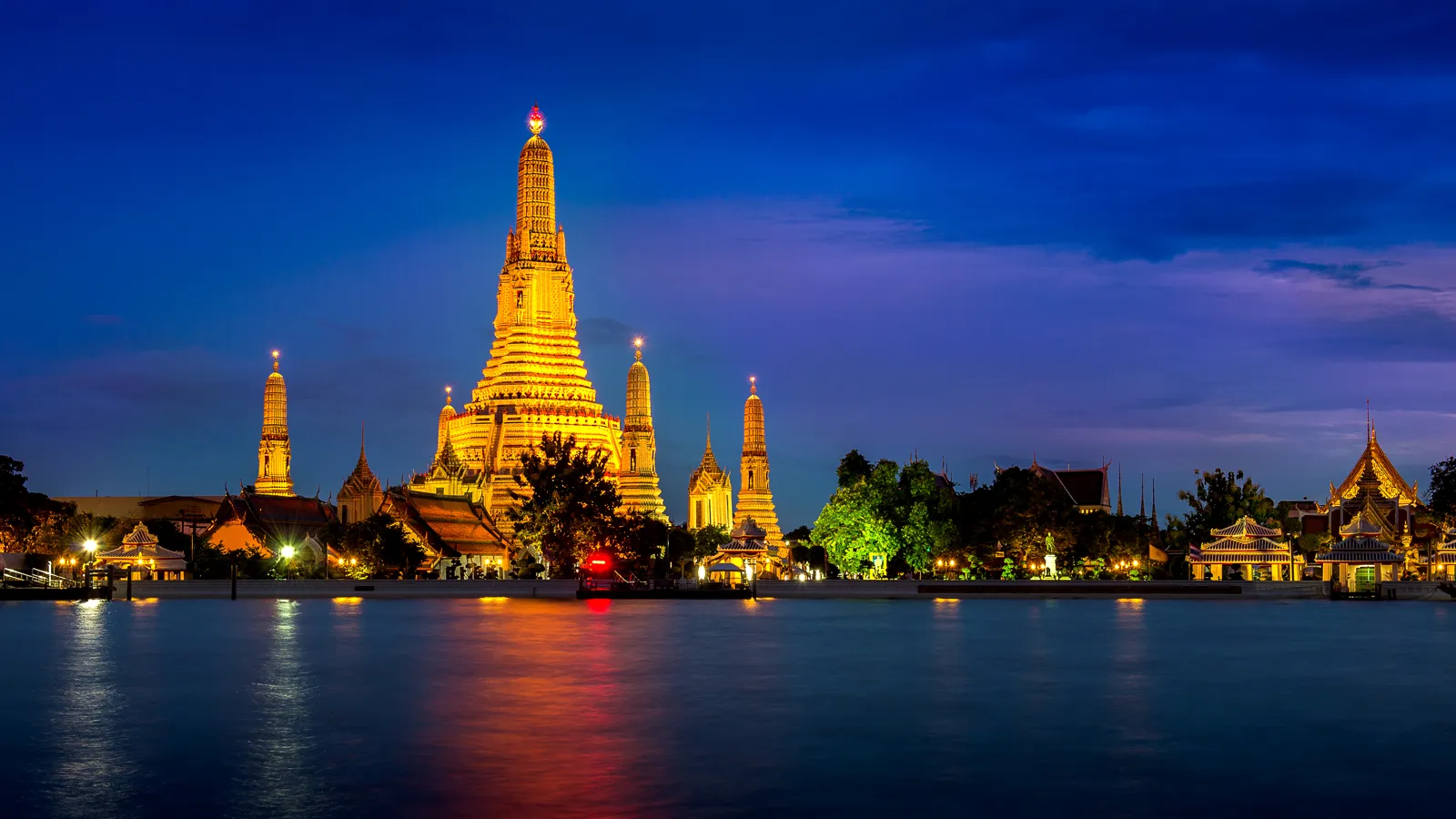
For a first solo trip, pick a country with simple transport, easy-to-find accommodation and plenty of other independent travelers: Portugal, Ireland, Japan, Thailand or Vietnam are examples. Read your government’s travel advice for the country and tell someone at home your itinerary.
Solo travel lets you set your own pace and route without compromise. It also means planning for what is usually shared: vigilance, the unexpected and sometimes the cost of a room. This solo travel guide covers destinations, safety, accommodation, budget and a pre-departure checklist.
Solo travel at a glance
- Destination clear transport, varied accommodation, a community of travelers.
- Safety read the official travel advice for your country of destination (UK FCDO or U.S. State Department), and share your itinerary with someone at home.
- Accommodation hostels with private rooms or dorms, guesthouses, to meet people.
- Budget the room is not shared; hostels and simple rooms limit the gap.
- Arrival arrive in daylight and book the first night.
Destinations for a first solo trip
| Destination | Why it works | Things to watch |
|---|---|---|
| Portugal | Simple trains and buses, many hostels | Crowded in summer in Lisbon and the Algarve |
| Ireland | English-speaking, a pub culture that makes it easy to meet people | Expensive accommodation in cities, changeable weather |
| Japan | Reliable, punctual transport, many options for people traveling alone | High budget, language barrier outside big cities |
| Thailand | Classic routes, many independent travelers | Well-known tourist scams, rainy season |
| Vietnam | Easy north-south route, buses and night trains | Heavy traffic, long journeys |
| Malaysia | English widely spoken, modern transport | Heat and humidity all year |
| Costa Rica | Tourist infrastructure, group nature activities | Higher cost than its neighbors |
To choose by season, see our month-by-month ideas on where to go. A cruise is also an option for a first solo trip: the logistics are taken care of, sometimes with a single-occupancy supplement.
Safety: good habits
- Read the official travel advice for your destination before you book: the UK FCDO (GOV.UK) or the U.S. State Department (travel.state.gov) country page. The FCDO also offers email alerts for its travel advice pages.
- Share your itinerary and accommodation with a friend or family member, and agree how often you will check in. The FCDO suggests keeping a backup of key information (accommodation, flights, passport details, contact numbers, insurance policy) in case you lose your phone.
- Arrive in daylight in a new city, especially the first time; book the first night.
- Keep a bank card and some cash separate from the rest, and make sure you can reach enough money if your main payment method fails.
- Use official taxis or ride-hailing apps authorized in the country.
- Stay sober and alert in the evening, and watch your drink in bars: the FCDO warns about spiked and contaminated drinks.
Women travelers can read the UK FCDO’s advice for women travelling abroad (GOV.UK, last updated 8 September 2026) and the safety and security section of each country’s travel advice. Dress codes and local customs are also described in our country pages.
Where to sleep when traveling alone
Modern hostels offer dorms but also private rooms, with common areas and often activities that make it easy to meet people. Guesthouses and homestays give direct contact with hosts. In hotels, a single room is often close in price to a double: compare.
Meeting other travelers
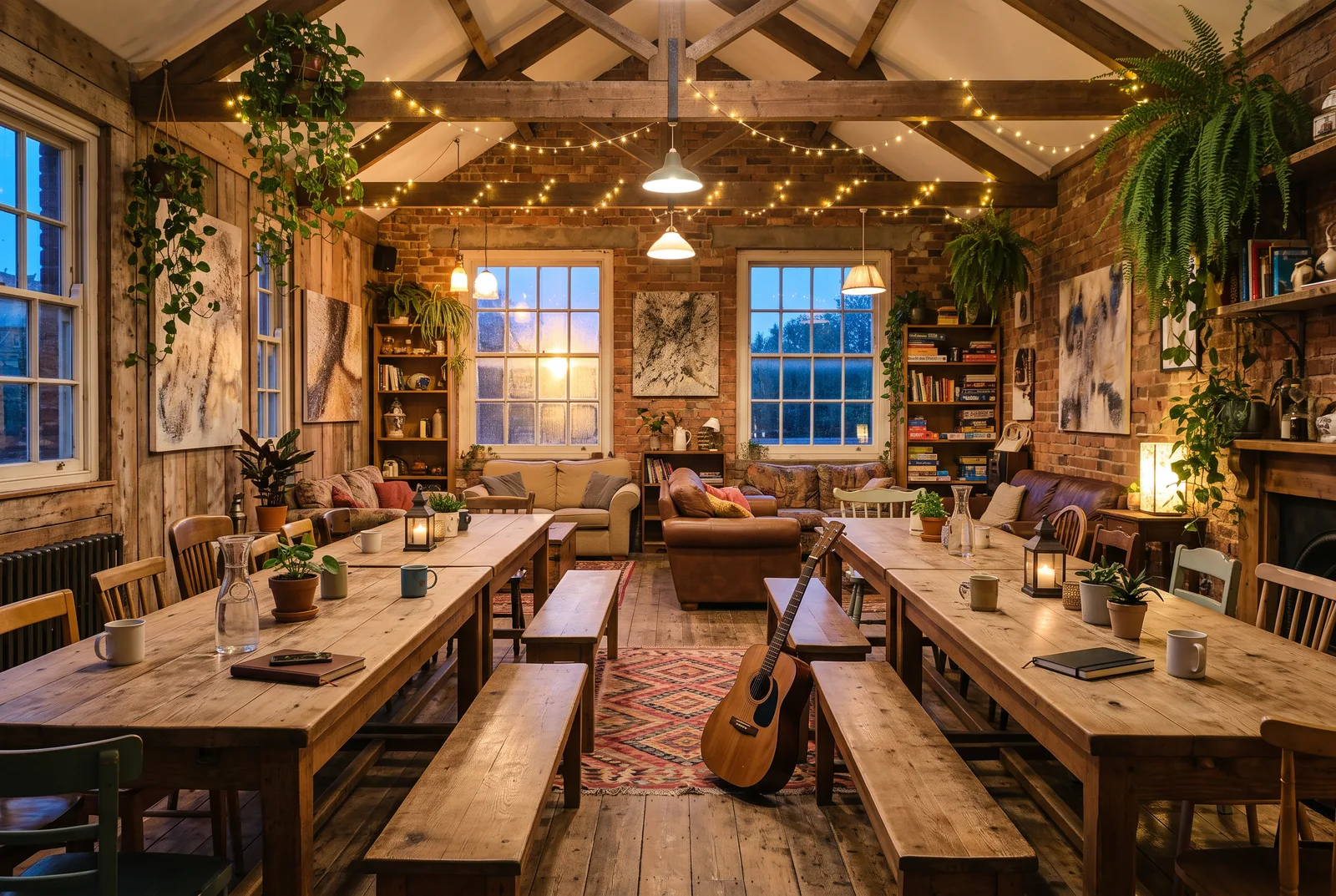
- Guided walking tours, cooking classes and small-group excursions.
- Hostel common areas and the activities they organize.
- Group nature outings (hiking, diving), often with a guide.
Budget: what changes when you travel alone
The main extra cost comes from accommodation and private transport (taxi, car), which are not shared. Public transport, meals and activities cost the same per person as when traveling as a couple. Our country pages give daily budget ranges.
Before you go
Insurance covering medical costs and repatriation matters even more when you travel alone, with nobody to advance costs or organize a return: see our travel insurance guide. The FCDO advises getting insured as soon as you book and checking that the policy covers your activities and destination, and notes that a GHIC or EHIC is not a substitute for travel insurance. A phone that works on arrival lets you reach someone at home or your accommodation.
For the full checklist (documents, health, money), see Preparing your trip. For a long solo trip, see also Around the world and multi-stop travel.
Sample itineraries for a first solo trip
One week in Portugal
Lisbon (4 nights) then Porto (3 nights) by train: two cities that are easy to explore on foot and by public transport, with plenty of hostels. See our Portugal guide and when to go to Portugal.
Two weeks in Japan
Tokyo, Kyoto, Nara and Osaka, linked by train: a punctual, easy-to-read network even if you do not speak Japanese. The budget stays high; hostels and capsule hotels reduce accommodation costs. See our Japan guide and when to go to Japan.
Three weeks in Thailand and Malaysia
Bangkok, the north (Chiang Mai), then the islands, before heading to Malaysia: a route well traveled by independent travelers. Seasons differ by coast: see when to go to Thailand and when to go to Malaysia.
Two weeks in Sri Lanka or Costa Rica
Two mid-sized countries where you can combine nature, culture and beaches. In Sri Lanka, mountain trains and private drivers make getting around easier (when to go); in Costa Rica, group excursions are plentiful (when to go).
Daily budget for a solo traveler
The ranges on our country pages are per person. Traveling alone, accommodation weighs more: aim for the low end of the range in a hostel or dorm, the middle or high end in a private room.
| Country | Budget (per day, per person) | Comfort |
|---|---|---|
| Thailand | roughly 1,300 to 2,300 baht | roughly 3,800 to 7,500 baht |
| Vietnam | roughly US$40 to 55 | roughly US$90 to 170 |
| Peru | roughly US$40 to 65 | roughly US$110 to 200 |
| Portugal | roughly €60 to 90 | roughly €130 to 220 |
| Japan | roughly ¥12,300 to 19,300 | roughly ¥31,600 to 52,700 |
| Costa Rica | roughly US$65 to 100 | roughly US$170 to 280 |
- Accommodation: dorm, private room in a hostel, guesthouse or hotel; the most variable item when traveling solo.
- Meals: the same per person; street food and local canteens reduce the budget.
- Transport: public transport costs the same as for two; taxis and cars cost more alone.
- Activities: group excursions share the cost of the guide or vehicle.
Entry rules and health
Entry rules are the same as for a group and depend on your passport and your destination: passport validity, visa or electronic authorization. Check the entry requirements section of the UK FCDO travel advice (GOV.UK) or of the U.S. State Department country page, and see our entry requirements guides. For health, the FCDO suggests checking vaccinations and health precautions at least 8 weeks before you travel, and checking the rules on taking your medicine abroad.
Handling the unexpected alone
- Lost or stolen passport: report it to the local police, then contact your embassy or consulate for an emergency document. The FCDO notes that you can contact the nearest British embassy, high commission or consulate, or the FCDO in London 24 hours a day on +44 20 7008 5000.
- Health problem: call your insurer’s assistance line before committing to large costs.
- Blocked bank card: keep a second card separately and your bank’s emergency number.
- Fatigue or loneliness: a longer stop, a more social hostel or a group excursion help you get your rhythm back.
Solo travel checklist
- Official travel advice for the destination read (UK FCDO or U.S. State Department).
- Itinerary and accommodation shared with someone at home.
- First night booked, daytime arrival planned.
- Two bank cards stored separately, some local cash.
- Insurance covering medical costs and repatriation, assistance number saved offline.
- Phone that works on arrival (eSIM, local SIM or roaming plan).
- Copies of documents available offline.
- Local emergency numbers and your embassy’s contact details noted.
Solo female travel: tips for women
Official travel advice flags specific risks for women where relevant; the UK FCDO publishes general advice for women travelling abroad. A few general habits:
- Learn about dress codes and local customs, described in our country pages.
- Choose well-reviewed accommodation with a reception open late; some hostels offer women-only dorms.
- Avoid telling strangers where you are staying and get home by official transport.
- Keep your phone charged (power bank) and emergency numbers accessible.
- Never leave drinks unattended and do not accept drinks from strangers, as the FCDO advises.
Solo on a tour or a cruise
If full independence does not appeal, a small-group tour or a cruise takes care of transport and accommodation. Check the single-occupancy supplement for a room or cabin, often applied when you travel alone: compare the total price rather than the advertised price per person. Some tour operators also offer to match you with another traveler to share a room.
Choosing when to go
Outside school-holiday periods, hostels are less full and prices lower, but you will also meet fewer travelers. High season makes it easier to meet people, at the price of more crowds. The « when to go » page of each country gives crowds and climate month by month, for example when to go to Vietnam or when to go to Ireland.
Staying in touch
- Agree with someone at home on a daily message or one at each change of stop.
- Share your live location on long journeys, if you wish.
- Write a few important numbers on paper in case you lose your phone.
After a first solo trip
Once the first trip has gone well, you can expand: a longer multi-stop trip, a country where less English is spoken, or more distant destinations such as Peru or Australia. Keep the same habits: official travel advice read, itinerary shared and insurance suited to the length of the trip. For a departure of several months, our around the world guide details the preparation.
To choose your month of departure, our where to go section suggests destinations for every month of the year.
Why travel alone?
- Choose your dates without waiting for anyone else’s availability.
- Set your own pace and route without compromise.
- Meet people more easily: you are more approachable alone than in a group.
- Gain independence in finding your way, handling the unexpected and making decisions.
Comparing destinations for a first solo trip
| Destination | Solo advantage |
|---|---|
| Portugal | Euro country, human-scale cities |
| Ireland | English-speaking euro-zone country |
| Japan | Public transport known for its punctuality |
| Thailand | Dense network of hostels and independent travelers |
| Vietnam | North-south route that is simple to follow by train or bus |
Prefer not to organize everything? Small-group trips and guided tours let you go alone without being alone. Also read: the pre-departure checklist, travel insurance, multi-stop travel and around the world.
Frequently asked questions
Which destination for a first solo trip?
A country with simple transport and varied accommodation, with other independent travelers: Portugal, Ireland, Japan, Thailand or Vietnam, for example. Check the current risk level in the UK FCDO or U.S. State Department travel advice.
Is solo travel more expensive?
Mostly for accommodation and taxi rides, which are not shared. Hostels with private rooms and public transport limit the gap.
How do you stay safe traveling alone?
Read your government’s travel advice, share your itinerary, arrive in daylight in a new place, keep payment methods separate and use official transport.
How do you meet people when traveling solo?
Hostels, guided tours, classes and small-group excursions are the simplest ways.
What is a single supplement?
An extra charge applied by some hotels, tours and cruises when a double room is occupied by one person. Some operators offer departures without the supplement or room sharing.
How do you avoid feeling lonely on a solo trip?
Alternate time alone with group activities: hostels, guided tours, classes, small-group excursions. Keep in regular contact with people at home.
Our sources
- UK FCDO, Foreign travel checklist (GOV.UK, last updated 5 June 2026, read 12 November 2026)
- UK FCDO, Advice for women travelling abroad (GOV.UK, last updated 8 September 2026, read 12 November 2026)
- U.S. Department of State, travel.state.gov country information pages (for destination-specific advice)
- Budgets: practical fact sheets on our country pages (see our methodology), converted at European Central Bank reference rates of 23 October 2026
- Our methodology
Updated November 2026.