
Lune de miel : idées de destinations selon le budget
(1 guide)
For a honeymoon, choose the season first, then the destination: most of the islands and countries popular with newlyweds have a good and a poor time of year. If you marry in spring or summer, look at Mauritius, Bali, French Polynesia, the Seychelles (April-May) or Greece and Italy in June. If your honeymoon falls between November and April, aim instead for the Maldives, Thailand, Costa Rica, Mexico or the Caribbean. Budget, entry requirements and booking are covered in our guide to planning your honeymoon.
This guide matches your wedding dates with the best periods we established for each destination from official climate normals (see our methodology). It then helps you choose by couple style, budget and length of stay, and prepare the paperwork.
At a glance
- Wedding in May-June: Mauritius, Bali, French Polynesia, the Seychelles, Greece, Italy, Zanzibar (from June).
- Wedding in July-August: Bali, French Polynesia, Mauritius, Zanzibar, Sri Lanka east coast; the Mediterranean is hot and busy.
- Wedding in September-October: the Seychelles, Mauritius, Greece, Italy, Japan (autumn), French Polynesia.
- Honeymoon delayed to winter: Maldives, Thailand, Costa Rica, Mexico, Dominican Republic, Guadeloupe, Martinique.
- Allow at least 10 to 14 days for the Indian Ocean, Asia or the Pacific: the journey and the time difference count.
- Check passport validity and the name on it: the booking must match the travel document exactly.
Table: which honeymoon destination, and when?
The periods below are the months our « when to go » pages classify as favourable. Click a destination for the month-by-month detail, with temperatures, rain and crowds.
| Destination | Best period | To avoid or less certain | Which couple? |
|---|---|---|---|
| Mauritius | April to December (ideal September to mid-December) | January to March (humid heat, cyclone risk) | Beach, lagoon, couples’ hotels, hiking |
| Seychelles | April-May and October-November (shoulder seasons) | No real season to avoid; stronger wind in July-August | Beaches, snorkelling, island-hopping |
| Maldives | January to April | June to November: more rain and wind | Relaxing, diving, overwater villas |
| French Polynesia | May to October (« cool » season) | December to March: hot, rainy season | Lagoons, island cruise, long stay |
| Bali | April to October (ideal May to September) | December to March: rainy season | Rice terraces, temples, beaches, good value |
| Japan | Late March to mid-May, late September to late November | June-July (rainy season), very hot midsummer | Culture, food, ryokan and onsen |
| Thailand | November to February | March to May (intense heat), September-October (rain) | Tour plus beaches, controlled budget |
| Costa Rica | December to April | September-October: wettest months | Nature, volcanoes, wildlife, Pacific beaches |
| Mexico | December to April | September-October: rain and cyclone risk | Yucatan, Maya sites, Caribbean beaches |
| Dominican Republic | December to April | August to October: hurricane season | All-inclusive, Punta Cana beaches |
| Zanzibar | June to October, January-February | April-May: long rains | Beach, can be combined with a safari |
| Sri Lanka | December to March (south-west); April to September (east coast) | Depends on the coast: check the monsoon | Cultural tour, tea, beaches |
| Greece | Mid-April to June, September to mid-October | July-August: heat and crowds | Islands, sea, sunsets |
| Italy | April to June, September-October | July-August: heat and crowds in the cities | Art cities, coasts, lakes, food |
| Guadeloupe / Martinique | December to April (dry season) | August to October: hurricane season | Beaches, hiking |
Choosing by your wedding month
Most often the wedding date is set before the destination. Here are the most consistent options by departure month, assuming you leave within days of the wedding. For each month, our « where to go » section gives more options.
| Departure month | Favourable destinations | More ideas |
|---|---|---|
| January | Maldives, Thailand, Costa Rica, Mexico, Sri Lanka (south-west), Zanzibar, the Caribbean | Where to go in January |
| February | Maldives, Thailand, Costa Rica, Mexico, Dominican Republic, Zanzibar | Where to go in February |
| March | Maldives, Costa Rica, Mexico, the Caribbean, the Seychelles; Italy for an early spring | Where to go in March |
| April | Maldives, Seychelles, Mauritius, Bali, French Polynesia, Japan, Greece, Italy, Costa Rica | Where to go in April |
| May | Seychelles, Mauritius, Bali, French Polynesia, Japan (early May), Greece, Italy | Where to go in May |
| June | Mauritius, Bali, French Polynesia, Seychelles, Zanzibar, Greece, Italy, Croatia | Where to go in June |
| July | Bali, French Polynesia, Mauritius, Zanzibar, Sri Lanka (east coast) | Where to go in July |
| August | Bali, French Polynesia, Mauritius, Zanzibar, Sri Lanka (east coast) | Where to go in August |
| September | Seychelles, Mauritius, Bali, French Polynesia, Zanzibar, Greece, Italy | Where to go in September |
| October | Seychelles, Mauritius, French Polynesia, Bali, Japan (late October), Greece, Italy | Where to go in October |
| November | Seychelles, Mauritius, Thailand, Japan (maples), Reunion Island | Where to go in November |
| December | Mauritius, Thailand, Costa Rica, Mexico, Dominican Republic, the Caribbean | Where to go in December |
Two remarks. First, « favourable » does not mean « rain-free »: in the tropics a late-afternoon shower is common even in the dry season. Second, the best periods are also the most in demand: in Mauritius at year end or the Maldives in February, prices rise and hotels fill early.
Choosing by couple style
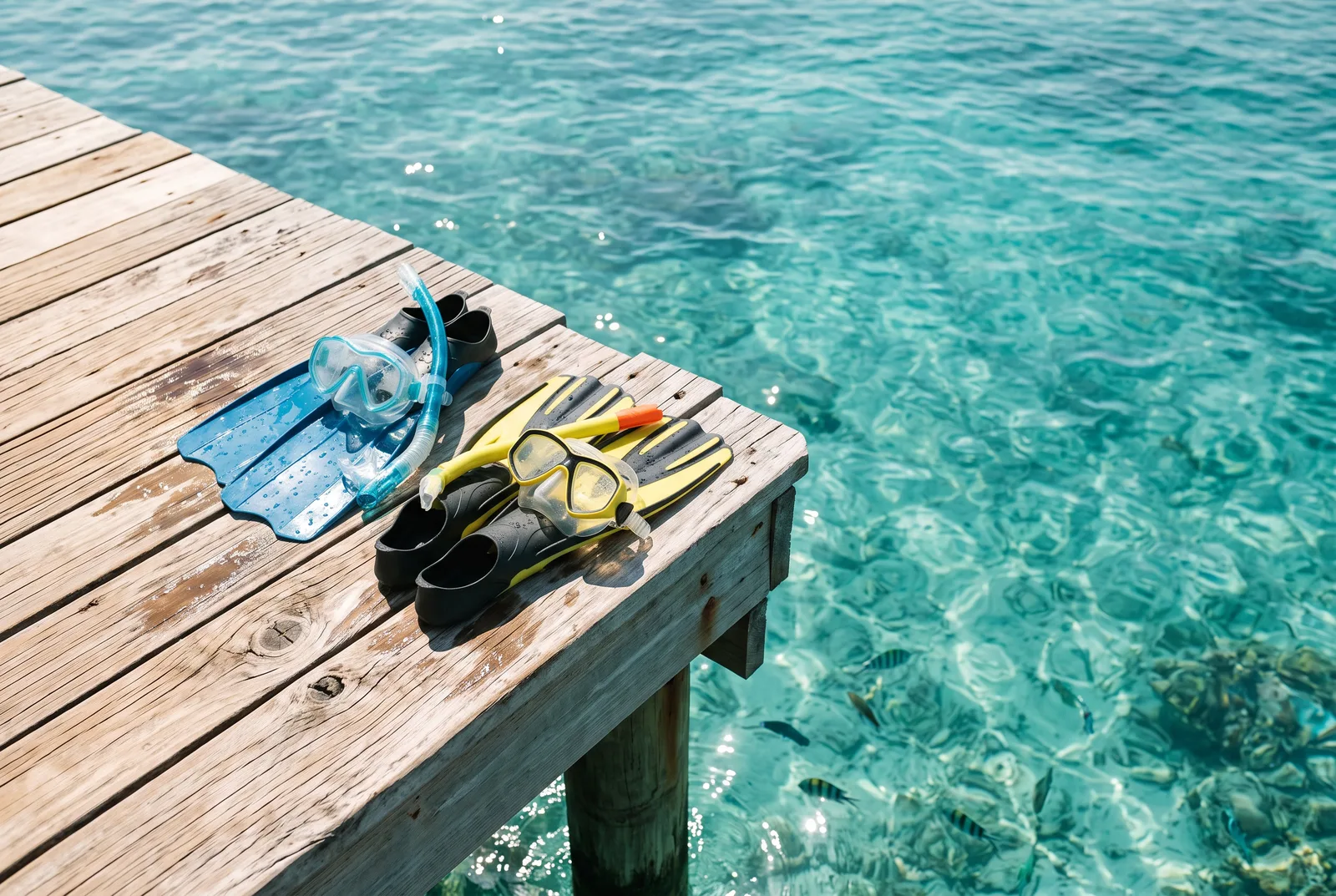
Beach and relaxation: Indian and Pacific oceans
For a stay built around the lagoon, the three classics remain the Maldives, Mauritius and the Seychelles. The Maldives are the most « everything on site »: one hotel per island, few visits possible, many water activities. Mauritius offers more variety (hiking, markets, several coasts) and a wide range of hotels. The Seychelles suit a combination of two or three islands (Mahe, Praslin, La Digue). French Polynesia is the most remote: expect a long day of travel and a large time difference, which justifies a stay of at least two weeks.
Culture and discovery: Japan, Thailand, Sri Lanka
If you prefer to move around, Japan combines cities, temples, gardens and nights in a ryokan, and is easy to visit by train. Thailand lets you link a tour of the north with a few beach days, on a more flexible budget. Sri Lanka is compact: ancient sites, tea plantations and beaches are a few hours’ drive apart. For these destinations, avoid overloading the itinerary: two or three stops in ten days are enough.
Nature and gentle adventure: Costa Rica, Bali, Zanzibar
Costa Rica attracts couples who want to walk, watch wildlife and finish on a Pacific beach. Bali mixes rice terraces, temples and villas with pools, and combines easily with the neighbouring islands. Zanzibar can be added to a safari in mainland Tanzania: it is one of the easiest « bush and beach » combinations to organise.
Shorter trips, less jet lag: Mediterranean and Caribbean
If you only have a week, the Mediterranean avoids the fatigue of long-haul travel for travellers based in Europe (from North America, expect a transatlantic flight): Greece for islands, Italy for art cities, the Amalfi Coast or the lakes, Croatia or Malta for the sea. Guadeloupe and Martinique offer tropical beaches. A cruise is another option if you want to see several ports without repacking.
Combining two destinations
A combination lets you pair discovery and rest, provided both stops are in good season at the same time and linked by a simple flight. A few consistent pairings:
| Combination | Shared favourable period | Logic |
|---|---|---|
| Sri Lanka + Maldives | January to March | Cultural tour then lagoon; short flights between Colombo and Male |
| Tanzania + Zanzibar | June to October, January-February | Safari then beach |
| Bali + neighbouring islands | April to October | Rice terraces and temples, then quieter beaches |
| Mauritius + Reunion Island | May to November | Hiking on Reunion, relaxing on Mauritius |
| Thailand (north + Andaman islands) | November to February | Chiang Mai temples, then Phuket or Krabi |
| Costa Rica (volcanoes + Pacific) | December to April | Forest and wildlife, then Guanacaste beaches |
Avoid adding a third country on less than two weeks: each change of stop costs half a day, sometimes a whole day.
Common mistakes
- Choosing the destination without looking at the season: the Maldives in July, Thailand in October or French Polynesia in February mean more rain, which matters on a beach-focused stay.
- Leaving the day after the wedding on an overnight flight: fatigue builds up. One or two days of rest before departure, or a short first stop, make the start of the trip more pleasant.
- Overloading the itinerary: a honeymoon is not a sightseeing checklist. Keep free days.
- Forgetting school holidays: during school-holiday periods, family destinations fill up and prices rise.
- Neglecting cancellation terms: a lot can change between booking and departure. Read them before paying.
- Booking under a married name without up-to-date documents: boarding can be refused if the name on the ticket does not match the document presented.
How long should you go for?

| Duration | Suitable destinations | Why |
|---|---|---|
| 4 to 7 days | Greece, Italy, Croatia, Malta, Madeira, Canary Islands | Shorter flights for travellers based in Europe, little or no time difference |
| 8 to 12 days | Mauritius, Seychelles, the Caribbean, Thailand, Bali, Mexico, Costa Rica | Time to recover from the flight and enjoy one or two stops |
| 12 to 15 days and more | French Polynesia, Japan with a tour, Maldives + Sri Lanka, Tanzania + Zanzibar | Long journeys, large time difference or a two-country combination |
A simple rule of thumb: for a destination more than ten hours’ flight away, subtract at least two days from your « useful » stay for the outbound trip, the return and fatigue. On a one-week trip, that leaves little time on site.
What budget should you plan?
The budget depends mainly on three items: flights, accommodation and the level of service (half board, all-inclusive, excursions). The gaps between destinations are large: in the Maldives and Polynesia, accommodation and inter-island transfers weigh heavily; in Thailand, Bali or Sri Lanka, a comfortable hotel costs far less. Our country pages give an indicative daily range for each destination.
- Travel in the shoulder season: April-May or October-November in the Seychelles, May-June or September in the Mediterranean. The weather stays good and prices often fall.
- Book flights early if you are aiming at a school-holiday period.
- Mix accommodation: a few nights in a high-end hotel, the rest somewhere simpler.
- Mention your honeymoon when booking: some hotels offer a gesture or a perk, but it is never guaranteed; read the conditions.
For concrete ideas on a tight budget, see our guide to a cheap honeymoon.
Book yourself or use a professional?
Both are defensible. Booking flights and hotels yourselves gives more freedom and lets you compare each service. It is simple for a stay in one place (Mauritius, Greece, the Canary Islands) or a well-served country (Japan, Thailand).
A package or organised trip from a licensed agency becomes worthwhile for complex itineraries: a multi-country combination, seaplane transfers in the Maldives, island-hopping in Polynesia. If something goes wrong (a cancelled flight, an unavailable hotel), a single party is responsible for all the services in the package. In every case, compare what is actually included: transfers, meals, local taxes, excursions and change conditions.
- Simple stay, one hotel: booking direct is usually enough.
- Two well-connected stops: either way, depending on how much time you have to organise.
- Three or more stops, inter-island transfers: a package simplifies handling the unexpected.
When to book
Ideally allow six to nine months before departure for a long-haul trip in high season (year end, February, July-August), and two to four months for the Mediterranean outside summer. Book flights first, then hotels, then excursions. If the wedding date is not yet fixed, favour changeable or refundable fares, even if slightly more expensive.
Entry requirements, health and insurance
- Passport: most long-haul destinations require one, often with a minimum validity after your return. Check each country’s rules in the UK government’s foreign travel advice (GOV.UK) or, for US citizens, on travel.state.gov.
- Name on the ticket: it must match the passport you will use exactly. If you plan to change your name after the wedding, book under the name on the document you will present.
- Visas and electronic authorisations: some destinations require an online step before departure. Check the country’s official entry requirements a few weeks before.
- Health: recommended vaccines, preventive treatment and mosquitoes (dengue, malaria depending on the area) vary by destination; book an appointment with your doctor or a travel clinic well before departure.
- Insurance: check what your bank card covers (medical costs, cancellation, baggage) and top up if needed, especially for an expensive stay booked long in advance.
Honeymoon: questions to ask before choosing
- When are you leaving? The month sets the possible destinations (see the table above).
- How many days? Beyond 6 hours of flying, allow at least 10 days to absorb the journey and the time difference.
- What pace? Relaxation on an island, discovery on a tour, or both combined.
- What budget? Flights, accommodation and meals weigh the most; the season makes prices vary a lot.
- Entry requirements: valid passport, any visa, in the name on the tickets.
The mini-honeymoon: go short, then go further
If time off or budget is short right after the wedding, a « mini-honeymoon » of a few days close to home lets you leave at once; the big trip can wait for the right season in your chosen destination. Ideas on a controlled budget: cheap honeymoon.
Frequently asked questions
What is the best honeymoon destination in June?
In June, Mauritius, Bali, French Polynesia, the Seychelles and Zanzibar are in favourable season. Closer to Europe, Greece and Italy offer warm seas before the July-August crowds.
Where should we go on honeymoon in December?
December suits Mauritius, Thailand, Costa Rica, Mexico, the Dominican Republic and the French Caribbean. It is high season: book several months ahead.
Maldives, Mauritius or Seychelles: which to choose?
The Maldives for a quiet stay in a single hotel, from January to April. Mauritius for more variety and a long season, from April to December. The Seychelles to combine several islands, ideally in April-May or October-November.
How many days do you need for a honeymoon?
A week is enough for the Mediterranean. Allow at least 10 to 12 days for the Indian Ocean, Asia or Latin America, and two weeks for French Polynesia.
Should we leave right after the wedding?
Not necessarily. If the period after the wedding is unfavourable for your dream destination, delaying the honeymoon by a few months lets you travel in better conditions and often at a better price.
Can we travel under our new name after the wedding?
Only if your identity documents already carry that name. The ticket must be in the name on the passport presented at boarding.
What is the difference between a « honeymoon » and a « wedding trip »?
None in everyday use: both refer to the trip newlyweds take after the wedding. « Honeymoon » also figuratively means the early period of a marriage.
Is an all-inclusive honeymoon a good idea?
For a relaxing stay on an island or at a resort, yes, if you want a fixed budget. Compare what is included (drinks, activities, transfers) with booking separately.
Our sources
- Our « when to go » pages for each destination, based on the normals of national weather services (details on each page and in our methodology).
- Entry requirements: the UK government’s foreign travel advice (GOV.UK) and the U.S. Department of State country pages (travel.state.gov), to be checked before departure.
- Our methodology
Updated November 2026.